What Is Swimming Underwear and Why It Matters
Swimming underwear refers to specialized undergarments designed for use beneath swimwear. These are not regular underwear. They serve a specific purpose in aquatic environments. Many swimmers wear them for comfort, support, or modesty.
Unlike cotton briefs, swimming underwear is made from quick-drying materials. Nylon, spandex, and polyester blends dominate the market. These fabrics resist water absorption. They also maintain shape after repeated exposure to chlorine.
One key benefit is reduced chafing. Regular underwear can bunch up when wet. This causes irritation during long sessions. Swimming underwear fits snugly. It moves with the body, not against it.
Additionally, some competitive swimmers use them under racing suits. The extra layer protects sensitive skin from tight seams. It prevents redness and abrasions over time.
Modesty is another reason people choose swimming underwear. Swimsuits can be revealing. Liners may feel too thin. A supportive base layer adds confidence in public pools.
Moreover, hygiene plays a role. Public facilities raise concerns about cleanliness. Wearing personal undergarments creates a barrier. It reduces direct contact with shared surfaces.
Children often wear them too. Parents prefer an added layer for young swimmers. It gives peace of mind during lessons. Quick changes become easier with built-in coverage.
Even recreational users find value. Beachgoers walk from car to shore in swim trunks. Swimming underwear eliminates exposure concerns. It supports both function and dignity.
Clearly, this category fills a real need. As swimwear evolves, so does the demand for proper base layers. Swimming underwear meets that demand effectively.
 Types of Underwear Available Today
Men’s Swimming Underwear Options
Men have several choices when selecting swimming underwear. The most common type is the swim trunk liner. Some models come with built-in briefs. Others allow removable inserts.
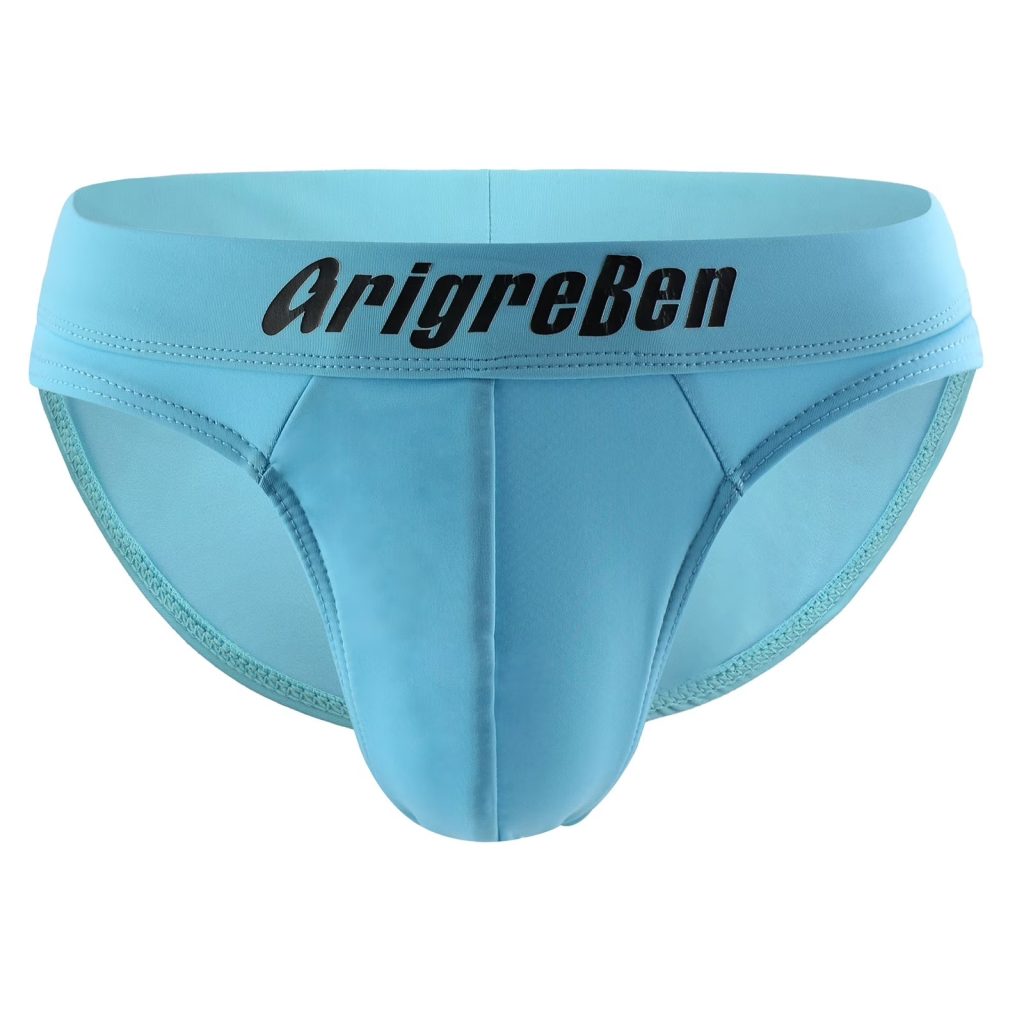
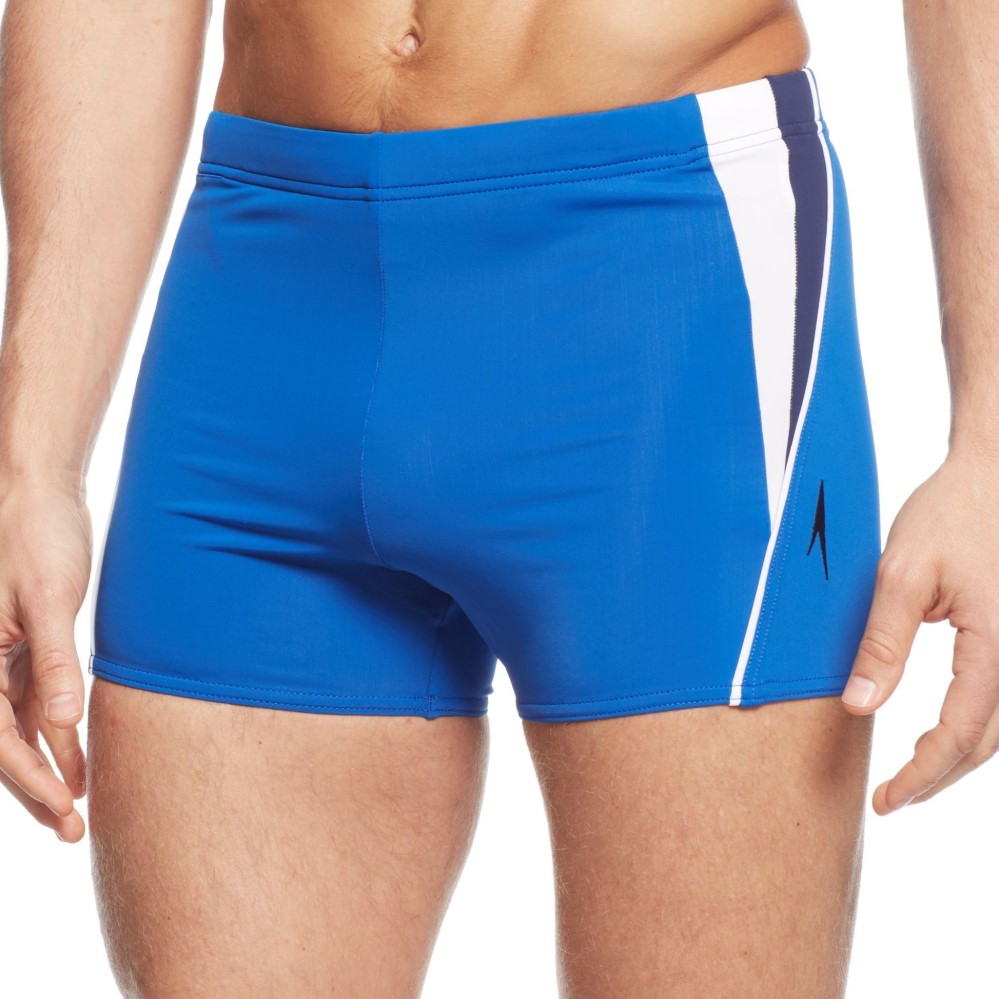
Brief-style swimming underwear offers full front coverage. Elastic waistbands stay in place. Leg openings hug the thighs. No riding up occurs during strokes.
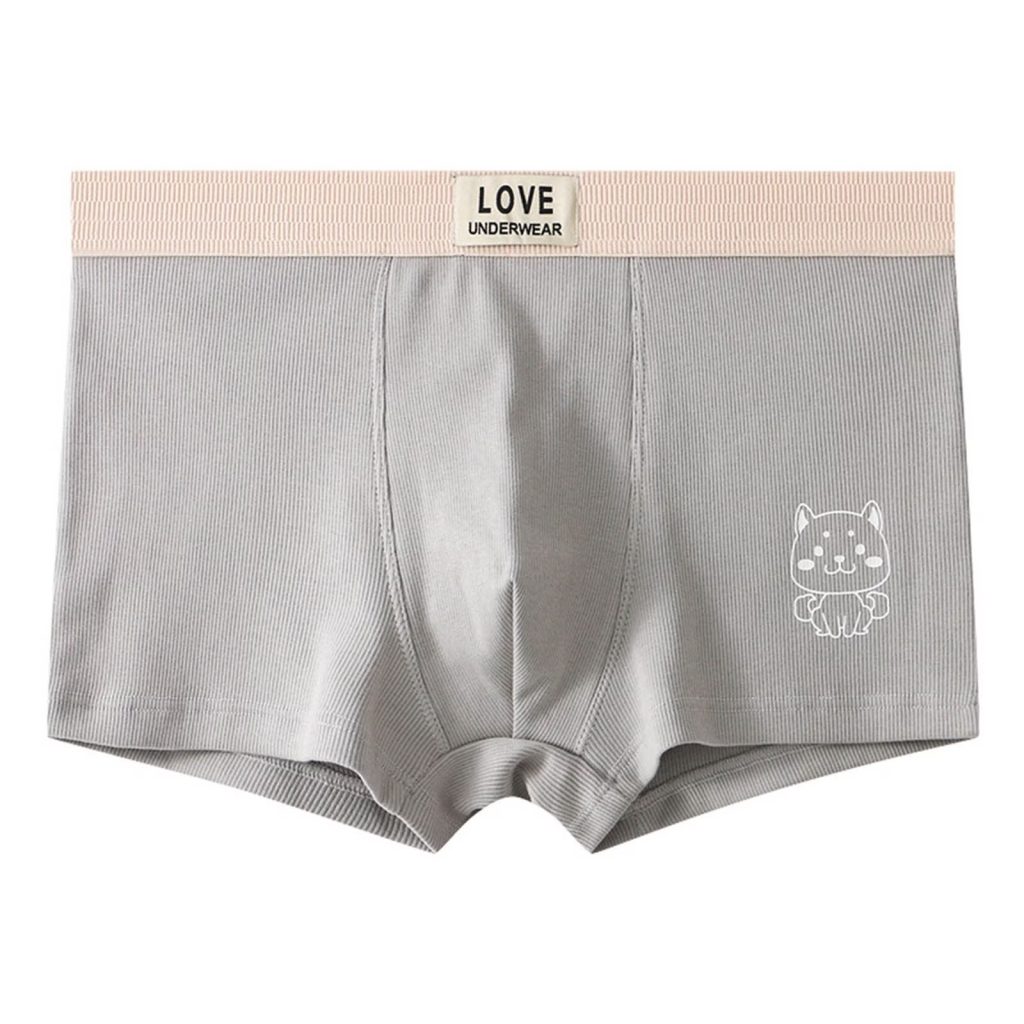
Boxer-style versions exist but are less popular. They provide more fabric. However, excess material flaps in water. Drag increases slightly. Most swimmers avoid them for performance reasons.
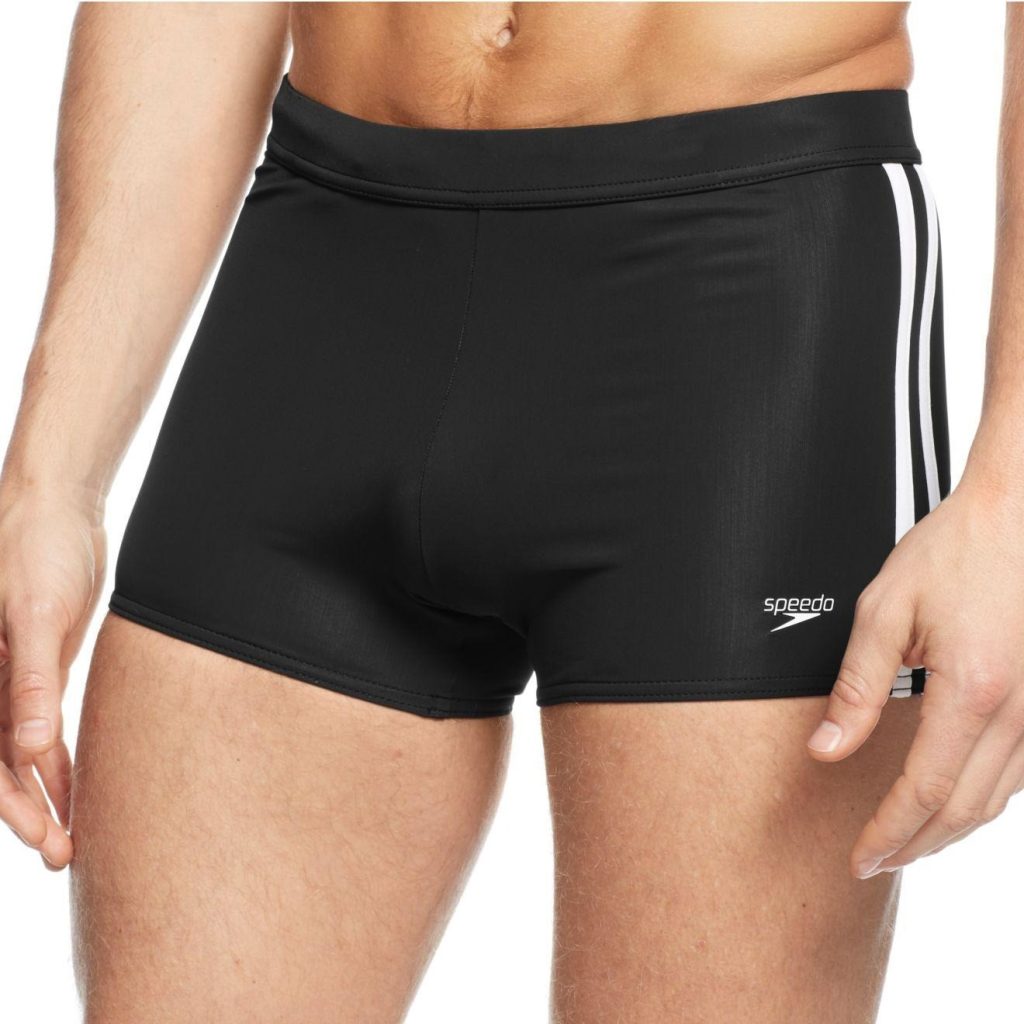
Compression shorts are rising in popularity. These fit tightly around the legs. They support muscles during intense activity. Blood flow improves slightly. Fatigue delays as a result.
Some compression styles extend to mid-thigh. Others stop just below the hip. Length depends on preference and suit type. Longer cuts work well under jammers.
Materials matter greatly. Look for moisture-wicking properties. Avoid cotton at all costs. It absorbs water and becomes heavy. Synthetic blends dry fast and resist odor.
Colors range from neutral tones to bold prints. Solid black or navy suits most needs. Bright colors help with visibility during training.
Fit is crucial. Too tight restricts movement. Too loose causes shifting. Always try before buying if possible. Move arms and legs to test flexibility.
Durability varies by brand. High-stitch density resists tearing. Reinforced seams last longer. Chlorine-resistant coatings extend life significantly.
Overall, men’s swimming underwear balances function and comfort. Each design serves a different need. Choosing right enhances every swim.
Women’s Swimming Underwear Solutions
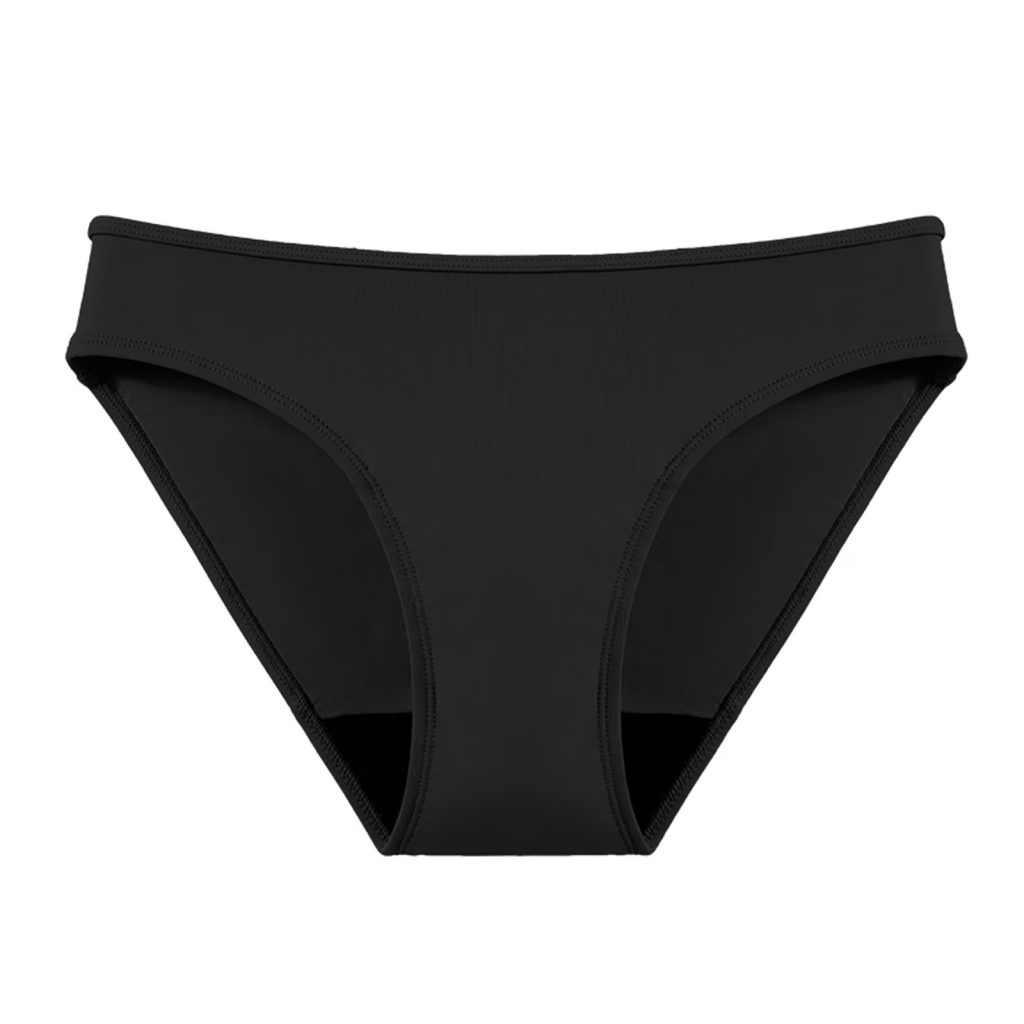
Women’s swimming underwear comes in diverse forms. The most basic is the bikini bottom liner. It matches one-piece suits or two-pieces. Seamless edges prevent visible lines.
Boyshort styles offer more leg coverage. They resemble athletic shorts. Ideal for active water sports. Less chance of shifting during motion.
Thong variants exist for racerback suits. These eliminate panty lines completely. Preferred by competitive swimmers. Focus stays on performance, not appearance.
Sports bra-style tops double as swim undergarments. Some women wear them under tankinis. Others pair them with rash guards. Support remains consistent.
Fabric technology advances constantly. Four-way stretch allows freedom. Breathable zones reduce sweat buildup. Even underwater, airflow matters.
Moisture management stays top priority. Wet fabric should cling lightly. No sagging or drooping occurs. Quick drying ensures comfort post-swim.
Many brands now include UPF protection. Sun exposure damages skin over time. Added defense helps during outdoor sessions.
Fit checks are essential. Straps must not dig. Bands should stay put. Adjustability allows customization. Hook-and-eye closures help fine-tune placement.
Color options grow yearly. From classic nudes to vibrant patterns, variety thrives. Matching sets boost confidence. Personal style shines through.
Women’s swimming underwear adapts to lifestyle. Whether training, lounging, or competing, solutions exist. Function never sacrifices fashion.
Benefits of Wearing Underwear
Improved Hygiene and Cleanliness
Hygiene is a major advantage of using swimming underwear. Pools contain bacteria and chemicals. Shared seats and benches add risk. A protective layer reduces exposure.
Public locker rooms see high traffic. Towels don’t always cover everything. Swimming underwear acts as a clean barrier. Skin stays protected throughout the visit.
After swimming, rinse immediately. But waiting even minutes allows residue buildup. Having a dedicated underlayer limits contact. Chlorine effects lessen over time.
Travelers benefit greatly. Hotel pools lack control. Unknown maintenance routines raise concerns. Personal garments ensure consistency.
Also, sharing swimwear is common among families. Siblings reuse older suits. Underwear provides individual sanitation. One person’s habits don’t affect another’s health.
Washing routines improve too. Swimwear lasts longer when rinsed properly. Yet many skip this step. Swimming underwear takes the hit instead. Outer fabric stays fresher.
Odor prevention matters. Damp environments breed mildew. Proper materials resist smells. Antimicrobial treatments appear in premium models.
For children, hygiene education starts early. Parents teach cleanliness habits. Wearing proper undergarments builds routine. Responsibility grows with age.
Even professionals follow strict protocols. Elite athletes change quickly. They avoid sitting in wet gear. Swimming underwear simplifies transitions.
Ultimately, cleanliness supports longevity. Both for clothing and health. A small addition brings big benefits. Prevention beats treatment every time.
Enhanced Comfort During Long Sessions
Comfort defines the user experience. Standard swimsuits sometimes rub. Seams press into sensitive areas. Discomfort distracts from focus.
Swimming underwear cushions these points. Soft linings absorb pressure. Friction drops dramatically. Movement feels smoother.
Long training sessions highlight this need. Two-hour practices test endurance. Gear must perform continuously. Irritation breaks concentration.
Compression variants improve blood flow. Mild support reduces muscle shake. Vibration dampens during kicks. Legs stay fresher longer.
Temperature regulation helps too. Water cools the body. Extended exposure causes shivering. Inner layers retain slight warmth. Core stability improves.
Cold pools pose challenges. Outdoor venues chill in winter. Indoor ones vary by location. An extra barrier maintains thermal balance.
Psychological comfort counts as well. Knowing you’re covered boosts confidence. Self-consciousness fades. Performance rises naturally.
Changing in public remains stressful for many. Swimming underwear allows quicker transitions. Modesty stays intact at all times.
Athletes report better focus when comfortable. Distractions drop off. Attention returns to stroke mechanics. Efficiency increases across drills.
When physical ease meets mental calm, results follow. Progress accelerates without pushing harder. Simple upgrades deliver compound gains.
Swimming underwear delivers exactly that. It removes friction—both literal and emotional. Every swim becomes more enjoyable.
 How to Choose the Right Underwear
Consider Material and Durability
Material choice impacts performance. Look for synthetic blends first. Polyester-spandex mixes dominate. They resist stretching out.
Nylon offers softness and strength. It dries fast. Chlorine resistance varies by treatment. Higher-end models last much longer.
Avoid cotton entirely. It soaks up water like a sponge. Weight increases quickly. Sagging ruins fit and function.
Check stitching quality. Flatlock seams prevent chafing. Overlocked edges resist unraveling. Double stitching appears in durable products.
Stretch recovery matters. Fabric should snap back after pulling. Poor elasticity leads to bagginess. Shape retention ensures long-term use.
UV resistance extends life outdoors. Sunlight breaks down fibers. Coated materials withstand prolonged exposure. Ideal for beach use.
Odor control technologies help. Silver-infused threads fight bacteria. Activated charcoal layers absorb smells. Freshness lasts longer between washes.
Breathability aids comfort. Mesh panels allow airflow. Even underwater, micro-ventilation helps. Skin stays drier despite immersion.
Dye stability prevents fading. Bright colors fade fastest. Quality dyes hold hue through dozens of washes. Appearance stays sharp.
Durability saves money over time. Cheap options wear out fast. Replacements add up. Investing once beats constant repurchasing.
Always read care labels. Hand wash extends life. Machine washing degrades fabric faster. Air drying preserves elasticity.
Smart buyers prioritize material science. Features beat price tags. Longevity wins in the end.
Matching Style to Activity Type
Style selection depends on activity. Competitive swimmers need minimal coverage. Streamlined fits reduce drag. Thongs or briefs work best.
Training athletes favor moderate support. Compression liners stabilize muscles. Mid-rise waists prevent rolling. Function leads form.
Recreational users may want more fabric. Boardshort wearers prefer boxer-brief hybrids. Coverage balances modesty and mobility.
Beachgoers value sun protection. Longer legs and higher waists shield skin. UPF-rated swimming underwear blocks harmful rays.
Triathletes require quick transitions. Chafing ruins race day. Seamless designs glide under wetsuits. No adjustments needed mid-event.
Open water swimmers face cold temps. Thicker weaves retain heat slightly. Not insulated, but better than nothing. Layering helps survival.
Youth programs need growth allowance. Adjustable bands extend wear time. Slightly loose fits accommodate growth spurts. Cost efficiency improves.
Dancers in water shows seek aesthetic appeal. Sheer overlays or decorative edges enhance visuals. Performance meets artistry.
Team uniforms often lack liners. Swimmers add their own. Uniformity stays while personal needs meet. Customization within structure.
Travelers appreciate packability. Lightweight models fold small. Fit in any toiletry bag. Ready for surprise dips.
Event-specific choices matter. Weddings, photoshoots, competitions—all demand different looks. Context shapes decisions.
Always match swimming underwear to purpose. One size doesn’t fit all. Tailored solutions yield best outcomes.
 Caring for Your Underwear
Washing and Drying Tips
Proper care extends garment life. Rinse immediately after use. Cold water removes chlorine fast. Soak for five minutes if possible.
Use mild detergent. Avoid bleach or fabric softeners. Harsh chemicals break down fibers. Elasticity weakens quickly.
Hand wash whenever possible. Gently scrub problem areas. Focus on waistbands and leg openings. Dirt collects there.
Never wring out fabric. Twisting damages elastic threads. Instead, press between towels. Remove excess water carefully.
Machine washing risks damage. If required, use a mesh bag. Select gentle cycle. Cold water only. Keep spin speed low.
Always separate colors. Dark and light items bleed. Staining ruins multiple pieces. Prevention avoids frustration.
Air dry flat. Hang drying stretches necklines. Lay on a clean towel away from sunlight. UV rays degrade material over time.
Do not use dryers. Heat destroys spandex. Shrinkage happens fast. Shape warps permanently.
Frequency matters. Wash after every use. Residue builds up silently. Even invisible deposits harm fabric.
Stain removal needs caution. Spot treat with vinegar solution. Test on hidden area first. Avoid aggressive scrubbing.
Storage keeps items fresh. Fold neatly in drawers. Avoid cramming. Creases weaken fibers over time.
Replace when worn. Thin spots appear first. Elastic loses bounce. Performance drops noticeably.
Careful routines pay off. Garments last years instead of months. Value multiplies with effort.
When to Replace Old Pairs
Replacement timing varies. Signs appear gradually. Watch for thinning fabric. Light shows through easily. Strength diminishes.
Elastic bands lose tension. Waistlines gap open. Leg holes sag downward. No longer hug the body. Support vanishes.
Seams begin to split. Tiny tears grow larger. Stitching unravels at stress points. Repair attempts fail quickly.
Odors persist despite washing. Bacteria embed deep. Smell returns after one swim. Fabric can no longer be cleaned.
Color fades badly. Prints blur. Original look disappears. Appearance affects confidence.
Irritation increases. Previously smooth fabric now rubs. Chafing returns unexpectedly. Comfort level drops.
Performance suffers. Drag increases. Fit shifts mid-swim. Distractions multiply. Focus breaks.
Compare new versus old. Side-by-side reveals differences. Modern materials outperform aged ones. Upgrade makes sense.
Most swimmers replace every six to twelve months. Heavy users change faster. Occasional swimmers extend life.
Listen to your body. Discomfort signals change. Ignoring it risks injury. Prevention beats pain.
Budgeting helps. Set aside funds yearly. Treat replacements as routine. No surprise expenses.
New models bring innovation. Better fits emerge. Advanced fabrics debut. Upgrading unlocks progress.
Timely replacement ensures peak performance. Old gear holds you back. Fresh pairs push you forward.
 Frequently Asked Questions
Can I Wear Regular Underwear for Swimming?
No, regular underwear is not suitable for swimming. Cotton absorbs large amounts of water. It becomes heavy and uncomfortable.
Weight pulls garments down. Sagging occurs quickly. Riding up distracts during laps. Constant adjustment breaks rhythm.
Cotton also breaks down fast. Chlorine eats fibers rapidly. Threads unravel after few uses. Durability fails completely.
Drying takes hours. Wet underwear stays damp. Wearing it causes chills. Skin irritation follows prolonged contact.
Hygiene suffers too. Trapped moisture breeds bacteria. Odors develop quickly. Health risks increase with reuse.
Regular briefs lack stretch. Movement feels restricted. Kicks and strokes suffer. Performance drops without realizing why.
They may shrink in hot water. Machine washing ruins fit. Shape distortion happens fast.
Visible lines show under swimwear. Bulges appear where they shouldn’t. Appearance issues arise unexpectedly.
Instead, choose proper swimming underwear. Designed for wet conditions. Built to last. Made to move.
Save cotton for land use. Reserve synthetics for water. Match function to environment.
Your body will thank you. Comfort improves instantly. Confidence returns with every stroke.
Is Swimming Underwear Necessary for Kids?
Yes, swimming underwear benefits children greatly. It adds a layer of protection. Parents gain peace of mind during lessons.
Kids move unpredictably. Accidents happen. Extra coverage prevents embarrassment. Dignity stays intact.
It supports potty training routines. Backup layer reduces messes. Pool staff appreciate prepared families.
Hygiene remains strong. Shared changing areas carry germs. Personal undergarments limit exposure. Illness risk drops.
Comfort improves focus. No distractions from ill-fitting suits. Learning happens faster when relaxed.
School programs often require them. Policies ensure fairness. All students follow same rules. No exceptions.
Growth spurts occur fast. Adjustable styles extend wear time. Cost efficiency improves for parents.
Skin sensitivity decreases. Rash prevention matters. Delicate areas stay protected.
Confidence builds with security. Children swim freely. No fear of exposure. Joy increases naturally.
Quick changes become easier. Towels cover less. Modesty maintained throughout process.
Parents report fewer complaints. Less itching, rubbing, or discomfort. Positive experiences encourage return visits.
Teach habits early. Routine establishes lifelong cleanliness. Responsibility grows with age.
Swimming underwear prepares kids for success. Safety, comfort, and dignity all win.
Do Professional Swimmers Use Swimming Underwear?
Many do, though not all. Preferences vary by athlete. Some rely on built-in suit liners. Others add personal layers.
Support needs drive decisions. Long training hours cause strain. Extra cushioning helps sensitive areas.
Racing suits fit extremely tight. Seams press hard against skin. Swimming underwear prevents raw spots.
Chafing ruins competition chances. Top athletes protect themselves. Small details affect podium finishes.
During recovery swims, comfort leads. Loose but secure fits aid relaxation. Muscles unwind without restriction.
Cold water sessions benefit too. Minimal insulation helps slightly. Not enough alone, but better than bare skin.
Hygiene stays critical at elite levels. Travel schedules increase exposure. Personal barriers reduce infection risks.
Team uniforms may lack liners. Swimmers customize underneath. Individual needs override standard gear.
Privacy concerns remain. Locker rooms fill fast. Quick changes require preparation. Underwear streamlines transitions.
Not every pro wears them. Some trust suit construction fully. Others dislike added fabric. Choices depend on comfort.
Coaches rarely mandate. Personal preference rules. As long as rules aren’t broken, freedom exists.
Still, usage is widespread behind the scenes. Hidden layers support visible performance. Success often has unseen helpers.
 Conclusion
Swimming underwear plays a vital role in aquatic activities. It bridges comfort, hygiene, and performance. From beginners to elites, its value spans levels.
Functionality meets practicality in smart designs. Materials evolve. Styles adapt. Needs shift with context. Solutions keep pace.
Whether training, competing, or relaxing, benefits accumulate. Chafing drops. Confidence rises. Cleanliness improves. Every factor counts.
Choosing right enhances experience. Fit matters. Fabric matters. Purpose guides selection. Thoughtful decisions yield lasting rewards.
Care extends lifespan. Simple habits preserve quality. Timely replacement maintains standards. Long-term thinking wins.
As awareness grows, more swimmers adopt swimming underwear. Once overlooked, now essential. It transforms how we interact with water.
Let it become part of your routine. Embrace its advantages. Respect its role. And enjoy every moment in the pool. Because with the right foundation, every swim feels better. Including your search for the perfect swimming underwear.