What Makes a Swimming Tech Suit Different from Regular Swimwear
A swimming tech suit is not just another piece of athletic gear. It serves a specific purpose in competitive racing. Unlike standard swimsuits, it focuses on speed and efficiency. Every detail aims to reduce drag and enhance performance.
First, the fabric plays a major role. These suits use advanced textiles. They are tightly woven and water-resistant. Some materials compress muscles slightly. This support helps delay fatigue during sprints. Second, seams are bonded or ultrasonically welded. Traditional stitching creates bumps. Those increase resistance in water. A smooth surface glides better through the pool.
Moreover, the fit is much tighter than regular swimwear. A swimming tech suit hugs the body like a second skin. It minimizes loose fabric flapping underwater. This tightness improves hydrodynamics. Water flows evenly over the surface. Less turbulence means faster times.
Swimmers often wear them only on race days. They avoid using them in practice. Frequent use wears out the material quickly. Chlorine and stretching degrade elasticity. That’s why most athletes save their swimming tech suit for important meets.
 How Compression Enhances Athletic Performance
Compression is one of the key benefits of a swimming tech suit. It applies gentle pressure across major muscle groups. This includes thighs, hips, shoulders, and core. The effect goes beyond comfort. It directly impacts how well an athlete performs.
Tight fabric stabilizes muscles during movement. Each stroke involves rapid contractions. Without support, vibrations occur in the tissue. These micro-movements waste energy. Over time, they contribute to early fatigue. Compression reduces this loss. Power transfers more efficiently from body to water.
Additionally, improved blood circulation may result. While research varies, many swimmers report feeling stronger. Oxygen delivery feels enhanced. Lactic acid buildup seems slower. Recovery between races can improve. Even small advantages matter in close competitions.
The psychological boost should not be ignored either. Wearing a sleek, high-performance suit builds confidence. Athletes feel ready to compete. Their posture improves automatically. Shoulders pull back. Core engages naturally. All these changes lead to better technique. In short, compression does more than squeeze—it empowers.
Materials and Technologies Used in Modern Tech Suits
Manufacturers invest heavily in research for swimming tech suits. New fabrics emerge every season. Brands aim to outperform rivals with innovation. Each material brings unique advantages.
Polyurethane blends are common. They repel water effectively. This keeps the suit lightweight during races. Water absorption slows down when polyurethane layers are added. Some suits feature thin strips of this material on key areas. Hips and lower back benefit most.
Nylon and spandex combinations also appear frequently. These offer flexibility and durability. The fabric stretches in multiple directions. It returns to shape after each use. This resilience ensures consistent fit over time. However, care must be taken during handling. Rough surfaces can cause snags.
Textured surfaces are another advancement. Certain suits have ridges or dimples. These mimic sharkskin patterns. They disrupt water flow in a controlled way. Instead of creating drag, they guide water smoothly along the body. This concept comes from biomimicry. Nature inspires engineering solutions.
Zippers and fasteners have evolved too. Many suits now include front zippers. These make entry easier despite the tight fit. Some models use internal cords. Others rely on pull tabs. Regardless of style, all aim to secure the suit without restricting motion.
 Proper Fit and Sizing Guidelines for Tech Suits
Getting the right size is crucial for any swimming tech suit. Too loose, and it defeats the purpose. Too tight, and it restricts breathing or movement. Both extremes hurt performance. Accuracy matters.
Always consult the brand’s size chart. Do not assume your usual size applies. Each manufacturer cuts differently. Measure waist, hips, torso length, and chest if needed. Compare numbers carefully. Some suits run small. Others fit true to size. Never guess—errors lead to discomfort.
Try the suit on before race day. Put it on slowly. Step into the legs first. Pull each side up gradually. Avoid yanking. Sharp nails or jewelry can tear the fabric. Once on, check for wrinkles or gaps. Smooth areas where possible. There should be no bagginess anywhere.
Also, test mobility. Raise your arms overhead. Simulate strokes against a wall. Bend at the waist. Move like you would in the water. If anything pinches or binds, reconsider the size. Breathing must remain easy. Restricted lungs affect endurance. A perfect swimming tech suit supports—not hinders.
Caring for Your Tech Suit to Extend Lifespan
A swimming tech suit is an investment. It costs more than regular swimwear. To protect that value, proper care is essential. Simple habits extend usability. Neglect leads to early breakdown.
Rinse immediately after use. Freshwater removes chlorine and salt. These chemicals weaken fibers over time. Soak for a few minutes if possible. Never leave the suit bunched in a gym bag. Damp fabric breeds bacteria and odor.
Wash by hand whenever you can. Use mild detergent made for delicate fabrics. Avoid bleach or fabric softener. Both damage elasticity. Gently squeeze out water. Do not twist or wring. That strains seams and panels. Hang to dry in a shaded area. Direct sunlight fades colors and weakens material.
Store flat or rolled. Folding causes creases. Repeated stress at fold lines leads to tears. Keep away from rough textures. Velcro, carpet, or concrete floors pose risks. Treat the suit like fragile equipment. Respect its limits. With good habits, one swimming tech suit lasts through many seasons.
 When to Wear a Tech Suit During Competition
Timing matters when using a swimming tech suit. Most swimmers do not wear them every time. Strategic use maximizes impact. Saving them for key events makes sense.
Use them during championship meets. State finals, nationals, or qualifying rounds are ideal. High stakes demand peak performance. The slight edge from reduced drag adds up. Even 0.5 seconds can change rankings. Confidence grows when wearing top-tier gear.
Avoid wearing them during long-distance events unless designed for it. Some tech suits focus on sprint performance. They prioritize stiffness over flexibility. For longer races, comfort becomes more important. Choose based on event type. Sprinters gain more from full-body compression.
Also, consider warm-up routines. Putting on the suit too early causes discomfort. Wait until shortly before your race. Stay loose while waiting. Cover with a robe or tracksuit. This preserves warmth and mental focus. Then, step onto the block feeling sharp and ready.
 Frequently Asked Questions About Tech Suits
Can I Wear a Swimming Tech Suit More Than Once?
Yes, but sparingly. Most athletes use theirs across several races. However, repeated exposure to chlorine degrades fabric. Stretch diminishes over time. After three to five uses, performance drops. Always rinse and air dry between sessions. Limit usage to maintain quality.
Are Swimming Tech Suits One-Piece Only?
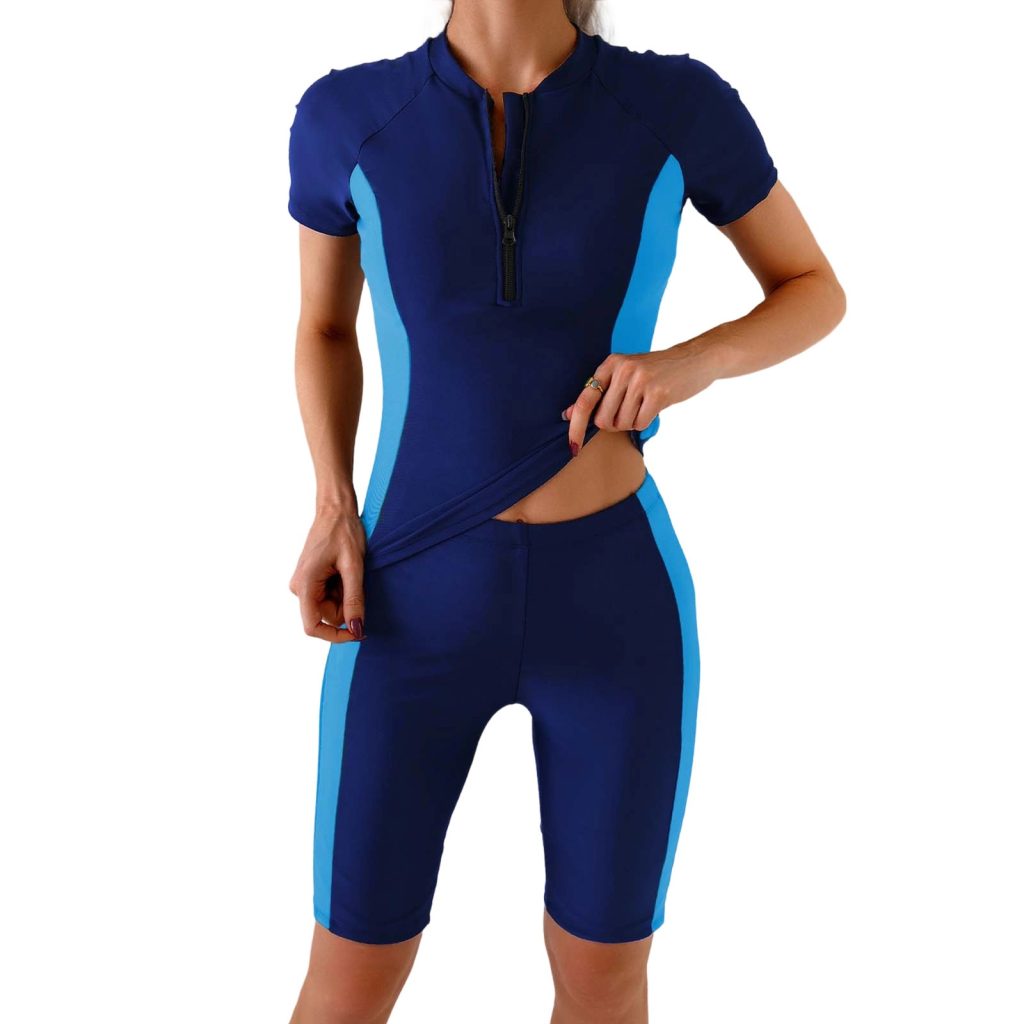
Most are one-piece designs. This structure provides full-body coverage. It enhances compression and streamlining. However, some brands offer two-piece versions. These are less common. They target specific age groups or preferences. One-piece remains standard for elite competition.
Do I Need to Shave Before Wearing a Tech Suit?
Many swimmers do. Shaving reduces drag slightly. Body hair traps tiny bubbles. These create micro-resistance in water. Combined with a sleek suit, the effect multiplies. While not required, it’s part of pre-race tradition. Swimmers feel smoother and faster.
How Tight Should a Swimming Tech Suit Feel?
It should feel very snug but not painful. You must breathe easily. Movement should not be restricted. Arms lift freely. Legs bend without strain. If you cannot zip it alone, ask for help. Never force it. Discomfort indicates wrong size or poor fit.
Can I Wear Underwear Under a Swimming Tech Suit?
No. These suits are designed to be worn directly on the skin. Adding layers causes bunching. That increases drag. It may also shift during dives or turns. The inner lining acts as built-in support. No additional garments are needed.
 Final Thoughts on Choosing the Right Tech Suit
Selecting the best swimming tech suit requires thought. It’s not just about brand names or price tags. Function, fit, and timing all play roles. The right choice supports both physical and mental readiness.
These suits represent years of innovation. They combine science, design, and athlete feedback. From fabric texture to seam placement, everything has a purpose. When used wisely, they deliver real results. Speed improves. Confidence rises.
Ultimately, a swimming tech suit is more than swimwear. It symbolizes preparation and ambition. It marks the difference between training and competing. Whether you’re a junior swimmer or elite racer, it elevates your mindset.
With proper care and smart decisions, one suit can carry you through major milestones. Invest in quality. Learn how to wear it correctly. Respect its role in performance. And remember—gear helps, but skill wins. Combine both, and success follows.