Maintaining a clean and functional swimming pool starts with a working pump. When issues arise, swimming pool pump repair becomes essential. A faulty pump can lead to poor water circulation. This allows algae and bacteria to grow quickly. As a result, the entire pool environment suffers. Timely repairs prevent costly replacements and extend equipment life.
Homeowners often delay addressing pump problems. They may not recognize early warning signs. Unusual noises or reduced water flow are clear indicators. So is frequent tripping of circuit breakers. These symptoms suggest internal damage or electrical faults. Addressing them promptly ensures safety and efficiency. With basic knowledge, many people can handle minor swimming pool pump repair tasks themselves. Others should call professionals for complex diagnostics. Either way, understanding the system improves decision-making.
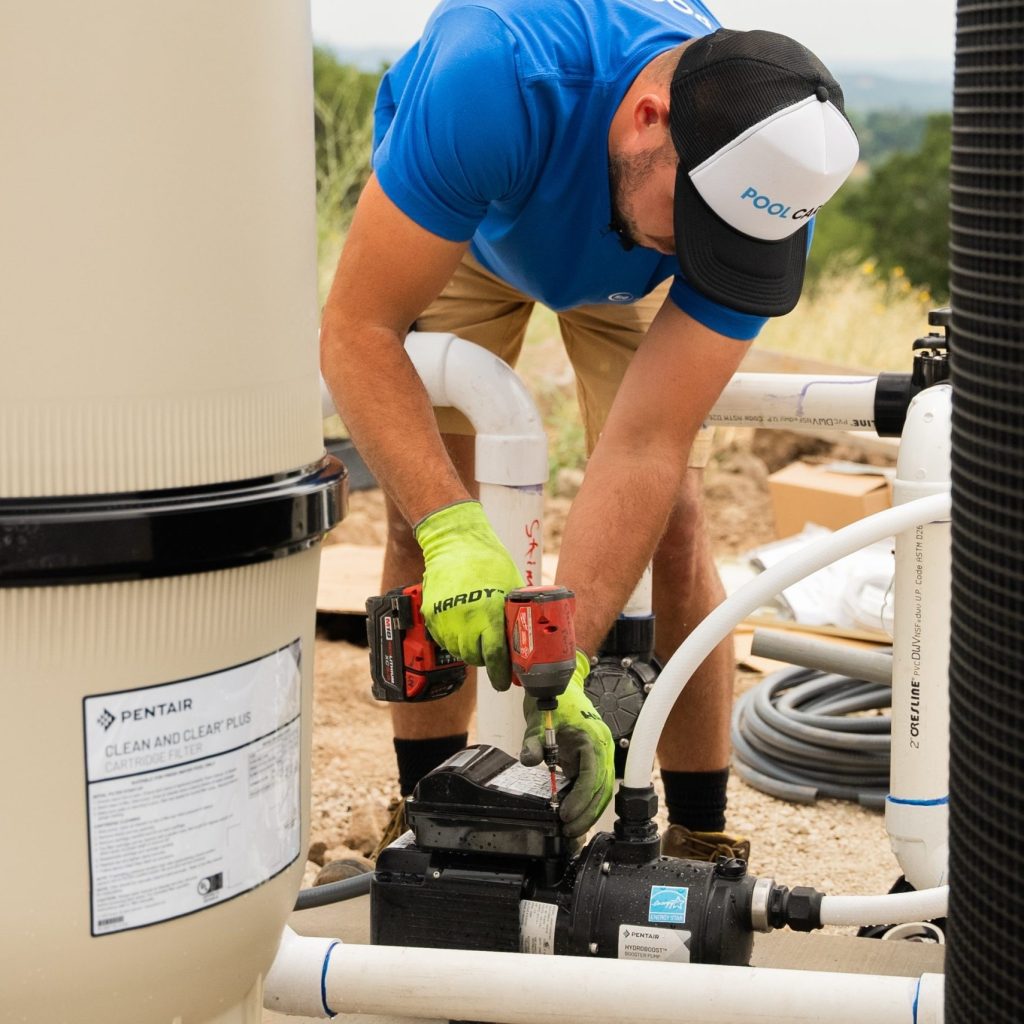 Understanding How Pool Pumps Work
Pool pumps circulate water through filters and heaters. They keep the water clean and balanced. Without proper flow, chemicals cannot disperse evenly. Debris accumulates at the bottom. Therefore, the pump is the heart of any pool system. Knowing its components helps identify failure points.
The motor drives the impeller. The impeller moves water into the filter. Then, cleaned water returns to the pool. Seals and gaskets prevent leaks around moving parts. Air intake must remain sealed; otherwise, the pump loses prime. Most systems run on single-phase electricity. Voltage fluctuations can harm motors over time. Familiarity with these mechanics simplifies swimming pool pump repair efforts.
Key Components Involved in Repairs
Several parts commonly require attention during swimming pool pump repair. The motor is one of the most expensive elements. It may fail due to overheating or moisture exposure. Burnt windings or worn bearings reduce performance. Replacing motors demands electrical knowledge. Always disconnect power before inspection.
Another critical part is the shaft seal. It stops water from entering the motor housing. Once damaged, water seeps in and ruins internal components. Impellers also clog with debris like leaves or hair. Cleaning them restores flow pressure. O-rings and diffusers wear out too. These rubber seals dry and crack over time. Keeping spares on hand speeds up maintenance.
Signs Your Pump Needs Immediate Attention
Early detection saves money and effort. Listen for grinding or screeching sounds. These usually mean bearing failure or impeller blockage. Check if the motor hums but doesn’t start. That could indicate capacitor issues or seized parts. Visual inspections help spot cracks or leaks.
Water flow reduction is another red flag. If jets seem weak, check for clogs in the skimmer basket. Also examine the pump strainer lid for cracks. A loose or cracked lid breaks the vacuum seal. This prevents proper priming. Ignoring such signs worsens damage. Quick action avoids full system shutdowns.
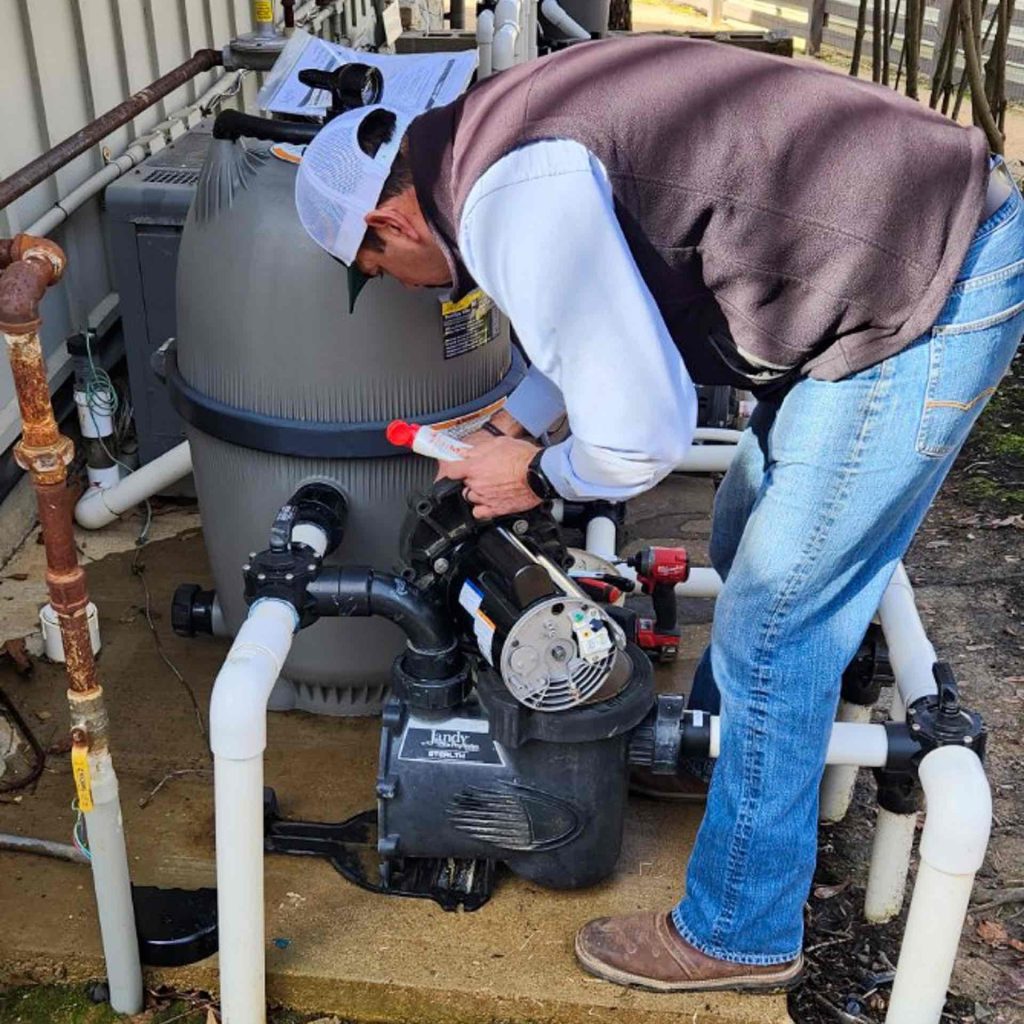 Common Causes of Pump Failure
Many factors contribute to pump breakdowns. Age is an obvious one. Older units experience more wear. But even new pumps fail under poor conditions. Improper installation ranks high among causes. Misaligned plumbing increases strain. Incorrect voltage supply damages motors prematurely.
Environmental conditions matter too. Pumps exposed to direct sunlight degrade faster. UV rays weaken plastic housings. Rainwater intrusion leads to corrosion. Dust and dirt enter vents and clog cooling fans. All these accelerate mechanical stress. Regular cleaning reduces environmental impact. Preventive care supports long-term reliability.
Clogs and Debris Build-Up
Leaves, twigs, and insects often enter the pump chamber. They accumulate in the strainer basket. If not removed, they restrict water intake. Reduced flow forces the motor to work harder. Over time, this causes overheating. Eventually, the motor burns out. Routine basket cleaning prevents this issue.
Sometimes debris passes beyond the basket. Small particles jam the impeller. This stops rotation completely. In severe cases, impellers crack under pressure. Removing trapped material requires disassembly. Use gloves and tools carefully. Never force stuck parts. Gentle extraction preserves component integrity. Frequent checks minimize clogging risks.
Electrical and Motor Problems
Electrical faults frequently trigger pump failures. Tripped breakers suggest overload or short circuits. Damaged cords or connectors expose live wires. These pose serious shock hazards. Always inspect wiring before restarting the system. Replace frayed cables immediately.
Capacitors help motors start smoothly. Failed capacitors cause humming without startup. Test them with a multimeter if possible. Low voltage from the main panel affects performance. Voltage spikes fry sensitive electronics. Surge protectors offer some defense. However, professional evaluation ensures safe operation. DIY fixes on electrical parts demand caution.
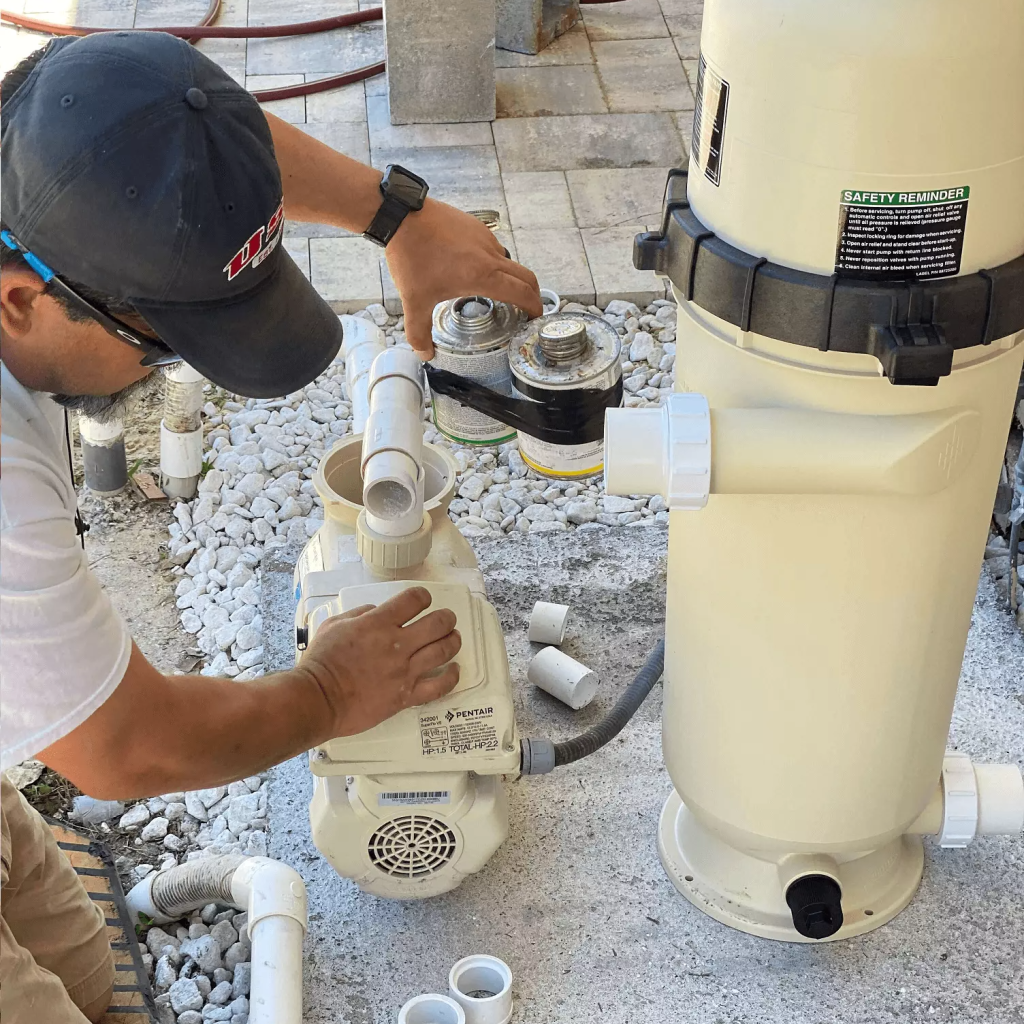 Step-by-Step Guide to Basic Swimming Pool Pump Repair
Not every problem needs a technician. Many swimming pool pump repair jobs are manageable at home. Start by turning off power at the breaker. Confirm it’s off using a voltage tester. Safety comes first. Then, prepare your workspace near the pump.
Remove the pump cover carefully. Drain remaining water from the housing. Open the strainer basket and empty debris. Inspect the O-ring for cracks or dryness. Lubricate it with silicone grease before reassembly. Ensure the lid closes tightly. Hand-tighten only; over-tightening strips threads.
Replacing Worn Seals and Gaskets
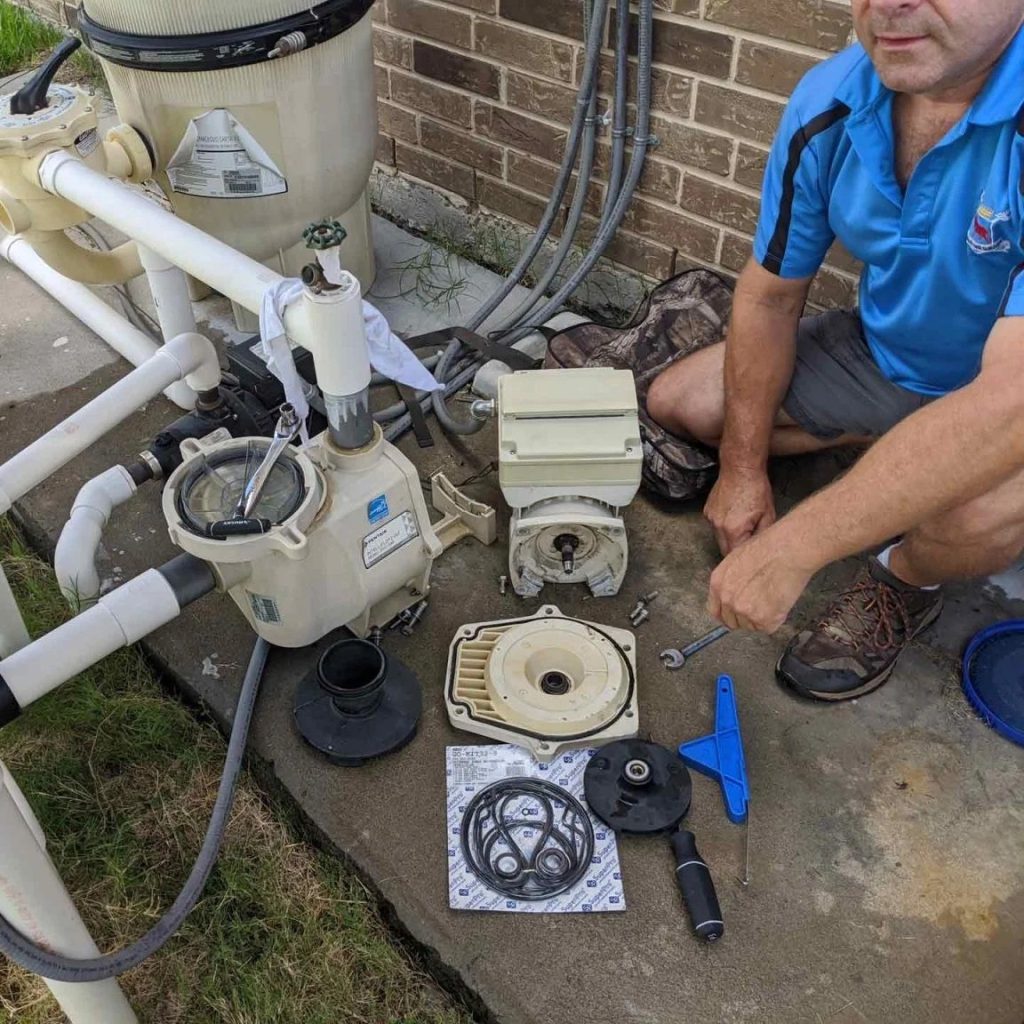
Shaft seals often fail after years of use. Water leakage behind the motor indicates this. To replace it, remove the pump from plumbing lines. Disconnect unions or PVC pipes gently. Set aside all small parts in order. Take photos during disassembly for reference.
Extract the old seal using a flat tool. Avoid scratching metal surfaces. Install the new seal following manufacturer instructions. Align it precisely with the housing. Reattach the motor and reconnect plumbing. Prime the pump by filling the strainer with water. Restore power and monitor for leaks. Proper sealing prevents future motor damage.
Fixing Loss of Prime Issues
Losing prime means the pump cannot maintain suction. Air enters the system somewhere. First, check all joints and lids. Tighten loose clamps or replace cracked ones. Inspect the drain plug on the pump housing. A missing or damaged plug lets air in. Replace it if necessary.
Next, verify water levels in the pool. Skimmers must be submerged to draw water properly. Low water exposes intakes. Refill until halfway up the skimmer opening. Pour water into the strainer basket before starting. Close the air vent slowly as water sprays out. This removes trapped air. Repeat if needed until steady flow resumes.
When to Call a Professional Technician
Some situations go beyond DIY fixes. Complex electrical repairs require licensed hands. Rewiring motors or replacing control boards involves risk. Mistakes can cause fires or electrocution. For such tasks, hire certified pool service experts.
Persistent problems also signal deeper issues. If the pump fails repeatedly after repair, something systemic exists. Hidden pipe leaks, incorrect pump sizing, or filter mismatches may be to blame. Professionals diagnose root causes accurately. Their tools detect pressure drops and flow imbalances.
Scenarios Requiring Expert Intervention
Strange burning smells mean serious internal damage. Shut off power immediately. Do not attempt restarts. Smoke or visible sparks are emergency signs. Evacuate the area and contact electricians or fire services if needed. Only trained personnel should open burnt-out motors.
Unexplained noise patterns also warrant expert review. Knocking or vibrating suggests misalignment. Internal component fractures may occur. Disassembling without experience worsens damage. Technicians use diagnostic tools to pinpoint faults. They source compatible replacement parts efficiently.
Benefits of Hiring Certified Service Providers
Licensed technicians bring expertise and warranties. Their work meets industry standards. Repairs come with guarantees against defects. This protects your investment. They carry specialized tools for precise adjustments.
Moreover, professionals perform full system audits. They check filters, valves, and chemical balance. Early warnings about other failing parts save future costs. Scheduled maintenance plans prevent emergencies. Trusting experts ensures lasting results.
 Tips for Preventing Future Pump Issues
Prevention beats repair every time. Establish a routine maintenance schedule. Clean baskets weekly during peak season. Inspect seals monthly. Flush lines periodically to remove buildup. Consistent care keeps the system running smoothly.
Winterization is crucial in cold climates. Drain all water from the pump before freezing temperatures. Use blow-out kits to clear pipes. Store removable parts indoors. Antifreeze solutions protect non-drainable sections. Cover the unit to block debris.
Seasonal Maintenance Checklist
Before summer, test the pump thoroughly. Check for smooth startup and strong flow. Examine belts and pulleys if applicable. Lubricate moving parts as recommended. Verify timer settings match usage patterns.
At season’s end, shut down properly. Remove and clean the impeller. Replace worn gaskets. Record any issues for next year’s reference. Keep logs of repairs and replacements. Documentation helps track lifespan and plan budgets.
Upgrading to More Efficient Models
Older pumps consume more energy. Modern variable-speed models cut electricity bills significantly. They adjust flow based on need. This reduces wear and tear. Consider upgrading during major repairs.
Energy-efficient pumps qualify for rebates in some areas. Research local programs. Installation might require professional help. However, long-term savings justify the cost. New technology offers quieter operation and smarter controls.
Frequently Asked Questions About Pool Pump Repair
Many pool owners share similar concerns. Below are common questions answered clearly and concisely.
How Often Should I Perform Routine Maintenance?
Inspect your pump weekly during active use. Empty the strainer basket regularly. Clean it whenever debris fills half the container. Monthly checks should include seal condition and hose connections.
Perform deeper maintenance twice per year. Do this before opening and closing the pool. Look for corrosion, cracks, or loose fittings. Address small issues before they grow.
Can I Repair the Motor Myself?
Minor external fixes are possible. You can replace the capacitor or reset thermal overload switches. However, rewinding coils or fixing internal shorts is not advisable.
Motor internals involve precision engineering. Mistakes lead to immediate failure. Purchase a pre-assembled replacement instead. Match horsepower and voltage ratings exactly.
What Tools Are Needed for Basic Repairs?
Basic tools include adjustable wrenches and screwdrivers. Socket sets help with tight bolts. A multimeter tests electrical continuity. Pipe wrenches assist with PVC disconnection.
Silicone lubricant conditions O-rings. Replacement gaskets and seals should be on hand. Keep towels and buckets nearby for spills. Organize tools in a dedicated kit.
Is It Cheaper to Repair or Replace the Pump?
Repairing is usually cheaper for isolated issues. Fixing seals, baskets, or capacitors costs little. Labor remains affordable if done yourself.
However, multiple failed components suggest replacement. Motors over ten years old rarely justify repair. New pumps offer better efficiency and warranties. Weigh long-term value over short-term savings.
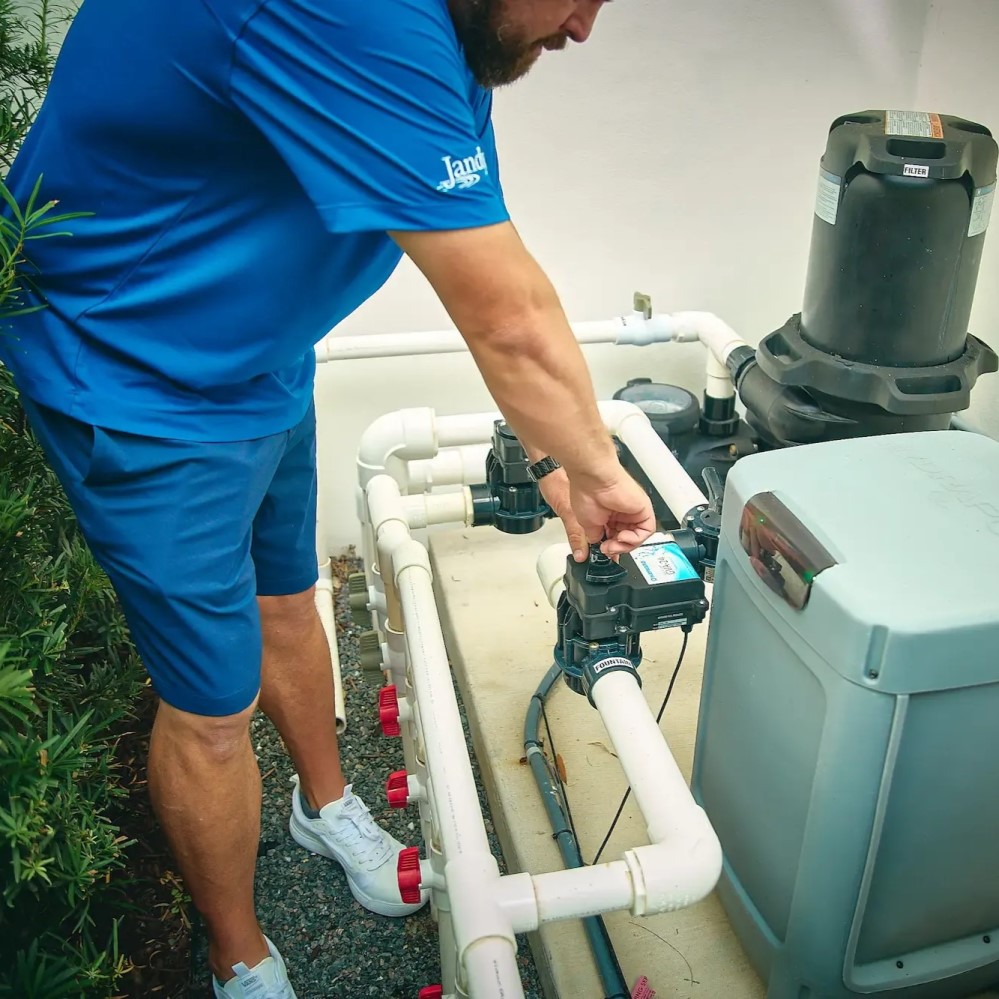 Final Thoughts on Effective Pool Pump Repair
Owning a pool brings joy but also responsibility. A well-maintained pump ensures clean, safe water. Delaying swimming pool pump repair invites bigger problems. Small fixes today prevent expensive replacements tomorrow.
Understanding the system empowers informed choices. Some tasks suit DIY efforts. Others require expert hands. Know your limits and act wisely. With regular care, your pump will serve reliably for years. Ultimately, proactive maintenance defines successful pool ownership. Prioritize timely swimming pool pump repair to enjoy peace of mind all season long.