Swimming is one of the most popular physical activities worldwide. It is enjoyed by people of all ages and backgrounds. Beyond fun and fitness, there are many facts about swimming that surprise even regular swimmers. From ancient origins to modern health benefits, this sport offers more than meets the eye.
One key truth is that humans are not natural swimmers. Unlike fish or marine mammals, we must learn how to move in water. Yet, nearly every culture has developed swimming techniques. This shows our adaptability and determination. Another interesting point is that swimming is a full-body workout. It engages muscles from head to toe. No other exercise activates so many groups at once. These facts about swimming reveal its unique place in human life.
 Historical Facts About Swimming
Swimming has been part of human history for thousands of years. Ancient civilizations relied on it for survival and training. Early records show that people swam long before organized sports existed. Evidence dates back to 2500 B.C. Cave drawings in Egypt depict swimmers in action. These images prove that water movement was valued early on.
The Greeks and Romans included swimming in education. Young men trained in pools as part of military preparation. The Roman legions required soldiers to swim across rivers. In Japan, samurai practiced water skills for battlefield mobility. All these cultures understood the practical value of swimming.
Swimming in Ancient Warfare and Daily Life
Many armies used swimming during invasions. Soldiers crossed lakes and streams without bridges. They carried weapons while swimming. This required strength and breath control. Some warriors wore armor made to float slightly. Others swam with shields as buoys. These facts about swimming highlight its role beyond recreation.
In farming communities near rivers, swimming was essential. People fished, transported goods, and escaped floods using water skills. Children learned young. Entire families depended on their ability to stay afloat. Even today, rural areas with limited infrastructure rely on these abilities. Survival often depends on knowing how to swim.
Evolution of Competitive Swimming
Organized races began in the 19th century. The first indoor pool opened in London in 1828. Soon after, national clubs formed in Europe. By 1896, swimming became an Olympic event. Only men competed at first. Women joined in 1912. Since then, records have dropped dramatically due to better training and gear.
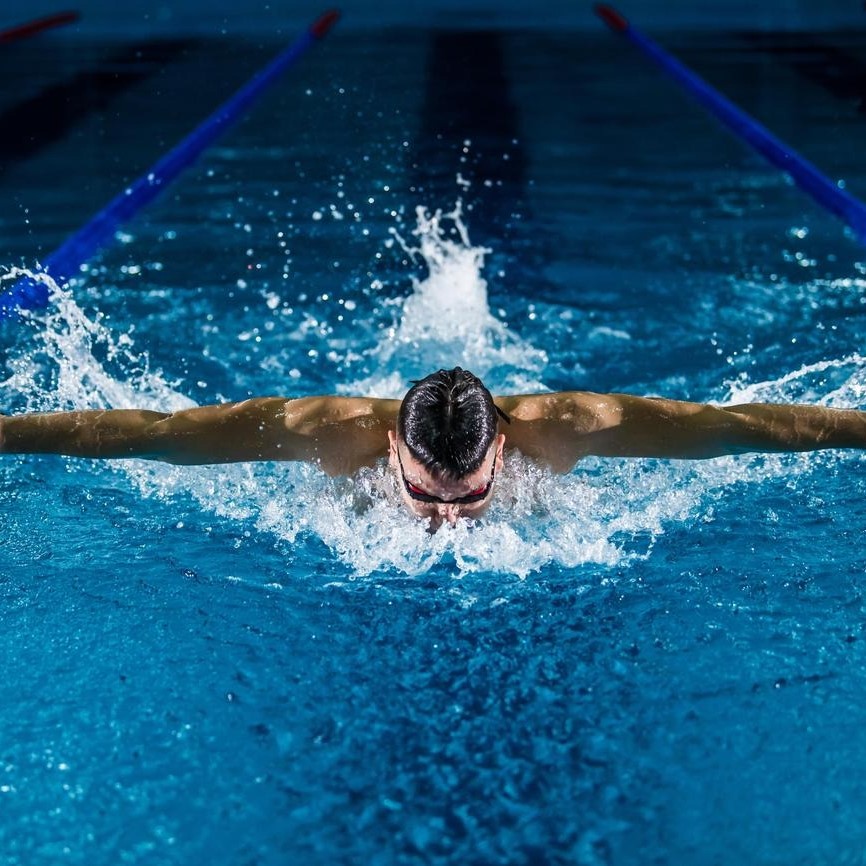
New strokes emerged over time. The front crawl replaced older styles because it was faster. Butterfly evolved from breaststroke rules. Each change reflected innovation and speed. These facts about swimming show how competition pushed progress. Today’s athletes swim faster than ever before.
 Physical and Mental Health Benefits
Swimming builds strong bodies and sharp minds. It improves heart function and lung capacity. The resistance of water strengthens muscles gradually. Unlike running, it causes no joint impact. This makes it safe for injured or aging individuals. Regular laps can reduce chronic pain.
Mental wellness also improves with swimming. Being in water has calming effects. Rhythmic breathing lowers stress hormones. Many report clearer thoughts after a session. Depression and anxiety symptoms often ease. These facts about swimming support its use in therapy programs.
Full-Body Conditioning and Low Impact
Water supports up to 90% of body weight. This reduces pressure on knees, hips, and spine. Swimmers avoid wear-and-tear injuries common in land sports. Arthritis patients find relief through gentle routines. Pregnant women use swimming to stay fit safely. Recovery from surgery often includes water exercises.
Every stroke works multiple muscle groups. Arms pull, legs kick, and the core stabilizes. The back, shoulders, glutes, and calves all engage. Heart rate increases steadily. Endurance grows over time. Because effort feels lighter in water, people often exercise longer. This boosts overall fitness without strain.
Cognitive Improvements and Sleep Quality
Swimming increases blood flow to the brain. Oxygen delivery enhances mental clarity. Studies link aquatic exercise to improved memory. Older adults who swim regularly show slower cognitive decline. Focus and problem-solving skills benefit too. These facts about swimming make it ideal for lifelong learning.
Sleep patterns improve with regular swimming. Body temperature drops after exercise. This signals the brain that it’s time to rest. Deep sleep cycles lengthen. Insomnia sufferers often see results quickly. Morning or afternoon swims reset daily rhythms naturally. Restful nights follow active days.
Unique Biological and Scientific Facts
The human body behaves differently in water. Buoyancy changes how we move. Heat loss happens faster than on land. Lungs work harder under resistance. These physical truths shape how we swim. Understanding them leads to better performance.
Water conducts heat 25 times faster than air. This means the body cools quickly. Even warm pools draw out warmth over time. Swimmers may feel cold despite heated water. Wetsuits help retain heat during open-water events. Hypothermia is a real risk in long-distance races.
Natural Reflexes and Infant Abilities
Babies have a dive reflex until about six months old. When submerged, they hold their breath automatically. Their heart rate slows down. Blood shifts to vital organs. This protects the brain and heart. While not a reason to dunk infants, it shows biological adaptation. Some experts believe early exposure builds confidence later.
Humans cannot breathe underwater. But we can train lung capacity. Elite swimmers take deep breaths before dives. They learn to relax while holding air. Panic increases oxygen use. Calmness extends breath time. These facts about swimming explain why technique matters more than strength.
Speed, Resistance, and Fluid Dynamics
Water is 800 times denser than air. This creates high resistance. Moving fast requires powerful strokes. Drag slows untrained swimmers quickly. Streamlined positions reduce friction. Kicking from the hips, not knees, improves efficiency. Hand entry angle affects forward motion. Small adjustments lead to big gains.
Olympic swimmers reach speeds over 5 mph. Dolphins swim much faster. Humans lack fins or smooth skin. We rely on form and endurance. Technology helps through suits and goggles. Still, biology sets limits. These facts about swimming remind us that improvement comes from practice.
 Environmental and Safety Considerations
Not all water is safe for swimming. Lakes, rivers, and oceans carry risks. Currents, tides, and wildlife affect conditions. Chlorine levels matter in pools. Awareness keeps swimmers protected. Knowledge prevents accidents.
Drowning remains a leading cause of accidental death. Many victims cannot call for help. Silent submersion happens fast. Supervision is critical around children. Adults should never swim alone in remote areas. Learning CPR saves lives. These facts about swimming underline the need for caution.
Open Water vs. Pool Environments
Pools offer controlled settings. Temperature, depth, and cleanliness are monitored. Lane lines guide direction. Walls allow push-offs. These features help beginners build skills. Coaches supervise lessons easily. Progress is measurable frame by frame.
Open water lacks boundaries. Waves, wind, and currents disrupt rhythm. Navigation becomes harder. Sighting—lifting the head to spot landmarks—is essential. Cold temperatures require wetsuits. Jellyfish, seaweed, or boats add danger. These facts about swimming show why training differs between environments.
Chlorine and Skin Reactions
Chlorine kills bacteria in pools. It keeps water hygienic. However, it can irritate eyes and skin. Hair may turn greenish, especially if dyed. Showering before and after swimming reduces chemical contact. Rinsing removes residue quickly. Moisturizing prevents dryness.
Some pools use saltwater systems. These generate chlorine naturally. The level feels gentler on skin. Swimmers often prefer them. Still, proper hygiene habits matter. Never swallow pool water. Avoid touching face during laps. These facts about swimming promote healthier routines.
 Frequently Asked Questions About Swimming
This section answers common concerns. Readers gain clarity before diving in.
Can you lose weight by swimming?
Yes. Swimming burns calories efficiently. A 30-minute session can burn 200–400 calories. Consistent practice reduces body fat. Combined with diet, it supports weight loss goals. Muscle gain increases metabolism.
Is swimming safe during pregnancy?
Generally, yes. Doctors recommend it for expectant mothers. Water supports added weight. Movement eases back pain. Avoid dives or intense starts. Always consult a healthcare provider first.
Do I need to know all four strokes?
No. Freestyle is most common. Breaststroke and backstroke are useful for variety. Butterfly is advanced. Learn based on comfort and goals. Mastering one is better than struggling with four.
How do I prevent swimmer’s ear?
Dry ears thoroughly after swimming. Tilt your head to drain water. Use a hair dryer on low, held at a distance. Earplugs help in frequent swimmers. Avoid inserting cotton swabs.
Can swimming improve posture?
Absolutely. Strong back and core muscles align the spine. Shoulder stability reduces slouching. Balanced muscle development supports upright stance. Many notice improved posture within weeks.
 Final Thoughts on Facts About Swimming
These facts about swimming cover history, science, health, and safety. They show how deep and varied this activity truly is. It is not just splashing around. It is a blend of skill, biology, and culture. From ancient survival to modern Olympics, swimming evolves with humanity.
Whether you swim for fitness, fun, or therapy, knowledge enhances experience. Understanding your body in water leads to better results. Respect for nature ensures safety. Appreciation for progress fuels motivation. Keep exploring facts about swimming. Let each lap teach you something new.