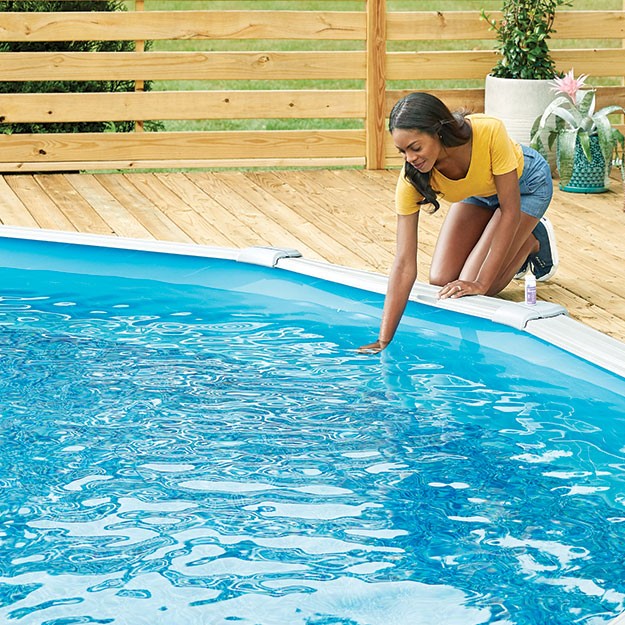
Maintaining clean swimming pool water is essential for health, safety, and enjoyment. Whether you own an in-ground, above-ground, or indoor pool, the quality of the water directly affects how often you use it. Clear, well-balanced swimming pool water feels refreshing and looks appealing. On the other hand, cloudy or poorly maintained water can cause skin irritation, eye discomfort, and even illness. Therefore, understanding how to manage chemical levels, filtration, and sanitation is crucial. Homeowners must monitor pH, chlorine, alkalinity, and calcium hardness regularly. These factors work together to keep the environment safe for swimmers.
Moreover, proper maintenance prevents costly repairs and extends equipment life. Algae growth, corrosion, and scale buildup damage surfaces and pumps. Over time, neglect leads to expensive cleanups or resurfacing. In contrast, consistent care reduces long-term expenses. Automatic cleaners, digital testers, and smart monitoring systems simplify daily tasks. Many modern pools connect to apps that send alerts when levels shift. This technology helps users respond quickly. Additionally, covering the pool when not in use minimizes debris and evaporation. Overall, investing time in swimming pool water upkeep ensures a longer-lasting, safer, and more enjoyable backyard experience.
 Understanding the Key Components of Healthy Pool Water
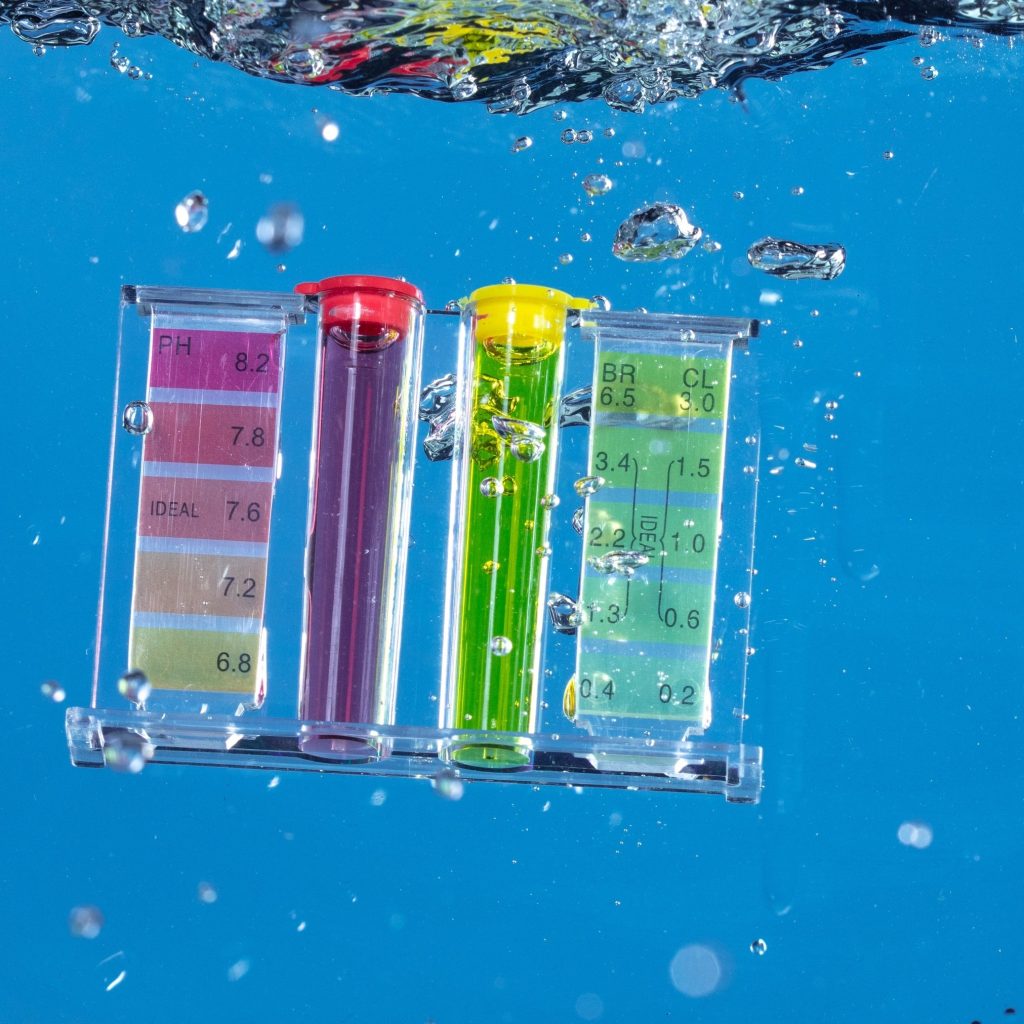
Healthy swimming pool water depends on several chemical and physical factors. First, pH balance plays a major role. The ideal range is between 7.2 and 7.6. If the water is too acidic, it irritates skin and damages metal parts. If it’s too alkaline, chlorine becomes less effective. Second, free chlorine levels must stay between 1–3 ppm. This kills bacteria, viruses, and algae. Without enough chlorine, harmful microbes thrive. Third, total alkalinity acts as a buffer. It stabilizes pH and prevents sudden swings. The recommended level is 80–120 ppm.
Next, calcium hardness should be monitored. Too little causes plaster erosion. Too much leads to scaling on tiles and heaters. The target range is 200–400 ppm. Cyanuric acid, also known as stabilizer, protects chlorine from sunlight. However, excessive amounts reduce chlorine efficiency. Most experts recommend levels below 80 ppm. Finally, water clarity matters just as much as chemistry. Cloudy water may indicate poor filtration or imbalanced chemicals. Regular testing with strips or digital kits keeps everything in check. By managing these components, you ensure your swimming pool water remains safe and pleasant.
How Chlorine Works to Sanitize Pool Water
Chlorine is the most widely used sanitizer for swimming pool water. It destroys pathogens like E. coli, salmonella, and cryptosporidium. When added to water, chlorine forms hypochlorous acid. This compound penetrates microorganisms and breaks them down. As a result, the water stays hygienic and safe for swimmers. There are different forms of chlorine available. Liquid bleach, granular shock, and chlorine tablets each serve specific purposes. Tablets offer slow release and are ideal for regular maintenance.
Granular chlorine works fast and clears up cloudy water quickly. It’s perfect after heavy rain or large gatherings. Liquid chlorine provides precise dosing without raising stabilizer levels. However, it degrades faster in sunlight. Therefore, using a stabilizer helps extend its effectiveness. Some people worry about strong odors. But the smell often comes from chloramines, not pure chlorine. These form when chlorine reacts with sweat, urine, or cosmetics. Shocking the pool breaks down chloramines and restores freshness. Regular use of chlorine keeps your swimming pool water sanitized and inviting.
 The Role of Filtration in Maintaining Water Clarity
Filtration is just as important as chemicals in keeping swimming pool water clean. The filter removes dirt, leaves, insects, and fine particles. Without it, debris would cloud the water and clog circulation systems. There are three main types: sand, cartridge, and diatomaceous earth (DE). Sand filters trap larger particles. They are affordable and easy to maintain. Backwashing reverses flow and flushes out trapped waste. Most require replacement every 5–7 years.
Cartridge filters capture finer particles than sand models. They don’t need backwashing. Instead, owners remove and hose off the cartridge. Cleaning takes only minutes. These filters are ideal for smaller pools or eco-conscious users. DE filters offer the highest level of clarity. They catch microscopic contaminants. However, they cost more and require more effort to maintain. Regardless of type, all filters need regular attention. Run the pump at least 8–12 hours daily. This ensures complete water turnover. A clean filter means clearer, healthier swimming pool water.
Circulation: Why Water Movement Matters
Proper circulation prevents dead zones in the pool. Stagnant areas allow algae and bacteria to grow. Even with perfect chemistry, poor flow leads to problems. Pumps move water through the filter and return it clean. Skimmers pull in surface debris before it sinks. Return jets push filtered water back into the pool. Adjust their direction to promote full movement. Pointing them downward creates a circular current. This helps distribute heat and chemicals evenly.
Additionally, circulation reduces stratification. Warm water sits on top while cooler water stays below. Constant flow mixes layers and maintains uniform temperature. It also prevents scum lines along the waterline. Organic oils from lotions and sweat break down faster when moving. Running the pump during daylight hours increases efficiency. Sunlight intensifies chlorine demand. Continuous filtration supports sanitation efforts. Solar-powered pumps offer energy-saving options. Timers automate operation and prevent forgetfulness. Good circulation keeps your swimming pool water balanced and clear.
Common Problems with Swimming Pool Water and How to Fix Them
Cloudy water is one of the most frequent issues. Causes include unbalanced chemicals, dirty filters, or poor circulation. Start by testing pH and chlorine levels. Adjust them if needed. Then clean or backwash the filter. Run the pump longer to improve turnover. Add a clarifier to bind tiny particles. They become large enough for the filter to catch. Another problem is green tint, which signals algae. Shock the pool with high-dose chlorine. Brush the walls and floor to loosen buildup. Use an algaecide as a preventive measure.
White or gray haze points to high calcium levels. Scale forms on tiles and ladders. Lower hardness gradually using a sequestering agent. Avoid harsh acids unless necessary. Musty smells often mean biofilm in pipes or filters. Deep clean all equipment and replace old cartridges. Pink slime is usually bacteria, not algae. It grows in corners and behind covers. Treat with specialized cleaners. Brown stains may come from metals like iron. Use a metal remover and avoid well water if possible. Addressing these problems early saves time and money. Consistent care prevents most issues from arising.
Preventive Maintenance Tips for Year-Round Quality
Prevention beats correction when managing swimming pool water. Test chemical levels at least twice a week. Use reliable test strips or liquid kits. Record results to track trends. Clean the skimmer basket daily. Remove leaves and bugs before they decompose. Check the pump strainer regularly. Ensure no blockages slow water flow. Rinse cartridge filters monthly. Replace them every 1–2 years. Sand filters need backwashing when pressure rises 8–10 psi above normal.
Shock the pool weekly, especially after heavy use or storms. This eliminates contaminants and chloramines. Brush walls and ladders to stop algae before it starts. Vacuum the floor to remove settled dust. Cover the pool when not in use. This keeps out debris and reduces evaporation. Trim nearby trees and plants. Falling leaves increase organic load. During winter, maintain proper chemistry even when closed. Uncover periodically to check conditions. A well-maintained system starts the next season smoothly. These habits keep your swimming pool water consistently clean.
 Alternative Sanitization Methods Beyond Chlorine
While chlorine dominates the market, alternatives exist for those seeking gentler options. Saltwater systems generate chlorine naturally. A salt cell converts salt into hypochlorous acid. The process is automated and produces softer-feeling water. Swimmers report less red eyes and dry skin. However, the system still uses chlorine—just in lower, steady doses. Initial setup costs more but pays off over time. Equipment requires cleaning every few months.
Mineral systems use copper and silver ions. Copper kills algae. Silver fights bacteria. These systems reduce reliance on chlorine. Users combine them with low-dose sanitizers. Ozone generators add another layer. They inject ozone gas into the water. This powerful oxidizer destroys pollutants fast. UV light systems disrupt DNA in microorganisms. They install inline with the filter. Together, these methods lower chemical needs. Some families prefer them due to sensitivities. Yet, no system replaces filtration. All still require some chlorine or backup sanitizer. Consider your needs before switching. Each option impacts swimming pool water differently.
 Frequently Asked Questions About Swimming Pool Water
How often should I test my pool water? Test pH and chlorine twice a week. Check other levels monthly.
Can I swim right after adding chemicals? Wait 15–30 minutes after adjusting pH or shocking.
Why does my pool turn green overnight? Algae spores multiply fast in warm, unbalanced water.
Is saltwater better than chlorine? It’s gentler but still produces chlorine.
How do I clear cloudy water? Balance chemicals, clean the filter, and run the pump longer.
Can rain affect my pool water? Yes. Rain lowers pH and adds debris. Test after storms.
Should I drain my pool every year? No. Partial draining and refilling is usually enough.
What causes white foam on the surface? Lotions, soaps, or algaecide residue. Use a defoamer.
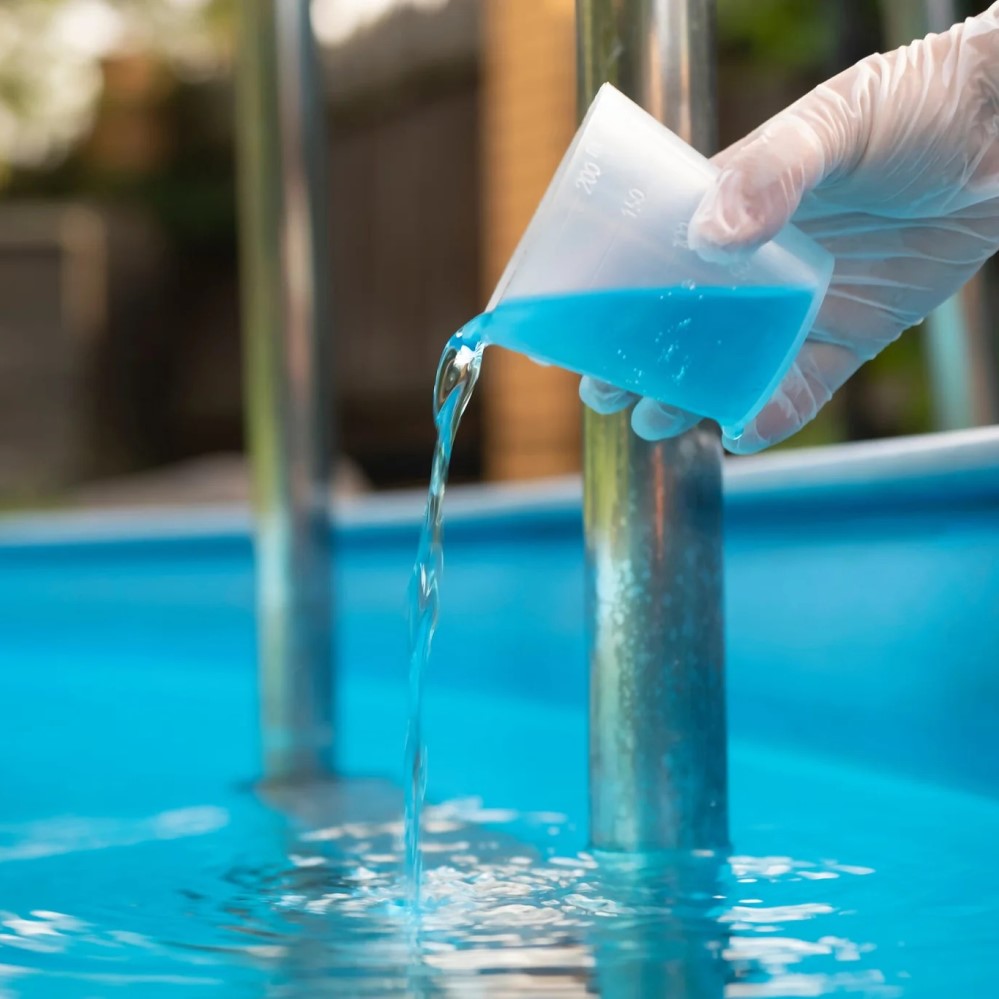 Summary: Ensuring Safe, Clear, and Enjoyable Swimming Pool Water
Clean swimming pool water is the foundation of a great swimming experience. It protects health, enhances comfort, and prolongs equipment life. Regular testing, proper filtration, and consistent circulation are non-negotiable. Whether using chlorine, salt, or mineral systems, balance is key. Address problems quickly and adopt preventive routines. Cover the pool, clean filters, and shock weekly. Educate family members on hygiene practices. Rinsing before entry reduces contamination. With the right care, your swimming pool water stays crystal clear. Enjoyment follows naturally. Make maintenance a habit, not a chore. Your pool will reward you with seasons of fun and relaxation.