Experiencing a rash after swimming in ocean water is more common than many realize. Swimmers often step out of the waves feeling refreshed, only to notice redness, itching, or bumps hours later. This reaction can range from mild irritation to painful welts. While seawater is natural, it contains elements that may trigger skin responses. Salt, microorganisms, pollution, and marine life all play potential roles. Therefore, a rash after swimming in ocean should not be ignored. It may signal exposure to irritants or an allergic response. Some cases resolve on their own. Others require treatment to prevent infection or worsening symptoms.
Moreover, environmental factors influence how likely someone is to develop a rash. Warmer waters tend to host more bacteria and jellyfish larvae. Polluted coastlines increase contact with chemicals or runoff. Crowded beaches increase the chances of coming into contact with contaminated sand. In addition, personal habits affect risk levels. Staying in wet swimwear too long traps moisture against the skin. Not rinsing off after swimming leaves salt and microbes behind. Pre-existing skin conditions like eczema or acne make the body more vulnerable. Children and people with sensitive skin face higher chances of reaction. Hence, understanding causes helps reduce future occurrences. Prevention starts with awareness and simple post-swim routines.
 Common Causes Behind Skin Irritation from Seawater
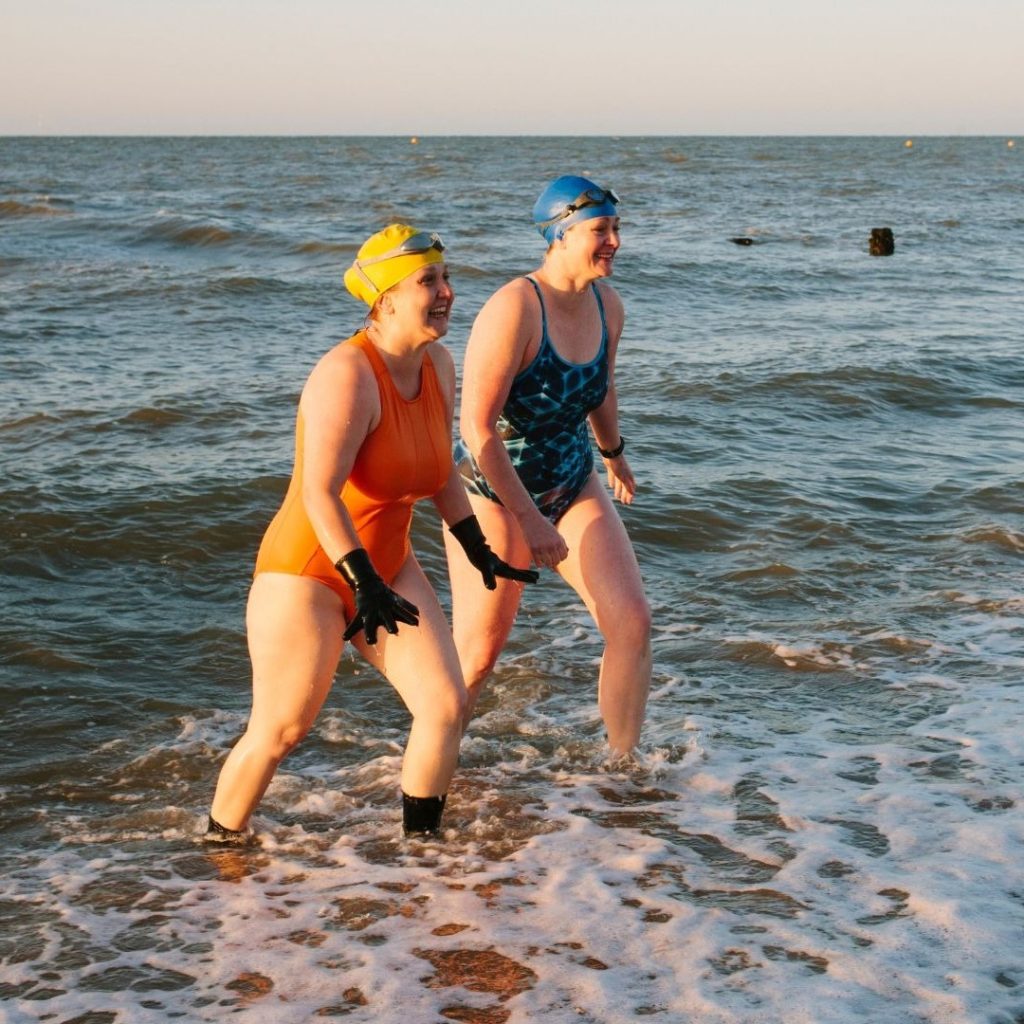
Several factors contribute to a rash after swimming in ocean environments. One major cause is seabather’s eruption. This occurs when tiny jellyfish or sea anemone larvae get trapped under swimsuits. As the water evaporates, the organisms sting the skin. The result is itchy red bumps, usually where fabric pressed against the body. Another issue is swimmer’s itch. Parasites from snails in shallow water burrow into the skin. They die quickly but leave behind irritation and small blisters.
Salt itself can dry out the skin. Prolonged exposure removes natural oils. This leads to flaking, tightness, or cracked areas. Open cuts or insect bites may worsen in salty conditions. Additionally, harmful algal blooms release toxins. These can cause rashes upon contact. Pollution from runoff introduces bacteria, oil, or industrial waste. Swimming near river outlets or urban shores increases exposure. Even sunscreen residue mixes with salt and sweat. This combination sometimes blocks pores and triggers breakouts. Each factor acts alone or combines with others. Identifying the source guides proper care and prevention.
How Marine Life Contributes to Post-Swim Rashes
Marine creatures are frequent culprits in causing a rash after swimming in ocean settings. Jellyfish, even in larval form, have stinging cells called nematocysts. When disturbed, these cells fire tiny harpoons into the skin. The venom causes pain, red lines, or raised welts. Man o’ war and Portuguese man-of-war deliver stronger reactions. Fire coral and sea nettles also provoke similar symptoms. Contact does not require direct touch. Broken pieces float in the water and drift onto swimmers.
Moreover, some animals are nearly invisible. Thimble jellyfish larvae cause seabather’s eruption. Swimmers often don’t feel the sting until hours later. The rash appears as clusters of red dots under the swimsuit. Similarly, microscopic mites from coastal plants may cling to skin. These pests thrive in warm, sandy zones. Stingrays sometimes whip their tails if startled. Their barbs carry venom that leads to swelling and inflammation. Even brushing against seaweed can transfer irritants. Certain types host tiny crustaceans or chemical defenses. Avoiding known danger zones reduces risk. Checking local warnings before entering the water is wise.
 Identifying Symptoms: What to Look For
Recognizing early signs helps manage a rash after swimming in ocean water. Initial symptoms include redness, warmth, or tingling on exposed areas. Itching often begins mildly but intensifies over time. Small bumps or hives may appear within hours. These can group into patches or spread across limbs. In more serious cases, blisters form. They may ooze fluid or become painful to touch. Swelling around joints or eyes requires urgent attention.
Some people experience systemic effects. Headaches, fever, or nausea suggest a deeper reaction. Swollen lymph nodes indicate immune system activity. Difficulty breathing or chest tightness signals anaphylaxis. Seek emergency help immediately if these occur. Mild rashes usually stay localized. They improve within a few days with basic care. However, infected areas show pus, increasing redness, or heat. Crusting or foul odor means medical evaluation is needed. Documenting symptom onset helps doctors diagnose accurately. Take photos if possible. Note when and where swimming occurred. Share this with healthcare providers for faster treatment.
Differentiating Between Allergic Reactions and Infections
It’s important to distinguish allergies from infections when dealing with a rash after swimming in ocean settings. Allergic reactions happen quickly. They often include widespread hives, swelling, or itching beyond the contact zone. Histamine release causes flushing and discomfort. Antihistamines usually reduce these symptoms. True allergies to marine toxins are rare but possible. Most cases involve sensitivity rather than full allergy.
Infections take longer to develop. Signs appear 24–72 hours after exposure. Red streaks moving up the arm or leg suggest cellulitis. Warmth, throbbing pain, and fever point to bacterial invasion. Staph or strep bacteria may enter through broken skin. Pseudomonas causes “hot tub rash,” but it also spreads in warm seawater. Infected rashes need antibiotics. Do not treat them with creams alone. Watch for spreading or worsening. If in doubt, consult a doctor. Early intervention prevents complications. Self-diagnosis carries risks. Professional assessment ensures correct treatment.
Immediate Steps to Take After Noticing a Rash
Act fast if you notice a rash after swimming in ocean water. First, remove your swimsuit right away. Trapped organisms can continue stinging. Rinse the area with clean, lukewarm water. Avoid hot showers—they open pores and increase irritation. Use gentle soap to wash off salt, sand, and residue. Pat dry with a soft towel. Do not rub the skin aggressively.
Next, apply a cool compress. A damp cloth lowers inflammation and soothes itching. Stay out of the sun. UV rays worsen inflamed skin. Wear loose, breathable clothing. Cotton shirts or pants reduce friction. Avoid scratching. Broken skin invites infection. Trim fingernails short if itching persists. Over-the-counter hydrocortisone cream helps mild cases. Calamine lotion or oral antihistamines reduce discomfort. Drink plenty of water to flush toxins. Rest and monitor changes closely. If symptoms grow worse, seek medical advice promptly.
Long-Term Care and When to See a Doctor
Most minor rashes clear up within a week. Continue gentle cleansing and moisturizing. Use fragrance-free lotions to restore hydration. Aloe vera or oat-based creams calm irritated areas. Avoid perfumed products or alcohol-based toners. They strip moisture and increase burning. Keep nails short to prevent accidental scratching. Sleep in soft pajamas to reduce nighttime irritation.
However, some situations require professional care. See a doctor if the rash spreads rapidly. Persistent fever or pus-filled blisters need antibiotics. Deep pain or swelling near joints could mean tissue damage. People with weakened immune systems face higher risks. Diabetics or those on steroids should not delay evaluation. Also, recurring rashes after every swim suggest chronic sensitivity. A dermatologist can perform patch testing. They identify specific triggers and recommend protection strategies. Never ignore persistent symptoms. Timely care prevents scarring or secondary infections.
 Preventive Measures to Avoid Future Rashes
Prevention is the best defense against a rash after swimming in ocean water. Start by choosing clean, monitored beaches. Check local health advisories before entering the water. Avoid areas with visible algae, foam, or dead fish. Swim during cooler parts of the day. Warmer water increases microbial activity. Limit time spent in shallow, stagnant zones where larvae gather.
Wear protective gear when possible. Rash guards or full-body swimsuits reduce skin exposure. These also block UV rays and minor stings. Change out of wet suits quickly. Rinse off thoroughly with fresh water after swimming. Shower within 30 minutes to remove irritants. Use mild soap and avoid scrubbing. Dry the skin gently. Apply moisturizer to lock in hydration.
Avoid touching marine life, even stranded animals. Dead jellyfish can still sting. Wash hands after handling fishing gear or rocks. Store towels and suits in dry bags. Damp fabric breeds bacteria. Rotate swimwear to allow full drying between uses. Carry a first-aid kit with antiseptic wipes and hydrocortisone. Be prepared for minor incidents. Teach children safe habits early. Prevention reduces risk significantly.
 Frequently Asked Questions
Can chlorine cause this type of rash? No. Chlorine rashes occur in pools. Ocean rashes come from salt, organisms, or pollution.
Is it safe to swim again after having a rash? Wait until fully healed. Re-exposure may worsen symptoms.
Do all oceans carry the same risk? No. Tropical waters have more jellyfish and parasites. Temperate zones pose fewer threats.
Can sunscreen prevent this rash? Not always. It protects against UV rays but not stings or bacteria.
How long does the rash last? Mild cases fade in 2–5 days. Severe ones may take two weeks.
Can I use vinegar on the rash? Yes, for jellyfish stings. Rinse with vinegar before washing. Avoid it on broken skin.
Are children more at risk? Yes. Their skin is thinner and more sensitive. Supervise closely.
Should I pop blisters? No. This increases infection risk. Let them heal naturally.
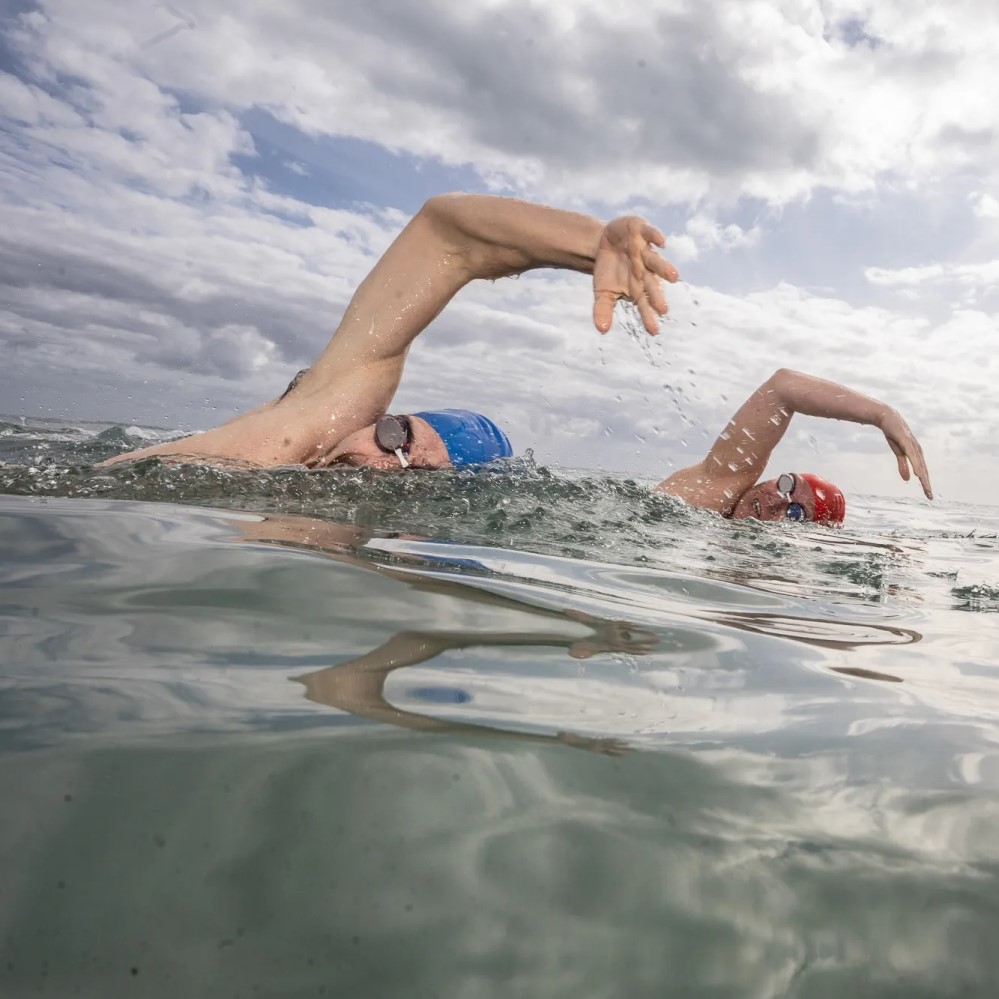 Summary: Protecting Your Skin While Enjoying the Ocean
A rash after swimming in ocean water is a common but manageable issue. Understanding causes helps prevent future problems. Whether due to marine life, salt, or pollution, most cases respond well to prompt care. Recognizing symptoms early leads to better outcomes. Simple steps like rinsing off and changing clothes make a big difference. Protective clothing and smart beach choices reduce exposure. For persistent or severe rashes, medical help ensures safe recovery. With proper knowledge, swimmers can enjoy the sea safely. Protect your skin, stay alert, and keep making memories by the shore.