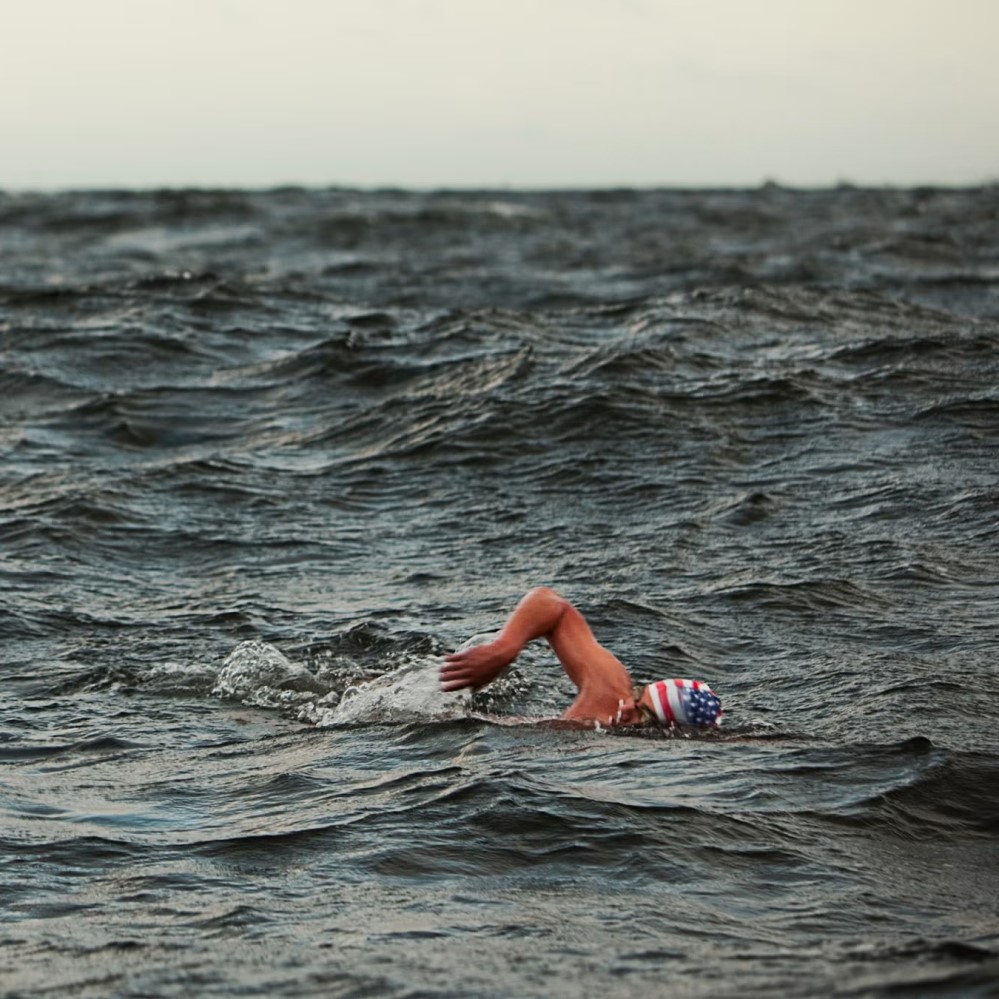
Ocean swimming is more than just a form of exercise. It’s an immersive experience that connects you with nature in a powerful way. Unlike pool swimming, where the environment is controlled and predictable, ocean swimming presents ever-changing conditions. Waves roll in at different speeds. Currents shift without warning. Saltwater buoys the body differently than chlorinated water. These elements make ocean swimming both thrilling and demanding. Many people are drawn to it for its freedom and sensory richness. The sound of waves, the cool touch of tides, and the vast horizon create a calming yet energizing atmosphere. Whether you’re gliding through gentle surf or training for open-water endurance, ocean swimming offers physical, mental, and emotional rewards.
Moreover, this activity has grown in popularity due to rising interest in outdoor fitness and mindful recreation. From casual beachgoers to competitive triathletes, swimmers of all levels now seek safe ways to enjoy the sea. Coastal communities host guided swims, safety workshops, and group events. Resorts offer lessons for tourists. At the same time, environmental awareness grows. Swimmers learn about marine life, pollution, and tidal patterns. They develop respect for the ocean’s power. This article explores everything related to ocean swimming, including safety practices, gear, health benefits, seasonal changes, and how to begin confidently.
 Why People Choose Ocean Swimming Over Pools
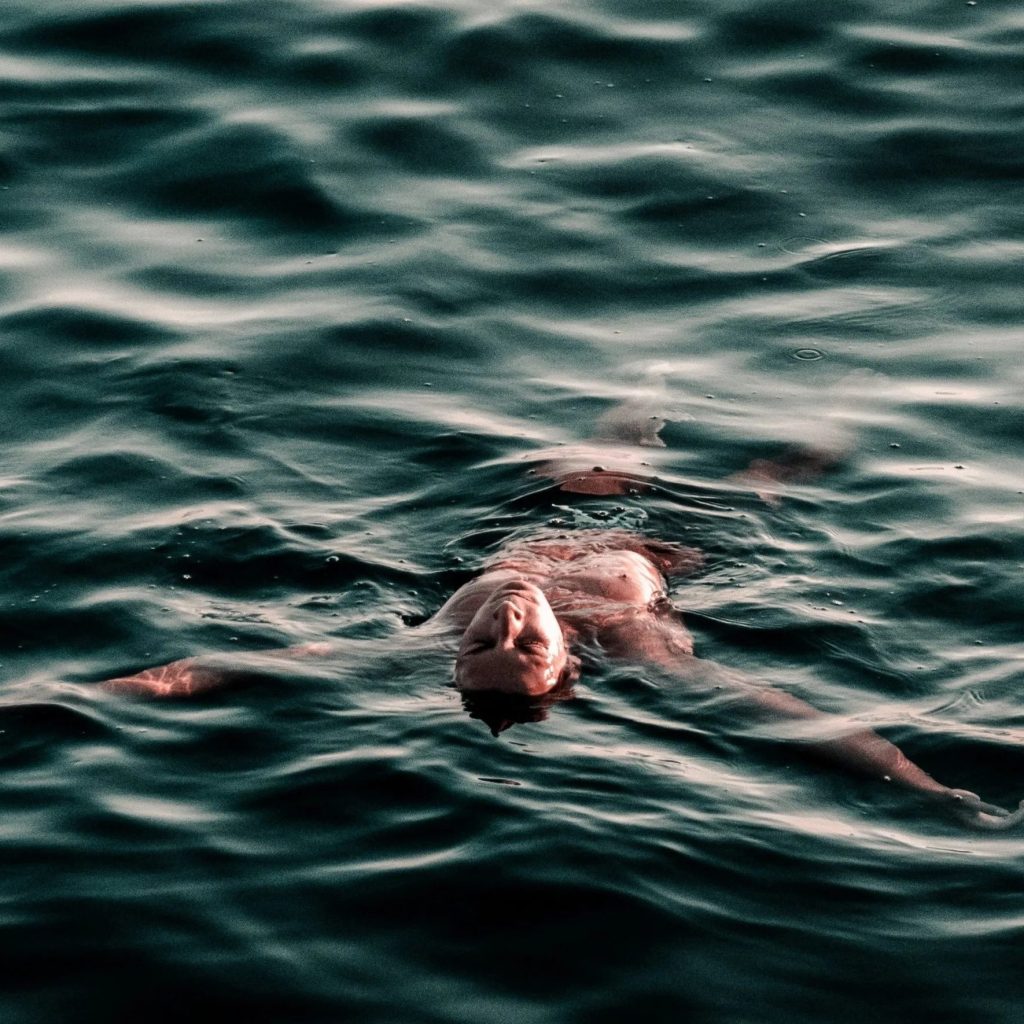
Freedom, Nature, and Mental Wellbeing
One major reason people prefer ocean swimming is the sense of freedom it provides. In a pool, lanes are straight. Walls mark every turn. The routine can feel repetitive. In contrast, the ocean stretches endlessly. There are no boundaries. You choose your direction. This openness brings mental relief. Many describe feeling “reset” after a swim.
Additionally, exposure to natural environments reduces stress. The rhythmic motion of waves calms the nervous system. Cold water triggers mild shock responses. These boost endorphins and alertness. Over time, regular swimmers report better sleep and mood stability.
Nature immersion plays a key role. Sunlight increases vitamin D. Sea air contains negative ions. These improve lung function and energy. Seeing fish, seaweed, or seabirds adds joy. Even brief encounters with marine life deepen appreciation.
Social aspects matter too. Group swims build community. Friends meet weekly. Families bond during beach outings. Some join clubs focused on cold-water challenges. Others train together for charity events.
Adventure drives others. Open water feels unpredictable. Each swim differs from the last. Tide strength, wave height, and visibility change daily. This keeps swimmers engaged.
Even fitness gains stand out. Fighting gentle resistance builds strength. Balance improves in moving water. Core muscles activate naturally.
Ultimately, ocean swimming offers something pools cannot—authentic connection.
Understanding Tides, Currents, and Water Conditions
How to Read the Ocean Before Entering
Before entering the water, swimmers must assess current conditions. The safest ocean swimming happens during slack tide. This period occurs between incoming (flood) and outgoing (ebb) tides. Water movement slows. Waves become less forceful. Visibility improves. Knowing local tide times helps plan entry. Most coastal areas publish tide charts online. Apps also provide real-time updates.
Rip currents pose serious risks. These narrow channels pull swimmers away from shore. They form near sandbars or jetties. Signs include discolored water, foam lines extending seaward, and gaps in wave patterns. If caught, do not panic. Swim parallel to the beach. Exit the current’s path. Then return to land.
Wind affects surface conditions. Onshore winds push water toward land. This creates larger breaking waves. Offshore winds smooth the surface but may carry swimmers outward. Check forecasts before leaving home.
Water temperature influences safety. Cold water causes shock. Breathing becomes rapid. Muscles stiffen. Acclimate slowly. Enter step by step. Stay close to shore at first. Warm layers help if exiting into wind.
Look for flags or signs at beaches. Red means danger. Yellow signals caution. Green allows swimming. Lifeguards post warnings for jellyfish, sharks, or pollution. Always obey them.
Watch wave patterns. Small, rolling waves suit beginners. Large crashing surf demands skill. Avoid diving headfirst into unknown waters.
Local knowledge matters. Talk to lifeguards or experienced swimmers. Ask about hidden hazards.
Respect the ocean. It rewards caution.
 Essential Gear
Wetsuits, Goggles, and Safety Accessories
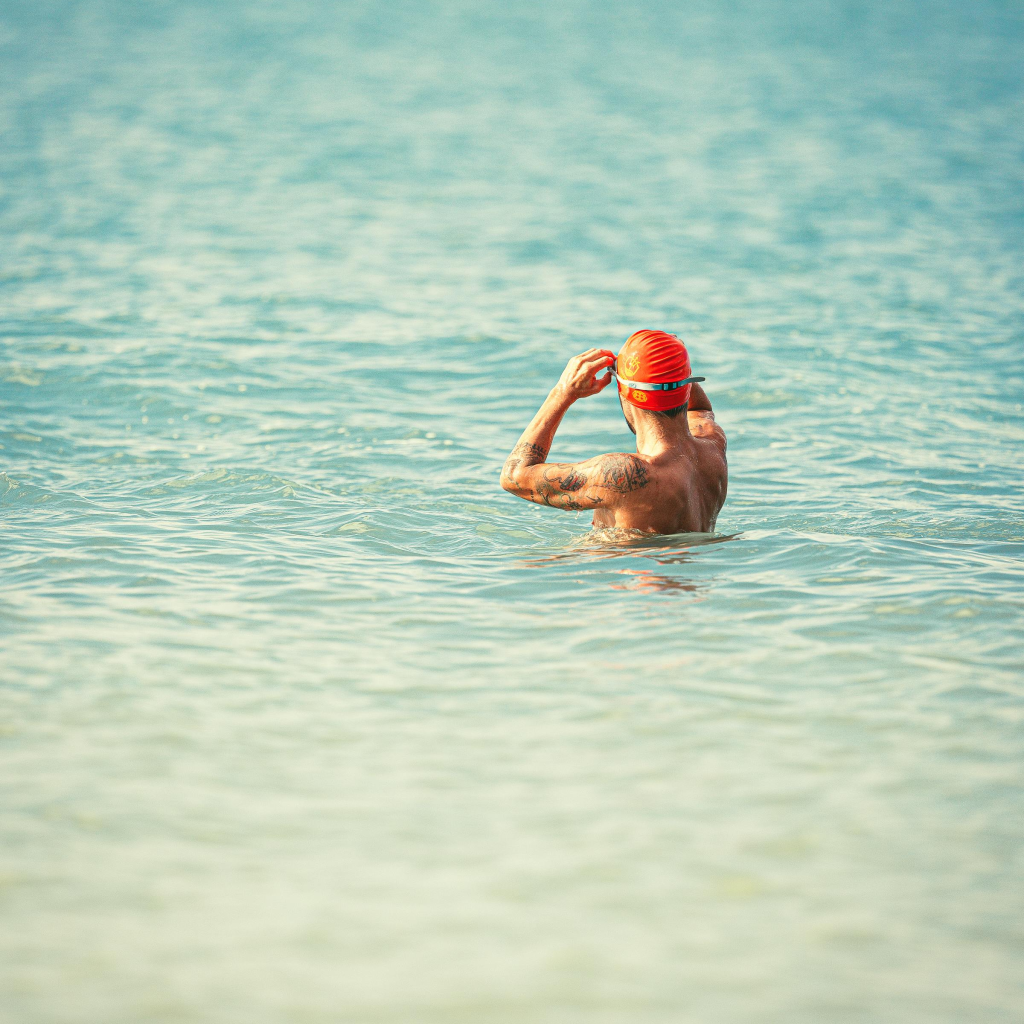
Having the right gear makes ocean swimming safer and more enjoyable. A wetsuit is often essential. It traps a thin layer of water next to the skin. Body heat warms this layer. Thermal insulation follows. Neoprene thickness varies. Three millimeters work for mild climates. Five millimeters suit colder regions. Full suits cover arms and legs. Shorties offer flexibility in warm seasons.
Goggles are crucial. Saltwater irritates eyes. A good pair seals tightly. Anti-fog coating prevents clouding. UV protection shields against glare. Choose mirrored lenses for bright days. Clear ones work in low light. Test fit before buying. Leaks ruin focus.
A swim cap improves comfort. Silicone caps stretch well. They resist salt damage. Bright colors increase visibility. Some add thermal linings. These help retain heat in winter.
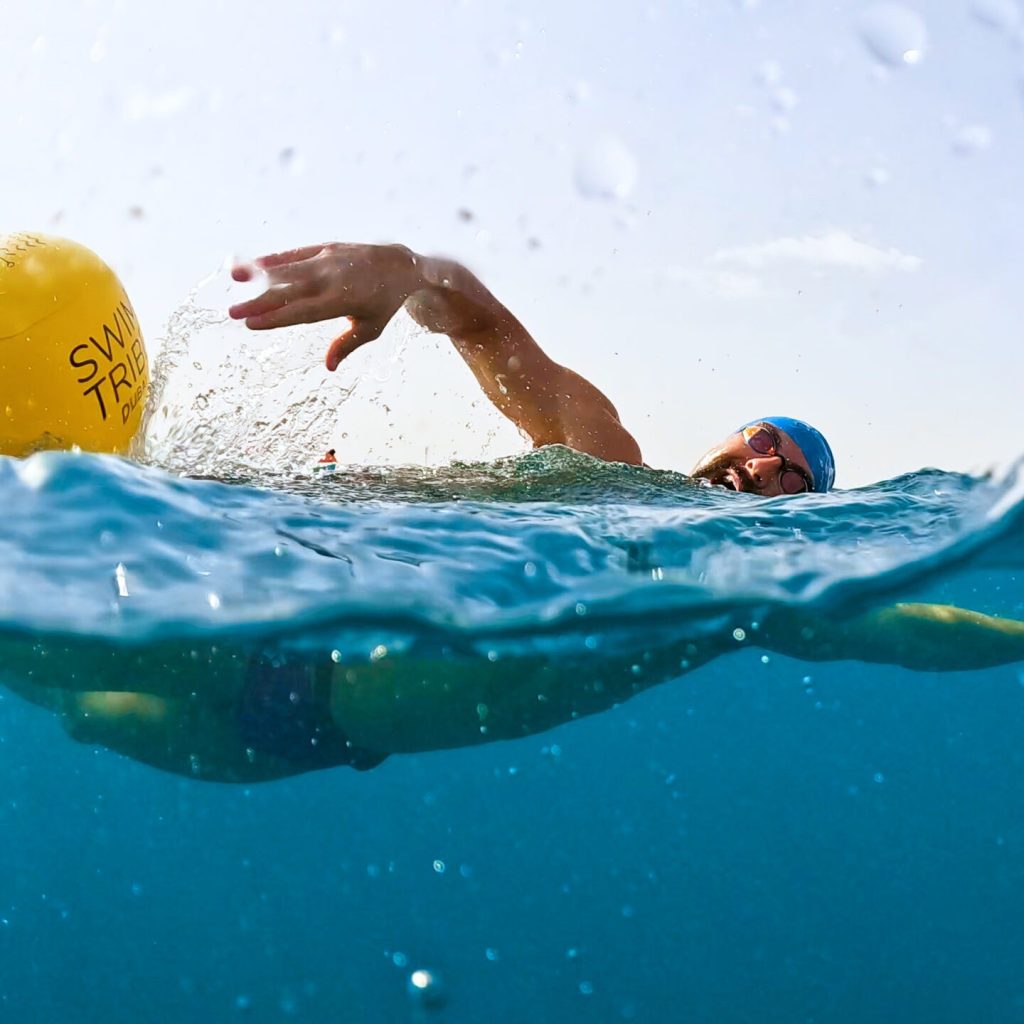
Swim buoys serve dual purposes. They act as floatation aids. Tired swimmers rest on them. They also increase visibility. Boats spot bright orange or yellow buoys easily. Many models include dry storage. Keep keys or phones safe.
Fins enhance propulsion. They reduce leg fatigue. Use short blades for control. Long fins suit long-distance efforts. Practice in calm water first.
Shoes protect feet. Rocky shores cut soles. Coral scrapes cause infection. Closed-toe aqua shoes grip slippery rocks.
Earplugs prevent surfer’s ear. Cold water entering ear canals leads to bone growth. Silicone plugs block flow. Custom molds offer best fit.
Never underestimate preparation. Proper gear saves lives.
Health Benefits of Regular Ocean Swimming
Physical Fitness, Immunity, and Mental Clarity
Regular ocean swimming delivers wide-ranging health benefits. Physically, it strengthens the heart and lungs. Cardiovascular endurance increases over time. The resistance of water engages more muscle groups than land-based workouts. Shoulders, back, core, and legs all work continuously. This full-body activation burns calories efficiently.
Cold exposure trains the immune system. Repeated dips stimulate white blood cell production. Inflammation markers decrease. Many swimmers report fewer colds and allergies. Recovery from illness speeds up.
Breathing adapts quickly. Sudden cold triggers gasping. With practice, breath control improves. Swimmers learn paced inhalation. This builds resilience. Diaphragmatic breathing becomes automatic.
Mental clarity sharpens. Time in nature reduces cortisol levels. Stress fades. Anxiety symptoms lessen. Depression management improves with consistent routine. The combination of movement, sunlight, and solitude supports emotional balance.
Cold water shocks the vagus nerve. This regulates parasympathetic response. Calm states follow intense moments. Mood elevation lasts hours.
Sleep quality rises. Body temperature drops after exit. This signals rest. Deep sleep increases. Nightmares reduce.
Confidence grows. Mastering open water builds self-trust. Overcoming fear boosts courage.
Joint-friendly by nature, ocean swimming avoids impact. Arthritis sufferers find relief. Buoyancy reduces strain.
Children benefit too. Outdoor play enhances development. Risk assessment skills grow.
Balance physical challenge with mindfulness.
 Seasonal Changes
Summer vs Winter Conditions and Preparation
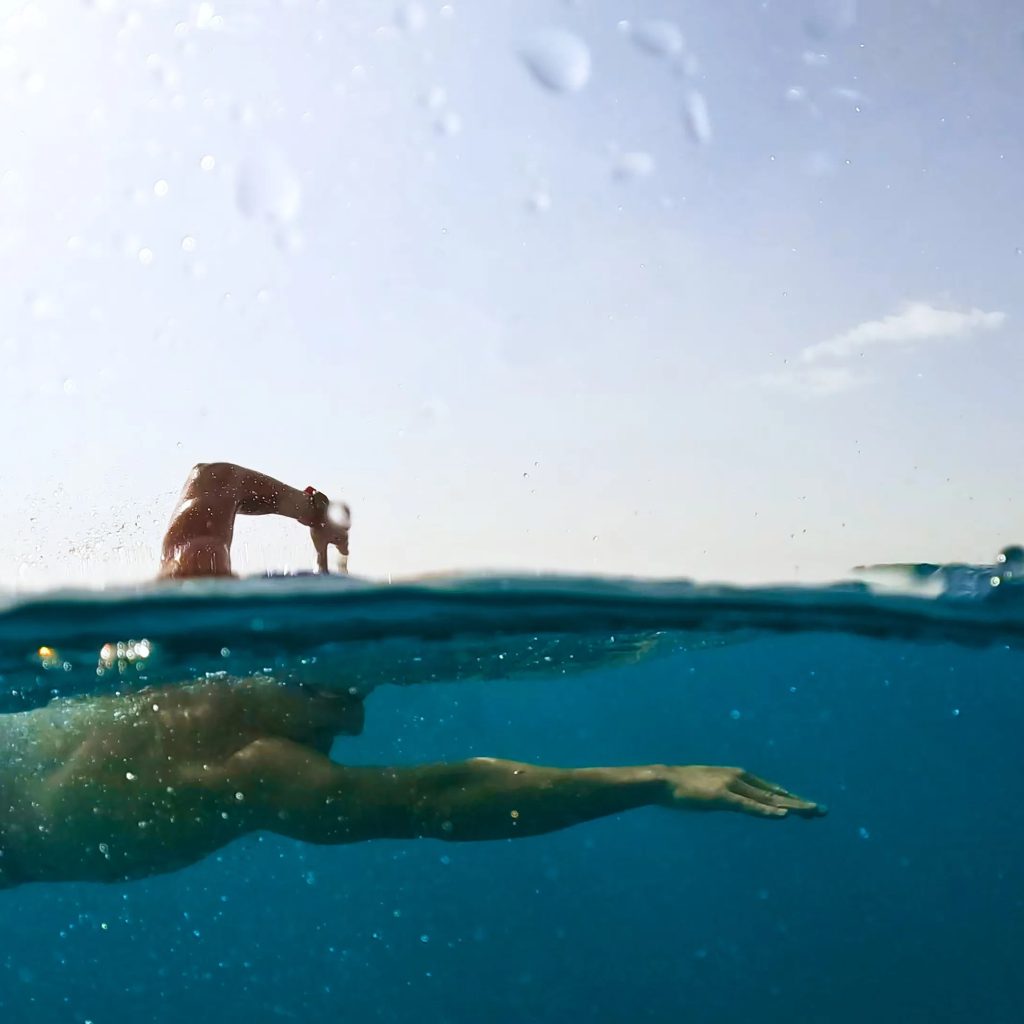
Seasons dramatically affect ocean swimming experiences. Summer brings warmer temperatures. Air and water feel pleasant. Beaches fill with families. Beginners enter safely. Waves tend to be gentler. Sunlight extends swimming hours. However, crowds increase risk. Distractions rise. Rip currents still exist. Always stay aware.
In contrast, winter swimming attracts dedicated enthusiasts. Cold plunges gain global attention. Ice baths promote recovery. Some join polar bear clubs. Events occur on New Year’s Day. Participants sprint into frigid water. They exit within seconds. Medical supervision is common.
Winter requires more preparation. Layer clothing before and after. Towels, robes, and hot drinks aid rewarming. Wet suits must be sealed. Zippers need checks. Hooded versions protect ears. Gloves maintain dexterity.
Daylight shrinks. Plan early entries. Carry lights if returning late. Reflective gear helps drivers see you.
Sea life shifts with seasons. Jellyfish bloom in warm months. Avoid contact. Sting treatment kits should be nearby. Seals and dolphins appear more in cooler times. Observe from distance.
Algae levels vary. Red tides produce toxins. Authorities issue warnings. Never swim in discolored or foul-smelling water.
Wind patterns change. Storms bring high surf. Avoid swimming during gales. Lightning poses extreme danger. Exit immediately if thunder is heard.
Adapt routines seasonally.
Prepare mentally and physically.
Tips for Beginners Starting Ocean Swimming
Building Confidence and Learning Safely
Starting ocean swimming can feel intimidating. First, visit guarded beaches. Lifeguards monitor conditions. They assist in emergencies. Learn flag systems. Understand what each color means. Ask questions.
Begin with short sessions. Wade first. Let your body adjust. Walk into waist-deep water. Feel wave pressure. Return when unsure.
Practice floating. Lie on your back. Breathe slowly. Trust buoyancy. Saltwater lifts more than fresh. Relaxation prevents sinking.
Enter feet-first. Never dive unless you know depth. Hidden rocks lie beneath waves. Strong surf knocks people down. Crawl under breaking waves. Stand once past them.
Stay close to shore. Swim parallel to land. Avoid going straight out. Use landmarks to track position.
Buddy up. Never swim alone. A partner watches for trouble. Hold hands in rough water. Signal clearly.
Start on calm days. Low wind and small waves build confidence. Avoid storms or heavy rain.
Learn basic strokes. Freestyle works best. Breaststroke helps in choppy water. Roll onto your back if tired. Float until recovered.
Take lessons. Certified instructors teach open-water skills. Classes cover safety, technique, and rescue.
Celebrate small wins. Every minute counts.
 Frequently Asked Questions
Common Concerns About Ocean Swimming
Is ocean swimming safe for kids? Yes. Supervise closely. Use shallow zones. Teach floating early.
Can I get sick from ocean water? Rarely. Avoid polluted areas. Watch for algae blooms. Shower after swimming.
Do sharks attack swimmers? Extremely rare. Most avoid humans. Swim in groups. Avoid dawn/dusk.
How long should my first swim be? Start with 5–10 minutes. Increase gradually. Listen to your body.
What if I panic in water? Roll onto your back. Float. Breathe. Call for help. Stay calm.
Are wetsuits necessary? Not always. Use based on temperature. Cold water needs protection.
Can I wear contact lenses? Possible. But goggles may dislodge them. Try prescription goggles.
Where should I start? Choose lifeguarded beaches. Join beginner groups. Take a course.
 Final Thoughts
Why Ocean Swimming Is a Lifelong Practice Worth Pursuing
Ocean swimming is more than a workout. It’s a lifelong journey of discovery, resilience, and harmony with nature. Whether you seek fitness, peace, or adventure, the sea offers something unique. By learning tides, using proper gear, and respecting conditions, anyone can enjoy its gifts. From summer dips to winter plunges, the rhythm of the waves invites return. The ocean swimming experience changes with every tide. Yet, its ability to refresh body and mind remains constant. With care and awareness, it becomes not just a hobby—but a way of life.