Swimming pool bugs types are a common concern for homeowners who maintain outdoor pools. Even with regular cleaning, various insects and small creatures can appear in or near the water. Some simply fall in by accident. Others are attracted to moisture, light, or organic debris. Identifying these pests helps you take the right steps to remove them and prevent future infestations.
Understanding swimming pool bugs types is essential for proper maintenance. Many bugs cannot survive long in chlorinated water. However, their presence may indicate imbalances in sanitation or nearby breeding grounds. Left unmanaged, they can become more than just a nuisance. They might affect water quality or signal deeper issues with your filtration system. Therefore, knowing what you’re dealing with makes all the difference.
 Why Insects Are Drawn to Swimming Pools
Moisture, Light, and Organic Attraction Explained
Many swimming pool bugs types are naturally drawn to wet environments. Mosquitoes, for example, need standing water to lay eggs. If your pool isn’t circulating properly, it becomes an ideal breeding site. Other bugs like water boatmen and backswimmers seek out aquatic habitats for survival. They swim efficiently and feed on algae or smaller organisms.
Light also plays a major role. Outdoor pool lights attract nocturnal insects. Moths, beetles, and flies gather around bright areas at night. Once there, some fall into the water and struggle to escape. Over time, dead bugs accumulate, increasing organic load. This forces your filter to work harder.
Organic material in the water acts as another magnet. Leaves, grass clippings, and oils from lotions feed bacteria and algae. These growths then attract more bugs. For instance, midges swarm around algal blooms. Their larvae thrive in nutrient-rich conditions. Removing debris reduces this food source.
Additionally, nearby gardens or ponds contribute to insect traffic. Bees and wasps visit pools to collect water for their hives. They usually leave after a short drink. Still, their presence can be alarming during gatherings. Addressing surrounding landscaping helps minimize visits.
Therefore, controlling attraction factors limits bug activity. Keep water moving, reduce lighting when possible, and cover the pool at night. Simple changes make a big impact over time.
Common Swimming Pool Bugs Types You Might See
Identification Guide for Frequent Water Visitors
One of the most frequently seen swimming pool bugs types is the mosquito. Adult mosquitoes hover above the surface. Their larvae, called “wigglers,” wriggle just below. These develop quickly in stagnant water. A neglected pool can host hundreds within days.
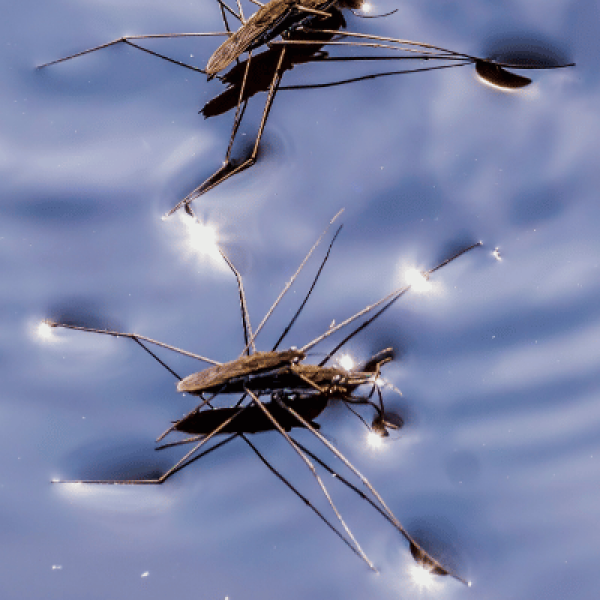
Water boatmen are another common sight. They swim upside down and look like tiny dark beetles. These bugs feed on algae and decaying matter. While harmless, large numbers suggest poor water balance. They do not bite humans.
Backswimmers resemble water boatmen but move right-side up. They are predators and can deliver a painful bite if handled. These bugs hunt other insects and small aquatic life. Finding them means your pool supports complex micro-ecosystems.
Springtails jump when disturbed. They don’t swim but gather near damp edges. Often found on wet tiles or pool decks, they feed on mold and fungi. High humidity attracts them. Though not dangerous, their presence hints at moisture buildup.
Dragonflies and damselflies sometimes patrol pool areas. They don’t live in the water as adults. However, their nymphs grow underwater before emerging. Seeing them often means nearby natural water sources exist.
Gnats and midges form swarms near the surface. Their larvae develop in shallow, warm spots. Poor circulation zones allow them to thrive. Turning on jets or fountains disrupts their habitat.
Lastly, earwigs and ants may fall in while exploring. They can’t swim and drown quickly. Regular skimming removes them before they decompose. Recognizing each type guides effective treatment.
 How to Tell Harmless Bugs from Problematic Ones
Assessing Risk and Health Implications
Not all swimming pool bugs types pose a threat. Some are merely accidental visitors. Water boatmen, for example, cannot bite or sting. They enter seeking food and leave when conditions change. Observing behavior helps determine risk level.
On the other hand, backswimmers can pinch skin if trapped against the body. Their bite feels sharp but rarely causes lasting harm. Still, swimmers should avoid grabbing them. Skim them out gently instead.
Mosquitoes are among the most concerning. They carry diseases like West Nile virus and Zika. Preventing breeding is critical. Standing water anywhere on your property must be eliminated. Even flower pots or clogged gutters can become nurseries.
Earwigs and centipedes may scare swimmers. Yet, they do not target humans. These bugs fall in while hiding in damp areas. They die quickly in chlorinated water. No health risk exists unless someone has an allergy.
Midges and gnats annoy people but don’t bite. Swarms look troubling but disperse easily. Bright lights attract them. Use yellow or motion-sensor lights to reduce draws.
Wasps and bees near the pool can be dangerous. They become aggressive if startled. Never swim where nests are present. Call pest control to safely remove them.
Algae-eating bugs like springtails are actually beneficial. They break down organic films. However, too many mean excess nutrients in the area. Clean surfaces and check sanitizer levels.
Ultimately, context matters. Occasional bugs are normal. Persistent populations require action. Knowing which ones to ignore—and which to treat—saves time and worry.
Preventing Bug Infestations in Your Pool
Proactive Steps to Keep Pests Away
Prevention starts with consistent water circulation. Run your pump daily, especially at night. Moving water discourages egg-laying insects. Stagnant zones become weak points. Eliminate them with proper flow.
Maintain correct chlorine and pH levels. Most bugs avoid sanitized environments. Test water two to three times per week. Adjust chemicals promptly when needed. Shock treatments once a week help destroy hidden contaminants.
Cover your pool when not in use. A solid or mesh cover blocks insects from entering. It also stops leaves and dust from building up. Less debris means fewer food sources for bugs.
Trim nearby trees and shrubs. Overhanging branches drop leaves and shelter pests. Keep foliage at least three feet from the pool edge. This reduces shade and landing spots.
Install pool-friendly lighting. Avoid white bulbs that attract flying insects. Switch to yellow or LED amber lights. Position fixtures away from direct water views.
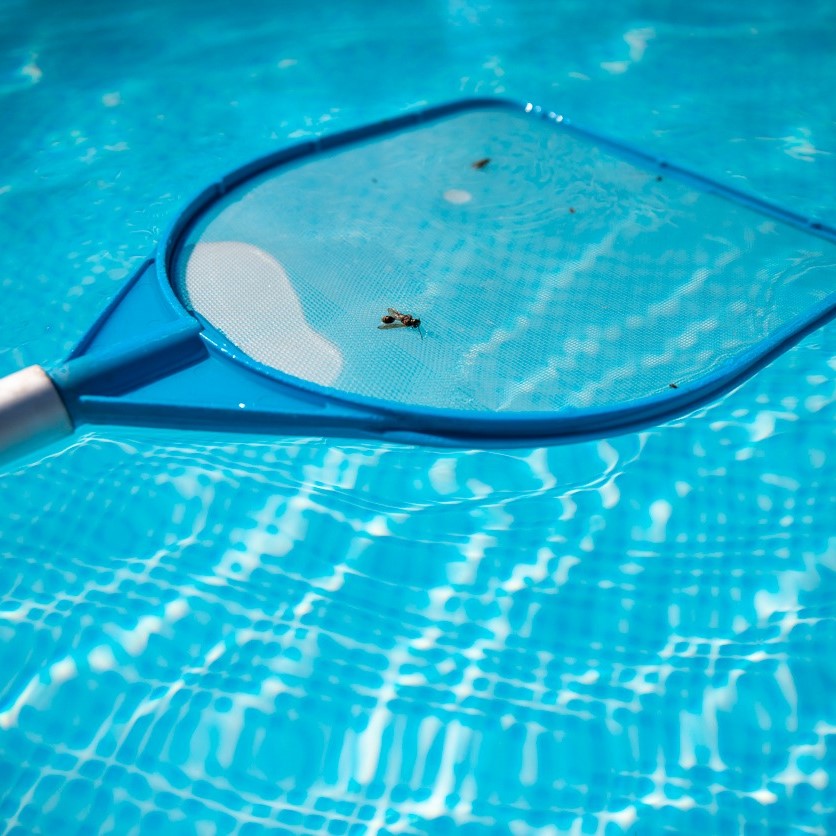
Use a fine-mesh skimmer sock. It captures tiny bugs and larvae before they spread. Change it every few days during peak seasons. Pair it with a leaf rake for full surface control.
Clean filters regularly. Clogged filters reduce water turnover. Dirt builds up, creating hiding places. Rinse cartridges monthly or backwash sand filters as needed.
Eliminate other standing water on your property. Empty buckets, plant saucers, and toys after rain. Check for blocked drains or low spots in the yard. Every bit of still water counts.
With these habits, bug problems shrink dramatically. Prevention beats reaction every time.
 Natural and Chemical Solutions for Bug Control
Safe and Effective Treatment Options
When bugs appear, act fast with safe solutions. Start with natural methods whenever possible. Introduce mosquito dunks containing Bacillus thuringiensis israelensis (BTI). These kill larvae without harming people or pets. Drop them in skimmer baskets or floating dispensers.
Diatomaceous earth works well around pool decks. Sprinkle food-grade powder in damp corners. It dehydrates soft-bodied insects like ants and earwigs. Reapply after rain or heavy watering.
Essential oil sprays repel some bugs. Peppermint, eucalyptus, and citronella deter mosquitoes and flies. Mix with water and spray perimeter zones. Avoid putting oils directly in the pool. They can create foam and clog filters.
For heavier infestations, chemical algaecides help. Algae growth feeds many bugs. Killing it removes their food source. Choose non-copper formulas to avoid staining.
Chlorine shock treatments destroy organic waste. Double or triple shock kills hidden larvae and germs. Do this at dusk when sunlight won’t degrade chlorine fast.
Avoid broad-spectrum pesticides near the pool. These can drift into the water. They harm beneficial insects and upset ecosystem balance. Spot-treat only where necessary.
UV clarifiers and ozone systems add extra protection. They break down contaminants that attract pests. These systems reduce reliance on harsh chemicals. Long-term water quality improves.
Always follow label instructions. Never mix products unless approved. Store chemicals safely away from children and pets.
Combining natural and chemical tools gives best results. Balance safety with effectiveness.
 Frequently Asked Questions
Answers to Top Homeowner Concerns
Do bugs in my pool mean it’s dirty? Not always. Even clean pools attract occasional insects. However, large numbers suggest maintenance gaps. Check filtration, sanitizer, and circulation.
Can bugs survive in chlorinated water? Most cannot. Chlorine kills many on contact. But some, like mosquito larvae, resist low levels. Maintain 2–4 ppm free chlorine to stay safe.
Should I drain the pool if I see bugs? No, draining isn’t necessary. Skim, shock, and balance instead. Draining wastes water and risks structural damage in vinyl or fiberglass pools.
Are water boatmen harmful? No, they don’t bite or spread disease. They eat algae. Large groups mean high organic content. Improve cleaning routines to reduce them.
How do I stop mosquitoes from breeding? Keep water moving. Add BTI dunks weekly. Remove floating debris. Cover the pool nightly. Eliminate other standing water nearby.
Can bugs damage my pool equipment? Indirectly, yes. Dead bugs clog filters and pumps. Organic decay increases chemical demand. Skim often to protect machinery.
Will fish in my pool eat bugs? Some owners use goldfish or minnows in ornamental pools. They eat larvae but aren’t suitable for chlorinated swimming pools. Stick to chemical and mechanical controls.
These answers clarify common confusion. Knowledge leads to better care.
 Final Thoughts
Keeping Your Pool Clean, Safe, and Enjoyable
Managing swimming pool bugs types doesn’t have to be overwhelming. With routine care and awareness, most issues stay under control. Identify what you’re seeing. Then apply targeted solutions. Prevention remains the strongest tool.
A healthy pool repels most pests naturally. Balanced water, strong circulation, and clean surfaces discourage infestations. Combine smart habits with timely treatments. Long-term success follows.
Remember, not every bug is a crisis. Some pass through by accident. Others reveal fixable flaws in maintenance. Respond calmly and logically. Avoid over-treating with harsh chemicals.
The goal is enjoyment, not perfection. A few bugs now and then won’t ruin your summer. What matters is consistency. Stay on top of skimming, testing, and covering.
In conclusion, understanding swimming pool bugs types empowers better decisions. You protect your investment and your family’s comfort. A clean, inviting pool awaits—one free of unwanted guests.