Swimming gloves have become a popular tool among competitive swimmers, fitness enthusiasts, and rehabilitation patients. These specially designed hand covers enhance water resistance, improve stroke technique, and increase upper body strength. Unlike regular gloves, swimming gloves are made from neoprene, spandex, or mesh materials that stay lightweight in water.
Moreover, they offer more than just performance benefits. Many users wear swimming gloves to protect healing skin, reduce joint strain, or maintain warmth in cold pools. Whether you’re training for a triathlon or recovering from injury, these accessories provide practical support. As awareness grows, so does interest in the true value of swimming gloves.
 Enhancing Stroke Efficiency and Power
How Resistance Builds Stronger Muscles
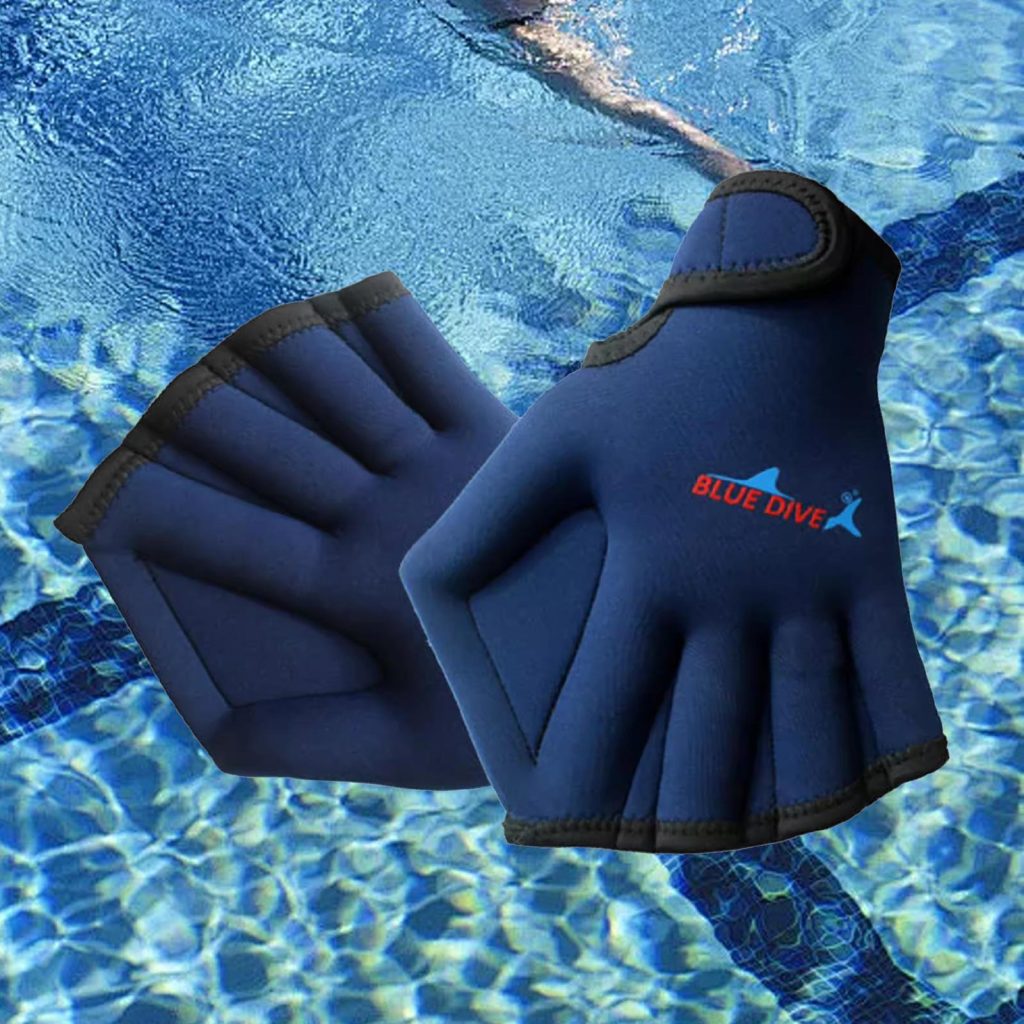
One of the main reasons athletes use swimming gloves is to increase drag during each stroke. This added resistance forces arm muscles to work harder. Over time, this leads to improved strength and endurance.
The gloves cover fingers and palms while allowing full flexibility. Water flows through small perforations or mesh panels. This creates pressure without restricting movement.
Front crawl and butterfly strokes benefit the most. These techniques rely heavily on hand propulsion. With swimming gloves, each pull becomes more powerful.
Additionally, muscle memory improves with consistent use. Swimmers develop better hand placement and timing. They learn to catch water more effectively.
Coaches often recommend them for short-distance training sets. Using them two to three times per week prevents overuse injuries. Results appear within weeks.
Beginners may find them challenging at first. The increased load changes stroke rhythm. However, adaptation happens quickly with practice.
Therefore, swimming gloves serve as excellent tools for building aquatic power. They turn routine laps into intense workouts.
Types of Materials Used in Design
Comparing Neoprene, Mesh, and Spandex
Not all swimming gloves are made the same. Material choice affects fit, function, and durability. Understanding the differences helps buyers make informed decisions.
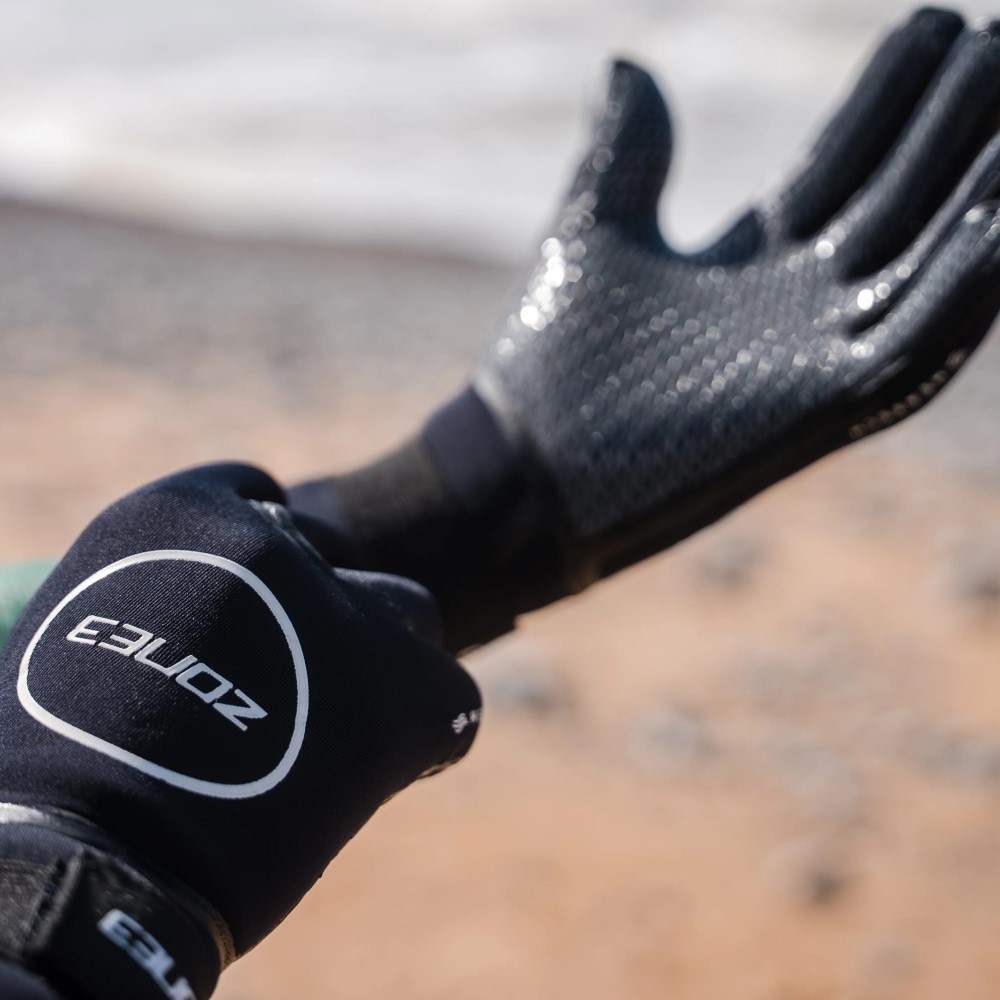
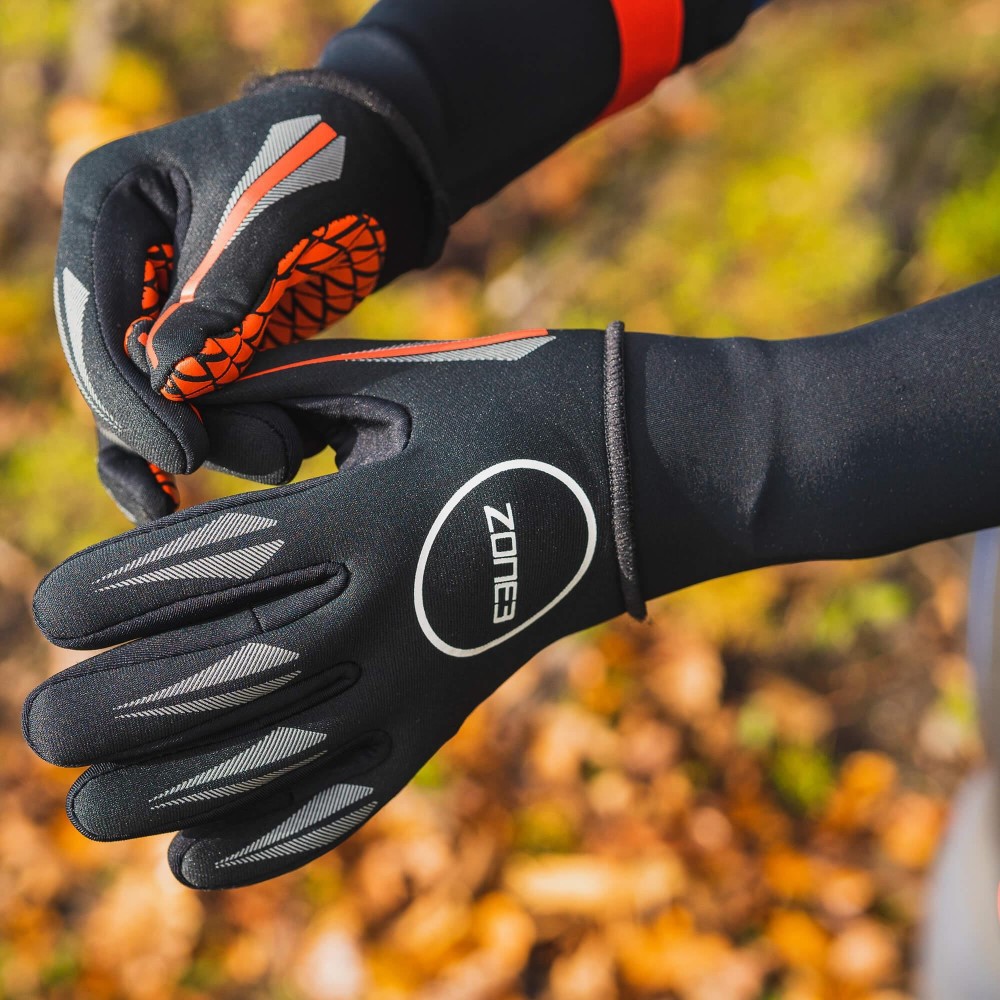
Neoprene gloves offer insulation and mild resistance. They keep hands warm in cool pools. Divers and open-water swimmers prefer them for comfort.
Mesh gloves focus purely on training. Their open-weave design increases water drag significantly. Each stroke feels heavier. This builds upper body strength faster.
Spandex gloves provide compression and light support. They fit snugly like a second skin. Some models include finger separators for natural alignment.
Hybrid versions combine materials. A neoprene back with mesh palms balances warmth and resistance. These suit varied conditions.
Stitching quality matters too. Flatlock seams prevent chafing. Reinforced fingertips resist wear. Poor construction leads to early tearing.
Breathability varies by fabric. Mesh dries fastest. Neoprene retains moisture longer. Air drying after use extends lifespan.
Thus, selecting the right material depends on your goal. Warmth, resistance, or protection—all influence your choice. Each type serves a unique purpose.
 Benefits for Injury Recovery and Joint Support
Why Therapists Recommend Swimming Gloves
Physical therapists often suggest swimming gloves for patients with wrist or hand injuries. The gentle resistance supports rehab without impact stress.
For example, those recovering from carpal tunnel syndrome use them during low-intensity sessions. The water cushions joints. The gloves add slight load for rebuilding strength.
Arthritis sufferers also benefit. The compression reduces swelling. Warmth from neoprene eases stiffness. Movement in water increases flexibility.
Post-surgery patients start with short intervals. Five to ten minutes of easy laps build confidence. Gloves help retrain motor skills safely.
Some models include thumb stabilization. This protects ligaments during recovery. Others limit finger splay to prevent strain.
Because water therapy is low-impact, it’s ideal for long-term rehab. Swimming gloves enhance its effectiveness. They allow controlled progression.
Patients report less pain and greater range of motion. Daily consistency leads to measurable gains.
Hence, swimming gloves are not just for athletes. They play a vital role in medical recovery and mobility improvement.
Use in Competitive Swim Training
How Elite Athletes Integrate Them Into Routines
Many elite swimmers incorporate swimming gloves into their weekly training cycles. Coaches use them strategically to boost performance.
They typically appear during strength-focused phases. For instance, a swimmer might wear them during pull sets with a kickboard. This isolates upper body effort.
Resistance levels vary by glove style. High-drag models are used sparingly. Lighter versions support longer distances. Rotation keeps muscles adapting.
Timing matters. Most programs limit glove use to two sessions per week. Overuse can lead to shoulder fatigue or poor stroke mechanics.
Video analysis often follows glove sets. Trainers review hand entry, pull path, and exit. Improved force application shows up clearly.
Some teams use color-coded gloves. Red means high intensity. Blue signals active recovery. This system streamlines communication.
Even Olympic-level swimmers rely on them. Though not allowed in races, they remain essential tools behind the scenes.
Therefore, swimming gloves contribute directly to race-day success. They shape stronger, more efficient strokes.
 Choosing the Right Fit and Size
What to Consider Before Buying
Selecting the correct size ensures comfort and effectiveness. Gloves that are too tight restrict blood flow. Loose ones slip off or cause blisters.
Most brands follow standard sizing charts. Measure hand circumference around the knuckles. Compare results to manufacturer guidelines.
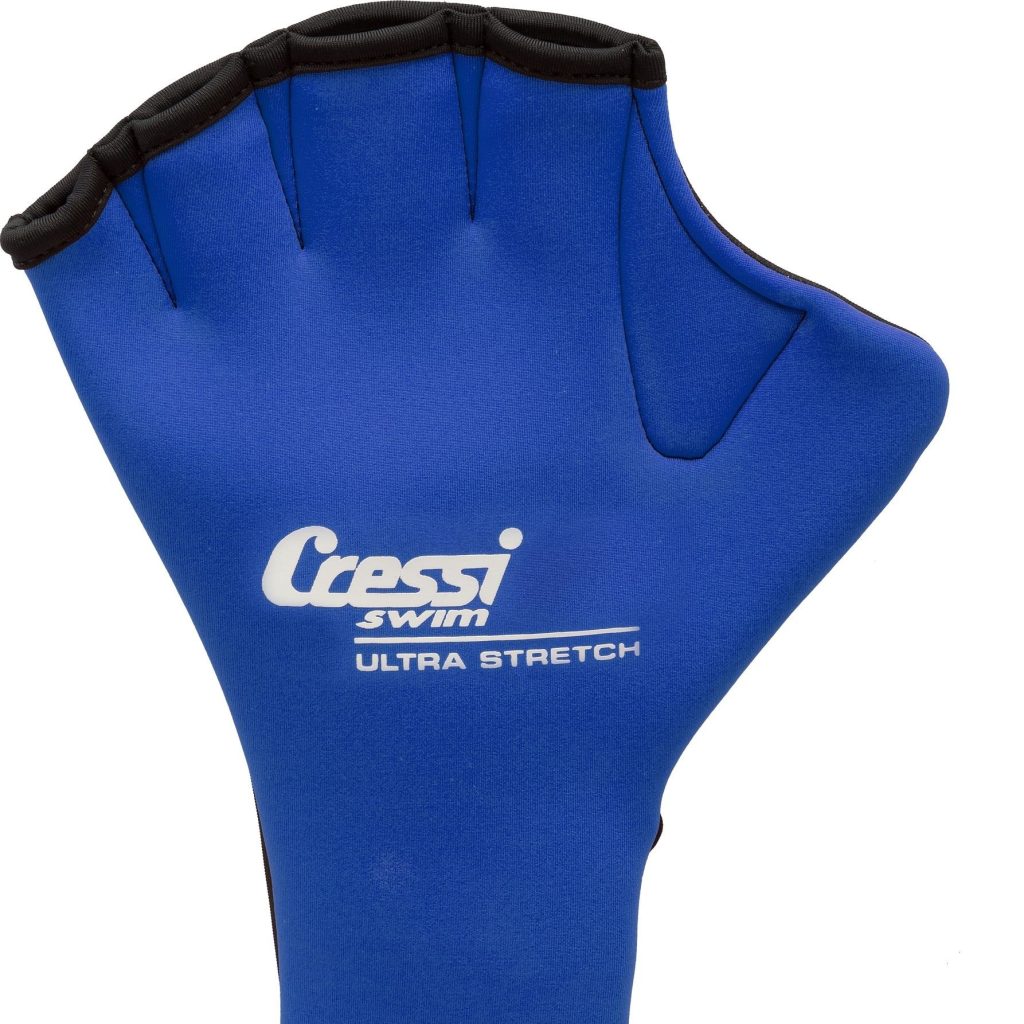
Try them on if possible. Wearers should be able to close fists fully. Fingers must not feel compressed. Thumbs need free movement.
Gloves stretch slightly when wet. Neoprene expands more than spandex. Account for this change during dry fitting.
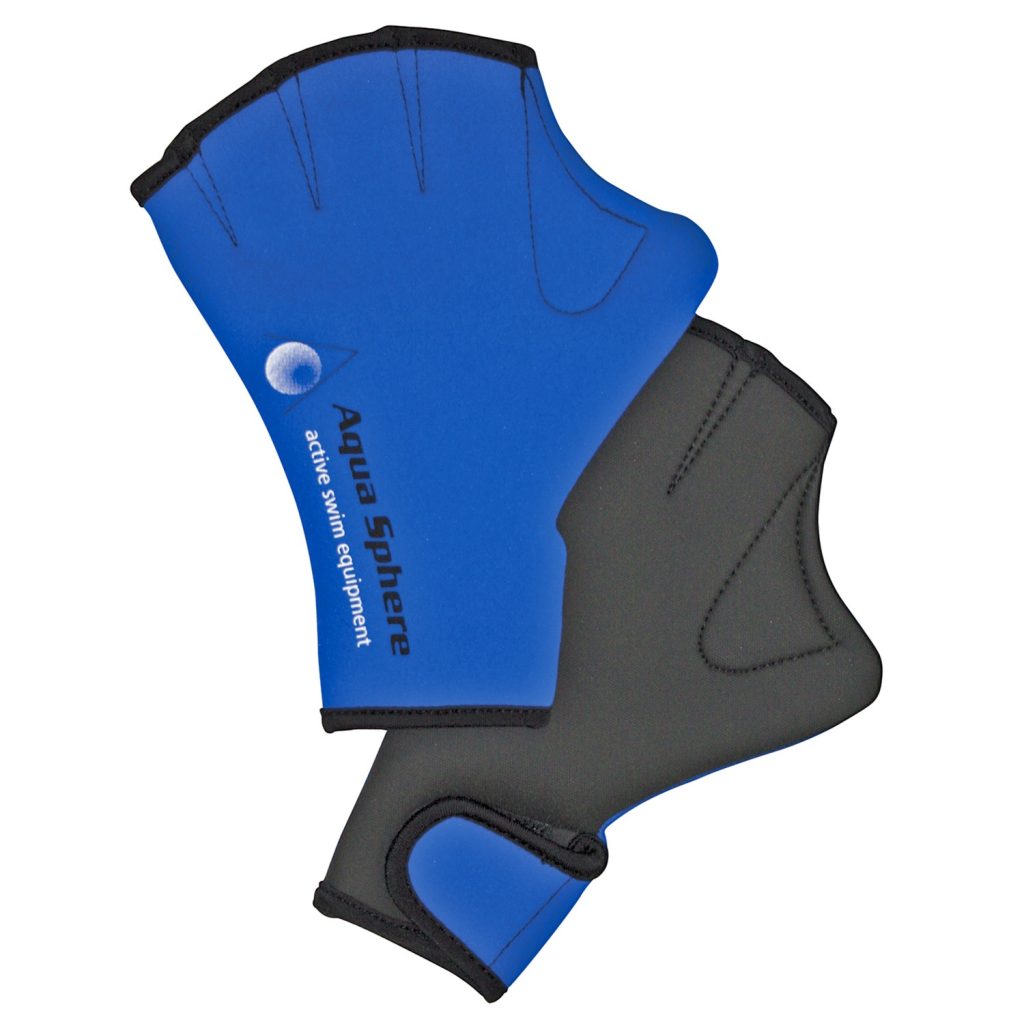
Adjustable straps appear on some models. These secure the wrist opening. They prevent accidental loss during flips or turns.
Left and right-specific designs exist. These conform precisely to hand shape. Symmetrical gloves offer lower cost but less precision.
Replacement frequency depends on usage. Heavy training wears out gloves faster. Inspect for tears or loose stitching regularly.
A proper fit maximizes benefits. It prevents discomfort and enhances performance. Always prioritize fit over style.
Caring for Your Swimming Gloves
Extending Lifespan Through Proper Maintenance
Like any swim gear, swimming gloves require care to last. Simple habits prevent damage and maintain functionality.
Rinse them immediately after use. Chlorine and saltwater degrade elastic fibers. Freshwater removes chemical residue.
Air dry away from direct sunlight. UV rays break down materials over time. Heat sources like radiators cause warping.
Avoid wringing or twisting. This distorts the shape. Instead, gently press out excess water. Lay flat on a towel.
Store in a cool, dry place. Keep away from sharp objects. A mesh bag allows airflow and prevents tangling.
Do not machine wash unless specified. Most manufacturers advise hand cleaning only. Harsh detergents weaken fabric.
Replace when signs of wear appear. Holes, stretched cuffs, or frayed edges reduce effectiveness. Worn gloves lose resistance.
Regular maintenance pays off. Well-kept gloves last seasons. They deliver consistent training results.
Therefore, care routines matter as much as usage. Longevity starts with daily habits.
 Environmental and Safety Considerations
Staying Aware While Using Accessories
While swimming gloves offer many benefits, safety should never be overlooked. Users must consider pool rules, environmental impact, and personal limits.
First, check facility policies. Some public pools ban gloves due to hygiene or lane interference concerns. Always ask before entering.
Open-water swimmers face temperature risks. Neoprene gloves retain heat. In warm conditions, this may cause overheating. Monitor body signals closely.
Material sustainability is another factor. Neoprene comes from petroleum. Some eco-conscious brands now use recycled rubber. Look for green certifications.
Disposal matters too. Old gloves should not go in regular trash. Recycle through specialty programs if available.
Never rely on gloves for flotation. They do not replace life jackets or safety gear. Children must always be supervised.
Also, avoid using them with pre-existing circulation issues. Compression may affect blood flow. Consult a doctor if unsure.
Thus, responsible use includes awareness beyond performance. Safety and ethics complete the picture.
Frequently Asked Questions
What You Should Know Before Starting
Are swimming gloves allowed in competitions? No. They are training aids only. Rules prohibit added resistance during official events.
Can children use them? Yes, with supervision. Choose youth sizes. Limit use to short sessions to prevent strain.
Do they help with speed? Indirectly. They build strength. Faster swimming comes from improved technique and power.
How long should I wear them per session? Start with 10–15 minutes. Gradually increase to 30 minutes as your body adapts.
Can I use them with paddles? Not at the same time. Both increase resistance. Combining them raises injury risk. Use separately.
Do they come in different colors? Yes. Bright colors aid visibility. Dark ones show less wear. Choose based on preference.
Will they improve my stroke? Yes, with consistent use. They promote better hand positioning and water feel.
These answers guide safe and effective use. Knowledge leads to better outcomes.
 Final Thoughts on a Versatile Training Tool
Why Swimming Gloves Are Worth Considering
Swimming gloves continue to prove their value across multiple areas. From athletic training to physical therapy, they deliver real results.
They strengthen strokes, support recovery, and protect sensitive skin. Their versatility makes them useful for many swimmers.
Whether you’re preparing for a race or healing from injury, swimming gloves offer targeted benefits. With proper use and care, they become trusted allies in the water.