For many swimmers, water entering the nasal passages can be uncomfortable or even painful. That’s where swimming nose clips come in. These small but essential tools help block water from entering the nose during strokes, dives, or underwater turns. As a result, users enjoy smoother breathing control and greater focus on technique. Whether you’re a beginner learning to float or a competitive athlete perfecting flip turns, swimming nose clips make a noticeable difference.
Additionally, people with sinus sensitivities or allergies find relief using nose clips. Chlorine and other pool chemicals often irritate nasal linings. By creating a seal, these devices reduce exposure. Some swimmers also use them during synchronized routines or acrobatic moves. They allow performers to stay upside down longer without discomfort. With so many benefits, it’s no surprise that swimming nose clips have become a staple in swim bags worldwide.
 Understanding How Swimming Nose Clips Work
The Simple Mechanics Behind Effective Protection
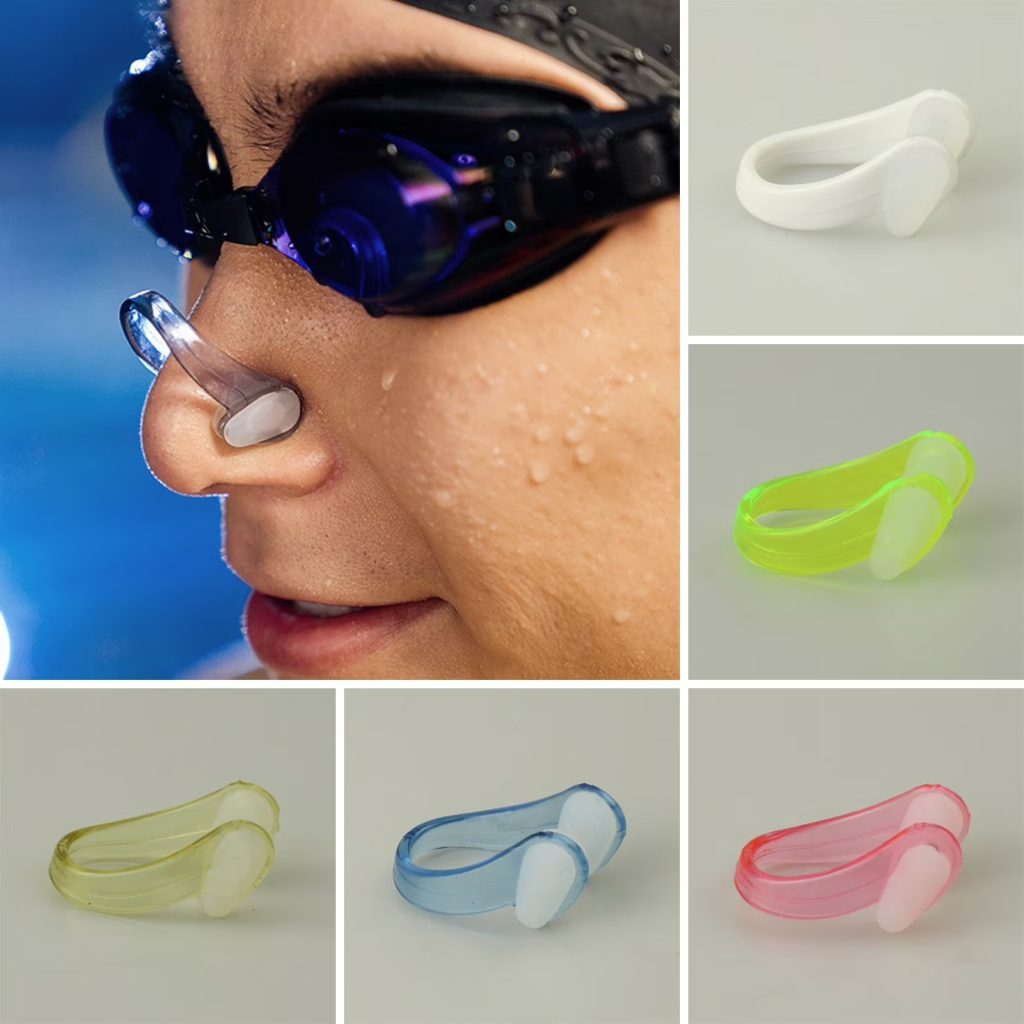
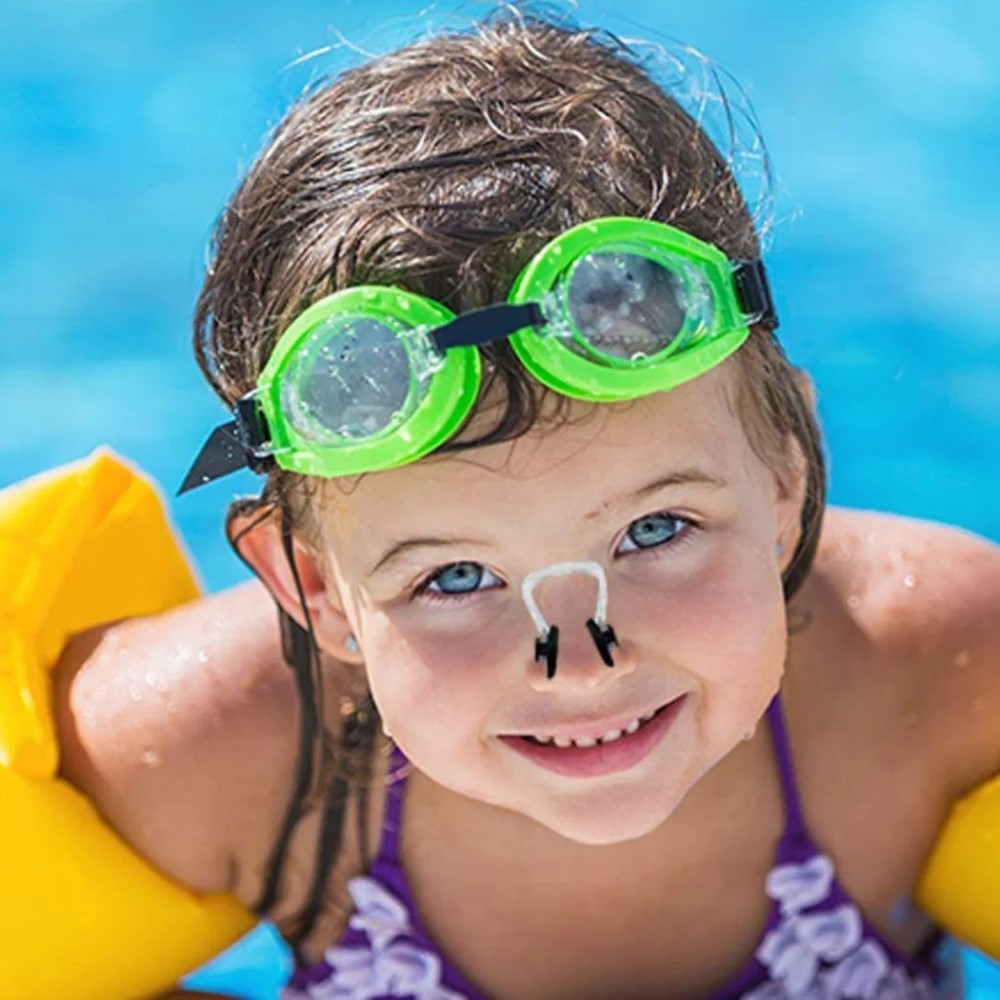
Swimming nose clips function through basic yet smart design. Most models feature two soft pads that press gently against each side of the nose. These pads form a waterproof barrier over the nostrils. A spring or hinge mechanism holds them in place. This allows quick attachment and removal.
The clip stays secure through light tension. It does not pinch or cause pain when properly adjusted. Many versions include silicone cushions. These enhance comfort and improve grip. As a result, the device resists slipping during fast movements.
When submerged, the nose clip prevents water from rushing into the nasal cavity. This eliminates the stinging sensation some feel during dives. It also stops involuntary inhalation through the nose. Swimmers rely more on controlled mouth breathing.
Some athletes use nose clips during backstroke drills. This helps maintain proper head alignment. Others wear them while practicing handstands or sculling motions. The goal is always the same—better focus and less distraction.
Over time, consistent use builds confidence in the water. Beginners overcome fear of submersion. Experienced swimmers refine skills without interruption.
Types of Nose Clips Available Today
Choosing Between Materials, Styles, and Fit Options
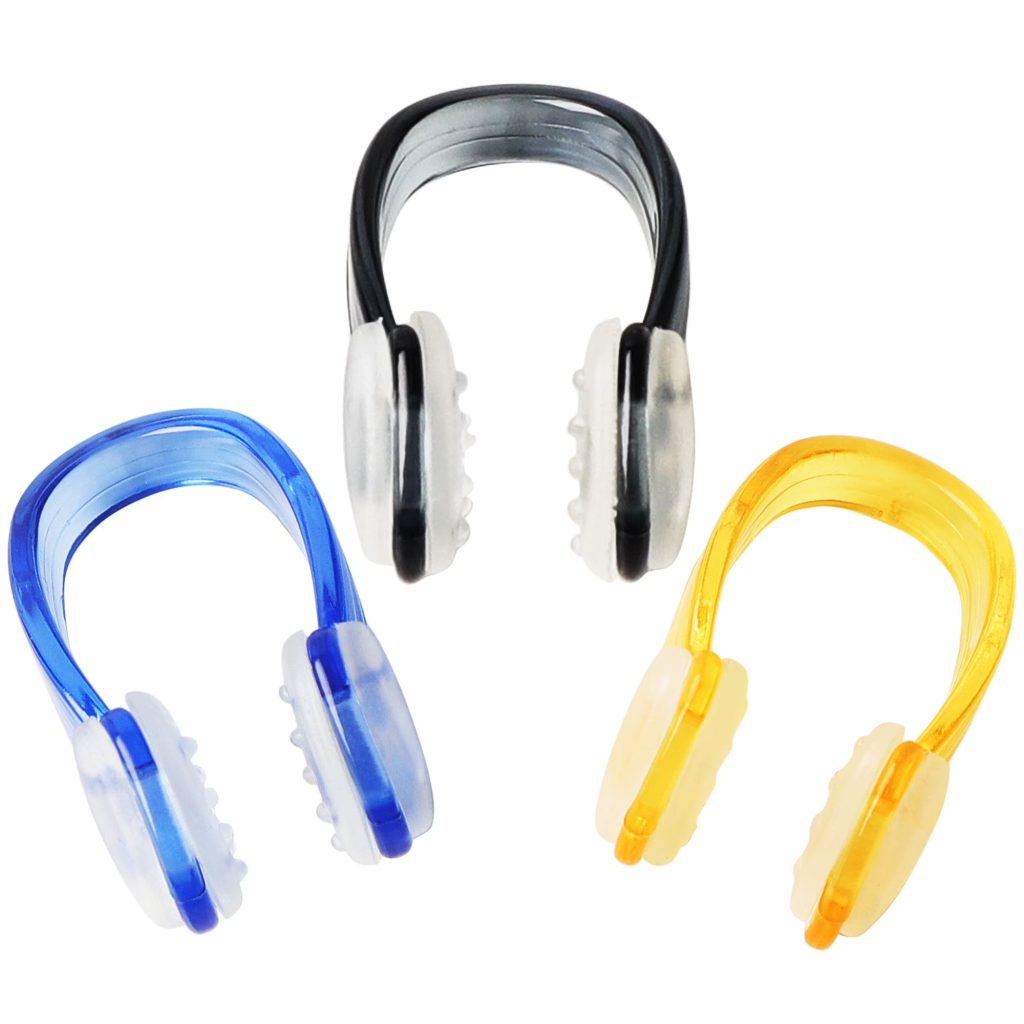
Not all swimming nose clips are the same. Several types exist to suit different needs and preferences. The most common version uses a metal spring with silicone tips. This model offers strong retention and durability. However, some users find the pressure too firm.
Softer alternatives use plastic or rubber hinges. These apply less force while still staying in place. They work well for children or those with sensitive skin. Adjustable models let users customize tension. A simple twist modifies how tightly the arms close.
Silicone-only nose clips are another option. They lack metal parts entirely. This makes them ideal for magnetic environments like MRI training zones. They also bend easily and resist corrosion. Because they contain no springs, they rarely break.
Magnetic nose clips are gaining popularity. Two pieces connect across the bridge of the nose. They snap together effortlessly. Removal requires just a slight pull. These are gentle and easy to handle.
Eco-conscious buyers may prefer biodegradable materials. Some brands now offer plant-based silicone blends. These reduce environmental impact after disposal.
Each type has pros and cons. Try a few styles to see which feels best during actual swimming.
 Who Should Use Nose Clips
Identifying Groups That Benefit Most from Nose Protection
Many swimmers gain advantages from using swimming nose clips. First, beginners often struggle with water up the nose. This causes panic and disrupts learning. A nose clip removes this fear. As a result, new swimmers relax faster and progress more quickly.
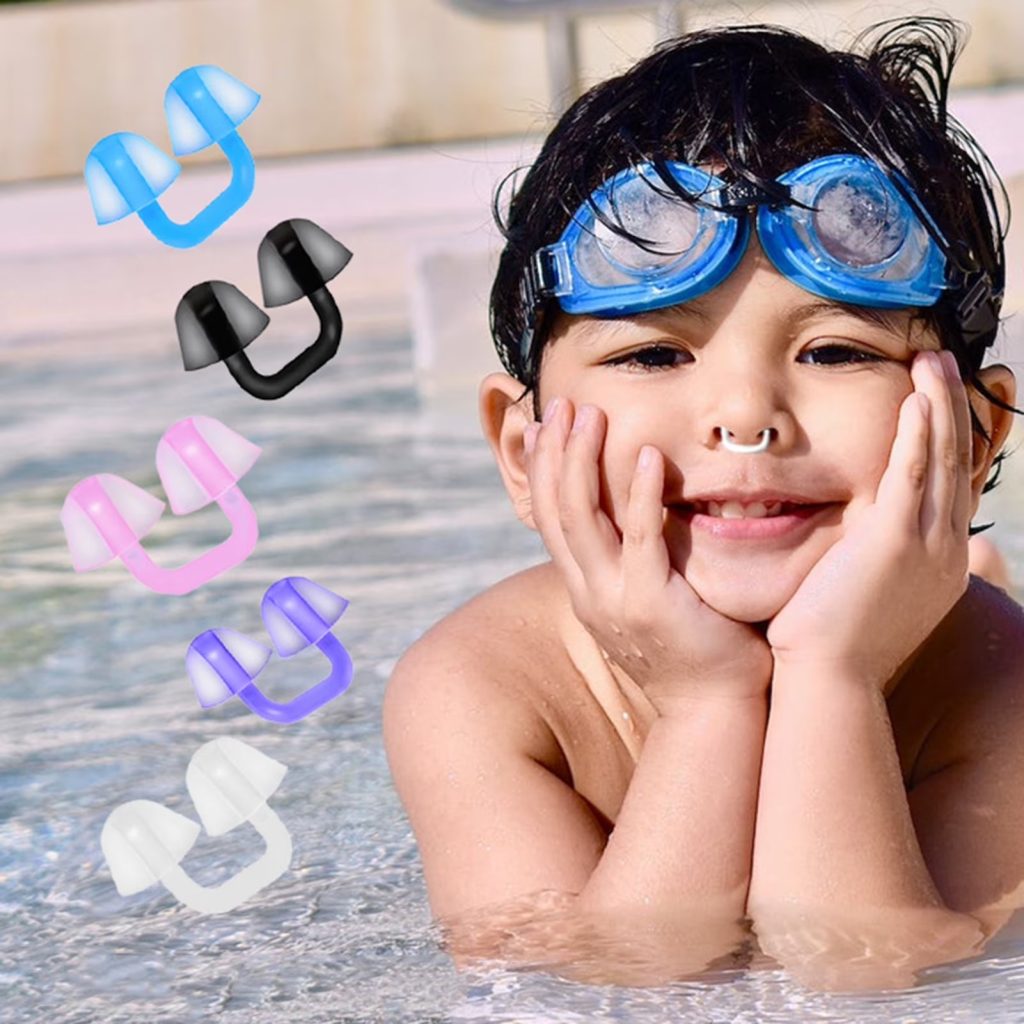
Children especially benefit. Their smaller noses react more strongly to chlorine. Also, they may not yet master breath control. Wearing a nose clip gives them freedom to play and learn. Parents report fewer tears and more enjoyment at swim lessons.
Synchronized swimmers use nose clips regularly. Their routines involve long periods upside down. Without protection, water would flood their sinuses. The clip allows graceful, uninterrupted performance.
Divers sometimes wear them during practice. While not allowed in competition, they help trainees focus on body position. Acclimating to inverted postures becomes easier.
People with chronic sinus issues or deviated septums also find relief. These conditions increase sensitivity to pressure changes. A nose clip reduces irritation caused by immersion.
Even snorkelers and mermaid performers use them. Underwater photographers may wear one between shots. Essentially, anyone spending extended time with their face in water can benefit.
However, competitive freestyle or breaststroke racers usually avoid nose clips. Rules permit them only in specific events. Most choose to adapt natural breathing techniques instead.
When to Wear a Swimming Nose Clip
Matching Usage to Activity, Skill Level, and Environment
Knowing when to use a swimming nose clip improves your experience. During early swim lessons, instructors often recommend them. They help students concentrate on kicking and arm motion. Fear of water decreases significantly.
Practice sessions are ideal times for nose clip use. Drills like vertical kicks, eggbeater kicks, or underwater glides become more effective. You stay focused without sudden snorts or coughs.
Backstroke training is another good fit. Keeping the head back increases water entry risk. A nose clip prevents accidental inhalation. This allows better rhythm and timing.
Instructors use them during demonstrations. Teaching upside-down positions becomes simpler. Students watch clearly without the teacher surfacing every few seconds.
Recreational swimmers enjoy nose clips during pool games. Holding your breath longer adds fun to hide-and-seek or diving challenges. Kids love seeing how far they can swim underwater.
Cold water swimming is another scenario. Sudden immersion triggers gasps. A nose clip blocks involuntary intake. This supports safer adaptation to low temperatures.
Open water settings require caution. Strong currents may dislodge the clip. Always ensure a snug fit before entering lakes or oceans.
Avoid wearing nose clips during high-speed races. They might shift or create drag. Also, never rely on them in place of proper breathing technique. Use them as training aids, not permanent fixes.
 How to Choose the Right Swimming Nose Clip
Key Features to Consider Before Buying
Selecting the best swimming nose clip involves several factors. First, check the material. Silicone-tipped models protect delicate skin. Avoid hard plastic if you have allergies or sensitivities.
Next, examine adjustability. Some clips let you modify pressure. This ensures comfort during long sessions. Others have fixed tension. These may feel too tight or too loose depending on nose shape.
Size matters too. Standard sizes fit most adults. Smaller versions exist for children. Look for youth-specific designs if buying for kids.
Consider ease of use. Magnetic clips are simple to put on and take off. Spring-style models require more finger strength. Arthritis sufferers may prefer the former.
Durability is important. Metal springs last longer than plastic ones. However, they can rust over time. Rinse your clip after each use. Store it in a dry case.
Hygiene plays a role. Shared clips can spread germs. Never borrow or lend nose clips unless fully sanitized. Personal ownership is safest.
Check for hypoallergenic certification if needed. Some materials trigger reactions. Nickel-free options prevent skin irritation.
Finally, compare prices. Basic models cost little. Premium versions with ergonomic shapes or brand names cost more. Balance budget with quality. Read user reviews to guide your choice.
Caring for Your Swimming Nose Clip
Cleaning, Storing, and Maintaining Longevity
Proper care extends the life of your swimming nose clip. After each swim, rinse it under clean water. This removes chlorine, salt, or bacteria. Let it air dry completely before storing.
Never leave it in direct sunlight. UV rays degrade silicone and weaken springs. High heat can warp plastic components. Keep it in a cool, shaded spot.
Use mild soap occasionally. Scrub gently with a soft toothbrush. Focus on crevices where grime collects. Avoid harsh detergents. They strip protective coatings.
Inspect the clip regularly. Look for cracks, frayed edges, or loose hinges. Replace it if any part seems damaged. A broken clip can pinch or fail underwater.
Store it in a breathable pouch. Avoid sealed plastic bags. Trapped moisture encourages mold growth. A small mesh bag works perfectly.
If you travel often, pack it in a hard case. This prevents crushing in luggage. Place it in an outer pocket for quick access.
For shared environments like swim schools, label your clip. Name tags or colored bands help identify yours. This reduces mix-ups.
Replace your nose clip every six to twelve months. Heavy use shortens lifespan. Signs of wear include fading color or reduced grip. Fresh equipment ensures safety and comfort.
 Frequently Asked Questions
Do swimming nose clips really stop water from entering the nose?
Yes. When fitted correctly, they create a tight seal. Water cannot pass through the nostrils.
Can I breathe through my nose while wearing one?
No. The purpose is to block nasal airflow. You must breathe through your mouth.
Are nose clips safe for children?
Yes, if sized properly. Choose soft, adjustable models. Supervise young users during first tries.
Will a nose clip help me swim faster?
Not directly. But it can improve focus and reduce distractions. This may lead to better performance.
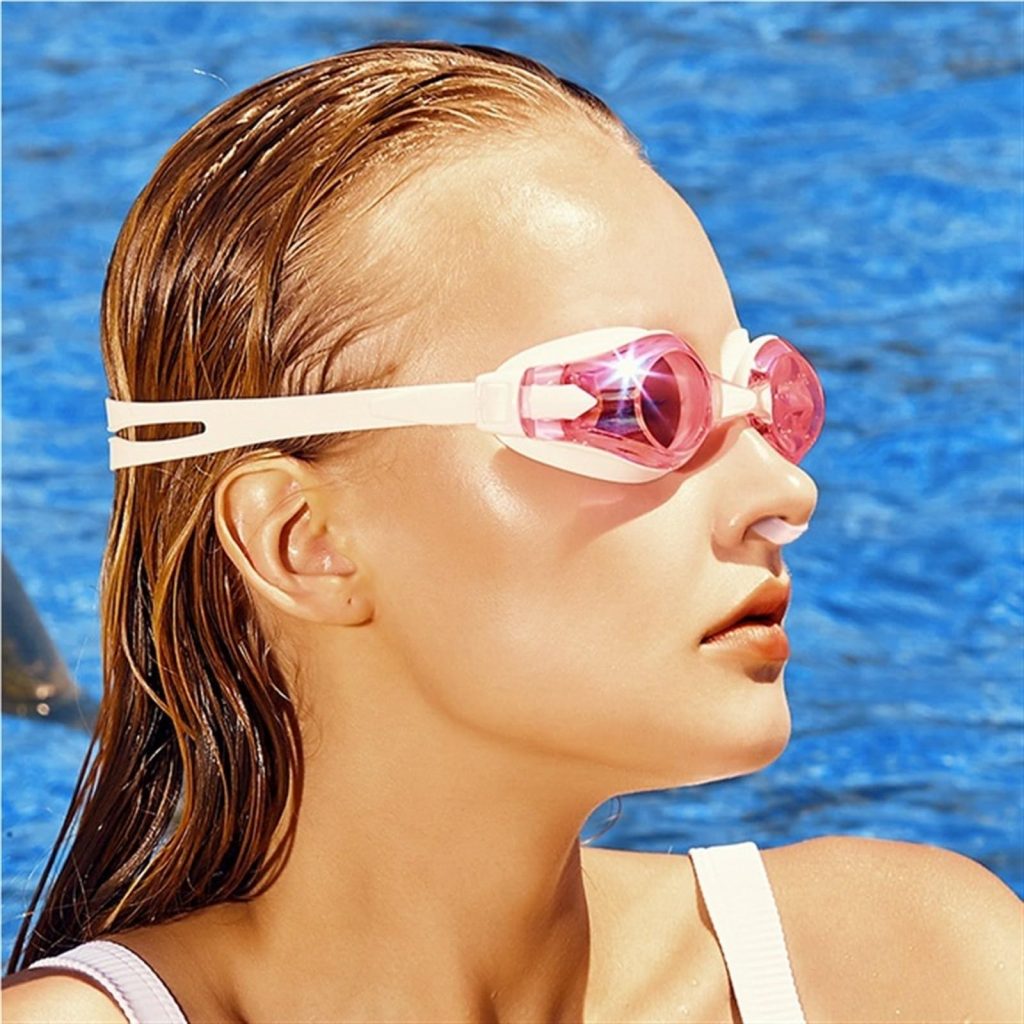
Can I wear a nose clip with goggles?
Absolutely. Most fit comfortably underneath. Adjust straps carefully to avoid pressure points.
Do professional swimmers use nose clips?
Rarely in races. But many use them during training or rehabilitation phases.
How do I stop my nose clip from pinching?
Try adjusting the tension. Loosen metal arms slightly. Or switch to a silicone or magnetic style.
Can I use a nose clip for snorkeling?
Only in calm, shallow areas. Strong waves may dislodge it. Never rely on it in deep water.
 Final Thoughts
Using swimming nose clips transforms how many people interact with water. They provide comfort, boost confidence, and support skill development. From learners to performers, countless swimmers depend on them daily.
Whether you’re overcoming fear, managing health concerns, or refining technique, these small tools deliver big results. With proper selection and care, a nose clip becomes a trusted companion in and out of the pool. For anyone seeking a smoother, more enjoyable swim, swimming nose clips are a simple yet powerful solution.