A swimming parka is a must-have outerwear piece for competitive swimmers, coaches, and aquatic athletes. It provides warmth between events, during cool-downs, or while waiting on the pool deck. Many swim meets take place in chilly indoor facilities or outdoor venues where temperatures drop quickly. As a result, staying warm helps maintain muscle readiness and prevents stiffness.
Moreover, the swimming parka serves both functional and psychological purposes. It protects against sudden chills after exiting the water. At the same time, it builds team identity when worn in matching colors. Whether used at early morning practices or late-night finals, this garment supports peak performance. Therefore, understanding its benefits ensures better preparation.
 Why Swimmers Need a Swimming Parka
Staying Warm Without Sacrificing Mobility
Water conducts heat away from the body much faster than air. After a race or training set, swimmers face rapid cooling. This can lead to tight muscles, reduced flexibility, and even cramping. A swimming parka acts as a thermal barrier that traps body heat effectively.
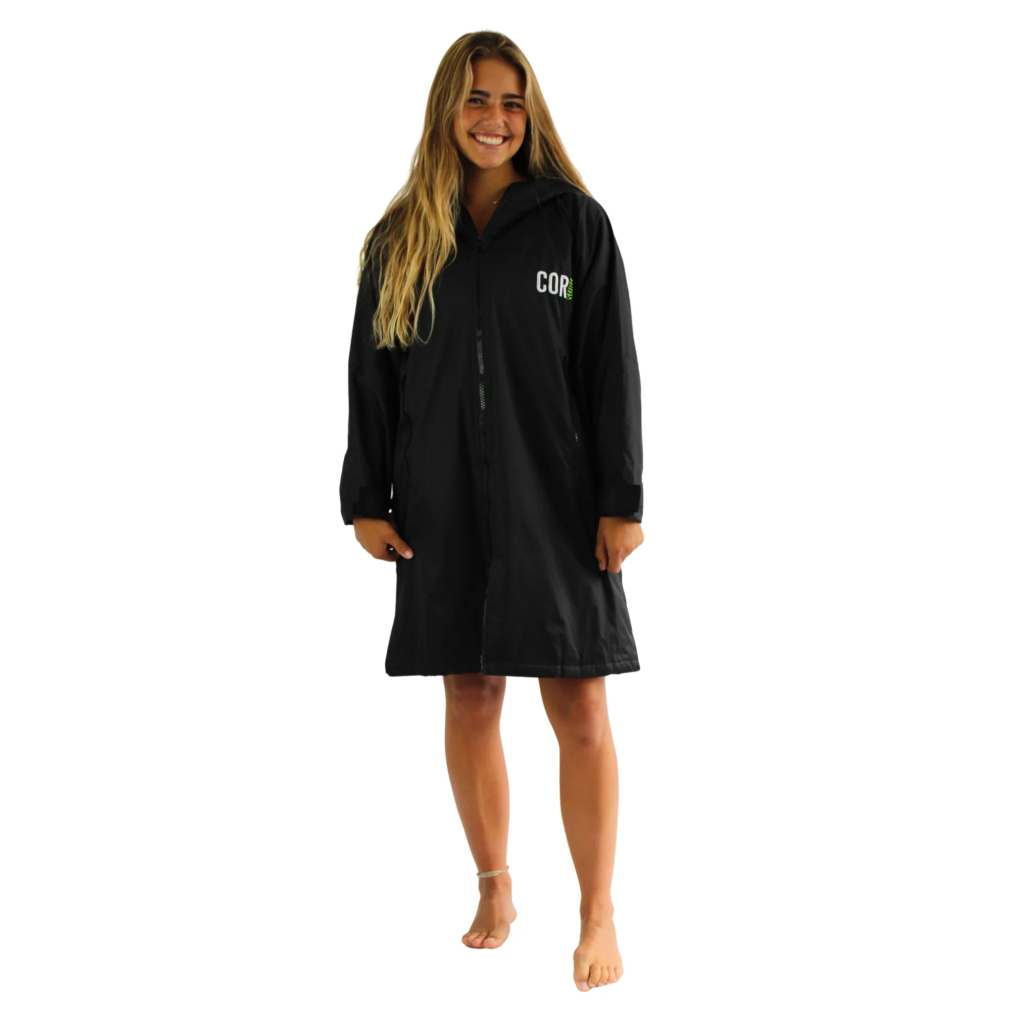
Additionally, most models feature full-length zippers and roomy hoods. These allow quick changes without removing swimwear. Swimmers can throw it on immediately after finishing a lap. The oversized fit accommodates wet suits and still allows arm movement. Some parkas include sleeves with thumbholes to keep hands warm.
Also, many swimmers sit for long periods between races. The breaks may last 30 minutes or more. During this time, core temperature drops if not protected. A quality swimming parka slows this process significantly. It keeps shoulders, chest, and back insulated. As a result, athletes stay loose and ready for their next event.
Furthermore, mental focus improves when physical comfort increases. Cold causes distraction and tension. With a warm layer, swimmers remain calm and centered. This small advantage can make a difference in close competitions.
Key Features of High-Quality Swimming Parkas
Materials, Design, and Functional Details
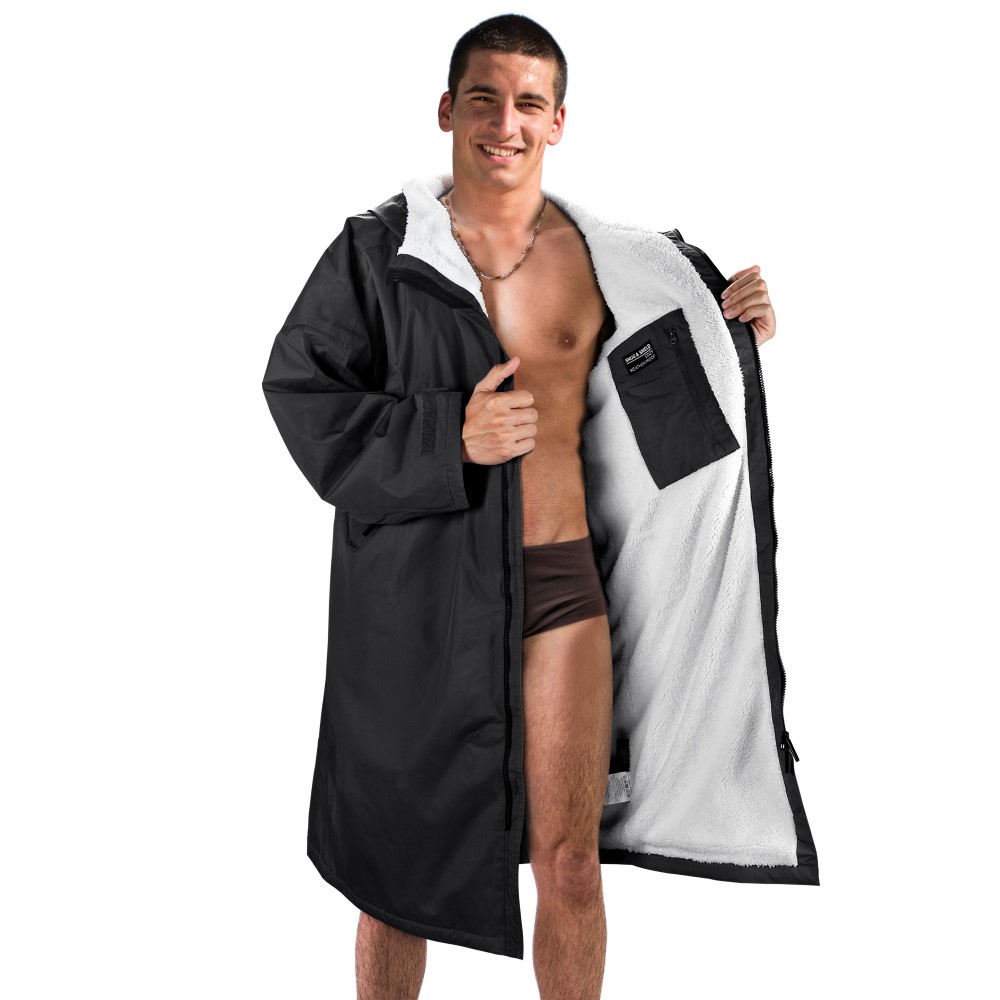
One of the most important aspects of a swimming parka is its fabric. Most premium versions use water-resistant nylon or polyester shells. These materials repel moisture from splashes and damp decks. Inside, soft fleece lining adds insulation without weight. Together, they create a breathable yet warming effect.
Zippers are typically heavy-duty and extend from neck to hem. YKK zippers are common due to their durability. Some parkas offer two-way zips for ventilation options. For example, opening from the bottom allows easier walking or sitting. Pull tabs are large so users can operate them with wet hands.
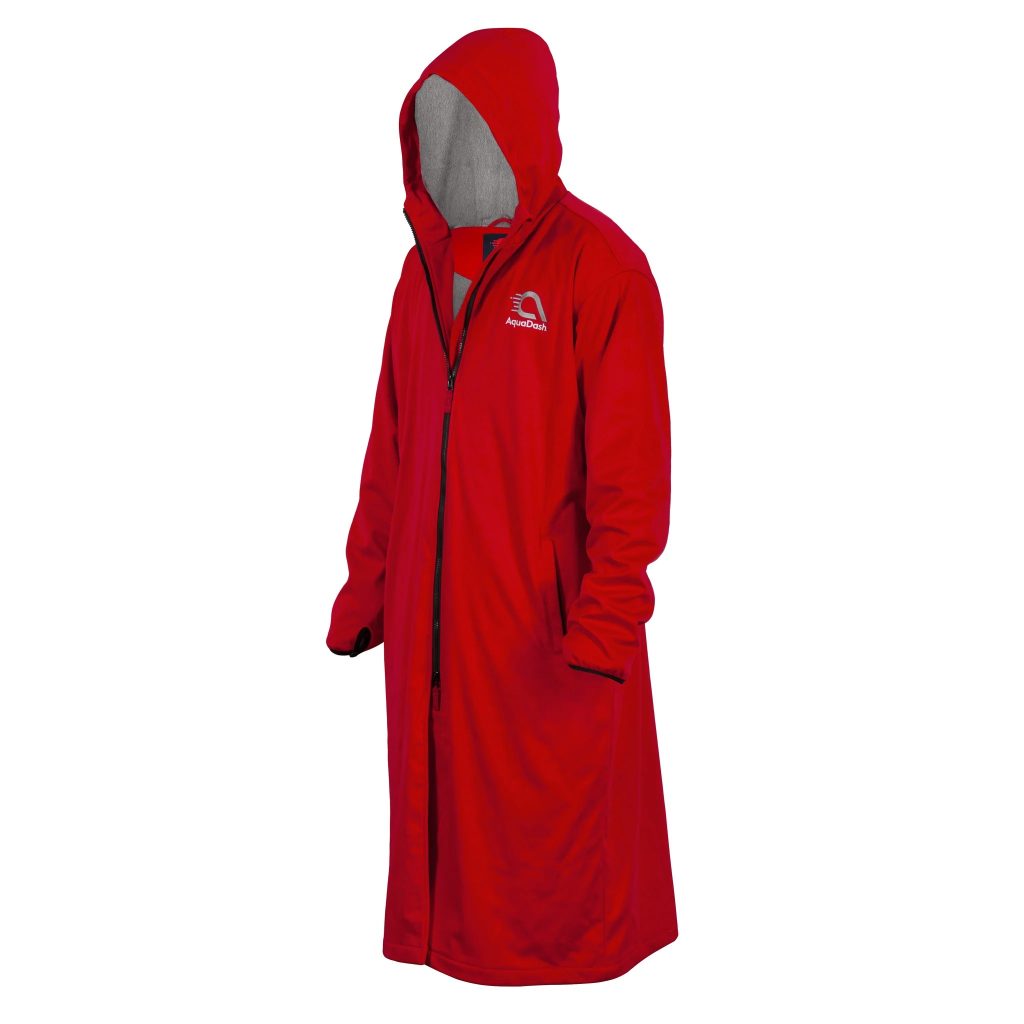
Hoods are deep and adjustable. They cover the head fully and stay in place during windy conditions. Drawstrings let users tighten the fit. Ear openings provide awareness of announcements. Pockets are spacious and often lined with microfleece. These store phones, towels, or goggles safely.
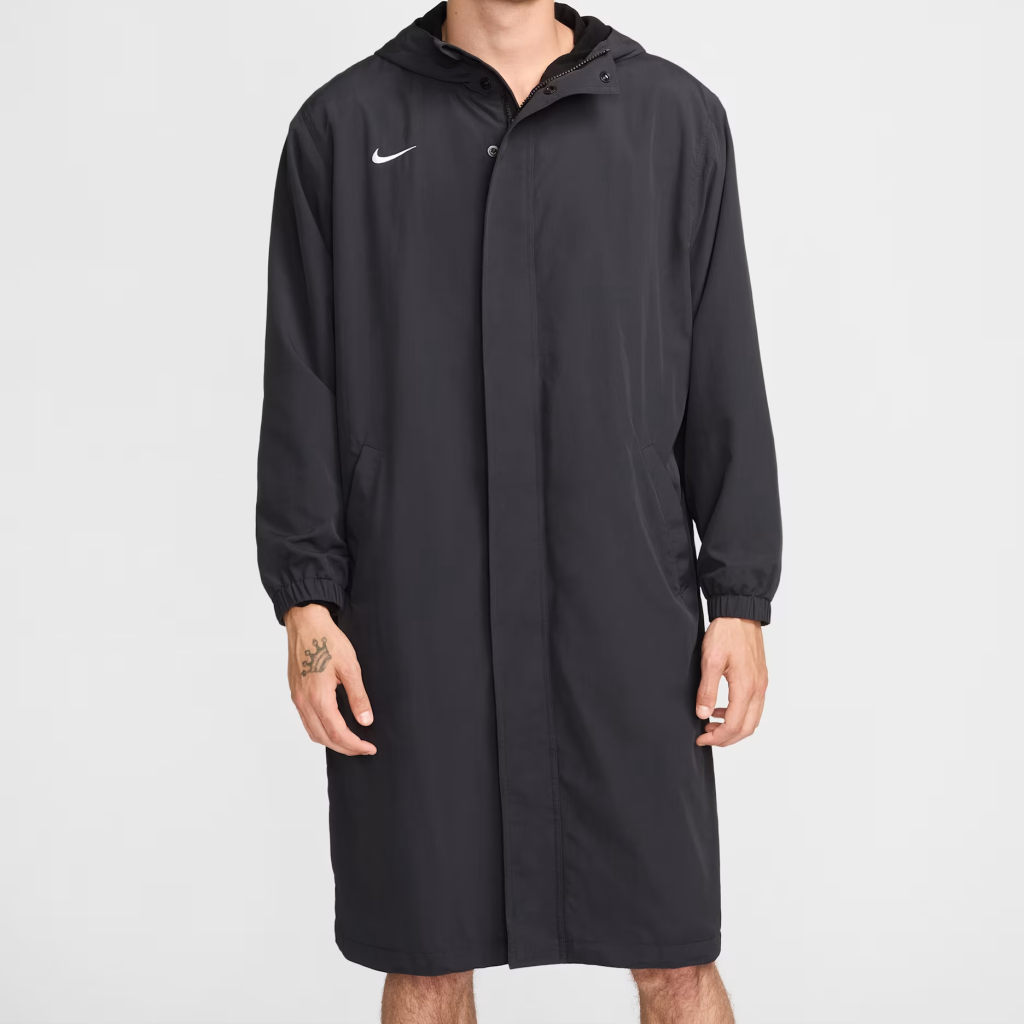
Sleeve cuffs may have elastic or ribbed knit edges. These seal out cold air. Thumbholes prevent sleeves from riding up. Hemlines vary—some reach mid-thigh, others go below the knees. Longer cuts offer more coverage for taller athletes. All these features contribute to usability under real swim conditions.
 Choosing the Right Size and Fit
How to Ensure Comfort and Functionality
Selecting the correct size is crucial when buying a swimming parka. Too tight, and it restricts movement. Too loose, and it drags on wet floors or catches on benches. Most brands offer youth, adult, and tall sizes. Refer to sizing charts before purchasing online.
Measure height and chest circumference accurately. Compare those numbers to the manufacturer’s guide. Keep in mind that parkas are meant to be worn over swimsuits and possibly layers. Therefore, some extra room is necessary. However, avoid excessive bagginess that could cause tripping hazards.
Try it on if possible. Move your arms up and down. Simulate reaching for a towel or adjusting goggles. Check whether the hood stays secure during motion. Walk around to see how the length affects stride. A well-fitting parka should feel like a second skin—protective but unobtrusive.
For growing teens, consider a slightly larger size. This allows room for development over a season or two. Just ensure the arms and torso aren’t so long that they interfere with activity. Adjustable features help customize fit over time. Always prioritize freedom of movement.
Benefits for Different Types of Swimmers
From Recreational to Elite Competitors
Recreational swimmers benefit from a swimming parka, especially during early sessions. Morning practices often start before sunrise. Outdoor pools and uncovered areas feel colder at dawn. Wearing a parka helps ease into the workout gradually.
Age group swimmers gain confidence through team gear. Matching parkas foster unity and pride. Parents appreciate the warmth it provides during long meets. Kids stay dry and comfortable between races. Coaches can manage focus better when athletes aren’t shivering.
Collegiate and professional swimmers rely on parkas for recovery phases. After intense efforts, body temperature regulation becomes critical. The parka aids passive warm-ups and cooldowns. Some elite programs integrate them into pre-race routines. Athletes wear them until the final call to the blocks.
Masters swimmers also find value in this apparel. Adults returning to fitness may feel cold more easily. The parka supports consistent attendance by improving comfort. Even non-competitive lap swimmers use them at public pools. Anytime exposure to damp air occurs, protection matters.
 Care and Maintenance Tips
Keeping Your Swimming Parka in Top Condition
Proper care extends the life of any swimming parka. Chlorine residue, saltwater, and sweat degrade fabrics over time. After each use, hang it to dry completely. Avoid leaving it bunched in a gym bag overnight. Dampness leads to mildew and odors.
Once every few weeks, wash the parka according to label instructions. Most can be machine washed on a gentle cycle. Use cold water and mild detergent. Do not use bleach or fabric softeners. These chemicals weaken fibers and reduce water resistance.
Turn the parka inside out before washing. This protects the outer shell and print details. Close all zippers and fasten straps to prevent snagging. Wash alone or with similar items to avoid abrasion. Never overload the machine. Excessive tumbling causes unnecessary stress.
Air drying is best. Tumble drying on high heat can shrink linings or melt components. Hang it in a well-ventilated area away from direct sunlight. UV rays fade colors over time. Inspect zippers and seams periodically. Repair minor tears early to avoid worsening damage.
Customization and Team Identity
Building Unity Through Personalized Gear
Many swim teams choose custom swimming parkas to strengthen group identity. Schools, clubs, and national squads add logos, names, and colors. Embroidery or screen printing makes each piece unique. This personal touch boosts morale and spirit.
Teams often coordinate parka designs across age groups. Younger members look up to older swimmers wearing the same style. Uniformity creates a sense of belonging. Travel teams appear more professional at out-of-town events.
Custom patches or name tags allow individual recognition. Swimmers feel valued when their name appears on gear. Coaches receive parkas too, reinforcing leadership presence. Some programs offer parkas as end-of-season awards. These become cherished keepsakes.
Branding also helps with identification at busy meets. Officials and parents can spot team members easily. Lost and found items get returned faster when labeled clearly. Sponsors may contribute funding if their logo appears on high-visibility apparel. Thus, customization offers practical and emotional rewards.
 Frequently Asked Questions
Can I wear a swimming parka in the water?
No, it is not designed for swimming. The material absorbs water and becomes heavy. Wear it only on deck before or after entering the pool.
Are swimming parkas waterproof?
Most are water-resistant, not fully waterproof. They repel light splashes and mist. Heavy rain may eventually soak through. Use an umbrella in storms.
Do I need a hood on my swimming parka?
Yes, hoods provide essential heat retention. Heads lose a lot of body heat. A good hood keeps ears and neck warm during waits.
Can children use adult-sized swimming parkas?
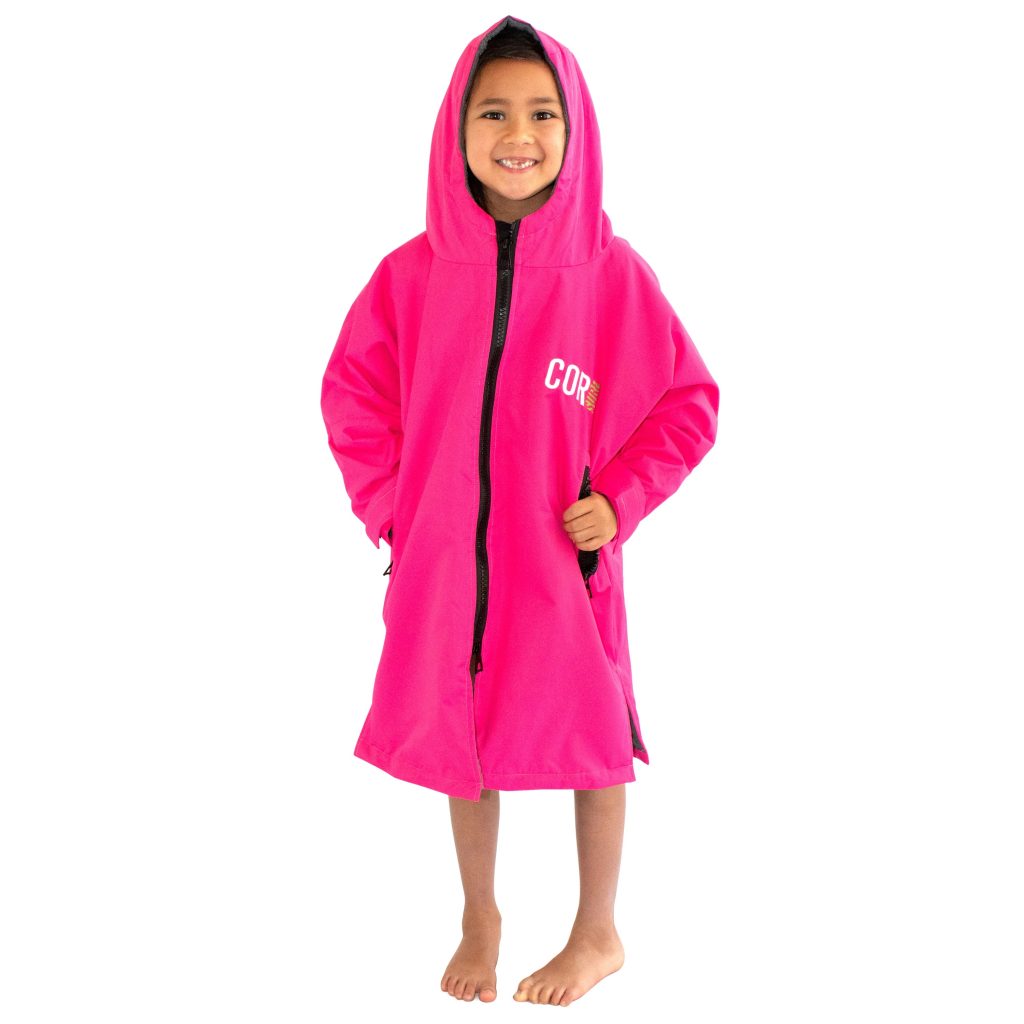
Not recommended. Oversized parkas pose tripping risks. Choose proper youth sizes for safety and comfort.
How do I store my swimming parka during off-season?
Clean it first, then fold or hang in a dry closet. Avoid plastic bags that trap moisture. Place silica gel packs nearby to prevent dampness.
 Final Thoughts
More Than Just Outerwear – A Performance Tool
The swimming parka plays a vital role in athletic preparation and recovery. It supports physical readiness by maintaining optimal body temperature. At the same time, it strengthens team culture through shared appearance. Its importance goes beyond simple warmth.
Swimmers at every level experience environmental challenges. Early mornings, drafty buildings, and outdoor venues demand protection. A reliable parka removes one variable that could affect performance. When athletes feel comfortable, they focus better on technique and timing.
Manufacturers continue improving designs based on user feedback. Lighter fabrics, smarter pockets, and better fits emerge regularly. Sustainability efforts include recycled materials and eco-friendly dyes. Innovation ensures longevity in both function and fashion.
Ultimately, owning a swimming parka shows commitment to the sport. It reflects discipline, professionalism, and attention to detail. Whether used daily or occasionally, it remains a smart investment. For anyone serious about swimming, this garment is essential.