Starting a fitness journey can feel overwhelming. Yet, swimming workouts for beginners offer a gentle, low-impact way to build strength, endurance, and confidence. Unlike running or weight training, swimming supports your body while still challenging your muscles. This makes it ideal for people of all ages and fitness levels. Whether you’re recovering from injury, managing joint pain, or simply new to exercise, water provides natural resistance with minimal strain.
Additionally, these workouts improve heart health, lung capacity, and coordination. Many beginners find that swimming feels more like play than work. The rhythm of strokes and breath creates a calming effect. Over time, consistency leads to noticeable progress. With the right approach, anyone can learn to swim efficiently and safely. As comfort grows, so does motivation. Therefore, understanding how to structure swimming workouts for beginners is key to long-term success.
 Building Confidence in the Water
Starting with Basic Skills and Safety
Fear of water is common among adults who never learned to swim. For this reason, early sessions should focus on comfort, not speed. Begin by standing in shallow water. Feel the pool floor beneath your feet. Practice slow breathing—inhale through the mouth, exhale through the nose. This simple rhythm reduces anxiety and prepares you for floating.
Next, try holding onto the pool edge while kicking gently. Use a flutter kick with legs straight but not stiff. Keep toes pointed slightly downward. This motion helps you stay balanced and builds leg strength. After a few tries, let go with one hand. Then both. Trust will grow gradually.
Floating is another essential skill. Lie back with arms out wide and head resting on water. Allow your body to rise naturally. If you sink, bend your knees and stand up slowly. There’s no rush. Each attempt builds familiarity.
Instructors often use noodles or life vests at first. These tools provide extra support. They also allow you to practice arm movements without tiring quickly. Once you feel stable, begin combining kicks with basic arm pulls. Even short distances count as progress. Remember, every strong swimmer once started exactly where you are.
Creating a Simple Weekly Routine
Structuring Your First Month of Training
Consistency matters more than intensity when starting out. Aim for three sessions per week. This gives your body time to adapt while avoiding burnout. Each workout should last 20 to 30 minutes. Start with five minutes of walking in waist-deep water. This warms up joints and increases circulation.
Then move into your main set. Swim one length using any stroke you prefer. Most beginners start with freestyle. Focus on form, not speed. After each lap, rest for 30 seconds. Hold the wall, breathe deeply, and relax. Repeat this cycle four times. That’s just four laps total—enough to build stamina without exhaustion.
By week two, increase to six laps with shorter breaks. In week three, add a second set of four laps after a one-minute pause. Week four introduces variety: alternate between freestyle and backstroke. This change keeps things interesting and works different muscle groups.
Always end with five minutes of gentle movement. Try side-to-side steps or arm circles. Cool-downs help prevent stiffness. Track your progress in a notebook or app. Note how many laps you completed and how you felt. Small wins boost motivation. Before long, what once felt hard becomes routine.
 Mastering the Four Main Strokes Gradually
Learning Techniques Without Overwhelm
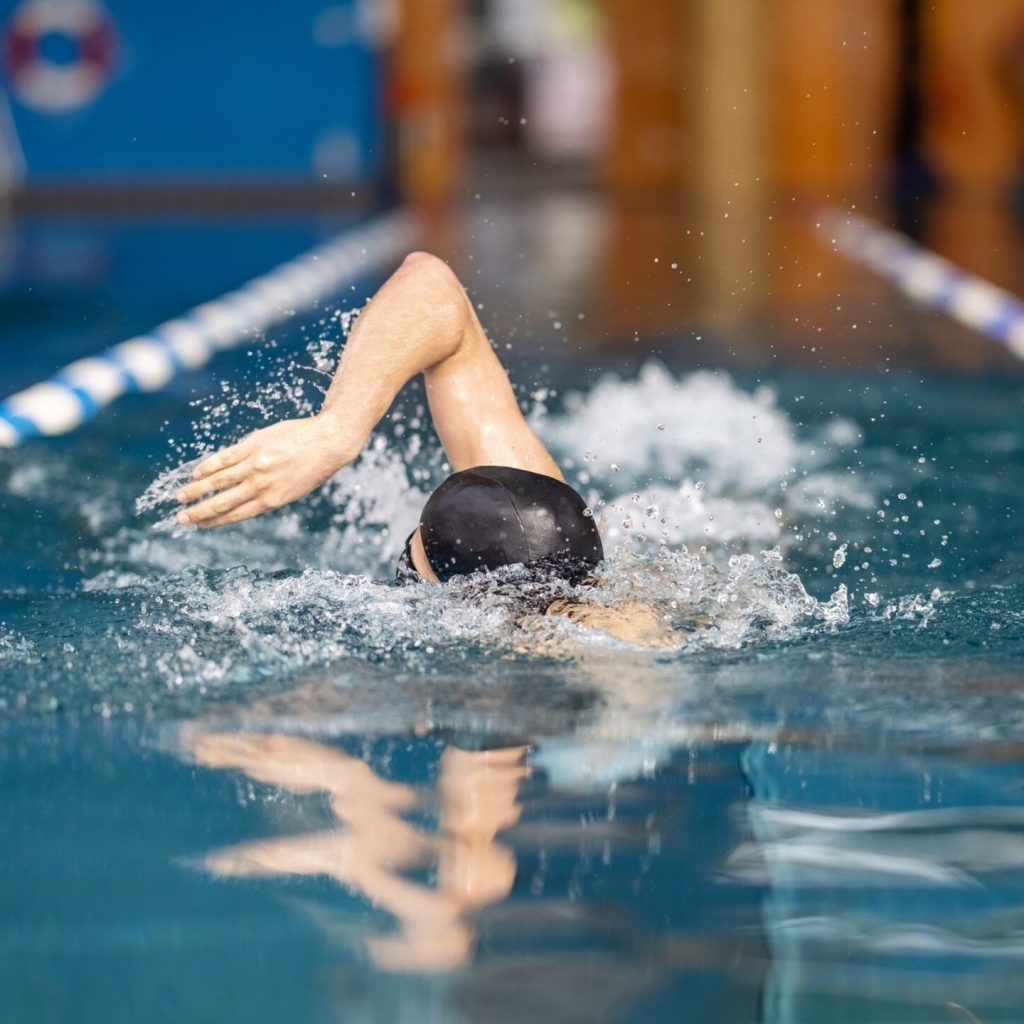
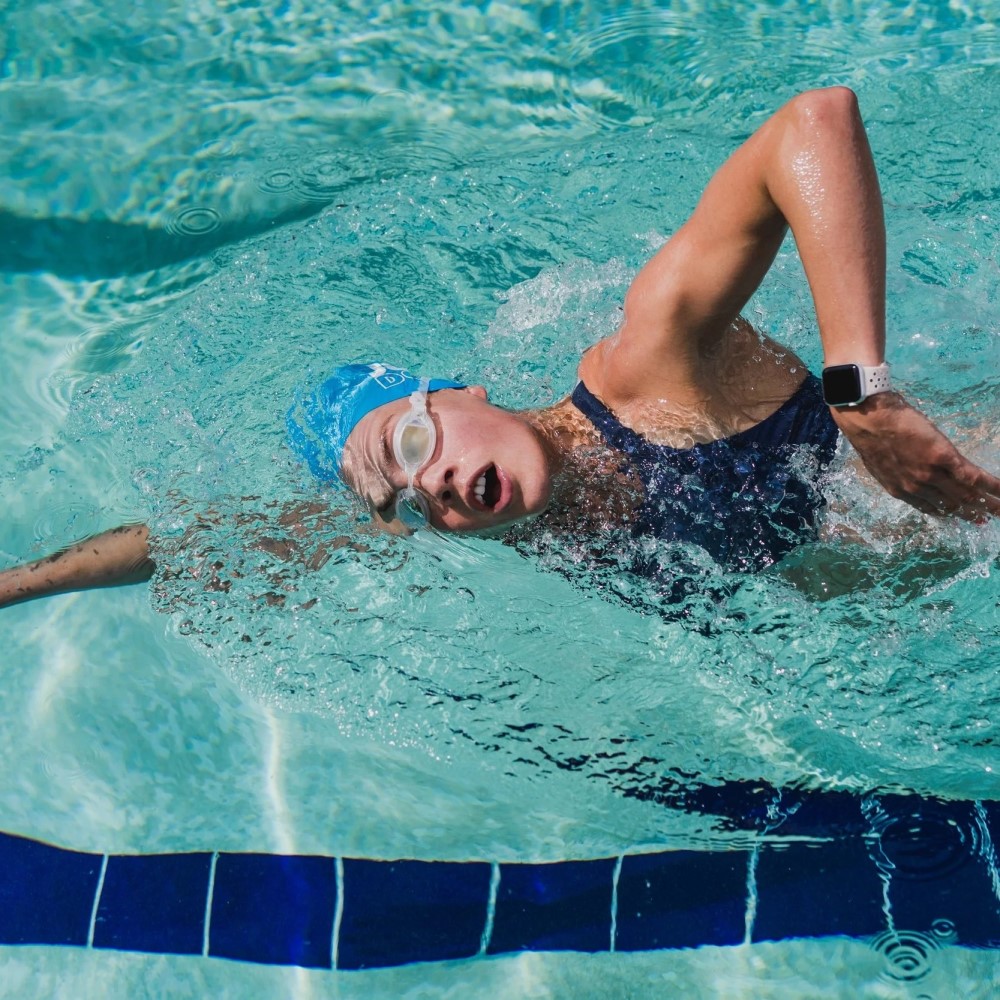
Swimming workouts for beginners should introduce strokes one at a time. Trying to learn all at once leads to frustration. Start with freestyle, also known as front crawl. It’s the most efficient and widely used stroke. Push off the wall and extend one arm forward. Pull it back under water while rotating your body slightly. Breathe to the side every few strokes.
After mastering freestyle basics, move to backstroke. This version lets you keep your face out of the water. Float on your back and use alternating arm motions. Kick steadily with a flutter kick. Look straight up, not toward your feet. This alignment prevents neck strain.
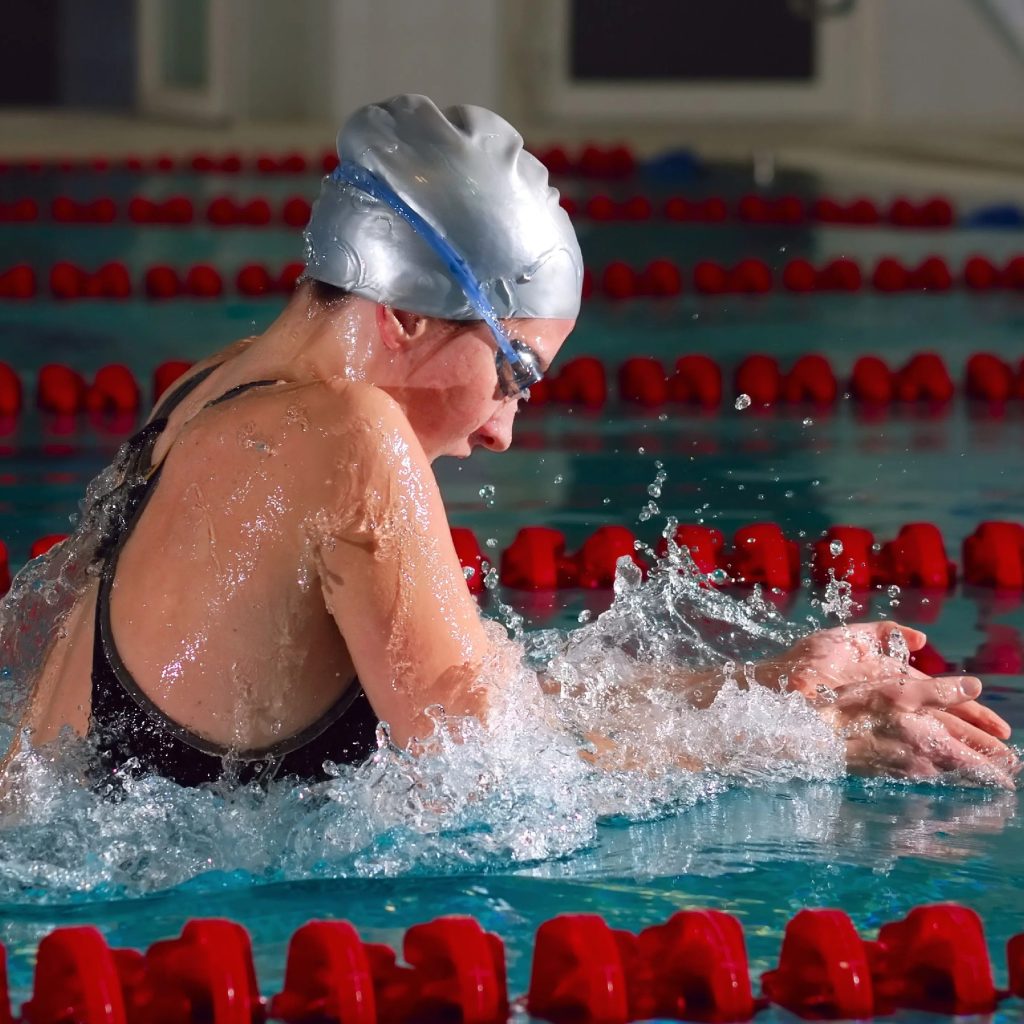
Breaststroke comes next. It moves slower but uses powerful leg and arm actions. Bring hands together in front, then sweep them outward. At the same time, draw heels toward hips. Kick in a circular motion—often called the “frog kick.” This stroke builds lower-body strength.
Finally, try elementary backstroke. It’s great for recovery days. Use a whip kick and simultaneous arm pulls. Glide between movements. This restful pace teaches timing and control.
Practice each stroke for one week before adding the next. Mix them later as you gain confidence. Proper technique prevents injury and improves efficiency over time.
Using Equipment to Enhance Learning
Tools That Support Progress and Form
Training aids make swimming workouts for beginners easier and more effective. Kickboards are among the most useful. Hold one in front while practicing leg movements. This isolates the lower body and improves kick strength. Use it during freestyle and backstroke drills.
Pull buoys are equally helpful. Place one between your thighs or knees. This lifts your legs and allows you to focus on arm technique. It reduces drag and helps maintain balance. Many beginners rely on pull buoys when learning proper body position.
Fins increase ankle flexibility and leg power. Short-blade fins are best for new swimmers. They provide propulsion without straining joints. Wear them during kick sets to build endurance. Remove them once fatigue sets in.
Snorkels can assist with breathing rhythm. They let you keep your face in the water while inhaling freely. This removes the challenge of turning your head to breathe. Use a snorkel only during drills, not full laps.
Goggles are essential for clear vision and eye protection. Choose anti-fog models that fit snugly. Practice putting them on and clearing water if needed. Comfortable gear removes distractions. As a result, you can concentrate fully on movement and form.
Tracking Progress and Setting Goals
Measuring Improvement Beyond Speed
Many beginners think success means swimming faster. However, real progress includes other milestones. At first, completing one full lap without stopping is an achievement. Later, reducing rest time between lengths shows growth. Eventually, increasing distance becomes the goal.
Use simple markers to track changes. Record how many laps you swim each week. Note whether your breathing feels smoother. Ask yourself if you’re more relaxed in deep water. These signs indicate improvement even if numbers don’t change.
Set small, realistic goals. For example, aim to swim two consecutive lengths by week three. Or master side breathing in freestyle within a month. Celebrate each success. Reward yourself with new goggles or a swimsuit. Positive reinforcement builds long-term habits.
Another sign of progress is reduced muscle soreness. Early sessions may leave shoulders or legs tired. Over time, your body adapts. Movements feel more natural. You recover faster after workouts.
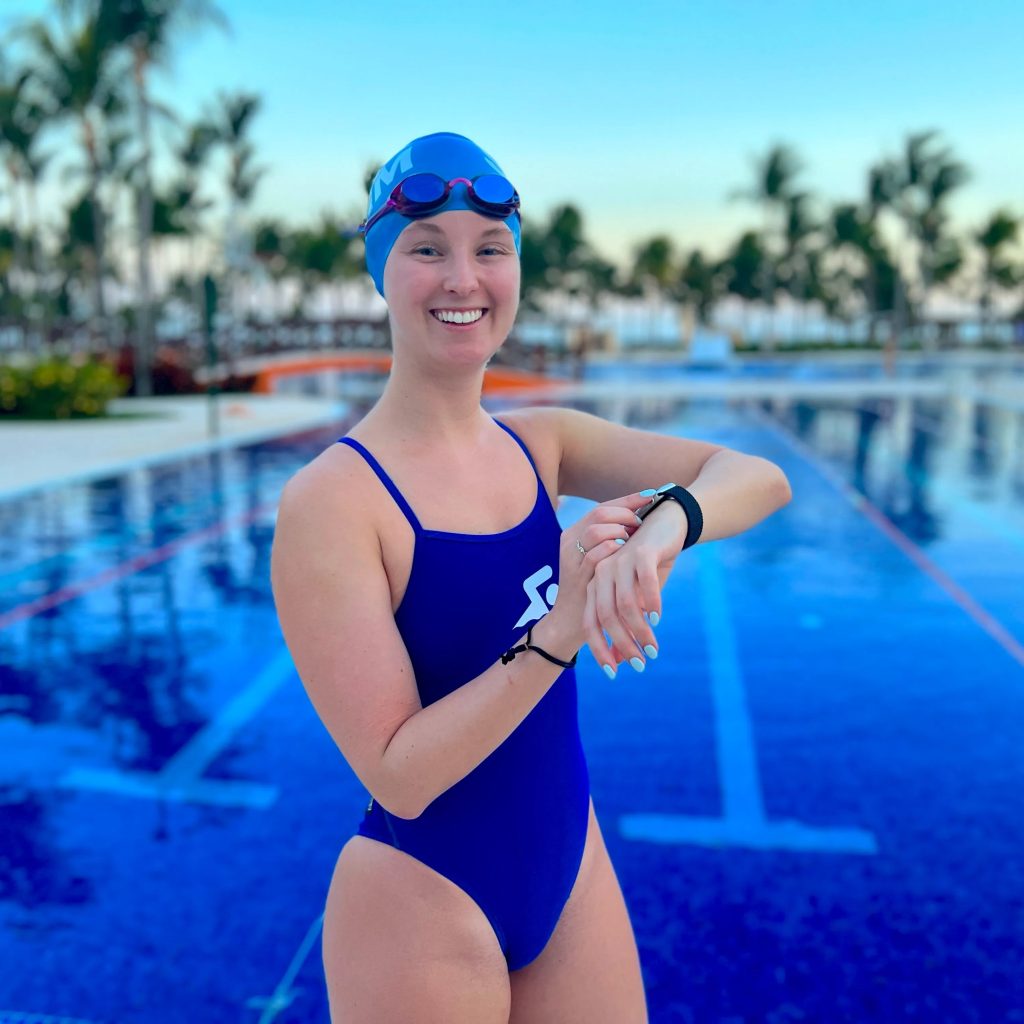
Fitness apps can log workouts and remind you of sessions. Some track heart rate if used with wearable devices. Others offer guided beginner plans. Choose tools that match your lifestyle. The key is consistency, not perfection.
 Adapting Workouts for Different Needs
Making Swimming Accessible for All Bodies
One major benefit of swimming workouts for beginners is inclusivity. People with arthritis, obesity, or past injuries often struggle with land-based exercise. Water supports up to 90% of body weight. This reduces pressure on knees, hips, and spine. Joint movement becomes easier and less painful.
Pregnant women also benefit. Swimming relieves swelling and back strain. It strengthens core muscles without impact. Always consult a doctor first. Avoid overheating and high-pressure dives. Stick to gentle strokes and steady pacing.
Older adults gain balance and coordination. Water resistance improves muscle tone. The risk of falling disappears. Many community centers offer senior swim classes. These include warm-up exercises and social interaction.
Overweight individuals find swimming empowering. It burns calories without embarrassment. No jarring movements mean less self-consciousness. Progress happens quietly and privately.
People with respiratory conditions like asthma may see improved lung function. Controlled breathing patterns strengthen diaphragm muscles. Always start slow and monitor effort. Stop if dizziness or tightness occurs.
No matter your background, swimming meets you where you are. Adjust pace, distance, and tools to suit your needs. The pool welcomes everyone.
 Frequently Asked Questions About Beginner Swimming
Addressing Common Worries and Misconceptions
Many beginners ask if they need to know how to swim before joining a class. The answer is no. Most programs welcome non-swimmers. Instructors guide you step by step. Safety comes first.
Others wonder about age limits. You’re never too old to learn. Adults in their 60s, 70s, and beyond start swimming successfully. Patience and repetition lead to results.
Is chlorine harmful? For most, it’s safe. Shower before and after to reduce exposure. Rinse swimsuits promptly. Use moisturizer if skin feels dry.
Do I need special gear? At minimum, a swimsuit, towel, and goggles. Caps help keep hair out of the face. Earplugs prevent water from entering ears if sensitive.
Can I eat before swimming? Light snacks are fine. Avoid heavy meals. Wait 30–60 minutes after eating.
How do I handle fear of deep water? Stay in shallow areas until ready. Use pool noodles or floats. Work with a trusted instructor. Fear fades with experience.
What if I get tired fast? That’s normal. Take breaks. Build endurance slowly. Every session gets easier.
 Conclusion: Making Swimming a Lifelong Habit
Final Thoughts on Starting Swimming Workouts for Beginners
Starting swimming workouts for beginners doesn’t require talent or speed. It only takes willingness and patience. The water offers a unique space to grow physically and mentally. Each session builds strength, confidence, and peace of mind.
Over time, what once felt impossible becomes routine. Jumping in, floating, gliding—these acts turn into skills. Progress may seem slow at first. However, small efforts add up. Regular practice leads to real transformation.
Swimming also connects people. Many find friends in classes or lap lanes. Shared struggles create bonds. Smiles happen easily in this relaxed environment.
Most importantly, it’s enjoyable. Few exercises combine fitness, fun, and freedom like swimming. Whether you continue for health, competition, or relaxation, the benefits last a lifetime.
So, take the first step. Walk into the pool. Dip your toes. Then dive in. Because swimming workouts for beginners are not just about moving through water—they’re about moving forward in life.