A swimming pool adds joy, relaxation, and value to any home. However, over time, even the best-maintained pools show signs of wear. Cracks, fading, rough textures, or leaks can develop. When this happens, many homeowners consider a major upgrade. One of the most effective solutions is swimming pool resurfacing. This process replaces the old interior finish with a fresh, durable surface.
Moreover, swimming pool resurfacing does more than improve appearance. It also enhances safety by removing sharp edges and uneven areas. In addition, it prevents water loss and improves chemical balance retention. Whether your pool is 10 years old or nearing two decades, resurfacing brings it back to life. Therefore, understanding when and how to proceed is essential for long-term enjoyment.
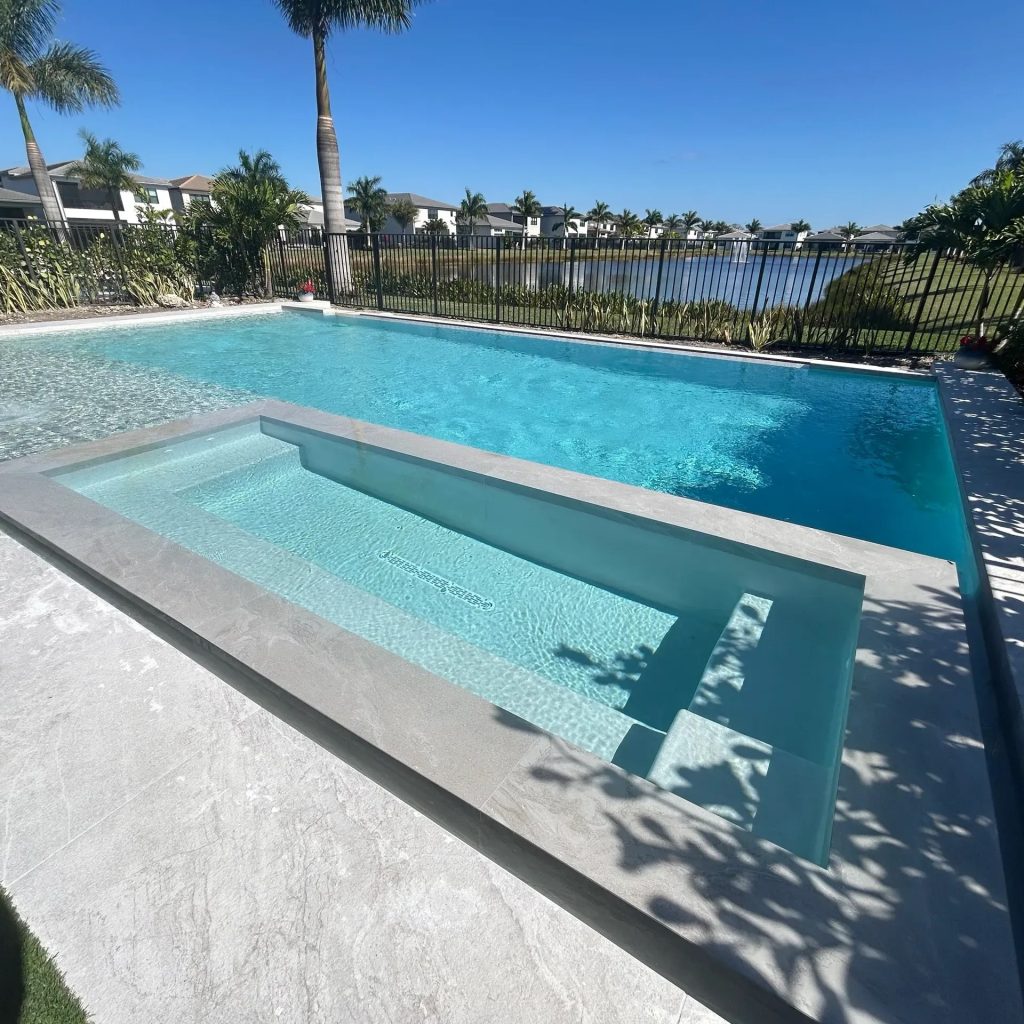 Signs You Need Pool Resurfacing Soon
Visible Damage That Can’t Be Ignored
If you notice cracks in the pool shell, it’s a clear signal that action is needed. Hairline fractures may seem minor at first. However, they often expand due to freeze-thaw cycles or ground movement. As they grow, they allow water to seep into the structure. This compromises stability over time.
Another sign is spalling or flaking plaster. The surface begins to peel away in patches. These exposed areas feel rough underfoot and can irritate swimmers’ skin. Additionally, algae find it easier to cling to damaged spots. Even frequent brushing fails to keep them clean.
Rough texture across large sections means the original coating has degraded. A once-smooth floor now feels like sandpaper. Swimmers complain about scraped knees or feet. This discomfort indicates it’s no longer safe for barefoot use.
Discoloration is another red flag. Stains from metals, organic matter, or imbalanced chemicals become permanent. Shock treatments and scrubbing do not restore the original color. Instead, the entire layer needs replacement.
Therefore, early detection saves money and prevents bigger issues later.
How Pool Resurfacing Improves Long-Term Performance
Boosting Durability and Water Efficiency
Resurfacing doesn’t just refresh looks—it strengthens the entire pool system. A new surface seals cracks and stops slow leaks. As a result, water loss decreases significantly. You won’t need to refill as often, which saves both water and money.
In addition, modern finishes resist algae growth better than older materials. They have smoother compositions that make it harder for microbes to take hold. This reduces the need for heavy chemical use. Chlorine stays more effective because it isn’t consumed fighting biofilm buildup.
Furthermore, heat retention improves with certain coatings. Darker or textured finishes absorb sunlight more efficiently. Pools stay warmer longer into the evening. This extends swim seasons without relying on heaters.
Energy costs go down when filtration runs smoothly. Old, crumbling surfaces shed debris into the water. This clogs filters faster and forces pumps to work harder. After swimming pool resurfacing, circulation becomes more efficient.
Finally, structural integrity increases. The bonding process reinforces weak points in the shell. This prepares the pool for future stress from weather or usage. Overall, resurfacing acts as both repair and prevention.
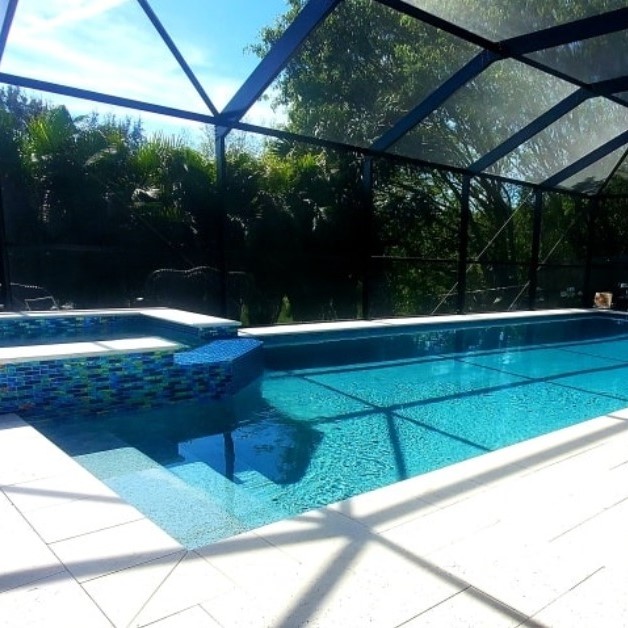 Choosing the Right Materials for Your Pool Resurfacing Project
Comparing Plaster, Pebble, Quartz, and Tile
Several materials are available for swimming pool resurfacing, each with unique benefits. Plaster remains the most common choice. It’s affordable and quick to apply. Technicians mix white cement and marble dust to create a smooth finish. However, it typically lasts only 5 to 7 years before needing renewal.
Pebble finishes offer greater durability. Small river stones are embedded into the surface. This creates a naturally non-slip texture that feels pleasant underfoot. Pebble surfaces last 10 to 15 years or more. They also resist staining and require less maintenance. Although more expensive upfront, they save money over time.
Quartz aggregate is a middle-ground option. It combines ground quartz crystals with cement. The result is a sparkling, stain-resistant surface. It’s stronger than plaster but softer than pebble. Many families prefer it for its balance of comfort and longevity.
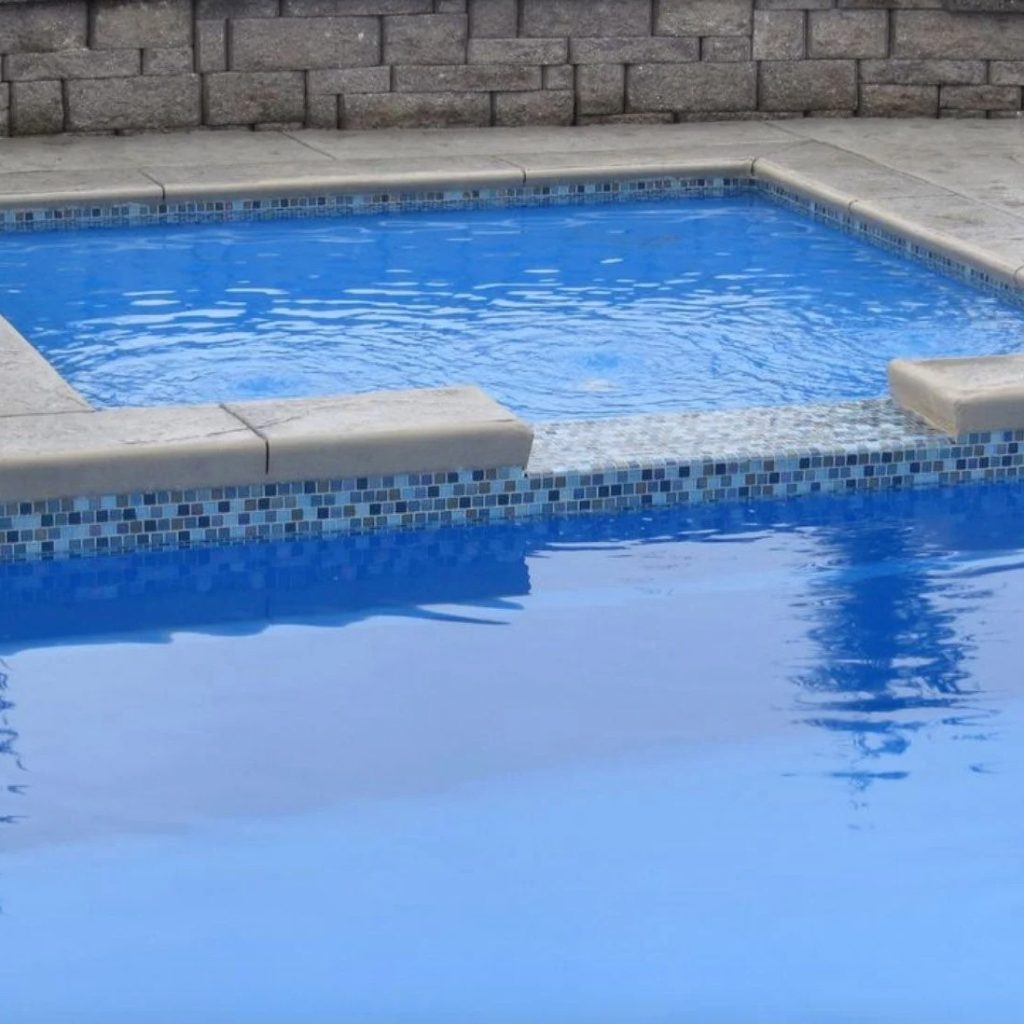
Tile, especially glass or ceramic, provides a high-end look. While not applied over the entire pool, it often lines the waterline or steps. Some owners choose full tile resurfacing for luxury appeal. Tile lasts decades but requires skilled installation and higher labor costs.
Ultimately, your choice depends on budget, climate, and personal style.
The Step-by-Step Process of Professional Pool Resurfacing
What Happens During a Typical Refinishing Job
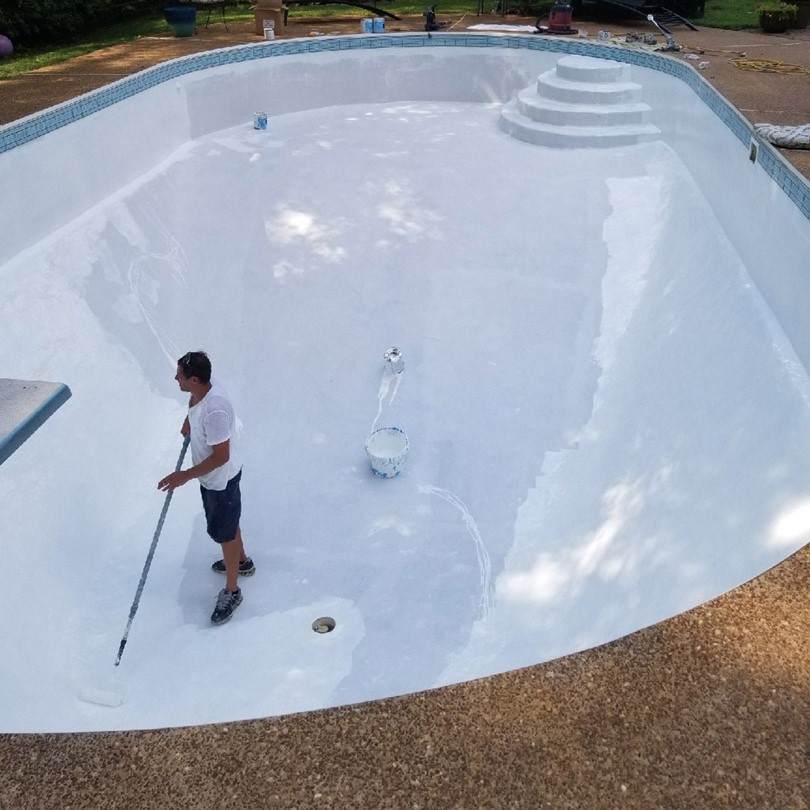
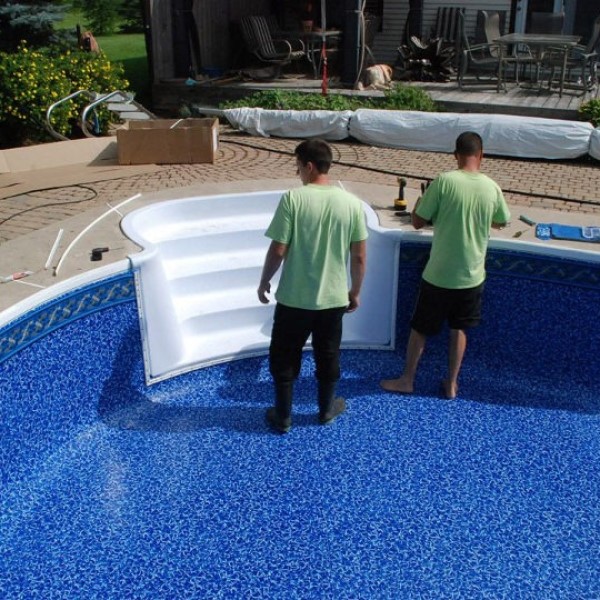
Professional swimming pool resurfacing follows a structured sequence. First, technicians drain the pool completely. Then they inspect the shell for damage. Any cracks or voids are repaired using hydraulic cement or epoxy injections.
Next, the surface undergoes acid washing or sandblasting. This removes old material and prepares the base for adhesion. Workers rinse thoroughly to eliminate residue. A clean, porous foundation ensures the new layer bonds properly.
After drying, a bonding agent is applied. This primer helps the new finish stick firmly. Once set, crews begin applying the selected material—plaster, pebble, or quartz. They trowel it evenly across walls and floors. Skilled workers maintain consistent thickness throughout.
Then comes the curing phase. The pool must remain empty while the coating hardens. This takes several days depending on humidity and temperature. During this time, workers may mist the surface to prevent cracking.
Finally, the pool is refilled slowly. Chemicals are balanced immediately to protect the new finish. Start-up procedures ensure proper pH and alkalinity levels. Within a week, the pool is ready for use.
 Cost Factors in Pool Resurfacing Projects
Understanding What Influences the Final Price
The total cost of swimming pool resurfacing varies widely. Size is a primary factor. Larger pools require more materials and labor. A small 12×24 foot pool costs less than a freeform design over 30 feet long.
Material choice also impacts pricing. Plaster is the most economical. Pebble and quartz finishes cost more due to raw material expenses and application complexity. Tile installations demand the highest investment because of craftsmanship involved.
Labor rates differ by region. Urban areas often charge more than rural locations. Experienced contractors may have higher fees, but their work tends to last longer. Choosing quality over savings avoids costly repairs later.
Additional repairs increase the bill. If structural cracks need fixing or plumbing lines are damaged, these add-ons raise the total. Older pools may require coping replacement or deck adjustments.
Permits and disposal fees apply in some municipalities. Removing old debris involves trucking and dumping charges. Some companies include these in quotes; others list them separately.
Lastly, timing affects cost. Scheduling during off-season months—late fall or winter—can yield discounts. Contractors have more availability and may offer promotions. Planning ahead leads to better deals.
DIY vs. Hiring Professionals for Pool Resurfacing
Weighing Risks and Rewards of Each Option
Some homeowners consider doing swimming pool resurfacing themselves. They aim to cut costs and enjoy a hands-on project. However, this approach carries significant risks. Surface preparation alone requires specialized tools and knowledge. Mistakes at this stage lead to poor adhesion and premature failure.
Mixing materials correctly is another challenge. Too much water in plaster weakens it. Uneven troweling creates thin spots that crack quickly. Without experience, achieving a uniform finish is nearly impossible.
Also, draining and refilling involve working with pumps and valves. Errors can damage equipment or cause flooding. Chemical startup after refilling demands precision. Incorrect balancing harms the new surface within days.
On the other hand, licensed professionals bring expertise and warranties. They follow industry standards and use commercial-grade products. Most offer guarantees ranging from 1 to 5 years. This protection gives peace of mind.
They also manage permits, debris removal, and scheduling. You avoid rental fees for heavy machinery. Communication with inspectors and suppliers falls on them.
While hiring costs more upfront, it prevents costly rework. For most people, the long-term value outweighs the initial price difference.
 Environmental and Health Benefits of Modern Pool Resurfacing
Cleaner Water and Safer Swimming Conditions
Upgrading your pool surface supports healthier swimming environments. New finishes reduce bacterial buildup. Smooth, non-porous coatings prevent microorganisms from clinging. This lowers reliance on harsh sanitizers.
In addition, fewer chemicals mean less irritation. Swimmers report fewer cases of red eyes, dry skin, or bleached swimsuits. Families with children or sensitive skin benefit greatly.
Modern materials also reduce environmental impact. Pebble and quartz aggregates come from natural sources. They last longer, so replacements happen less often. This cuts down on construction waste over time.
Water conservation improves too. Sealed surfaces minimize leaks. You top off less frequently, preserving local water resources. In drought-prone areas, this matters even more.
Energy efficiency increases with better heat absorption. Darker or textured finishes retain warmth from sunlight. Pools stay comfortable longer without running heaters. This reduces electricity or gas consumption.
Overall, swimming pool resurfacing contributes to sustainable backyard living. It aligns eco-conscious values with practical upgrades.
Frequently Asked Questions
How Often Should I Resurface My Pool?
Most plaster pools need refinishing every 5 to 7 years. Pebble and quartz surfaces last 10 to 15 years. Watch for signs like cracks, roughness, or discoloration. Early action prevents bigger problems.
Can I Change the Shape During Resurfacing?
No, resurfacing only replaces the interior coating. It does not alter structure. For shape changes, a full renovation or rebuild is required. Consult a contractor for feasibility.
How Long Does the Process Take?
Typical jobs last 5 to 10 days. Draining and prep take 1–2 days. Application and curing require 3–7 days. Refilling and balancing add another day. Weather delays may extend timelines.
Will There Be Odors or Dust During Work?
Yes, some dust occurs during surface prep. Contractors use tarps and wet methods to control it. Mild odors may appear during curing but fade quickly. Keep kids and pets away during active phases.
 Final Thoughts
Choosing swimming pool resurfacing transforms an aging pool into a safe, beautiful space. It restores function, boosts curb appeal, and increases property value. More importantly, it ensures years of worry-free enjoyment.
Beyond aesthetics, it supports health, efficiency, and sustainability. With the right materials and professionals, your pool becomes a reliable retreat. Whether hosting gatherings or relaxing solo, the results make a lasting difference. Ultimately, swimming pool resurfacing is not just maintenance—it’s an investment in lifestyle.