What to Look for in High-Quality Swimming Suits for Kids in 2026
Swimming suits for kids are more than just fun beachwear. They play a vital role in water safety, comfort, and confidence during swim lessons, pool parties, or family vacations. Designed specifically for growing bodies, these swimsuits offer better fit, durability, and freedom of movement than adult versions. Whether your child is splashing in shallow water or learning to swim, the right suit makes all the difference. Modern styles include one-pieces, two-pieces, rash guards, and swim trunks—each tailored to age, activity level, and personal preference.
Moreover, quality swimming suits for kids resist chlorine damage, dry quickly, and provide UV protection. Parents value practical features like easy-on designs, secure fits, and soft linings. At the same time, children love bright colors, cartoon prints, and playful details. This guide explores types, materials, sizing tips, and care practices.
 Types of Swimming Suits for Kids
One-Pieces, Bikinis, Rash Guards, and Trunks
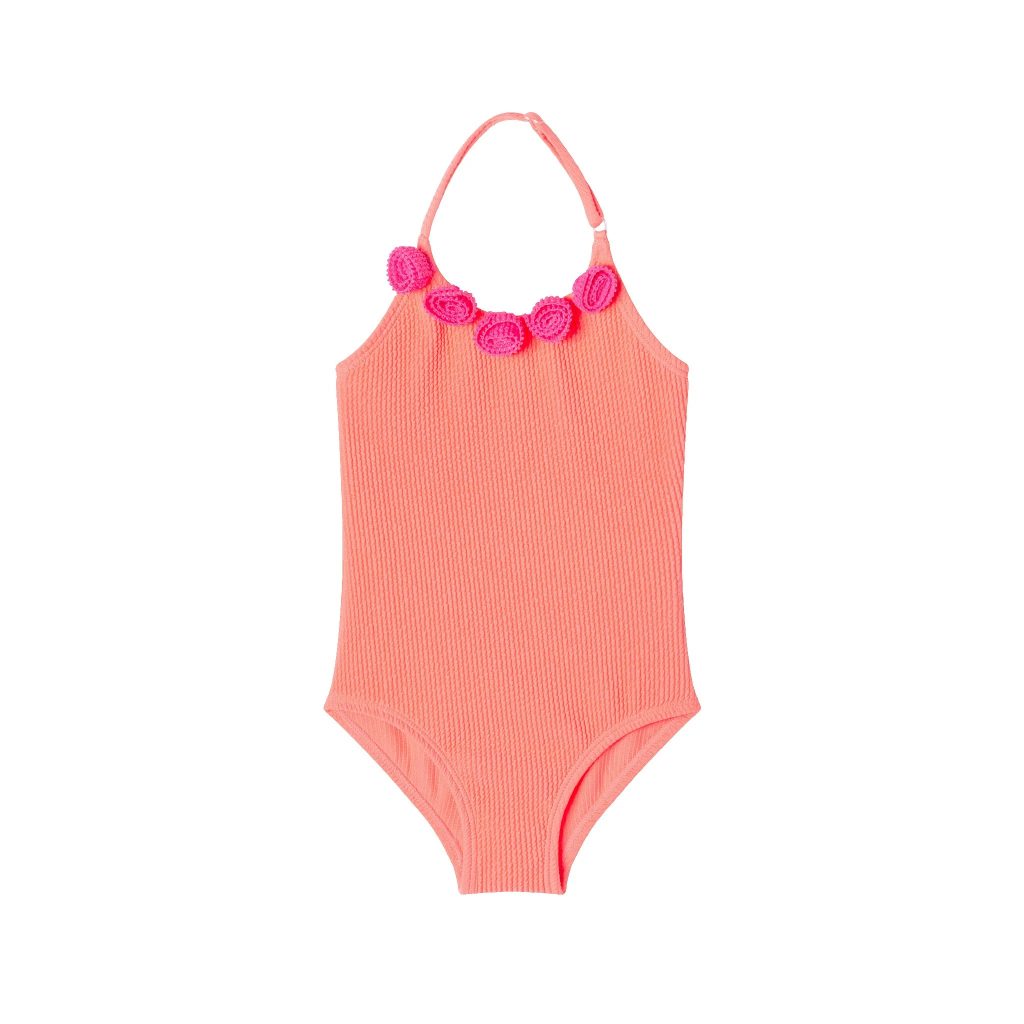
One-piece swimming suits for kids remain the most popular choice. They offer full coverage and support. Ideal for swim lessons, they allow unrestricted movement. Many include built-in bras for older girls. Front zippers help with quick changes. These suits suit toddlers and pre-teens alike.
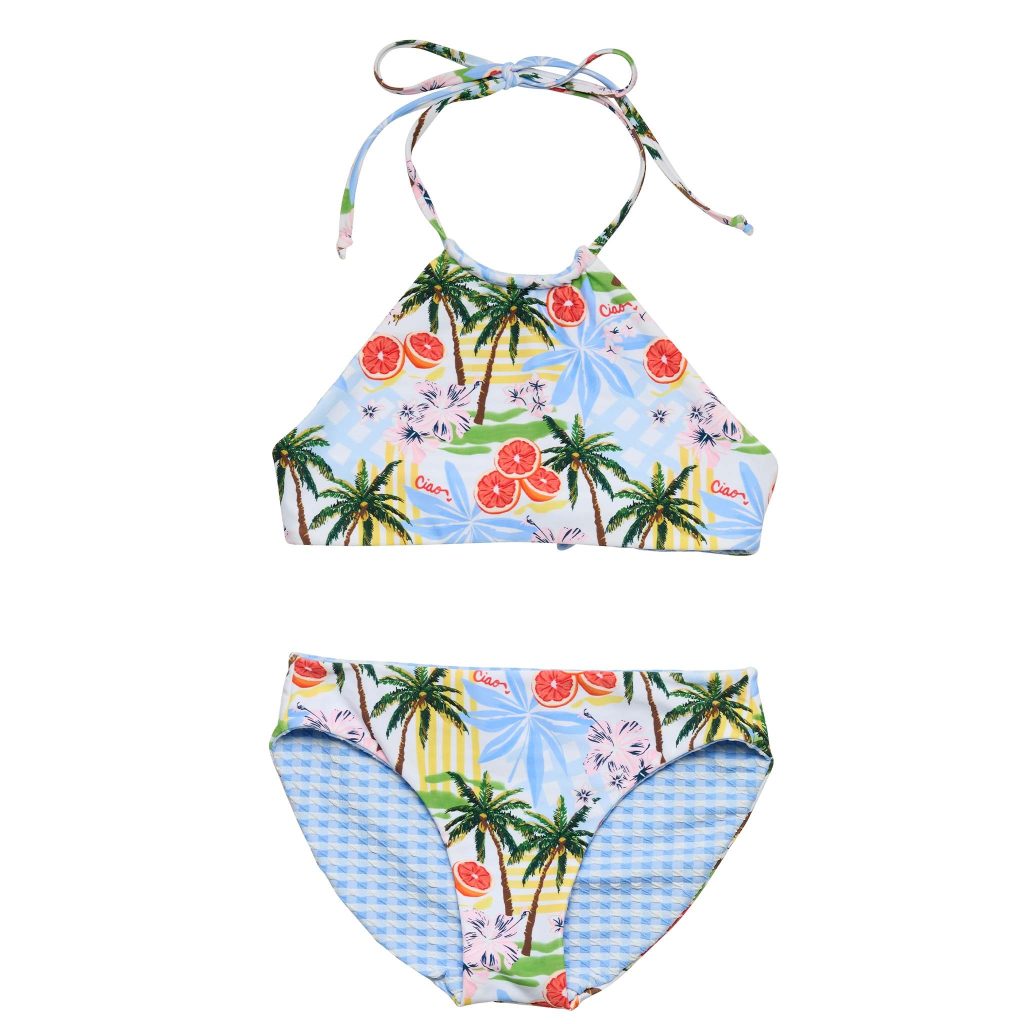
Bikini-style sets appeal to older girls who want more style. Tops come as bandeaus, halters, or tankinis. Bottoms vary from high-waisted to cheeky cuts. These work best at beaches or pools where modesty matters less. Always ensure a snug fit to prevent shifting.
Rash guards serve dual purposes. They protect against sunburn and reduce friction from pool decks or slides. Long-sleeved versions cover arms and torso. Many have UPF 50+ ratings. These are excellent for outdoor swimming. Some feature zip fronts for easier dressing.
For boys, swim trunks and jammers dominate. Trunks are loose-fitting with mesh liners. They suit casual play. Jammers are tighter and streamline the body. Competitive swimmers use them to reduce drag.
Each type meets different needs. Choose based on activity, age, and comfort.
Materials That Ensure Durability and Comfort
Nylon, Spandex, Polyester, and Chlorine-Resistant Blends
Most swimming suits for kids use nylon-spandex blends. This mix offers stretch, shape retention, and softness. The spandex allows up to 20% elasticity. This ensures the suit moves with the child’s body. It doesn’t restrict crawling, jumping, or swimming.
Polyester is another common fabric. It resists chlorine better than nylon. This extends the life of the suit in frequent pool use. Many competitive swimwear brands use polyester for this reason. It dries fast and holds color well.
Chlorine-resistant fabrics are essential. Regular exposure breaks down fibers over time. Suits made with PBT (polybutadiene) or Xtra Life Lycra last longer. They maintain elasticity even after months of use. These are worth the extra cost for active families.
Soft inner linings prevent chafing. Seamless designs reduce irritation. Flatlock stitching lies flat against the skin. These details matter for sensitive skin.
Avoid cotton-based suits. Cotton absorbs water and becomes heavy. It increases drying time and encourages mildew. It also stretches out quickly.
Choose technical fabrics that handle real-life wear. A well-made swimming suit for kids survives countless dips.
 Choosing the Right Size and Fit
Measuring for Growth, Mobility, and Safety
Getting the correct size ensures both safety and comfort. Start by measuring chest, waist, hips, and height. Compare results to brand-specific charts. Sizes vary widely between manufacturers. Always check before buying.
Many parents size up slightly. Kids grow fast, especially between ages 3 and 10. Extra room allows growth over a season. However, avoid overly large fits. Too much fabric may slip off during play. Loose bottoms can fall down when swimming.
Look for adjustable features. Drawstring waists, elastic bands, and hook-and-eye closures allow flexibility. These adapt as the child grows. They also help with potty training or layering.
Ensure proper coverage. The suit should not ride up or expose skin unnecessarily. Leg openings must stay in place during movement. Armholes should not dig into shoulders.
Test mobility. Have your child jump, squat, and stretch. Watch for pulling or pinching. If it shifts too much, try a different cut.
A well-fitted swimming suit for kids stays secure without being tight.
Sun Protection and UV Safety
Rash Guards, UPF Ratings, and Cover-Ups
Sun safety is critical during outdoor swimming. Children’s skin burns faster than adults’. Even short exposures can cause damage. Swimming suits for kids now include UPF-rated fabrics. UPF 30 blocks 96.7% of UV rays. UPF 50+ blocks over 98%.
Rash guards are the top choice for sun protection. They cover arms and torso. Many extend to the neck or have hoods. Long sleeves keep shoulders shaded. These are ideal for beach days or tropical travel.
Some one-pieces include higher necklines or long legs. Others feature mesh panels for airflow. These combine coverage with breathability.
Always pair swimwear with other protections. Apply waterproof sunscreen to exposed areas. Reapply every two hours. Use wide-brimmed hats and sunglasses. Seek shade during peak sun hours.
Cover-ups add extra defense. Lightweight kimonos or swim shirts go over suits. They block wind and sun while drying quickly.
UV-safe swimming suits for kids reduce burn risk. They let families enjoy water safely.
 Styling Options and Fun Designs
Prints, Colors, Themes, and Character Collaborations
Kids love choices. Bright colors, fun patterns, and character prints make swimming exciting. Popular themes include mermaids, dinosaurs, superheroes, and ocean animals. These spark imagination and joy.
Girls often choose floral, polka dots, or glitter finishes. Metallic accents catch sunlight. Ruffles and bows add flair. Older girls prefer minimalist styles with subtle logos.
Boys favor camo, sharks, race cars, or sports teams. Bold graphics project energy. Camouflage prints blend into nature. Team jerseys build pride.
Gender-neutral options grow in popularity. Solid colors like navy, gray, or teal suit all genders. Animal prints, rainbows, and space themes attract diverse tastes.
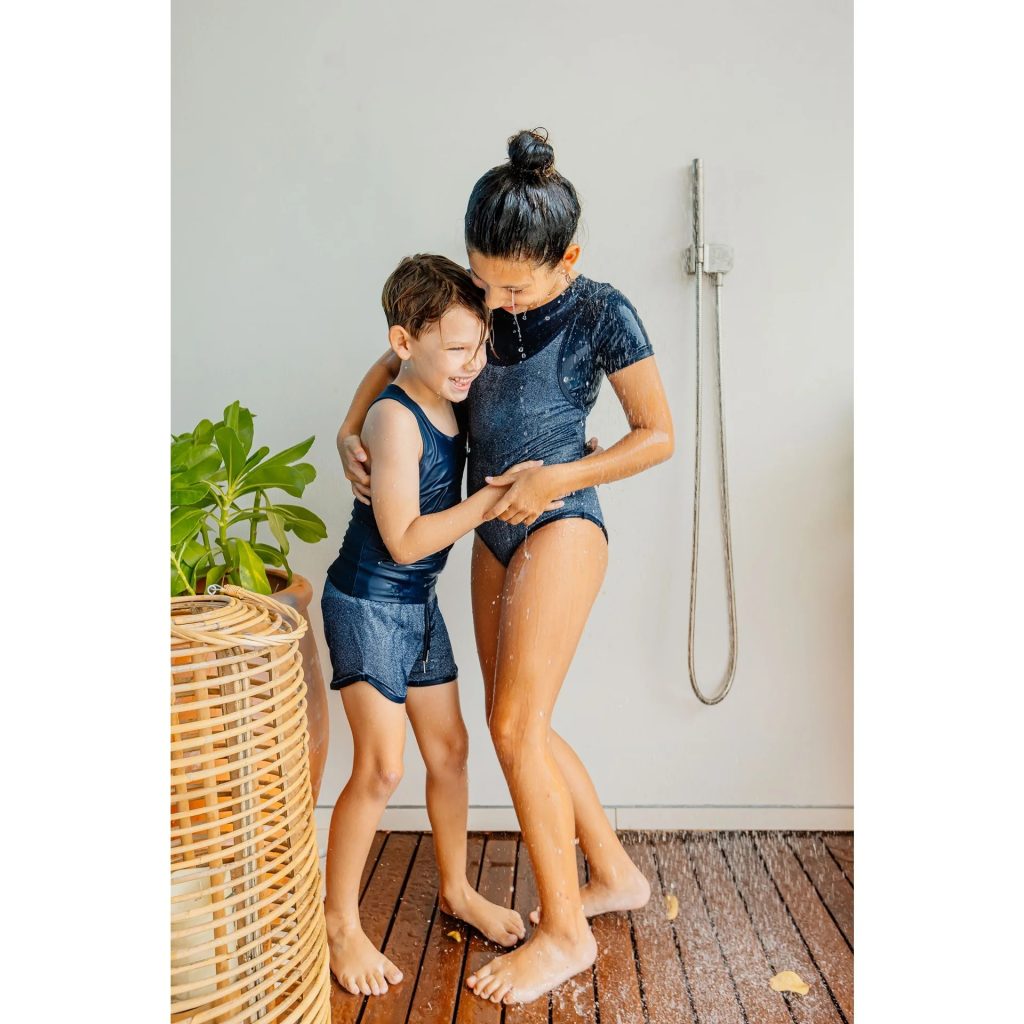
Matching sibling sets create photo moments. Coordinated colors build unity. Family beach trips become picture-perfect.
Design influences confidence. When kids feel good, they participate more. Letting them choose boosts ownership and excitement.
Caring for Your Child’s Swimwear
Washing, Drying, and Extending Lifespan
Proper care keeps swimming suits for kids looking new. Rinse after each use. Cold water removes chlorine, salt, and sand. Soak for five minutes if needed. This prevents chemical buildup.
Wash only when necessary. Frequent washing wears out fibers. Hand wash with mild soap. Use a gentle cycle if machine washing. Place the suit in a mesh laundry bag. This protects seams and fabric.
Never use bleach or fabric softener. These break down elastic threads. Avoid wringing out the suit. Instead, press gently between towels. Remove excess water carefully.
Air dry away from direct sunlight. UV rays fade colors and weaken fabric. Hang upside down or lay flat. Do not use a dryer. Heat damages spandex and causes shrinkage.
Store clean and dry. Fold neatly or hang loosely. Avoid damp piles that encourage mildew. Rotate between multiple suits to reduce wear.
Well-maintained swimwear lasts seasons. It saves money and reduces waste.
 Frequently Asked Questions About Kids’ Swimwear
Answering Common Parent Concerns
Can babies wear regular swimming suits?
No. Babies need swim diapers underneath. Their suits should have snaps or zippers for easy changes. Look for soft, non-irritating fabrics.
How many swimming suits for kids should I own?
Three to four is ideal. This allows rotation. Wet suits need time to dry fully.
Do swim trunks shrink?
Only if dried incorrectly. Always air dry. Heat weakens fibers and alters fit.
Are rash guards necessary?
Yes, for sun-heavy locations. They protect skin and reduce rashes from friction.
Can my child wear their suit under clothes?
Only briefly. Wet fabric irritates skin. Change into dry clothes after swimming.
These answers help parents make informed decisions.
 Summary: What to Look for in High-Quality Swimming Suits for Kids in 2026
Final Thoughts on Choosing the Best Swimwear for Young Swimmers
Swimming suits for kids do more than keep them covered. They support safety, comfort, and joyful water play. From chlorine resistance to vibrant designs, every detail matters. Whether used for lessons, vacation, or backyard fun, the right suit enhances the experience.
Choose one that fits well and matches your lifestyle. Prioritize quality materials and ease of care. Let your child help pick their favorite style. Confidence starts with feeling good.
As seasons change, so do swimwear needs. Stay prepared with versatile, durable options. With proper care, each suit delivers lasting value.
Ultimately, great swimming suits for kids open doors to adventure. They encourage movement, exploration, and lifelong love of water. Pick wisely—and let the fun begin.