Setting up a backyard pool no longer requires hiring expensive contractors or waiting months for construction. Today, swimming pool kits make it easier than ever to install a functional and attractive pool on your own. These all-in-one packages include essential components like liners, frames, pumps, filters, and detailed instructions. They are designed for homeowners who want control over the process without sacrificing quality. Whether you’re looking for an above-ground model or a semi-inground option, there’s a kit to match your space and budget.
Moreover, swimming pool kits come in various sizes and styles. Some assemble in just a few days, while others offer permanent structures that last for years. They provide an affordable alternative to custom-built pools. Families, fitness enthusiasts, and entertainers alike benefit from having instant access to water-based recreation. This guide explores everything you need to know about selecting, installing, and maintaining swimming pool kits.
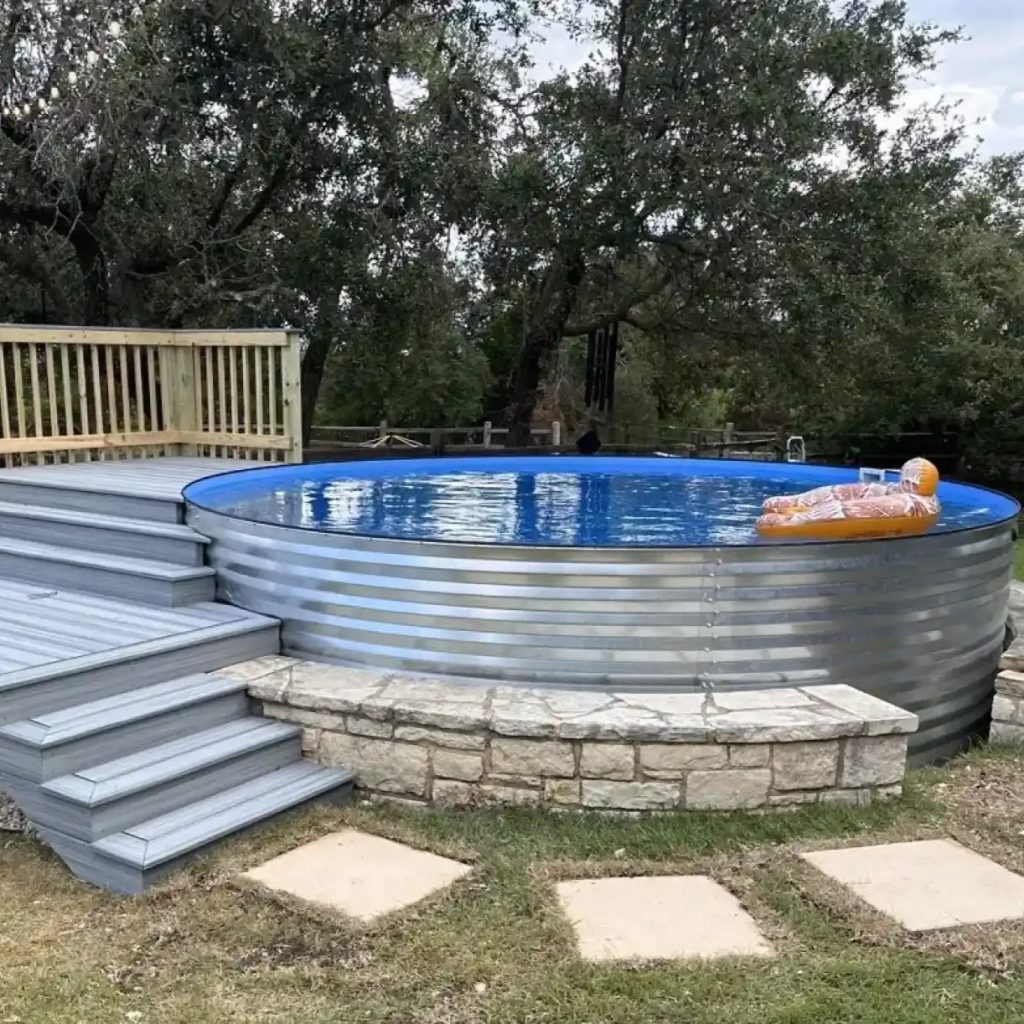 Choosing the Right Type of Pool Kit
Comparing Above-Ground, Semi-Inground, and Inflatable Options
Above-ground swimming pool kits are among the most popular choices. They sit directly on leveled ground and require minimal excavation. Most models feature metal, resin, or wood walls with a vinyl liner. Setup usually takes one to three days with basic tools. These kits work well for temporary use or renters who may relocate.
Semi-inground kits offer a middle ground between above-ground and full inground pools. You partially bury them to create a built-in look. This design improves aesthetics and stability. It also allows easier integration with decks or landscaping. However, installation needs more preparation, including digging and backfilling.
Inflatable pool kits are ideal for small spaces or seasonal use. They inflate quickly with a pump and deflate for storage. While convenient, they are less durable and not suitable for diving or rough play. Families with young children often prefer this low-cost, low-commitment option.
Each type has pros and cons. Consider your yard layout, local weather, and long-term goals. Also, check homeowner association rules if applicable. Selecting the right style ensures your swimming pool kits deliver both fun and value.
Essential Components Included in Most Kits
Understanding What Comes in the Box
Standard swimming pool kits contain several core parts. The frame forms the structural support. For above-ground models, this includes top rails, uprights, and braces made from galvanized steel or corrosion-resistant resin. These pieces lock together to form a stable ring.
Next, the liner holds the water. Most kits use puncture-resistant PVC or laminated vinyl. Liners come in different patterns, such as solid blue, mosaic tile, or stone textures. Measure your pool area accurately to ensure a proper fit. A loose or tight liner can lead to leaks or tears.
The filtration system keeps water clean. Kits typically include a sand filter or cartridge filter paired with a circulation pump. The pump draws water, removes debris, and returns purified water to the pool. Run it for 6–8 hours daily for optimal results.
Additionally, many kits bundle accessories. These may include a ladder, ground cloth, skimmer, and chemical starter pack. Some even offer pool covers to reduce evaporation and block debris. Review the contents list before buying. Missing parts can delay setup and increase costs.
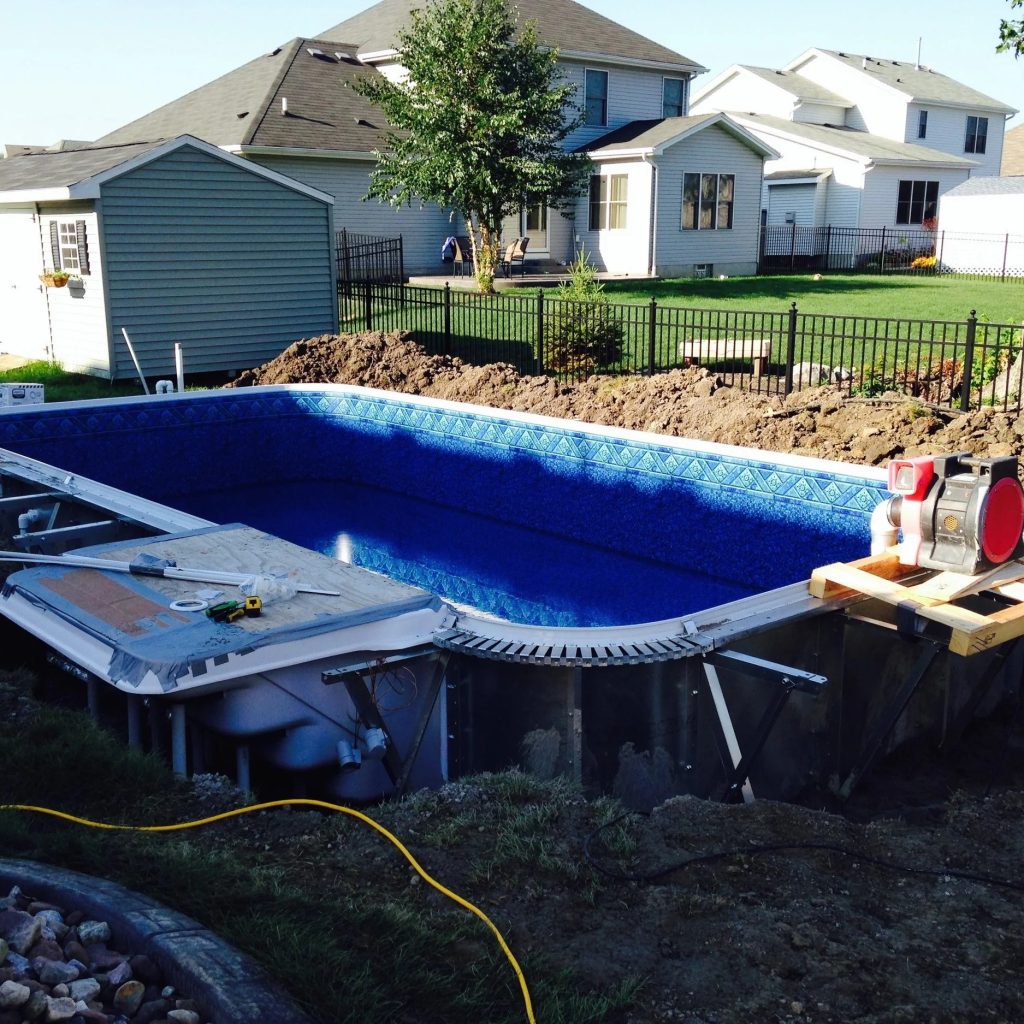 Tools and Preparation Needed Before Assembly
Getting Your Yard Ready for Installation
Before unpacking your swimming pool kits, prepare the site carefully. First, choose a flat, open area away from trees and power lines. Falling leaves increase maintenance. Overhead wires limit equipment use during setup.
Clear the ground of rocks, roots, and sharp objects. These can damage the liner over time. Use a shovel and rake to level the surface. Then lay down a protective ground cloth or foam padding. This cushion prevents abrasion and extends liner life.
You’ll need common tools for assembly. These include wrenches, screwdrivers, a rubber mallet, and a tape measure. A spirit level ensures the frame stays even. An electric drill speeds up bolt tightening. Have a garden hose ready for filling.
Mark the pool’s outline using stakes and string. This helps align the base correctly. Double-check measurements from corner to corner. Uneven diagonals mean the shape is skewed. Fix alignment issues early.
Also, plan for drainage. Heavy rain can flood the area around the pool. Position it where water flows away naturally. Avoid low spots that collect runoff. Proper prep work leads to smoother installation and fewer problems later.
Step-by-Step Assembly Process
Building Your Pool Safely and Efficiently
Begin by assembling the frame according to the manual. Attach vertical supports to the bottom rails first. Then connect top rails and secure joints with bolts. Make sure each connection is tight but not over-torqued. Stripped threads weaken the structure.
Once the frame stands upright, install the liner. Unfold it slowly and drape it over the wall. Start at one side and work your way around. Smooth out wrinkles as you go. Do not stretch the material. Let excess hang at the bottom until filling begins.
Next, attach the liner to the top rail using coping strips or retaining clips. These hold the liner in place and create a finished edge. Work slowly to avoid tearing. Have extra hands available—this step is easier with two or three people.
After securing the liner, install the pump and filter. Connect hoses tightly and prime the pump before starting. Fill the pool gradually. As water rises, the liner will settle into position. Adjust it gently if needed.
Finally, turn on the system and check for leaks. Inspect connections, seams, and return jets. Run the filter continuously for the first 24 hours. This stabilizes water flow and starts the cleaning process.
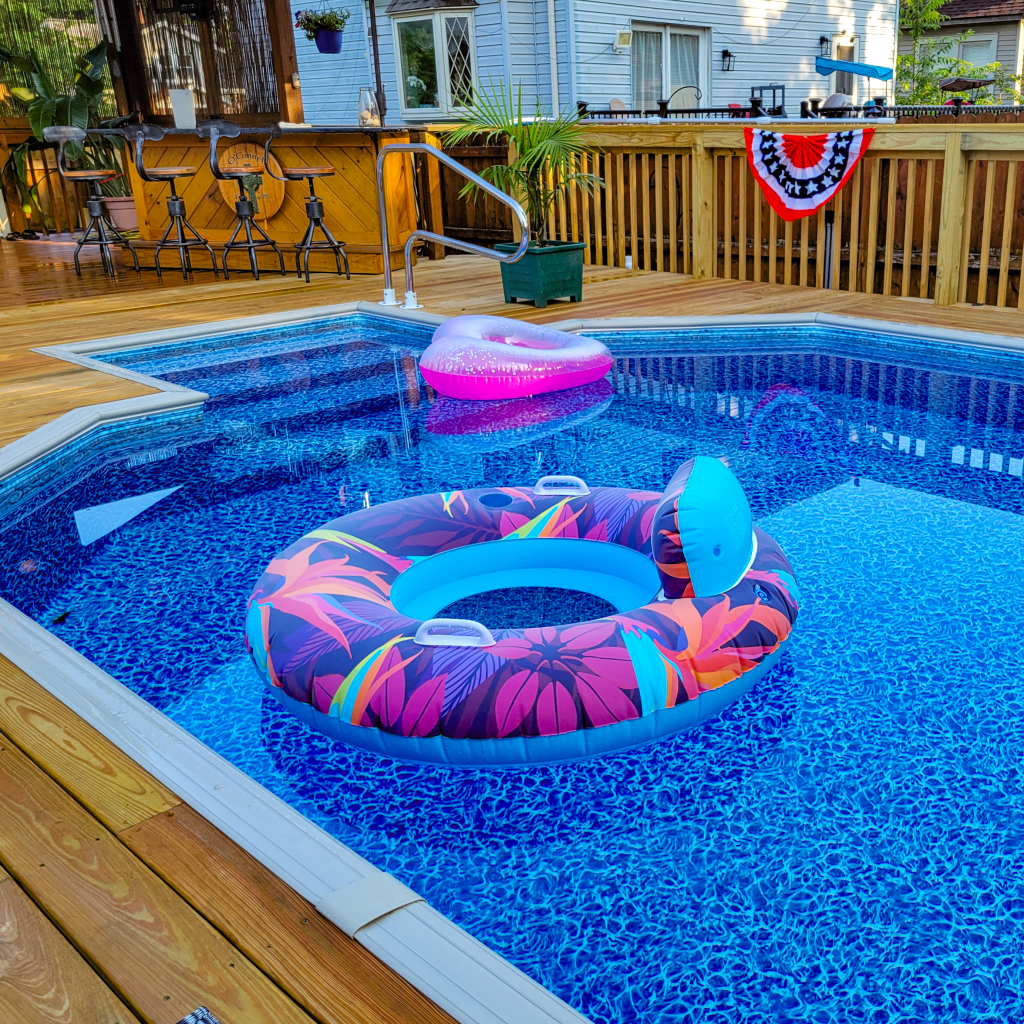 Maintaining Water Quality and Cleanliness
Keeping Your Pool Safe and Sparkling
Clean water is essential for safe swimming. Start by testing pH and chlorine levels weekly. Ideal pH ranges from 7.2 to 7.6. Chlorine should stay between 1 and 3 ppm. Use test strips or a liquid kit for accurate readings.
Add chemicals gradually. Shock the pool once a week to destroy bacteria and algae. Use algaecide as a preventive measure during hot weather. Always follow dosage instructions. Too much chlorine irritates skin and fades liners.
Run the filtration system daily. Skim the surface with a net to remove leaves and bugs. Clean the filter cartridge monthly. Rinse it with a hose or soak it in a cleaning solution. Replace it every season or when damaged.
Cover the pool when not in use. This reduces evaporation, keeps out debris, and prevents accidents. A solar cover also helps warm the water naturally. Remove it only when swimming or adding chemicals.
Regular maintenance prevents costly repairs. Clear water means fewer algae blooms and clogged pumps. A well-cared-for swimming pool kit lasts much longer.
Extending Lifespan Through Seasonal Care
Winterizing and Summer Readiness Tips
When temperatures drop, winterizing your swimming pool kits is crucial. Begin by lowering the water level below the skimmer. This prevents ice damage during freezing months.
Drain water from the pump, filter, and hoses. Store removable parts indoors. Blow out plumbing lines with an air compressor. Add antifreeze to prevent residual water from expanding.
Then, cover the pool securely. Use a sturdy winter cover with cables and water bags. This blocks rain, snow, and debris. Check it occasionally for sagging or tears. Remove accumulated water promptly.
In spring, reverse the process. Remove the cover and clean it before storing. Refill the pool to the proper level. Reconnect and inspect all equipment. Test the system before allowing swimmers.
During summer, monitor water more frequently. Heat increases evaporation and bacterial growth. Top off water as needed. Trim nearby plants to reduce leaf fall.
Routine seasonal care protects your investment. It ensures your swimming pool kits remain functional year after year.
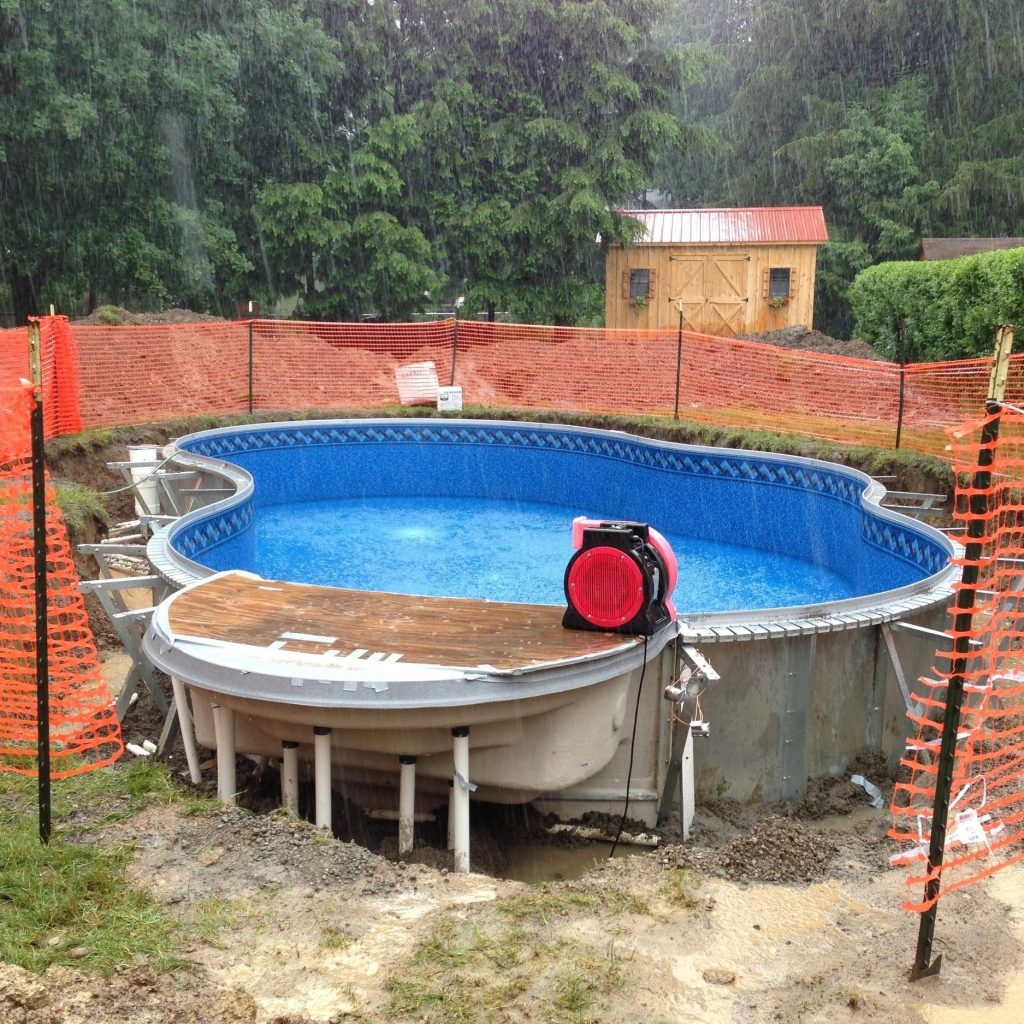 Frequently Asked Questions About Pool Kits
Answering Common Buyer Concerns
Can I install a pool kit myself?
Yes. Most kits come with step-by-step guides. Two to four adults can assemble them in a weekend. Watch tutorial videos if unsure.
Are pool kits safe for kids?
Yes, if supervised. Install a fence or safety cover. Teach children pool rules early. Never allow unsupervised access.
How long do these pools last?
With proper care, 5 to 15 years. Metal parts may rust over time. Liners typically last 5–7 years. Replace components as needed.
Do pool kits use a lot of electricity?
Not excessively. Pumps run on standard outlets. Energy-efficient models reduce costs. Use timers to limit runtime.
Can I upgrade my filter later?
Yes. Many owners switch to saltwater systems or larger filters. Ensure compatibility with your kit’s plumbing.
These answers help buyers make informed decisions about swimming pool kits.
 Summary
Final Thoughts on Enjoying Your DIY Pool
Swimming pool kits offer a practical, cost-effective way to enjoy backyard swimming. They combine ease of installation with long-term usability. With the right planning and care, your pool becomes a center for family fun and relaxation.
Choose a model that fits your space and lifestyle. Prepare the site thoroughly before assembly. Follow instructions closely and maintain water quality regularly. Address seasonal changes with proper upkeep.
These steps ensure lasting performance and safety. Whether you opt for an above-ground, semi-inground, or inflatable version, your swimming pool kits can deliver years of enjoyment.
By taking initiative and staying consistent, you create a personal retreat without breaking the bank. Remember, the journey to backyard bliss starts with choosing the right swimming pool kits.