Maintaining a clean and safe swimming environment starts with consistent swimming pool cleaning. Whether you own an in-ground, above-ground, or portable pool, regular care prevents algae growth, cloudy water, and equipment damage. Without proper attention, even the most beautiful pools can become breeding grounds for bacteria and debris. Therefore, understanding the fundamentals of swimming pool cleaning is essential for every pool owner. This process includes skimming, vacuuming, brushing, balancing chemicals, and inspecting filtration systems. When done correctly, it ensures crystal-clear water and extends the life of your pool. Moreover, clean pools are safer for children, pets, and guests. They reduce the risk of skin irritation and infections caused by unbalanced pH levels.
In addition, routine swimming pool cleaning saves money over time. Preventative maintenance avoids costly repairs like replacing pumps or resurfacing walls. It also reduces the need for shock treatments and chemical overuse. Many people assume professional services are required. However, most tasks can be managed at home with basic tools and knowledge. As a result, learning how to perform effective swimming pool cleaning empowers homeowners to take control of their investment. With the right schedule and tools, anyone can maintain a healthy, inviting pool all summer long.
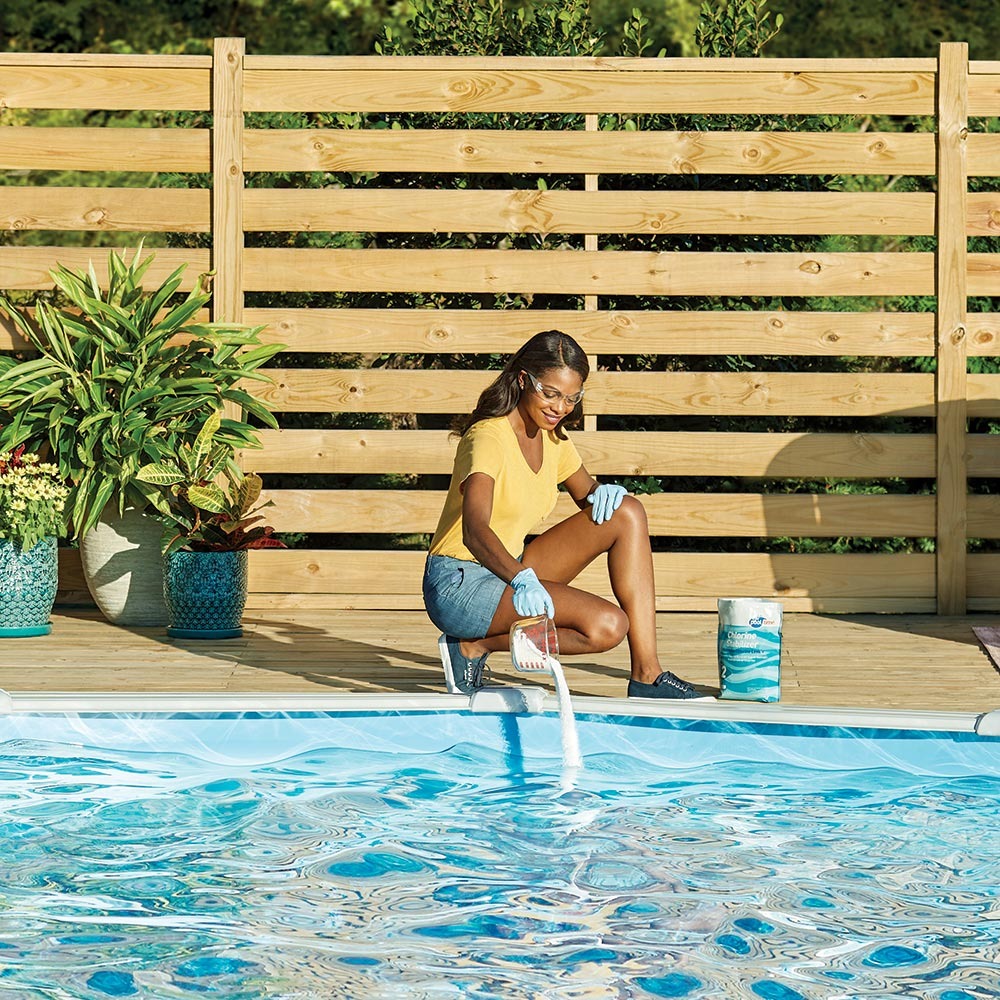 Why Regular Pool Cleaning Matters
Health, Safety, and Long-Term Equipment Protection
One of the main reasons to prioritize swimming pool cleaning is health protection. Pools that aren’t cleaned regularly harbor harmful microorganisms. These include E. coli, cryptosporidium, and other pathogens. They thrive in warm, stagnant water and can cause serious illness. By removing organic waste and maintaining sanitizer levels, you create a safer swim space. In turn, this protects swimmers from rashes, ear infections, and gastrointestinal issues.
Additionally, consistent swimming pool cleaning prevents structural damage. Leaves, dirt, and algae may seem harmless at first. But over time, they erode pool surfaces and clog filters. For example, leaf buildup accelerates liner wear in above-ground pools. Algae stains concrete and plaster finishes. Once damage occurs, repairs become expensive and time-consuming.
Equipment longevity also depends on cleanliness. Pumps, heaters, and filters work more efficiently when free of debris. A dirty filter runs longer and uses more energy. This increases utility bills and shortens its lifespan. Therefore, cleaning isn’t just about appearance—it supports function.
Moreover, clear water improves visibility. This is crucial during emergencies. You can spot a struggling swimmer faster in clean water. Thus, swimming pool cleaning contributes directly to safety.
Essential Tools for Effective Pool Cleaning
Skimmers, Brushes, Vacuums, and Chemical Test Kits
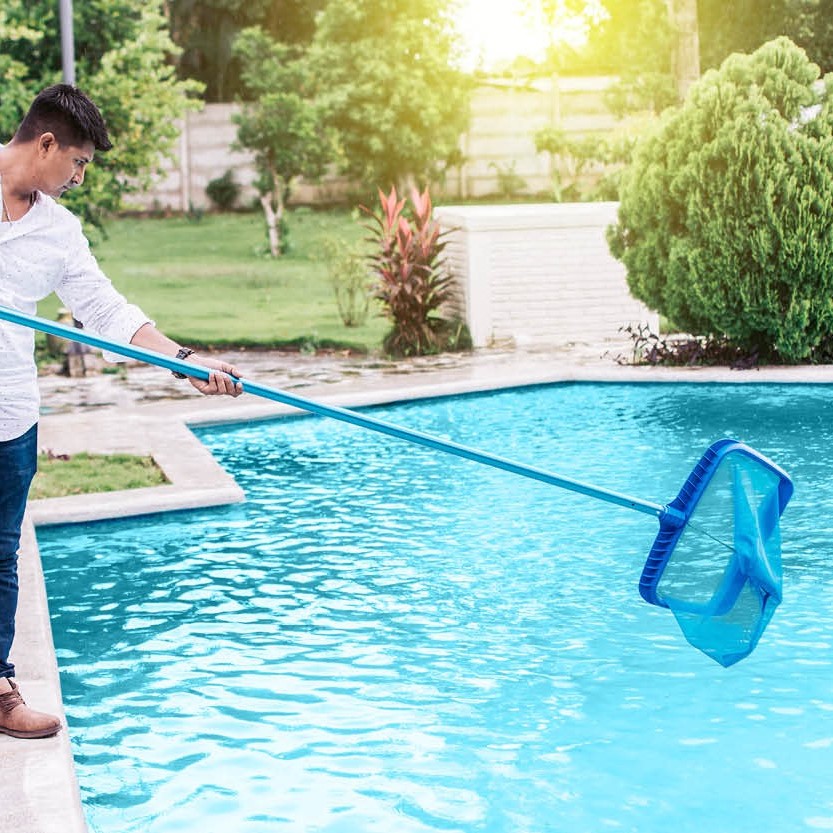
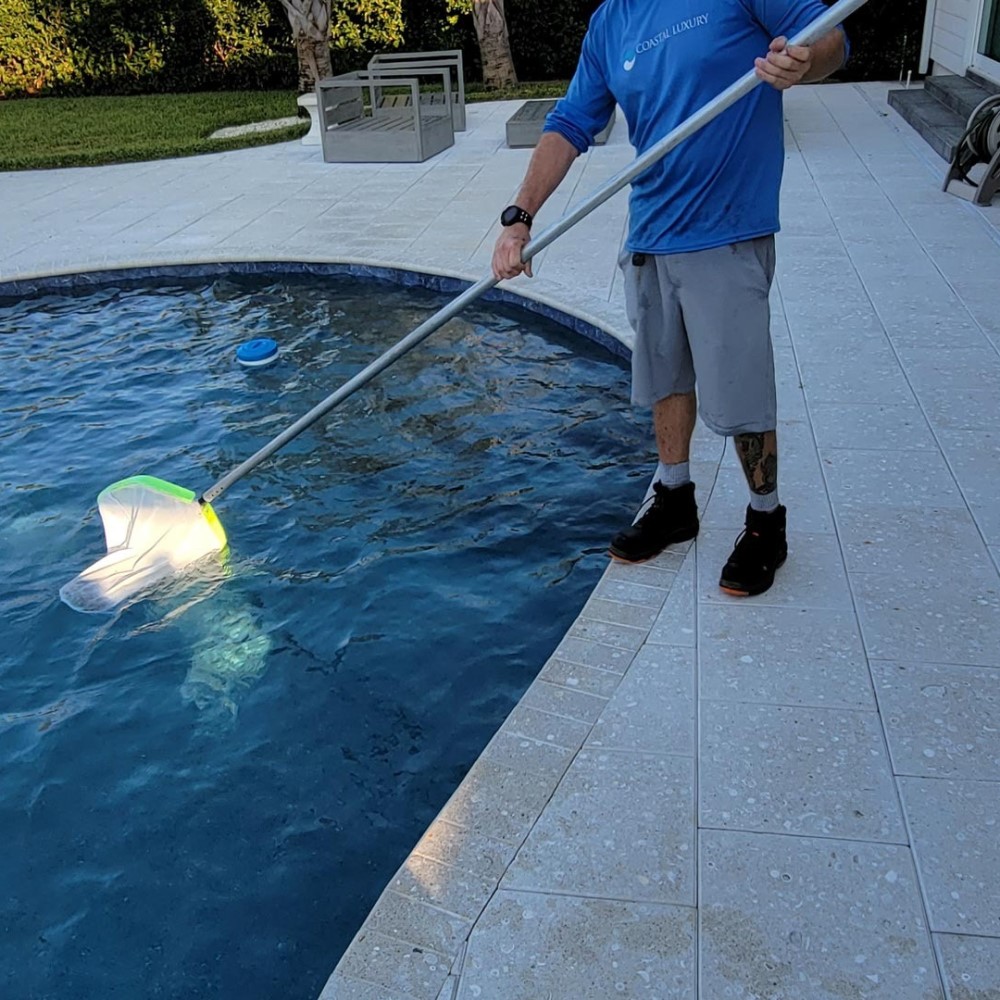
To perform successful swimming pool cleaning, you need the right tools. Start with a telescopic pole. It connects to various attachments and adjusts to your height. This makes reaching all areas easier. Next, get a leaf skimmer net. Use it daily to remove floating debris like leaves, bugs, and pollen. Doing so prevents them from sinking and turning into sludge.
A pool brush is equally important. Choose one based on your pool surface. Nylon brushes work well for vinyl and fiberglass. Stainless steel brushes suit concrete and gunite but should never touch softer linings. Use circular motions to scrub walls and steps. Focus on corners where algae often form.
Pool vacuums come in manual, automatic, and robotic types. Manual vacuums attach to your filter system. They require hand-guiding but are affordable. Automatic suction-side cleaners move on their own. Robotic models operate independently and collect debris in built-in filters. These save time and deliver deep cleaning.
Don’t forget a water test kit. It measures chlorine, pH, alkalinity, and calcium hardness. Accurate readings guide chemical adjustments. Liquid drop kits are more precise than test strips.
With these tools, swimming pool cleaning becomes efficient and thorough.
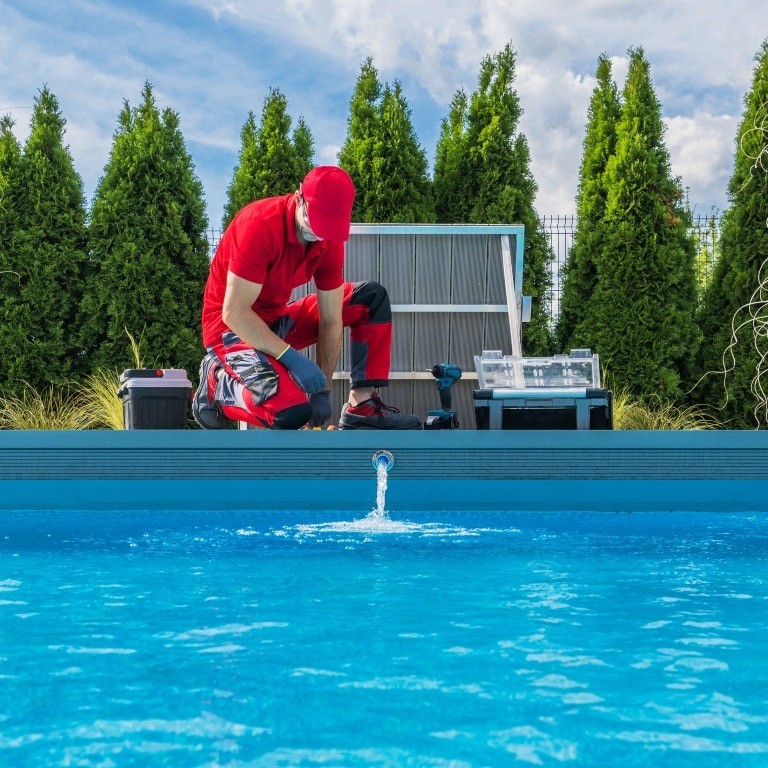 Daily, Weekly, and Monthly Pool Cleaning Routines
Building a Schedule That Works for You
Effective swimming pool cleaning relies on a structured routine. Begin each day with a quick skim. Remove visible debris from the surface. This takes only a few minutes but prevents bigger problems later. Check the pump basket too. Empty it if full. This keeps water flowing smoothly.
Weekly tasks require more effort. Vacuum the pool floor thoroughly. Brush the walls and tile line. Then, test the water. Adjust chlorine to 1–3 ppm and pH to 7.2–7.6. If needed, add algaecide or shock treatment. Run the filter for 8–12 hours per day. This ensures complete water turnover.
Monthly duties include deep inspections. Examine the filter media. Backwash sand or DE filters as needed. Clean cartridge filters with a hose and mild detergent. Inspect hoses, valves, and connections for leaks or cracks. Replace worn parts promptly.
Also, clean the waterline tile. Use a non-abrasive cleaner to remove scum and mineral deposits. This maintains appearance and prevents buildup.
Stick to your schedule. Consistency beats occasional deep cleans. Over time, maintenance becomes habit. As a result, your swimming pool cleaning efforts yield lasting results.
How to Balance Water Chemistry During Pool Cleaning
Understanding Chlorine, pH, and Alkalinity Levels
Balanced water chemistry is a core part of swimming pool cleaning. Even the cleanest-looking water can be unsafe if chemicals are off. Chlorine kills germs and oxidizes contaminants. Maintain levels between 1 and 3 parts per million (ppm). Too little allows bacteria to grow. Too much causes red eyes and dry skin.
pH measures acidity. The ideal range is 7.2 to 7.6. Low pH makes water corrosive. It damages metal parts and irritates skin. High pH reduces chlorine effectiveness. It also leads to scale formation.
Total alkalinity acts as a buffer for pH. Keep it between 80 and 120 ppm. Low alkalinity causes rapid pH swings. High alkalinity makes adjustments difficult.
Calcium hardness matters too. Levels should be 200–400 ppm for vinyl pools and 250–450 ppm for concrete. Low hardness etches plaster. High hardness creates cloudy water and scale.
Use your test kit weekly. Record results to track trends. Add chemicals slowly. Wait several hours before retesting. Never mix products in the pool. Pre-dissolve solids in a bucket.
Balancing chemicals might seem complex at first. Yet, once you establish a rhythm, swimming pool cleaning becomes predictable and manageable.
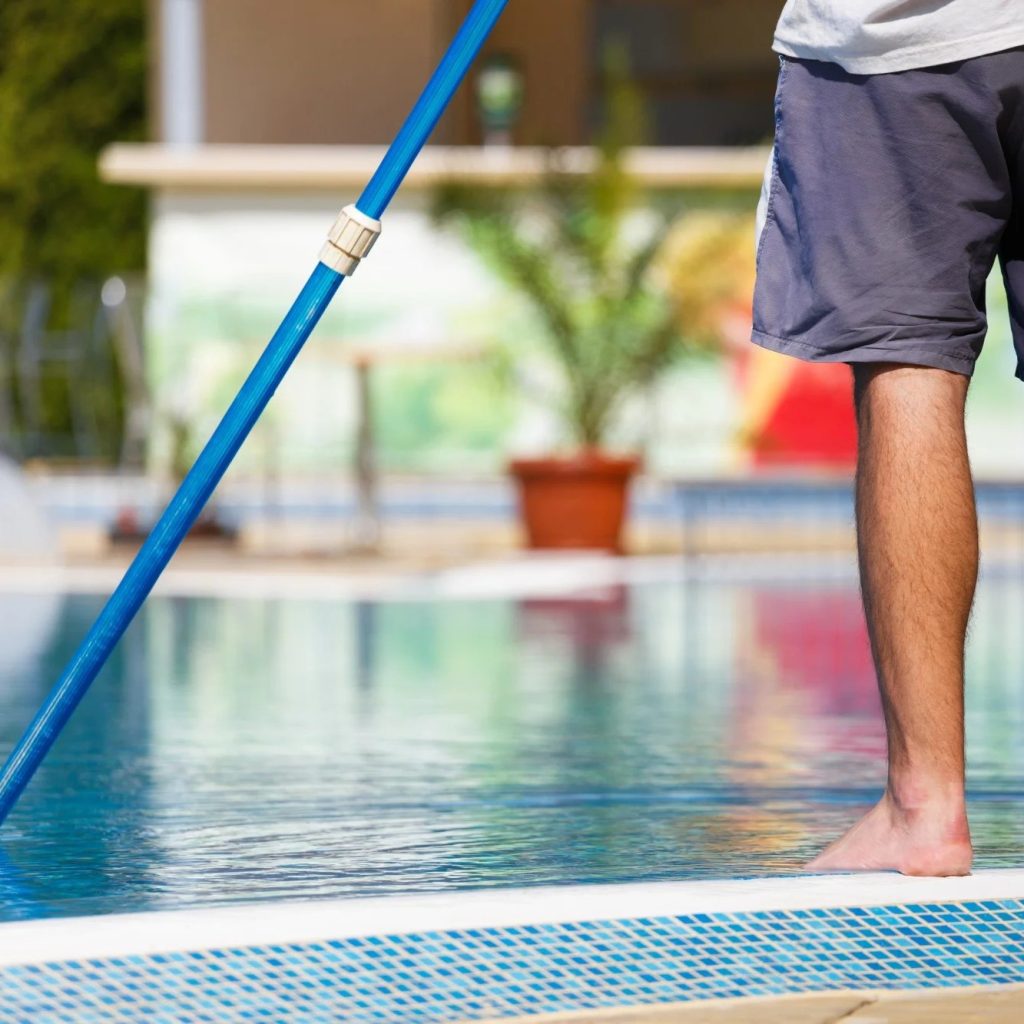 Eco-Friendly Approaches to Pool Cleaning
Reducing Chemical Use and Energy Consumption
Many pool owners now seek greener ways to handle swimming pool cleaning. One option is saltwater systems. They generate chlorine through electrolysis. This reduces reliance on bottled chlorine. Saltwater feels gentler on skin and swimsuits.
Enzyme-based cleaners are another alternative. They break down oils, lotions, and organic debris. This reduces the need for harsh chemicals. Enzymes also help prevent foaming and scum lines.
Solar covers do double duty. They trap heat and reduce evaporation. This means less refilling and lower heating costs. They also block sunlight. This slows algae growth naturally.
Energy-efficient pumps use up to 70% less electricity. Variable-speed models adjust flow based on demand. They run quietly and last longer. Pair them with timers to avoid overuse.
Use natural debris barriers. Plant shrubs or install windbreaks around the pool. This minimizes leaves and dust. Trim nearby trees seasonally.
By adopting sustainable habits, swimming pool cleaning becomes kinder to the planet.
Common Mistakes to Avoid in Pool Cleaning
Missteps That Harm Water Quality and Equipment
Even experienced owners make errors during swimming pool cleaning. One common mistake is skipping regular testing. Assuming the water looks fine is risky. Clear water can still be chemically unbalanced. Always test before adding anything.
Another issue is shocking at the wrong time. Chlorine breaks down in sunlight. Shock your pool at night. This ensures maximum effectiveness.
Over-shocking is dangerous too. Excessive chlorine can corrode equipment and damage liners. Follow product instructions carefully.
Brushing after shocking helps. Dead algae must be removed. If not, it sinks and decomposes. This clouds the water again.
Neglecting the filter is another error. Clogged filters reduce circulation. This leads to dead zones and poor cleaning. Backwash or clean them monthly.
Avoid using household cleaners. Toilet bowl acid or dish soap harms pool surfaces. Stick to approved pool chemicals.
Lastly, don’t ignore early signs of trouble. Cloudy water or slippery walls mean action is needed. Address issues fast. Delaying worsens them.
Preventing mistakes keeps swimming pool cleaning effective.
 Frequently Asked Questions
Common Concerns and Practical Answers
How often should I clean my pool? Skim daily. Vacuum and brush weekly. Perform full checks every two weeks.
Can I use a pressure washer on pool tiles? Only with low settings and proper nozzles. High pressure damages grout and plaster.
Is rainwater bad for my pool? Heavy rain dilutes chemicals. Test and rebalance afterward.
Do I need to drain my pool yearly? No. Most pools only need partial draining every few years.
Should I run the filter 24/7? No. 8–12 hours daily is enough. Adjust based on size and usage.
Can baking soda raise pH? Yes. It primarily increases alkalinity. Use soda ash for direct pH adjustment.
With clear answers, swimming pool cleaning becomes less intimidating.
 Final Thoughts on Maintaining a Healthy Swimming Environment
Proper swimming pool cleaning is not optional—it’s essential for enjoyment, safety, and cost savings. From daily skimming to monthly equipment checks, each step plays a role. Balanced water, clean surfaces, and functioning gear ensure a pleasant experience. Moreover, consistent care prevents emergencies and expensive fixes. Whether you manage the work yourself or hire help, staying proactive pays off. So, embrace the routine. Gather your tools. And remember, a sparkling pool starts with smart, ongoing swimming pool cleaning.