Swimming is more than just moving through water—it’s a skill that requires precision, rhythm, and endurance. To build these qualities, swimmers at every level rely on swimming drills. These focused exercises break down strokes into manageable parts. As a result, they help correct form, strengthen muscles, and improve efficiency. Whether you’re a competitive athlete, a fitness enthusiast, or someone learning to swim, swimming drills play a vital role in progress. They turn vague effort into targeted improvement. From freestyle catch mechanics to breath control in backstroke, each drill isolates a specific element of performance.
Moreover, swimming drills make practice sessions more effective. Instead of repeating laps without purpose, swimmers use drills to address weaknesses. For example, a poor kick can be improved with kickboard sets. An unbalanced stroke may be fixed with single-arm drills. Over time, these small corrections lead to faster times and smoother movement. Coaches use swimming drills in nearly every training plan. They guide beginners and refine elite performers. Therefore, understanding and applying the right drills can transform your time in the pool.
 Why Swimming Drills Are Essential for Skill Development
Building Muscle Memory and Stroke Precision
One of the main reasons swimming drills deliver results is their ability to build muscle memory. When you repeat a movement correctly, your body learns to perform it naturally. For instance, a catch-up drill in freestyle teaches the ideal hand entry and pull path. After several sets, the motion feels automatic during full strokes. This consistency reduces wasted energy and increases speed.
Additionally, swimming drills promote body awareness. Many swimmers don’t realize they’re sinking hips or crossing over with their arms. Drills like sculling or fingertip drag highlight these flaws. They force you to feel your position in the water. As a result, you make real-time adjustments.
Furthermore, drills allow swimmers to focus on one aspect at a time. Trying to fix breathing, kick, and stroke timing all at once is overwhelming. Isolating each element makes learning manageable. For example, side-kick drills improve balance. They also strengthen the core and legs.
You can also modify drills to match your goals. Add fins for resistance. Use a snorkel to eliminate breathing distractions. This flexibility makes swimming drills adaptable for all levels. Therefore, they are not just for elite athletes—they benefit everyone.
Common Types of Drills and Their Benefits
Freestyle, Backstroke, Breaststroke, and Butterfly Variations
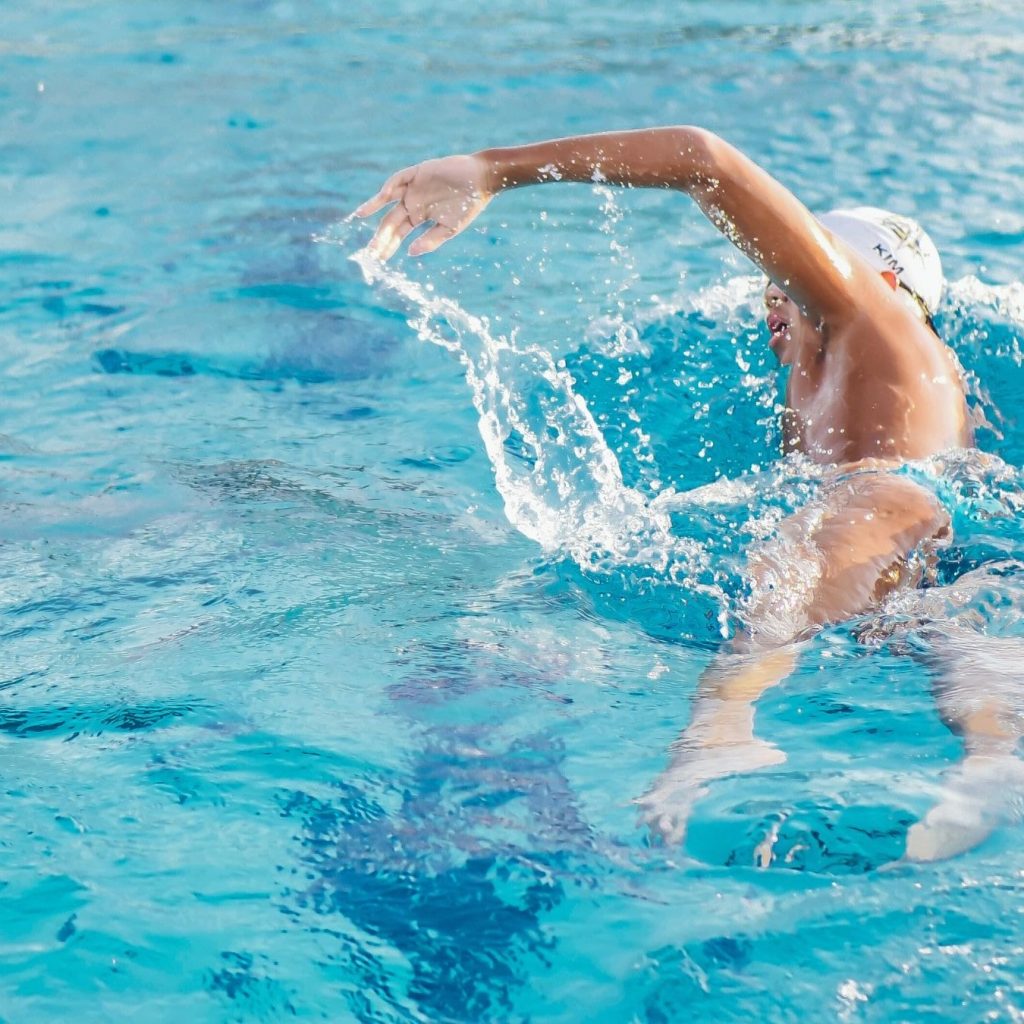
Each stroke has specific swimming drills designed to improve form and power. In freestyle, the catch-up drill is widely used. Swimmers bring one arm forward and wait for the other to “catch up” before pulling. This emphasizes timing and rhythm. Another popular option is the fingertip drag drill. It forces high elbows during recovery. As a result, stroke efficiency improves.
For backstroke, the six-kick switch drill is effective. Swimmers kick on their side for six counts. Then they rotate to the other side and repeat. This builds body rotation and stability. It also strengthens the back and shoulders.
Breaststroke swimmers benefit from the pull-pause-kick drill. They perform the pull, pause in streamline, then execute the kick. This reinforces proper sequence and timing. It also helps avoid early kicking.
Butterfly learners often use the dolphin kick on the back. This allows swimmers to see their kick motion. It also reduces neck strain. The single-arm butterfly drill helps isolate arm timing. It reduces fatigue while building correct mechanics.
Each of these swimming drills targets a key part of the stroke. They create a foundation for strong, efficient swimming.
 How to Structure a Swimming Drill Routine
Planning Sets, Repetitions, and Rest Intervals
To get the most from swimming drills, structure matters. Start with a warm-up. Swim easy laps for 200–400 meters. Then, add drills that match your focus area. For example, if improving freestyle, begin with sculling or catch-up drills. Perform each drill for 25 or 50 meters. Follow with a short rest—15 to 30 seconds.
Next, increase intensity gradually. After a few sets, swim a few full laps using the same stroke. This helps transfer drill skills to real swimming. Coaches call this “drill, swim, race.” It reinforces learning through repetition.
Include variety. Rotate between arm-focused, kick-focused, and balance drills. This prevents boredom and works multiple skills. For example, mix in a kickboard set after an arm pull drill.
Use tools wisely. Fins add propulsion and help maintain form. Snorkels remove breathing distractions. Paddles increase resistance and build strength. However, don’t rely on them too much. Practice without aids to test real improvement.
Finish with a cool-down. Swim slowly for 200 meters. Stretch on the pool deck. This helps recovery. A well-planned swimming drills session should last 30 to 60 minutes.
Using Drills for Different Skill Levels
Adapting Exercises for Beginners, Intermediates, and Experts
Beginners should start with simple swimming drills that build confidence. Floating drills help overcome fear of water. They teach balance and relaxation. Kicking on the wall with a board builds leg strength. Arm movements can be practiced on land first. This reduces overwhelm in the pool.
Intermediate swimmers use swimming drills to refine technique. They focus on timing, stroke length, and breathing. For example, bilateral breathing drills help balance freestyle. They also improve lung capacity. Adding distance increases endurance.
Advanced swimmers use drills to perfect race strategies. They simulate turns, starts, and pacing. For instance, a negative split drill involves swimming the second half faster than the first. This builds speed control. Experts also use underwater video analysis. They compare drill performance to race footage.
Age matters too. Kids respond well to game-like drills. Turning a kick set into a “shark chase” keeps them engaged. Adults prefer goal-oriented drills. They track progress with time logs.
Therefore, swimming drills are not one-size-fits-all. They evolve with your ability.
The Role of Equipment in Enhancing Swimming Drills
Fins, Paddles, Snorkels, and Kickboards
Equipment can significantly improve swimming drills. Fins are among the most useful. They increase propulsion and help maintain body position. They also allow swimmers to focus on arm technique without worrying about sinking. Short-blade fins are ideal for drills. They offer support without overloading the legs.
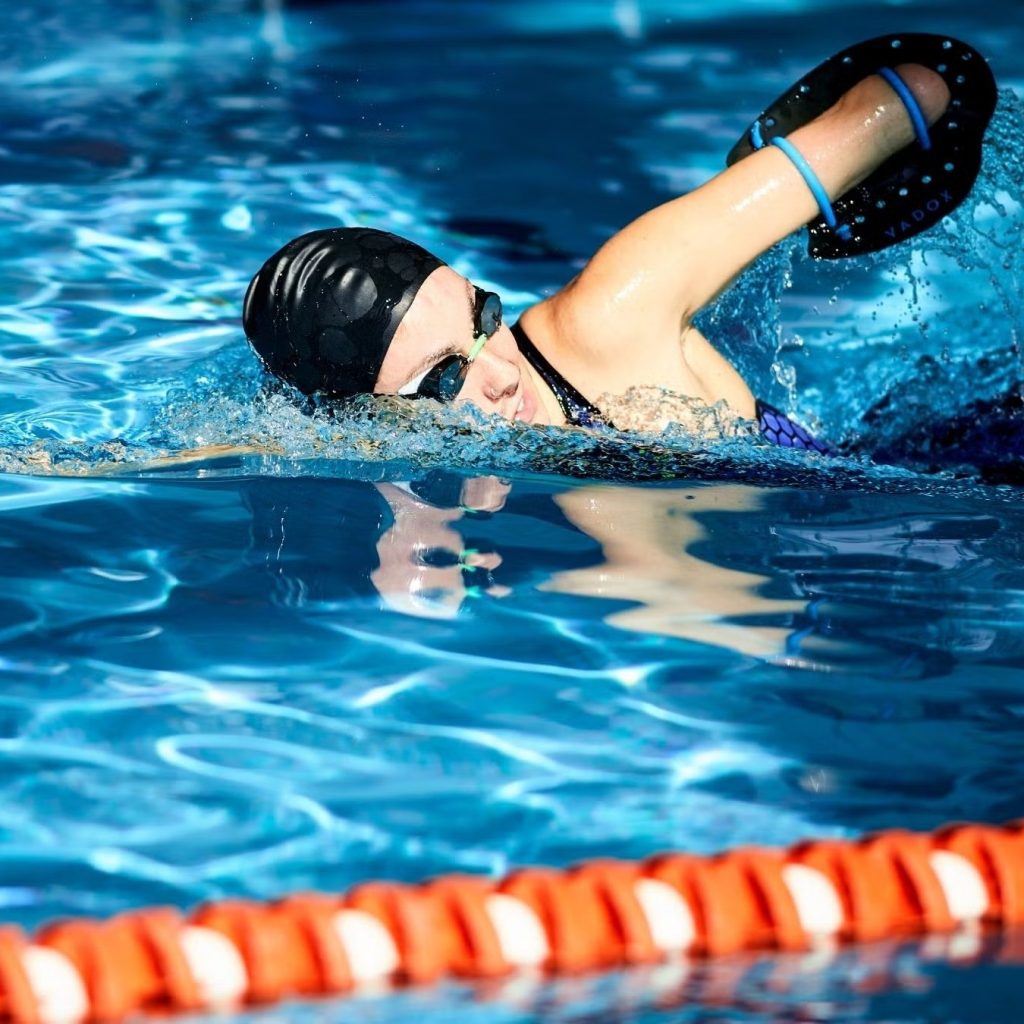
Hand paddles build upper-body strength. They increase resistance during the pull phase. However, use them carefully. Large paddles can strain shoulders. Always start with small sizes and short sets.
A snorkel eliminates breathing distractions. It lets swimmers concentrate on stroke mechanics. This is especially helpful during technical drills. Swimmers avoid head movement and maintain alignment.
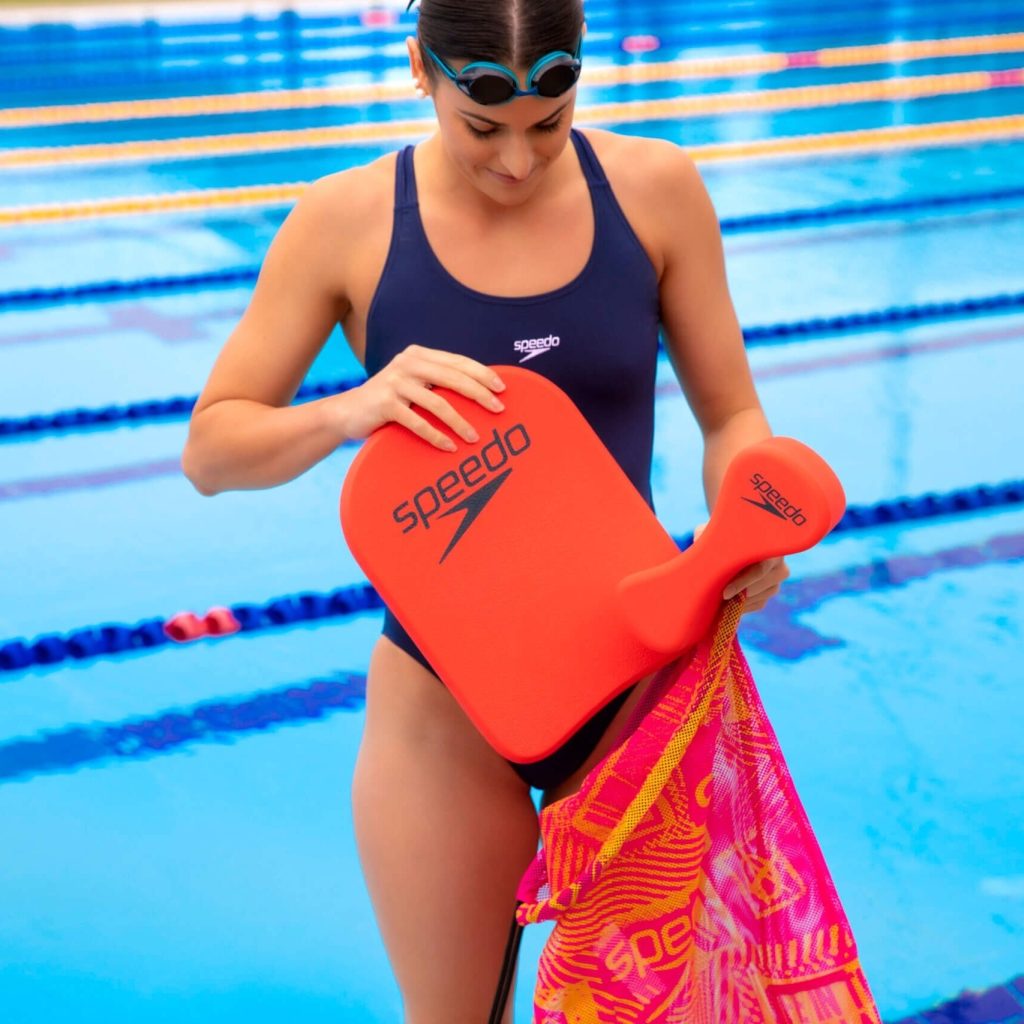
Kickboards isolate the legs. They are essential for building kick strength and endurance. Choose a comfortable shape. Some swimmers prefer rounded edges. Others like narrow boards for better hand placement.
Pull buoys also help. Placed between the thighs, they stop leg movement. This forces the arms to do all the work. They are useful during catch and pull drills.
Each piece of equipment enhances swimming drills when used correctly.
 How Swimming Drills Improve Race Performance
Translating Practice Gains into Real Results
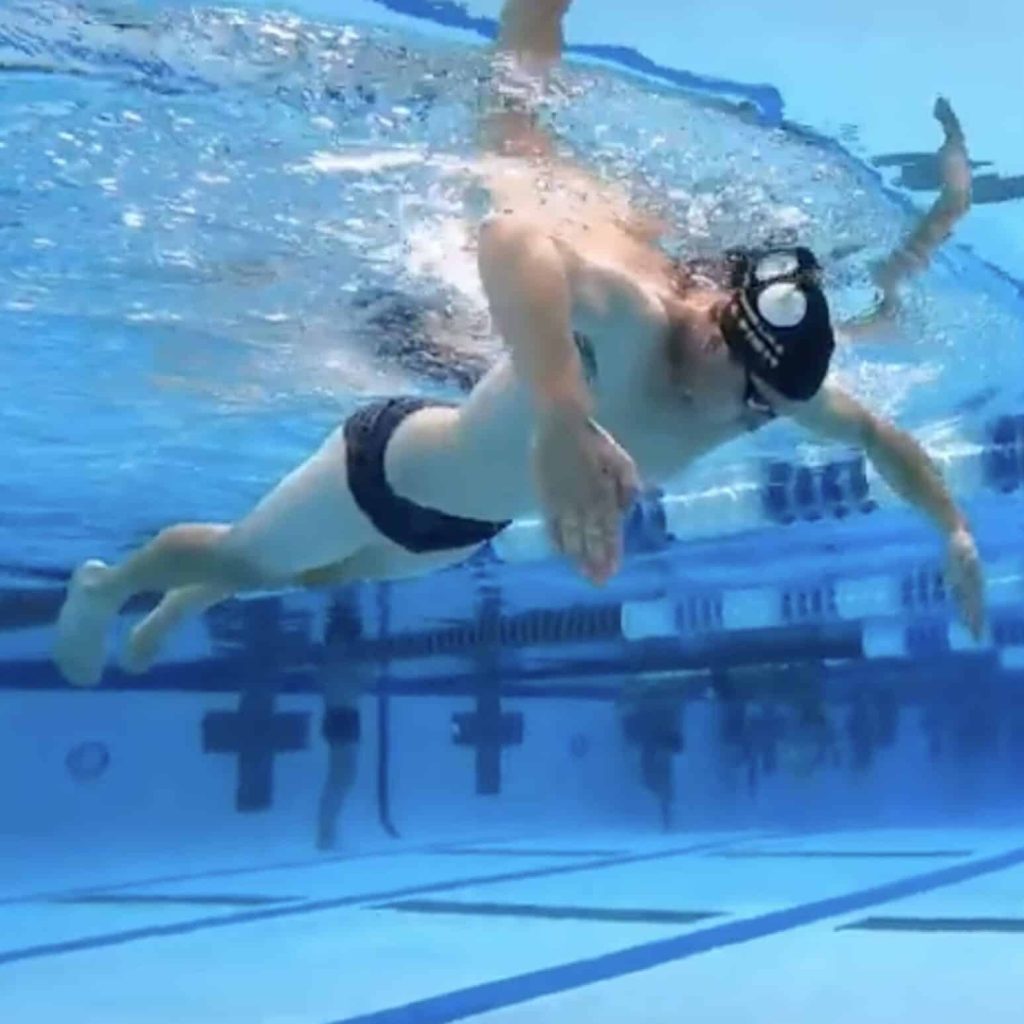
Swimming drills don’t just improve form—they boost race times. When swimmers fix small flaws, they reduce drag and increase propulsion. For example, a swimmer who practices high-elbow recovery will move faster with less effort. Over 50 meters, this saves seconds. Over longer distances, the gains multiply.
Moreover, drills build pacing skills. A descending interval drill requires swimmers to go faster each lap. This teaches speed control and mental toughness. It also improves lactate tolerance.
Turns and starts benefit too. Flip turn drills help swimmers perfect timing and push-off strength. Streamline drills ensure a tight, fast underwater phase. These details win close races.
Consistency plays a key role. Swimmers who do swimming drills regularly see steady progress. They avoid plateaus. Their stroke stays sharp even under fatigue.
Coaches use drills to simulate race conditions. For example, a swimmer practices the first 15 meters underwater after a dive. This builds confidence and efficiency.
Ultimately, race success starts with smart practice. Swimming drills provide that foundation.
 Frequently Asked Questions
Common Concerns and Helpful Answers
How often should I do swimming drills? At least 2–3 times per week. Include them in every practice session.
Can I do drills without a coach? Yes. Many drills are easy to learn from videos or guides. Use a mirror or underwater camera to check form.
Are drills only for competitive swimmers? No. Recreational swimmers benefit too. Drills make swimming easier and more enjoyable.
Should I do drills every lap? No. Mix drills with full-stroke swimming. Use a ratio like 50% drill, 50% swim.
Do drills help with breathing? Yes. Bilateral breathing drills improve rhythm. Snorkel drills help with body position.
Can kids do swimming drills? Absolutely. Keep them fun and short. Use games to maintain interest.
With proper guidance, swimming drills suit all ages and goals.
 Final Thoughts
Swimming drills are the backbone of effective pool training. They turn effort into progress. They help swimmers of all levels improve technique, build strength, and gain confidence. From mastering the basics to shaving seconds off race times, these exercises deliver real results. Whether you’re new to swimming or chasing a personal best, swimming drills are essential. They make practice purposeful and progress measurable. So, don’t skip them. Embrace the repetition. Celebrate small wins. Because every great swim starts with smart swimming drills.