When swimmers ask which stroke is the fastest, the answer is clear: the front crawl is the fastest swimming stroke. This stroke dominates freestyle events in competition. It allows athletes to move through water with maximum efficiency and speed. Swimmers achieve high stroke rates and strong propulsion. Because of its streamlined form, the front crawl outperforms butterfly, backstroke, and breaststroke in every major race.
Moreover, understanding why the front crawl holds the title of fastest swimming stroke helps swimmers train smarter. It’s not just about arm movement. It’s about body position, kick timing, breathing control, and rhythm. As more people aim to improve their times, learning the science behind this stroke becomes essential.
 Why the Front Crawl Is the Fastest Swimming Stroke
Streamlined Body Position Reduces Drag
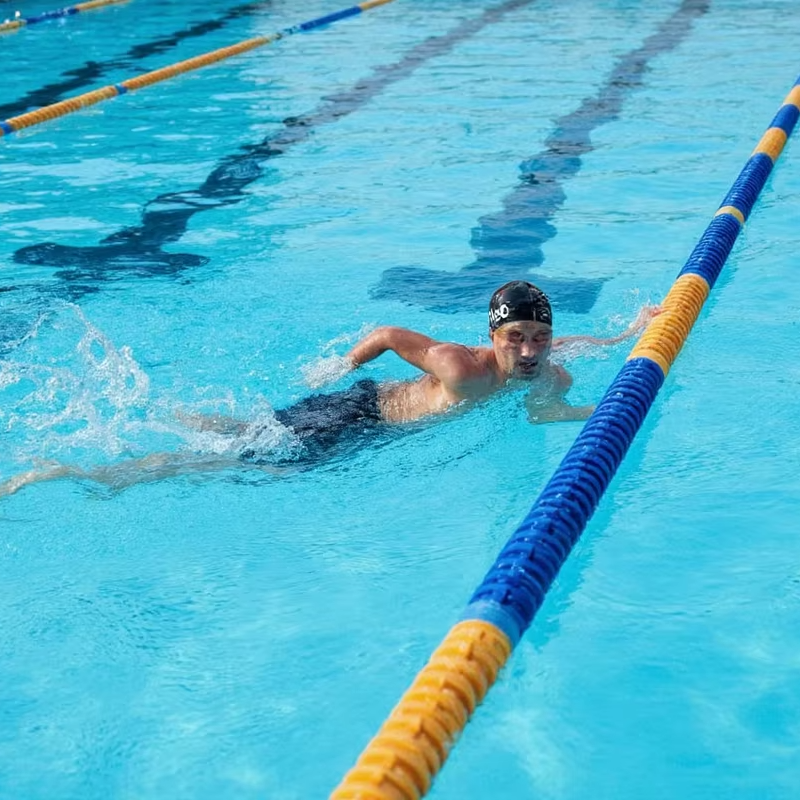
One key reason the front crawl is the fastest swimming stroke is its horizontal alignment. The body lies face down in the water. Shoulders stay narrow. Hips stay high. This shape cuts through water smoothly.
Any resistance slows swimmers down. Waves, bubbles, or wide kicks increase drag. The front crawl minimizes these issues. The head turns to the side briefly for breath. Then returns to neutral. This keeps the spine straight.
Swimmers also rotate slightly from side to side. This motion reduces shoulder strain. It also extends reach. Each arm glides forward with less effort.
Water flows evenly around the body. No sudden shifts disrupt the path. This steady glide saves energy. Speed stays consistent.
Therefore, the streamlined posture gives the front crawl a major edge. It allows faster movement with less wasted motion.
Continuous Propulsion from Alternating Arms
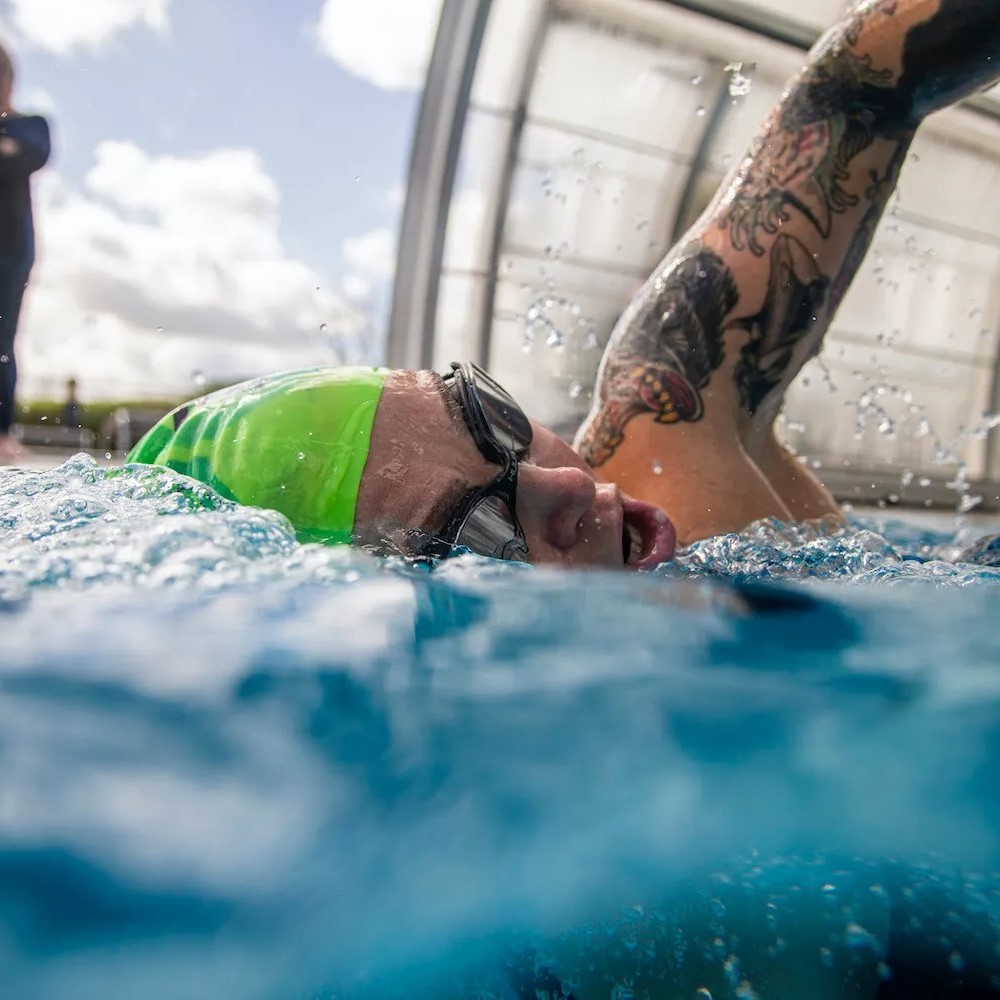
Another reason the front crawl wins in speed is its arm action. Unlike breaststroke or butterfly, it never stops moving. One arm pulls underwater while the other recovers above.
This overlap creates constant forward drive. There’s no pause between strokes. Momentum never drops.
Each pull follows a high-elbow catch. The hand enters the water in front. Then sweeps down and back. This captures water efficiently. Power builds with every stroke.
The recovery phase is also smooth. The arm swings forward relaxed. Fingers point down. Elbow stays high. This reduces wind resistance.
Because both arms work out of phase, balance stays strong. The body doesn’t wobble. Forward motion stays true.
Thus, continuous propulsion makes the front crawl the fastest swimming stroke. It keeps swimmers moving without breaks.
 How the Other Strokes Compare in Speed
Butterfly: Powerful but Less Efficient
The butterfly is the second-fastest swimming stroke. It uses a dolphin kick and simultaneous arm pulls. This creates massive bursts of speed.
However, it demands extreme strength and coordination. The double-arm recovery lifts both arms out of the water. This motion breaks rhythm. It also increases drag.
After each stroke, the body sinks slightly. The next kick must lift it again. This up-and-down motion costs energy. It slows overall pace.
Top swimmers manage this well. They time their kicks perfectly. Still, even elite athletes can’t sustain butterfly as long as front crawl.
Butterfly excels in short sprints. The 50-meter event showcases raw power. But in longer races, swimmers switch to freestyle.
Hence, despite its force, butterfly is slower over distance. The front crawl remains superior for speed and endurance.
Backstroke: Fast but Limited by Visibility and Timing
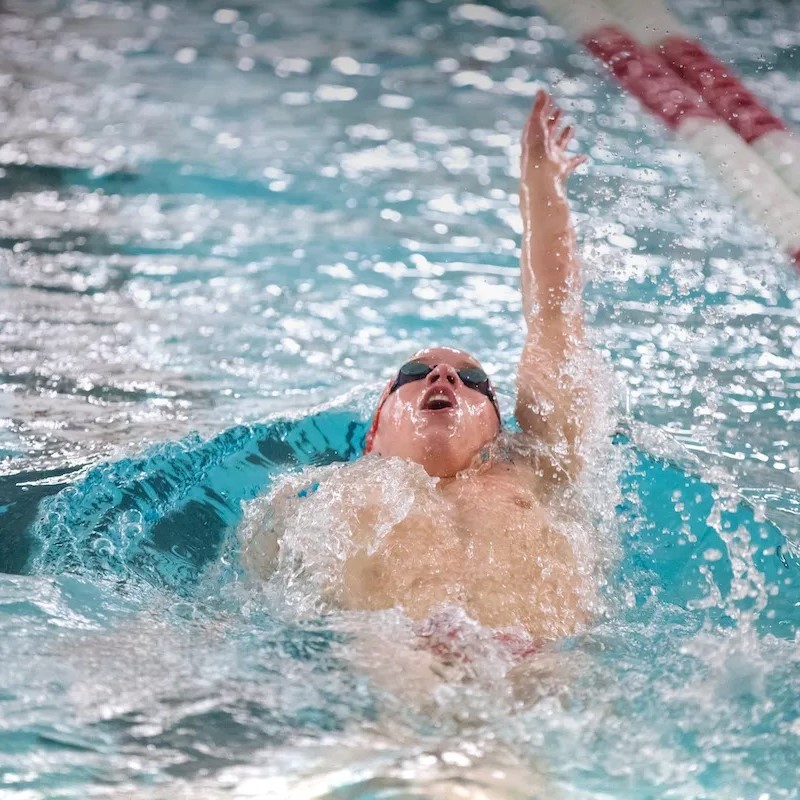
Backstroke ranks third in speed. Swimmers lie on their backs. They use alternating arms and a flutter kick. The form looks similar to front crawl.
However, being face-up creates challenges. The head position can’t be as aerodynamic. Water hits the face. Slight resistance builds.
Also, swimmers can’t see where they’re going. This limits reaction time at turns. They must count laps. Mistakes slow them down.
The underwater pull is strong. Rotation helps extend reach. But breathing is easier. There’s no need to time breaths.
Backstroke is fast but not the fastest. In races, it typically lags behind freestyle by several seconds.
Still, it’s a vital competitive stroke. Training it improves balance and core control.
Thus, while efficient, backstroke lacks the full advantages of the front crawl.
Breaststroke: Slowest Due to Glide and Drag
Breaststroke is the slowest competitive stroke. It uses a frog kick and simultaneous arm pull. There’s a distinct glide phase after each stroke.
This glide causes a speed drop. Momentum stops briefly. Then restarts. This stop-start rhythm reduces average velocity.
The body position also increases drag. The head lifts for breath. Shoulders rise. The hips sink. The shape becomes less streamlined.
Kicks must stay within legal rules. No dolphin kicks are allowed. This limits propulsion.
Despite its slowness, breaststroke builds leg strength. It improves timing and coordination. Masters swimmers enjoy it for low-impact training.
In long-course events, breaststroke times are well behind the others. The gap is clear.
Therefore, it serves a purpose. But it’s not a contender for fastest swimming stroke.
 Key Techniques to Maximize Front Crawl Speed
High-Elbow Catch and Early Vertical Forearm
A strong catch is essential for speed. The high-elbow catch positions the forearm vertically in the water. This creates a paddle-like surface.
The hand enters fingers first. Then drops quickly to a high-elbow position. The forearm faces backward. Water pressure builds.
This technique captures more water. It reduces slipping. Power transfers directly into forward motion.
Swimmers who drop their elbow lose efficiency. Water flows past. Less thrust is generated.
Practicing sculling drills helps develop feel. Swimmers learn how water moves around the hand.
Thus, the early vertical forearm turns each stroke into a powerful drive. It’s a hallmark of elite freestylers.
Two-, Four-, or Six-Beat Kick for Balance and Drive
Kicking supports the front crawl. Most swimmers use a flutter kick. The legs move up and down alternately.
The number of kicks per arm cycle varies. Two-beat is slow but energy-saving. Used in distance events.
Four-beat offers balance. It’s common in mid-distance races. It keeps hips high without overworking legs.
Six-beat is the most powerful. It generates speed and stability. Sprinters use it to match fast arm turnover.
The kick should come from the hips. Legs stay relaxed. Knees bend slightly. Feet stay loose.
Kicking too hard wastes energy. Small, fast movements work better.
Therefore, choosing the right kick pattern improves speed. It matches effort to race needs.
Training Drills to Improve Front Crawl Efficiency
Catch-Up Drill for Timing and Rhythm
The catch-up drill helps swimmers feel proper timing. One arm finishes its pull before the other begins.
This creates a brief pause. It teaches coordination. Swimmers learn when to start the next stroke.
It also promotes high elbows. The recovering hand must “catch up” to the lead hand. This forces a strong catch.
Use it with a pull buoy. This isolates the arms. Legs stay still. Focus stays on form.
After several lengths, return to normal stroke. The rhythm feels smoother.
Thus, this drill builds awareness. It sharpens the link between arms and body.
Fingertip Drag for High Elbow Recovery
Fingertip drag improves the recovery phase. Swimmers drag fingertips across the water surface.
This forces a high elbow. The arm must stay elevated. The hand stays close to the body.
It also slows down the recovery. Swimmers feel each movement.
This drill enhances stroke length. It reduces shoulder strain. Over time, form becomes more efficient.
Practice for short distances. Use every other length. Then swim normally.
The contrast helps. Swimmers notice improved timing and reach.
Hence, fingertip drag fine-tunes one of the most important phases.
 Frequently Asked Questions
Is the front crawl the same as freestyle?
Yes. In competition, freestyle means any stroke. But most swimmers choose front crawl. It’s the fastest.
Can beginners learn the front crawl quickly?
Yes. With practice, most people master basics in weeks. Drills help build confidence.
Why don’t swimmers use butterfly in freestyle races?
Because front crawl is faster and less tiring. Butterfly uses more energy over distance.
Does body size affect swimming speed?
To some extent. Taller swimmers have longer reach. But technique matters more.
What’s the world record for 50m freestyle?
Around 20.1 seconds. Held by Caeleb Dressel and others. Shows peak speed.
Do flippers make the front crawl faster?
Yes. But they’re not allowed in competition. Used in training to build strength.
How important is breathing in the front crawl?
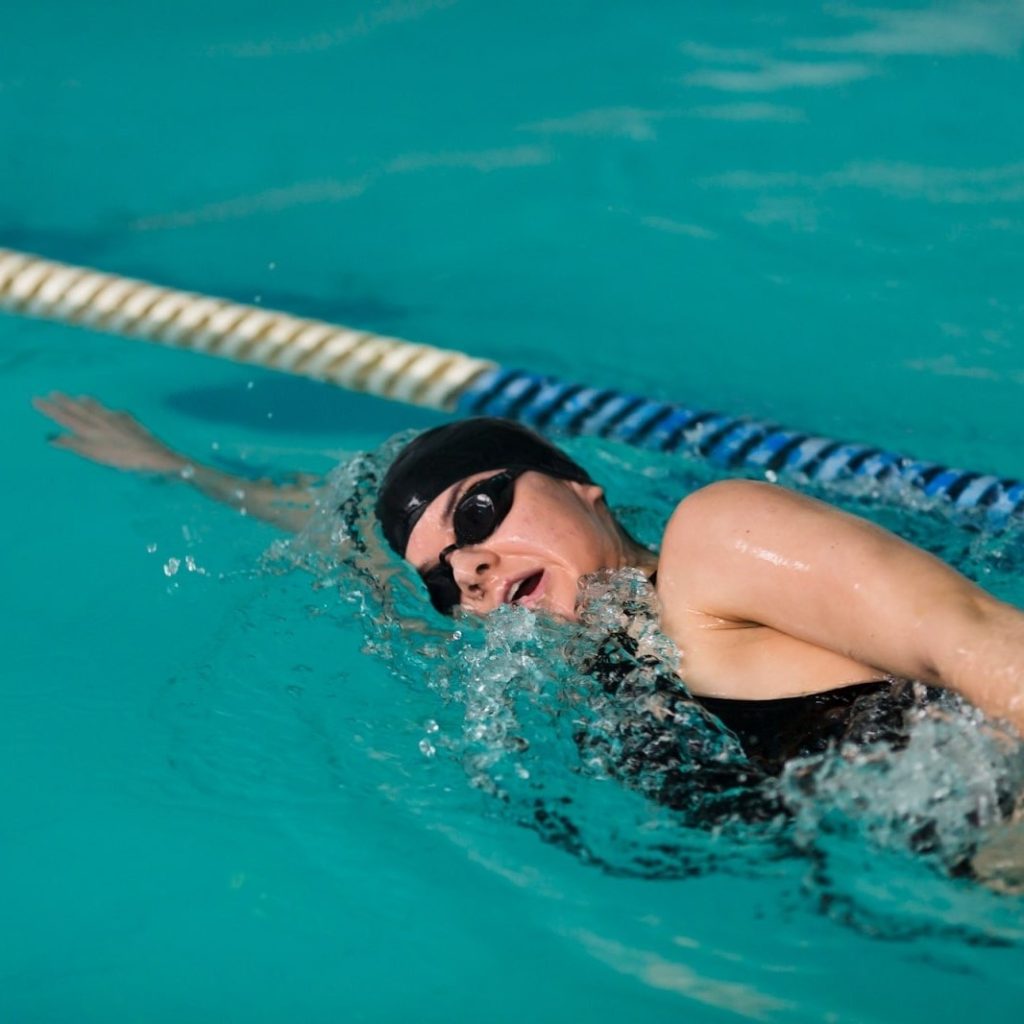
Very. Poor timing breaks rhythm. Learn bilateral breathing for balance.
Can I swim front crawl in open water?
Absolutely. It’s the top choice for triathlons and long-distance swims.
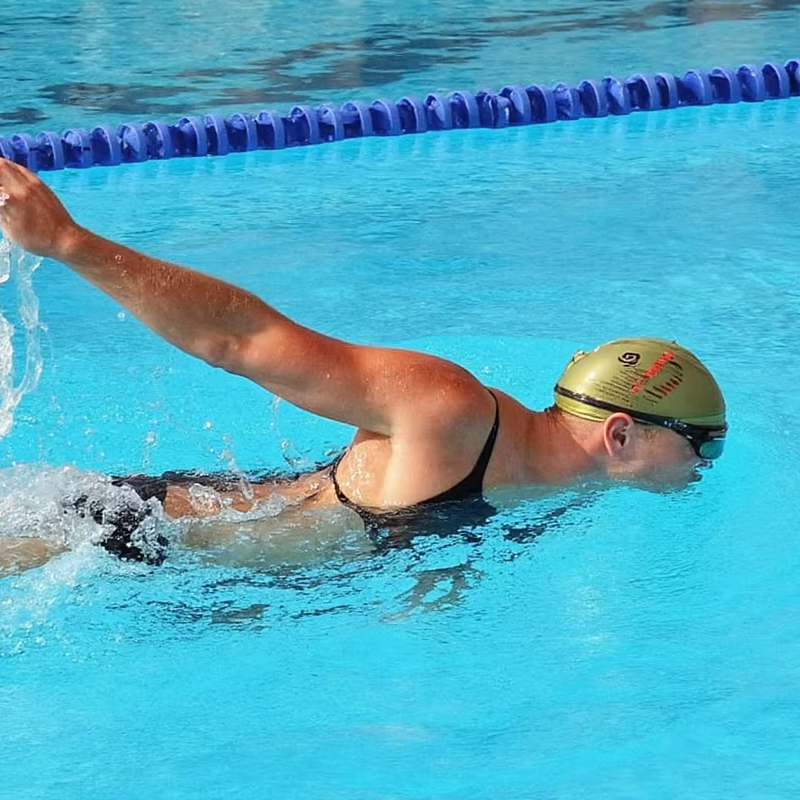 Final Thoughts
The front crawl remains the fastest swimming stroke for good reason. Its blend of streamlined form, continuous propulsion, and efficient technique makes it unbeatable. From Olympic pools to open water, swimmers rely on it to achieve peak speed.
Understanding the mechanics helps everyone—from beginners to pros—improve performance. Drills, body position, and kick timing all contribute.
While other strokes have their place, none match the front crawl in velocity. It sets the standard for speed.
For anyone aiming to swim faster, mastering the front crawl is the best path forward. With consistent training, even small gains add up.
Ultimately, the fastest swimming stroke is not just about strength. It’s about smart, efficient movement. And the front crawl delivers that better than any other.