Knowing how to waterproof a wound for swimming is essential for anyone recovering from cuts, scrapes, or recent surgeries. Whether you’re an athlete training in the pool, a parent at a water park, or someone enjoying a beach vacation, getting into water with an open injury requires careful preparation. Without proper protection, exposure to chlorine, saltwater, or bacteria can delay healing and increase infection risk. Therefore, learning the right steps ensures safety without sacrificing fun.
Moreover, many people assume they must avoid all water until a wound heals completely. However, this isn’t always necessary. With the correct supplies and techniques, you can swim safely while protecting your skin. From adhesive films to waterproof dressings, multiple solutions exist. Each method helps keep moisture out and promotes faster recovery. As awareness grows, more swimmers are discovering ways to stay active during healing. Thus, understanding how to waterproof a wound for swimming empowers you to make informed choices.
 Why It’s Important to Protect Your Wound Before Entering Water
Preventing Infection and Speeding Up Healing Time
Water contains germs even when it looks clean. Pools have chlorine, but it doesn’t kill all pathogens instantly. Lakes and oceans carry bacteria, algae, and microorganisms that may enter an open wound. This increases the chance of infection, redness, or swelling. Therefore, sealing the area properly is critical.
Chlorine and salt can also irritate healing tissue. These substances dry out scabs and slow down cell regeneration. As a result, wounds may take longer to close. Some people experience itching, stinging, or discomfort after swimming. Protecting the site reduces these side effects.
Additionally, wet bandages lose their adhesion quickly. Once a regular plaster gets soaked, it peels off. This leaves the wound exposed mid-swim. Worse, loose dressings can clog pool filters or harm marine life. Using waterproof methods prevents mess and maintains hygiene.
Swelling can occur if water seeps under the skin. This delays healing and causes pain. A secure barrier keeps fluids out and supports natural recovery.
Children often need extra care. They move more and spend longer in water. Parents must ensure coverage stays intact throughout play.
Ultimately, taking time to prepare pays off. Knowing how to waterproof a wound for swimming protects health and boosts confidence. No one should miss out on summer fun due to a small cut.
Step-by-Step Guide to Waterproof a Wound for Swimming
Preparing the Skin and Applying the Right Dressing
Start by cleaning the wound gently. Use mild soap and lukewarm water to remove dirt. Pat it dry with a clean towel. Do not rub, as this may irritate healing skin. Let the area air dry for a minute before proceeding.
Next, apply a thin layer of antibiotic ointment if recommended by your doctor. This helps prevent infection and keeps the tissue moist. Avoid using too much, as excess cream can reduce adhesion.
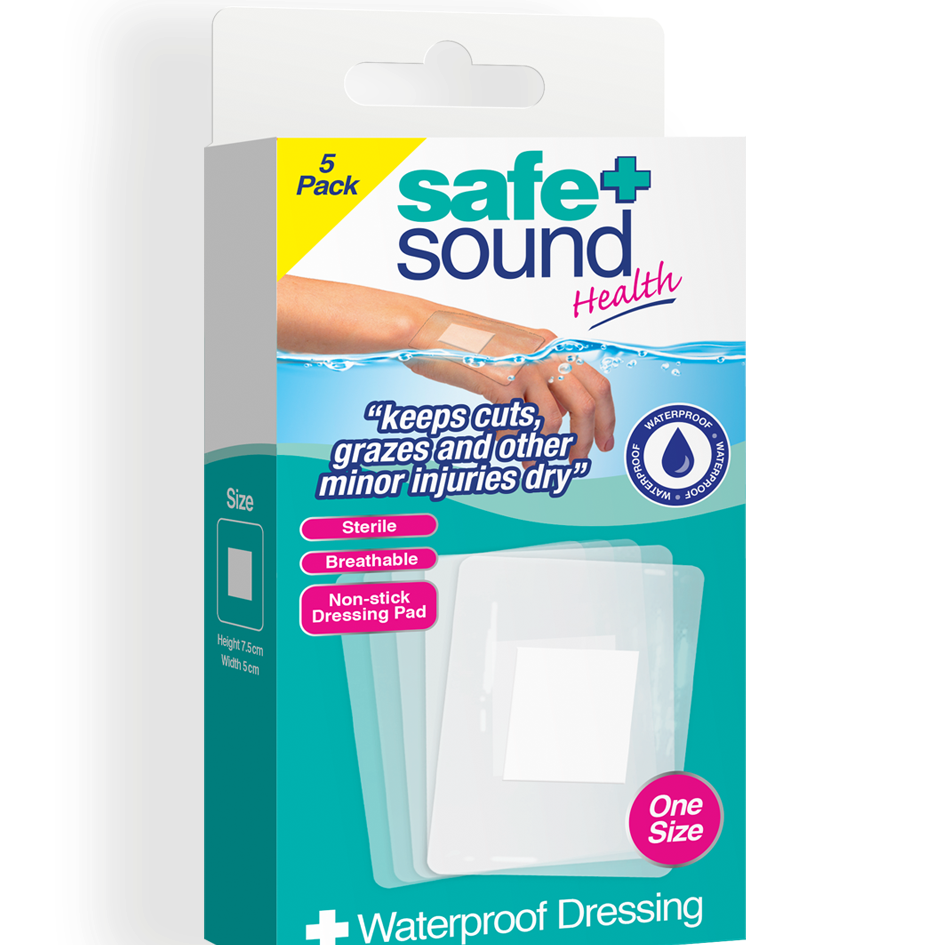
Choose a waterproof dressing designed for active use. Look for brands labeled “swim-safe” or “water-resistant.” These often include flexible plastic films or silicone-backed patches. Make sure the size covers the entire wound plus a margin around it.
Press the edges firmly onto dry skin. Smooth them out slowly to remove air bubbles. Check that no part lifts up when you flex the joint or move the limb. If it does, reposition or try a different shape.
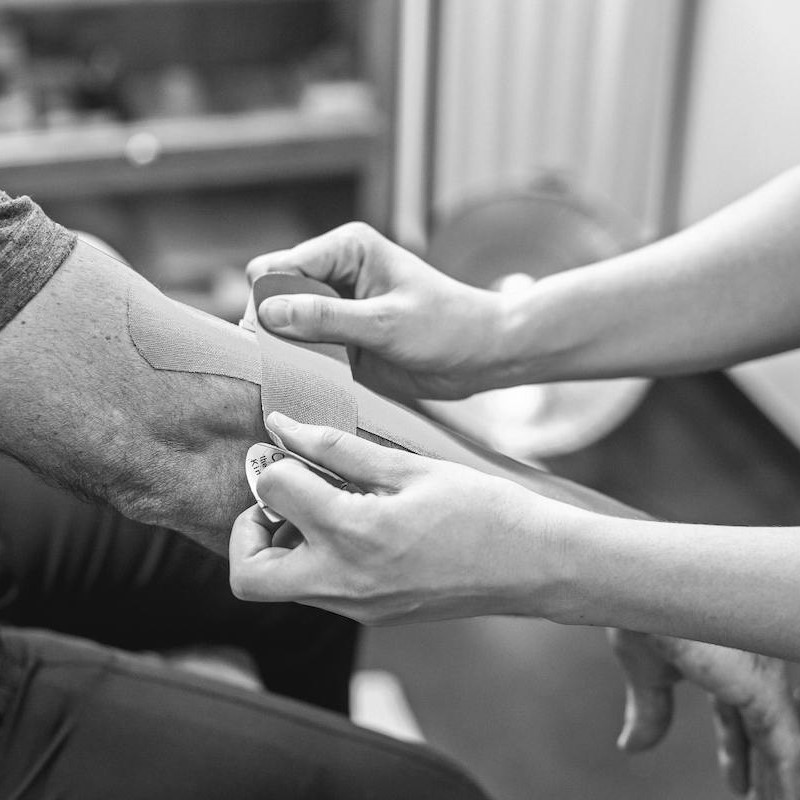
For extra security, add a waterproof tape border. Hypoallergenic surgical tapes work well. Wrap them lightly around the edges without cutting off circulation. Avoid taping over broken or sensitive skin.
Wait at least 15 minutes before entering the water. This allows full bonding time. Test the seal by running water over it in the sink. If it holds, you’re ready to swim.
Following these steps carefully increases success. A well-applied dressing lasts through laps, dives, or waves.
 Best Products to Use When You Need to Waterproof a Wound for Swimming
Choosing Reliable Supplies Based on Wound Type and Location
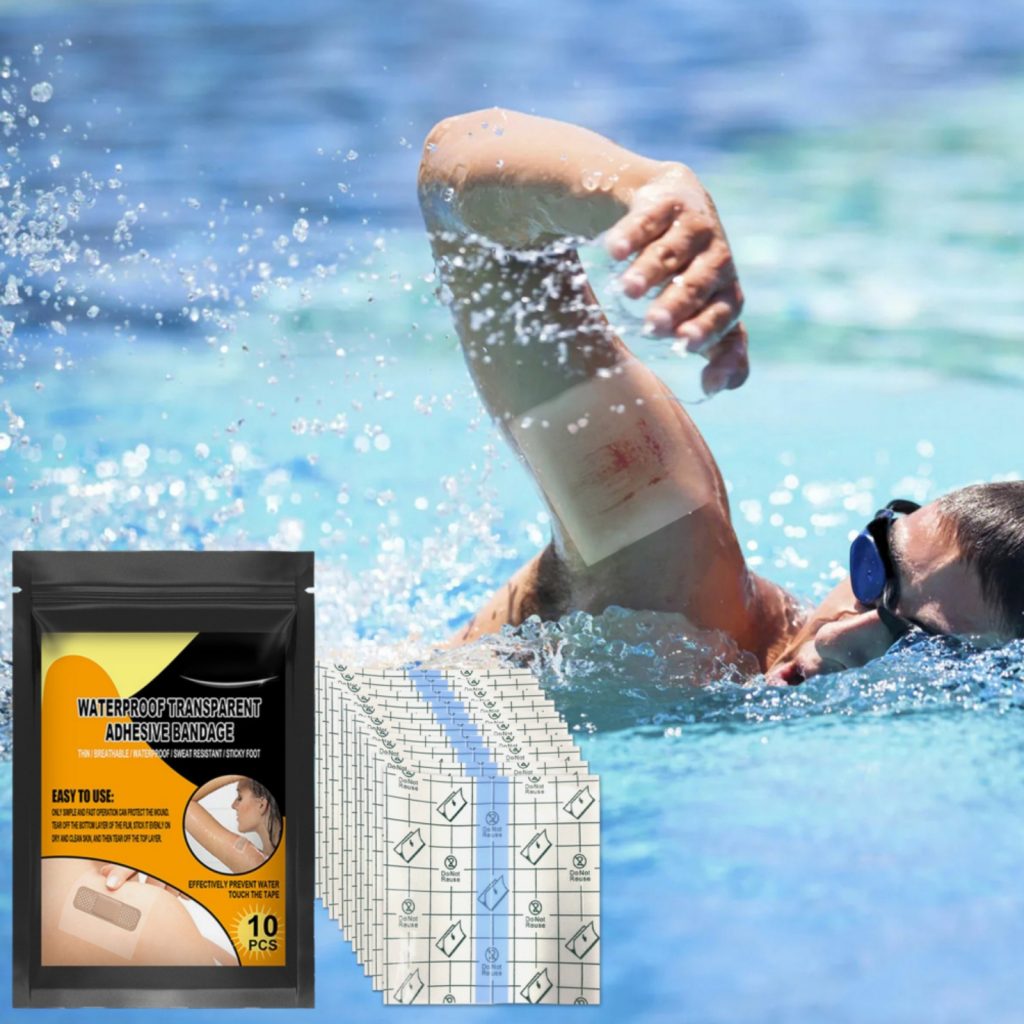
Not all coverings work equally well in water. One of the top choices is a transparent film dressing like Tegaderm or Opsite. These are breathable, flexible, and stick strongly to dry skin. They allow you to see the wound without removing the patch. Hence, monitoring healing becomes easier.
For larger areas, use waterproof wound shields. These rigid yet lightweight domes protect fragile scabs on knees, elbows, or shins. Some attach with medical-grade adhesive strips. Others fit like caps over protruding joints.
Liquid skin sealants offer another option. Apply them like nail polish over small cuts. They form a thin, elastic layer that resists water. Reapply after each swim session. While not ideal for deep wounds, they suit surface scrapes.
Waterproof bandage kits made for swimmers include everything needed. These often combine adhesive films, tapes, and prep wipes. Some kits even come with gloves or finger cots for hand injuries.
Finger and toe protectors are pre-shaped covers. Made from latex-free rubber or silicone, they stretch over digits. Seal tightly at the base to block water entry. Ideal for minor fingertip cuts or toenail injuries.
Avoid cotton gauze or paper-based plasters. These absorb water fast and fall apart. They also trap moisture against the skin, increasing infection risk. Stick to synthetic, non-absorbent materials.
Check expiration dates before use. Old adhesives may fail underwater. Store supplies in a cool, dry place away from sunlight.
Using the right product makes all the difference. It ensures comfort, durability, and real protection while swimming.
Tips for Swimming Safely with a Covered Wound
Reducing Risk Through Smart Habits and Timing
Even with a sealed wound, some precautions improve safety. Limit swim time when possible. Shorter sessions reduce water pressure and exposure duration. Ten to twenty minutes may be enough for practice or play.
Avoid diving or jumping if the wound is on your head, face, or chest. The impact forces water under the dressing. This compromises the seal instantly. Enter the water slowly instead.
Stay out of hot tubs and saunas after swimming. High heat opens pores and weakens adhesives. Wait until the dressing is removed and the skin is fully dry.
Do not pick at scabs or remove the covering early. Let the wound heal naturally underneath. Peeling back the film risks tearing new tissue.
After exiting the water, rinse your body with fresh water. This removes chlorine, salt, or sand. Gently pat the dressing dry. Do not rub or use a hairdryer.
Inspect the area once home. Look for lifting edges, cloudiness under the film, or signs of leakage. If water got in, remove the dressing carefully. Clean and re-cover only if the wound remains intact.
Change the patch after swimming, even if it looks fine. Moisture may have seeped in microscopically. Fresh application prevents hidden contamination.
Listen to your body. Pain, warmth, or red streaks near the wound require medical attention. Stop swimming until cleared by a professional.
Smart choices extend protection beyond the pool.
 Common Mistakes to Avoid When Trying to Waterproof a Wound for Swimming
Errors That Compromise Protection and Healing
One major mistake is applying a dressing to wet or dirty skin. Moisture prevents strong adhesion. Always dry the area completely before placing any cover. Use a clean towel and wait a few extra seconds if needed.
Another error is choosing the wrong size. Too small, and it won’t cover the wound fully. Too large, and it wrinkles or folds during movement. Select a patch that extends at least half an inch beyond the injury.
Some people skip cleaning the wound beforehand. This traps bacteria under the seal. Always wash gently with soap and water first. Rinse thoroughly and dry completely.
Using regular band-aids is a common oversight. These are not designed for submersion. They absorb water quickly and lose stickiness. Never rely on standard plasters for swimming.
Over-tightening tape causes problems too. Wrapping too hard can restrict blood flow. Swelling or numbness means it’s too tight. Loosen immediately.
Peeling off the dressing too fast damages healing skin. Remove it slowly, pulling parallel to the skin. Use oil or warm water if it sticks painfully.
Reusing disposable films increases infection risk. These are meant for single use. Discard after each swim.
Lastly, ignoring signs of infection is dangerous. Redness, pus, or increasing pain need prompt care. Do not continue swimming if symptoms appear.
Avoiding these mistakes leads to better outcomes. Preparation matters just as much as the product used.
 Frequently Asked Questions
Can I go in the ocean with a healing cut?
Yes, but only if it’s fully covered. Saltwater has natural antiseptic qualities. However, it also contains bacteria. Always seal the wound properly before entering.
Is chlorinated water safe for wounds?
Only with protection. Chlorine kills many germs. But it can still irritate open tissue. Never let it touch a bare wound.
How long can I swim with a covered injury?
Limit sessions to 20–30 minutes. Longer exposure increases water pressure and leakage risk. Monitor the dressing during breaks.
Will waterproof dressings stay on during laps?
High-quality films usually hold through moderate activity. Avoid aggressive strokes if the wound is on a joint. Recheck after each set.
Can kids swim with a protected wound?
Yes, with adult supervision. Ensure the dressing is secure and check frequently. Teach children not to pick at the patch.
Should I see a doctor before swimming with a wound?
It’s wise for deep, stitched, or surgical wounds. Get clearance if unsure. Follow medical advice closely.
 Final Thoughts
Staying active should not stop because of a minor injury. With the right knowledge, you can enjoy water safely while healing. Understanding how to waterproof a wound for swimming opens doors to recreation, therapy, and daily routines. From proper cleaning to reliable products, every step matters.
In conclusion, protection is achievable with planning and quality supplies. Whether you use film dressings, liquid seals, or specialized shields, consistency ensures success. Always monitor the wound and act quickly if issues arise. Ultimately, knowing how to waterproof a wound for swimming gives peace of mind—and keeps life moving forward.