One of the most common questions during pregnancy is: can you go swimming while pregnant? The short answer is yes—for most women, swimming is not only safe but highly beneficial. It offers low-impact exercise that supports joint health, cardiovascular fitness, and mental well-being. Unlike high-intensity workouts, swimming reduces strain on the body while keeping the heart active. As a result, many doctors recommend it throughout all trimesters.
Moreover, water provides natural buoyancy. This helps expecting mothers feel lighter and more mobile. The pressure of the water also improves circulation and reduces swelling in the legs. With proper precautions, swimming becomes one of the safest forms of physical activity during pregnancy. So if you’re wondering whether this refreshing activity is right for you, read on.
 Why Swimming Is One of the Safest Exercises During Pregnancy
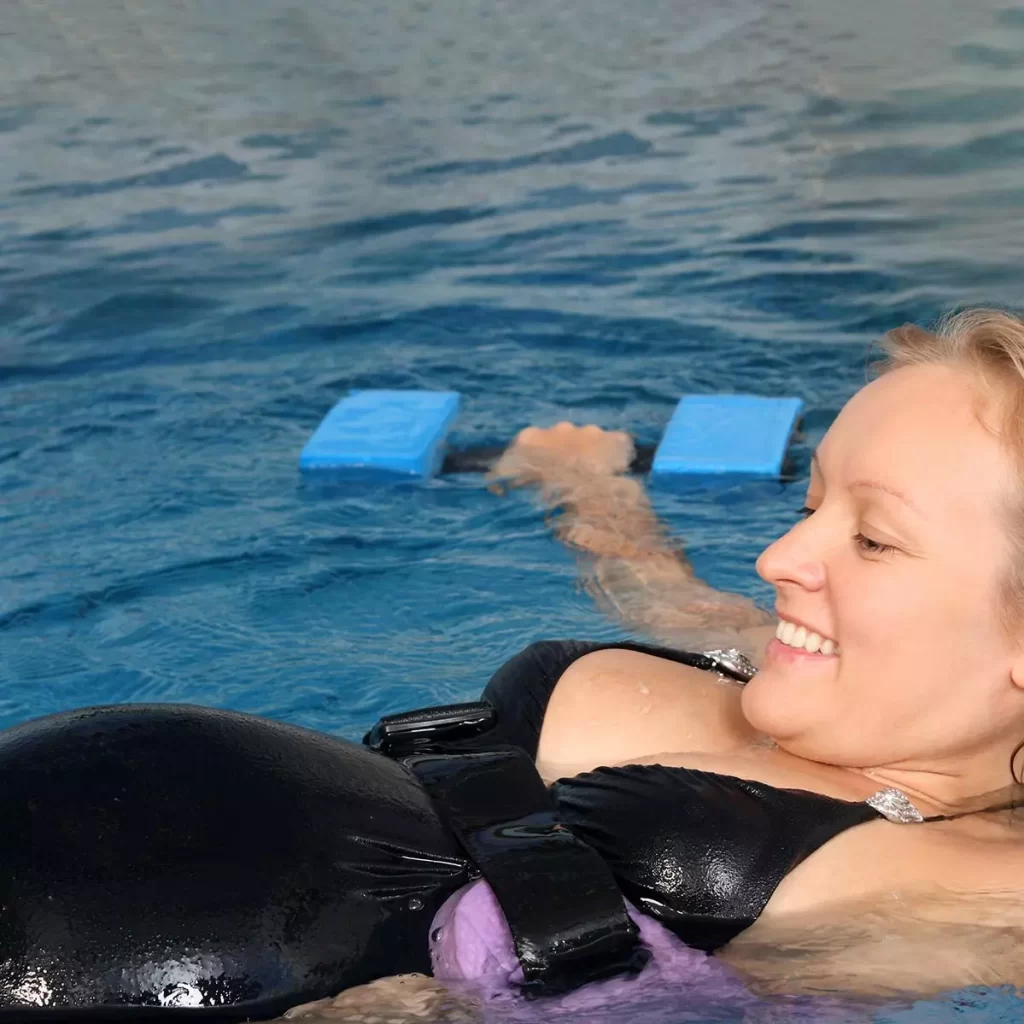
Can you go swimming while pregnant? Swimming ranks at the top of recommended prenatal workouts. First, it avoids impact on joints. Walking or running can stress knees and hips. However, water supports body weight. This means less pressure with every movement.
Second, swimming promotes steady breathing. Controlled inhales and exhales mimic labor techniques. Many birthing classes teach similar patterns. Practicing them in the pool builds muscle memory.
Third, it helps regulate body temperature. Overheating is a concern during pregnancy. Yet, water naturally cools the skin. This prevents dangerous spikes in core heat.
Fourth, it reduces back pain. The spine gets relief from gravity. Floating eases tension caused by added baby weight. Many women report less discomfort after regular swims.
Fifth, it supports healthy weight gain. Moderate activity prevents excessive pounds. At the same time, it boosts energy without exhaustion.
Therefore, swimming aligns perfectly with prenatal health goals. Most obstetricians encourage it unless complications exist.
How Water Buoyancy Supports Physical Comfort
Buoyancy changes how the body feels during pregnancy. As the belly grows, balance shifts. Simple tasks become harder. Yet, in water, up to 90% of body weight disappears. This creates a sense of freedom and ease.
Movements like walking or gentle kicks flow smoothly. There’s no fear of falling. Even women with limited mobility benefit. The water holds them securely.
This support also reduces pelvic pressure. Symphysis pubis dysfunction (SPD) causes sharp groin pain. Many find relief while swimming. Gentle flutter kicks strengthen muscles without strain.
Additionally, buoyancy improves posture. In upright positions, the spine tends to curve forward. But in water, alignment stays neutral. Shoulders relax. The neck feels less tense.
Floating on the back or side allows full rest. This passive recovery helps tired muscles recharge. Deep breathing comes naturally in this state.
As a result, swimming isn’t just exercise—it’s therapy. Women often leave the pool feeling refreshed and calm.
 Benefits of Swimming for Mental and Emotional Health
Pregnancy affects mood as much as the body. Hormonal changes cause anxiety, mood swings, or fatigue. Fortunately, swimming helps stabilize emotions. Physical activity releases endorphins. These “feel-good” chemicals reduce stress naturally.
Water itself has calming effects. The rhythmic motion of strokes induces relaxation. Many compare it to meditation. Focus stays on breath and movement, not daily worries.
Social interaction adds another layer. Joining a prenatal swim class builds community. Talking with other expecting mothers reduces isolation. Shared experiences create strong bonds.
Sleep quality improves too. Tiredness from physical effort leads to deeper rest. Women who swim regularly report fewer nighttime awakenings.
Even body image concerns lessen. In the water, shape doesn’t matter. Movement feels joyful again. Confidence grows with each lap.
Therefore, swimming supports both mind and body. It’s a holistic approach to wellness.
Ideal Strokes and Techniques for Pregnant Swimmers
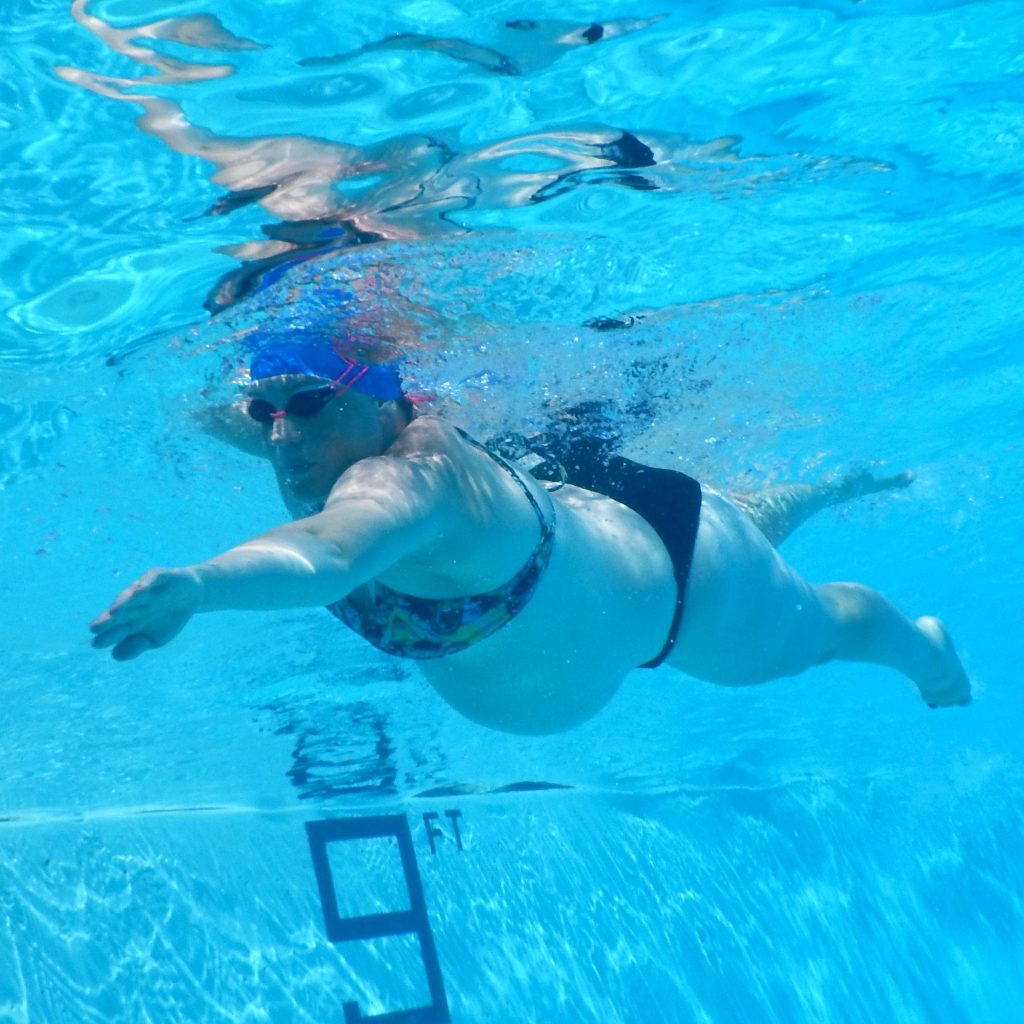
Not all strokes are equal during pregnancy. Freestyle remains a top choice. It uses smooth, continuous motion. The face-down position encourages long exhalations.
Backstroke works well in early and mid-pregnancy. It opens the chest and avoids abdominal pressure. However, balance may weaken in the third trimester. Falling backward is a risk.
Breaststroke allows controlled pacing. It strengthens inner thighs and pelvic floor. Still, the frog kick may strain some joints. Modify the motion if discomfort occurs.
Avoid butterfly completely. It demands intense core engagement. This increases intra-abdominal pressure. It’s not safe during any stage of pregnancy.
Sidestroke is excellent later in pregnancy. It supports the growing belly. One arm pulls while legs scissor gently. This low-effort style conserves energy.
Always warm up slowly. Begin with floating or light kicking. Gradually increase intensity. Listen to your body at all times.
 Safety Guidelines for Swimming While Pregnant
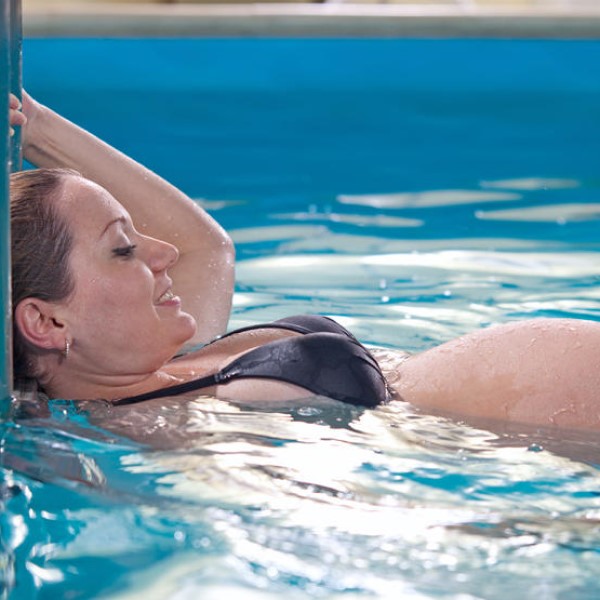
Even safe activities require caution. First, consult your healthcare provider before starting. They assess individual risks. Conditions like preeclampsia or placenta previa may restrict swimming.
Choose clean, well-maintained pools. Chlorine levels should be balanced. Avoid hot tubs or heated spas. Water above 102°F (38.9°C) raises body temperature too high.
Limit sessions to 30–45 minutes. Longer swims may lead to dehydration or dizziness. Exit the water if you feel lightheaded or overheated.
Stay hydrated. Drink water before and after swimming. Dehydration affects amniotic fluid levels. Always keep a bottle nearby.
Avoid diving or jumping in. Sudden entry can shock the system. Enter the water slowly using steps or a ramp.
Never swim alone. Have someone nearby in case of cramps or fainting. Lifeguards or pool staff provide extra security.
Finally, pay attention to contractions. If you feel regular tightening, stop immediately. Seek medical advice if they continue.
When to Avoid Swimming During Pregnancy
While most women can swim safely, some situations call for avoidance. Vaginal bleeding is a clear warning sign. Do not enter the water until cleared by a doctor.
Premature rupture of membranes (water breaking) requires immediate medical care. Swimming increases infection risk. Stay out of all bodies of water in this case.
Placenta previa means the placenta covers the cervix. This condition increases bleeding risk. Doctors usually advise against swimming.
Uncontrolled high blood pressure or gestational diabetes may limit activity. Your provider will guide safe exercise levels.
Frequent Braxton Hicks contractions or preterm labor history also raise concerns. Monitor symptoms closely. Stop swimming if anything feels unusual.
Cervical insufficiency or cerclage placement restricts physical strain. Always follow your specialist’s recommendations.
When in doubt, pause and ask. Safety always comes first.
 Best Times to Swim Based on Trimesters
Each stage of pregnancy brings different needs. First trimester swimming is safe for most. Energy levels vary widely. Some women feel exhausted. Others thrive with mild activity.
Morning sickness may affect timing. Wait until nausea passes. Short, cool sessions work best.
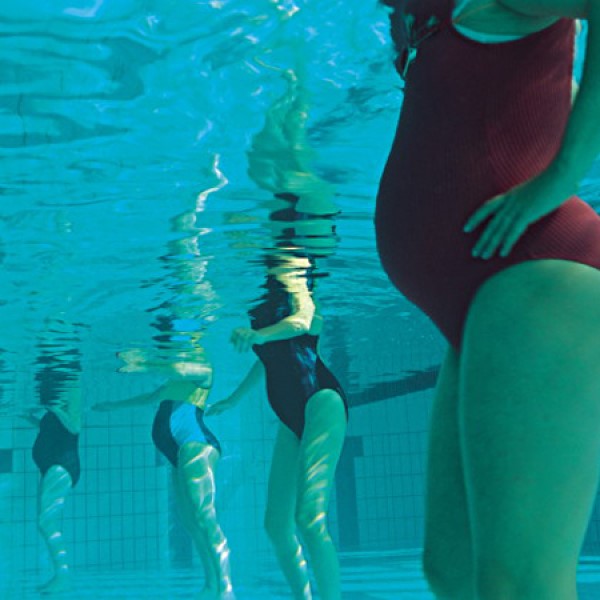
Second trimester is often the easiest. Energy returns. Balance remains stable. This is the ideal window for building routine. Join a class or set weekly goals.
Third trimester requires adjustments. Size and weight slow movements. Try shallow-end exercises or aqua aerobics. Supportive wear like maternity swim shorts helps.
Listen to your body daily. Some days call for rest. Others allow longer laps. Flexibility ensures continued enjoyment.
Many women swim until delivery day. Birth stories often mention final swims. The buoyancy provides lasting comfort.
What to Wear and Bring for a Safe Swim Session
Comfortable swimwear makes a big difference. Maternity swimsuits have stretchy panels. They support the belly and bust. Look for adjustable straps and soft linings.
One-piece suits offer more coverage. Tankinis allow easy bathroom access. Choose based on personal preference.
Bring a towel and flip-flops. Pool decks can be slippery. Protect feet from bacteria and moisture.
Hydration is key. Carry a water bottle. Replenish fluids lost through exertion.
A snack like a banana or granola bar helps prevent low blood sugar. Eat within 30 minutes after swimming.
Keep a change of clothes nearby. Wet fabric causes chills. Dry off quickly to stay comfortable.
Finally, bring your prenatal chart if attending a class. Staff may need health details.
Frequently Asked Questions About Whether Can You Go Swimming While Pregnant
Is chlorine harmful during pregnancy?
No. Properly maintained pools are safe. Chlorine kills harmful bacteria. Just avoid swallowing water.
Can I swim in lakes or oceans?
Yes, with caution. Check water quality reports. Avoid strong currents or cold temperatures. Always swim with a buddy.
How often should I swim?
Most experts suggest 3–5 times per week. Start slow and build gradually. Follow your doctor’s advice.
What if I get a cramp?
Stop immediately. Stretch the affected muscle. Gently massage it. Exit the water if pain persists.
Can swimming induce labor?
No evidence supports this. However, late-term swimming may prepare the body. It does not trigger birth.
 Final Thoughts on Whether Can You Go Swimming While Pregnant
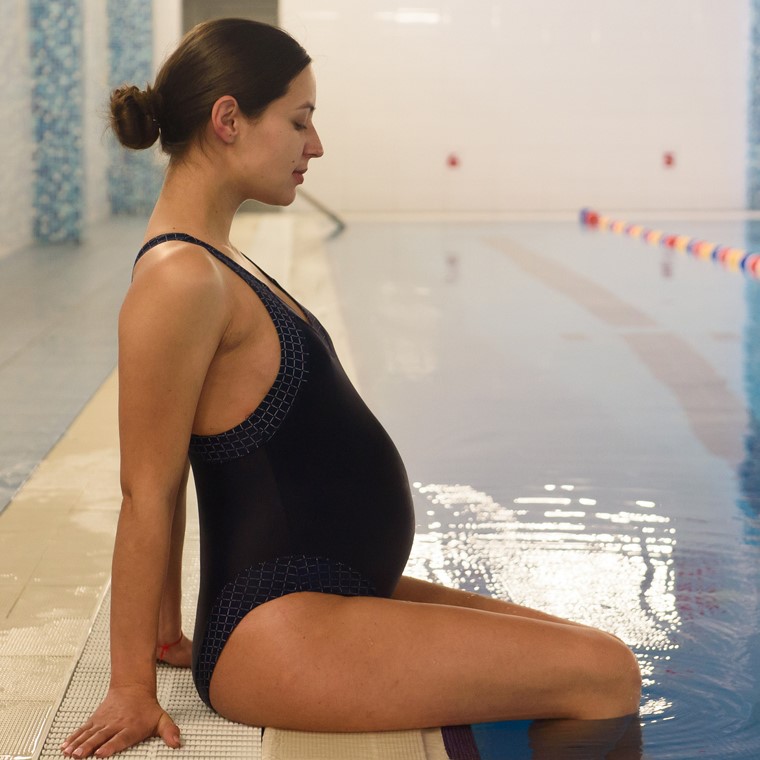
The answer to “can you go swimming while pregnant” is overwhelmingly positive—for healthy pregnancies. It delivers physical, emotional, and social benefits. From easing back pain to improving sleep, the advantages are clear. With simple precautions, most women enjoy swimming safely throughout their journey.
It’s not just about staying fit. It’s about feeling strong, capable, and connected to your changing body. In the water, gravity fades. Movement flows. Joy returns.
So if your provider gives the green light, take the plunge. Because swimming isn’t just allowed—it’s encouraged. And when done wisely, it becomes one of the most rewarding parts of pregnancy. Yes, you can go swimming while pregnant—and you just might love it more than ever.