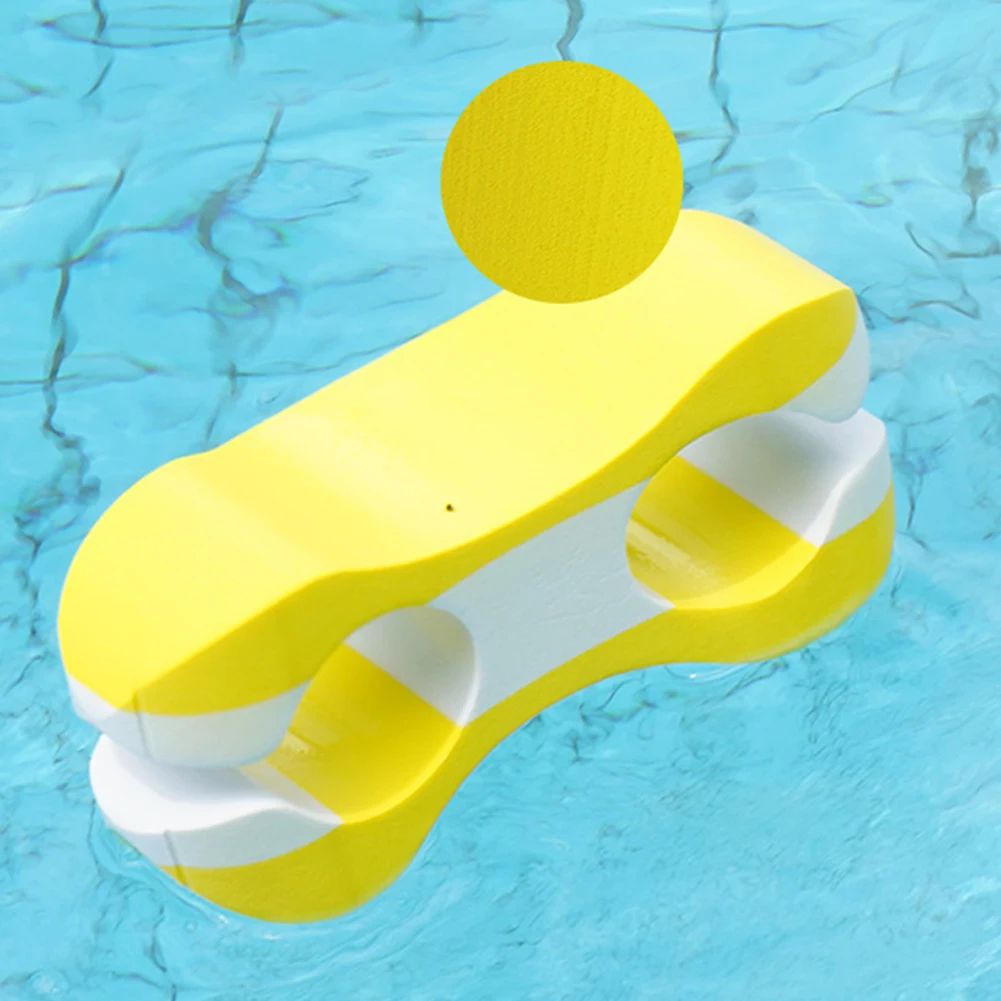
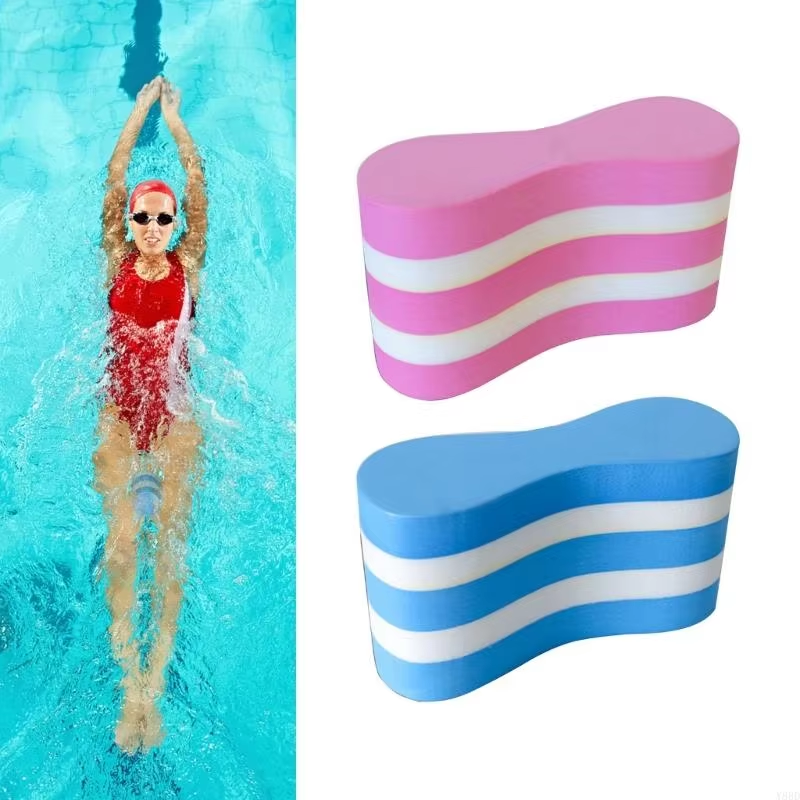
Pull buoy swimming is a key technique used by swimmers of all levels to improve upper body strength and stroke efficiency. A pull buoy is a lightweight foam device placed between the thighs or just above the knees. It supports the lower body, allowing swimmers to focus entirely on arm movement. This isolation helps build better form, increase endurance, and refine breathing patterns. As a result, pull buoy swimming has become a staple in swim workouts across clubs, schools, and fitness centers.
Moreover, using a pull buoy reduces drag from the legs. Since hips stay higher in the water, the body maintains a streamlined position. This mimics ideal racing posture and teaches proper alignment. Whether you’re training for triathlons or improving general fitness, pull buoy swimming delivers measurable results. Many coaches recommend it as part of weekly routines. Therefore, understanding how to use this tool correctly can elevate your performance significantly.
 Why Use a Pull Buoy During Swim Workouts
Benefits for Technique, Strength, and Endurance
One major reason to practice pull buoy swimming is improved upper body conditioning. Without leg propulsion, arms take full responsibility for forward motion. This forces the shoulders, back, and chest muscles to work harder. Over time, this builds strength and muscular endurance. Swimmers notice increased power during freestyle and butterfly sets.
Another benefit is enhanced stroke mechanics. With legs stabilized, attention shifts to hand entry, catch phase, and pull path. You can focus on high elbows and clean exits without distraction. Coaches often use pull buoys to correct flaws in timing or symmetry. Because the lower body stays still, errors in rotation become more visible.
Breathing technique also improves with consistent use. Since balance comes from core control and not kicking, swimmers learn to time breaths smoothly. They avoid lifting the head too high or twisting excessively. This leads to more efficient oxygen intake and less fatigue.
Additionally, pull buoy swimming reduces physical strain on tired legs. After intense kick sets, athletes use it to continue training while recovering. It allows active recovery without stopping movement. Hence, incorporating pull buoys increases workout flexibility and effectiveness.
How to Position the Pull Buoy Correctly
Placement Tips for Maximum Effectiveness
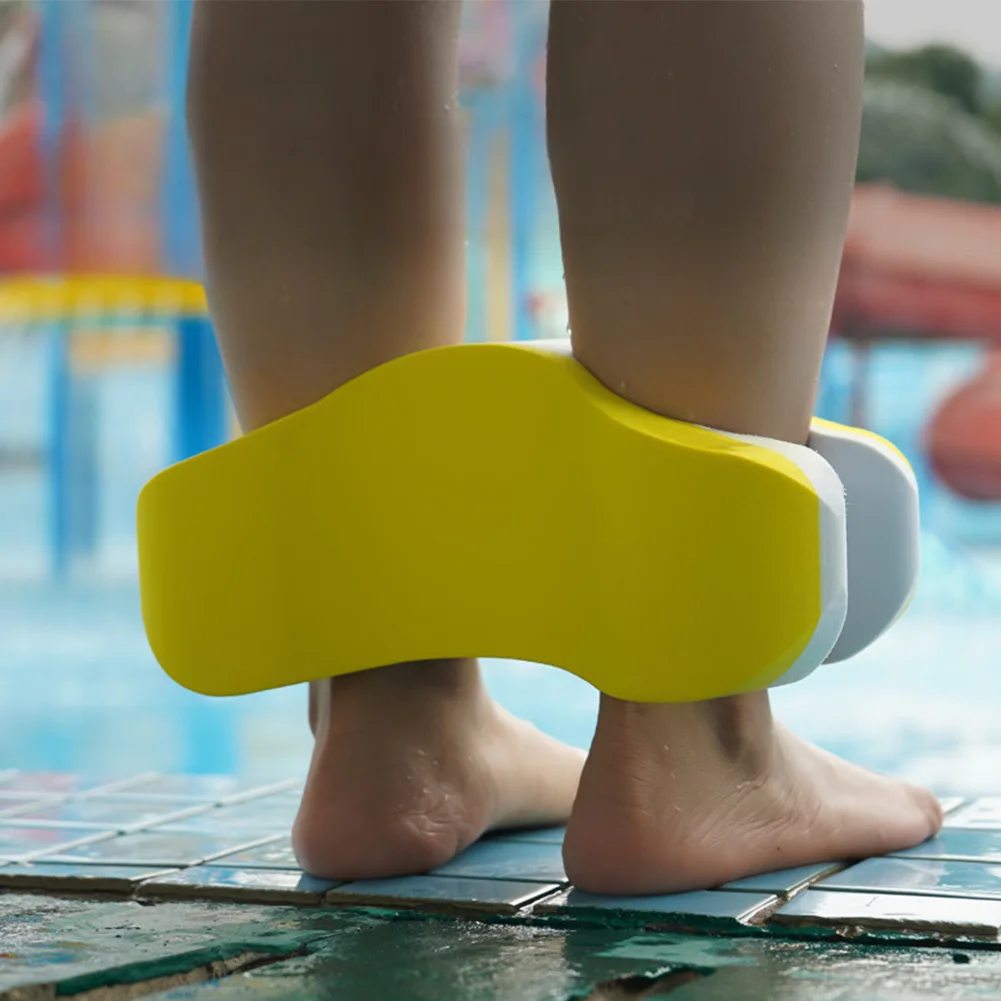
Proper placement ensures comfort and function during pull buoy swimming. Most swimmers place the narrow end toward the feet. Then, squeeze the legs around the center section. Insert the buoy between the thighs, just above the knees. This keeps hips elevated and prevents sinking.
Some prefer positioning it higher, near the groin. This offers greater lift but may feel uncomfortable at first. Others split the legs slightly wider for stability. Experimentation helps determine what works best. However, avoid placing it below the knees. That creates drag and defeats the purpose.
When entering the water, hold the buoy in place until floating. Kick lightly once or twice to gain momentum. Then, begin your stroke while maintaining tension with the thighs. Do not let go or allow it to float away. A snug fit means the foam grips naturally through muscle engagement.
For longer sessions, check your position periodically. Shifts can cause hip drop or side-to-side wobble. Adjust if you feel instability. Also, ensure the buoy isn’t pressing too hard against sensitive areas. Foam density varies—softer models offer cushioning. Firmer ones provide stronger support. Therefore, choose based on body type and experience level.
 Common Mistakes to Avoid
Errors That Reduce Training Value
Even experienced swimmers make mistakes when using a pull buoy. One common issue is over-squeezing the legs. Holding the buoy too tightly causes unnecessary tension. This transfers stress to the lower back and hips. Instead, rely on natural water buoyancy and gentle clenching.
Another mistake is letting the hips sink. Without kicks, poor posture leads to drag. To prevent this, engage the core muscles throughout the stroke. Keep the belly button pulled inward. Think about staying long from head to tailbone. A flat, horizontal line reduces resistance.
Some swimmers rotate too much during freestyle. While some roll is normal, excessive twisting throws off balance. Focus on controlled shoulder turns. Use your eyes to guide hand entry. Watch the wall during drills to maintain straight tracking.
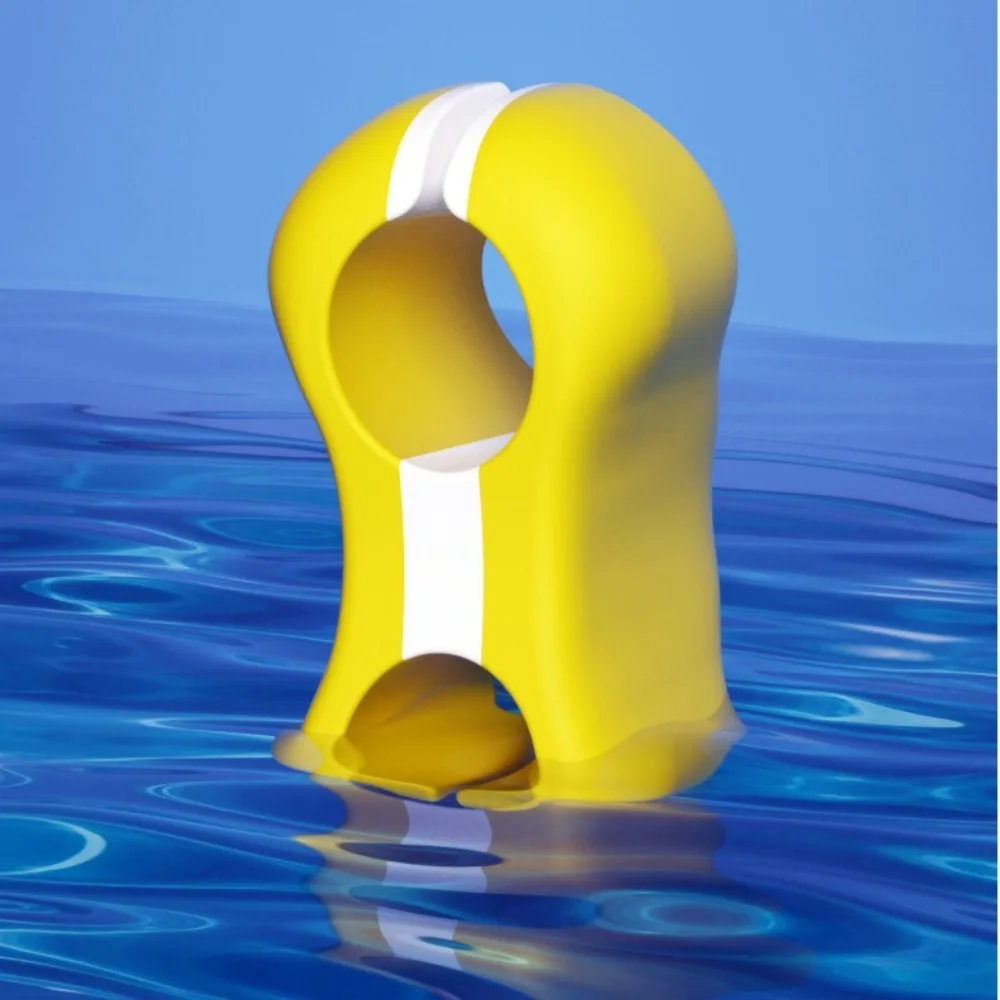
Using the wrong size buoy affects performance. Too large, and it floats awkwardly. Too small, and it doesn’t offer enough lift. Choose one that fits snugly without pinching. Youth sizes exist for younger swimmers. Adults typically use standard or competition-grade buoys.
Also, relying solely on pull sets limits development. Legs play a crucial role in real races. Balance pull buoy swimming with full-stroke and kick-only drills. Therefore, variety ensures well-rounded growth.
Types of Pull Buoys and Their Uses
Foam, Split, and Competition Models Compared
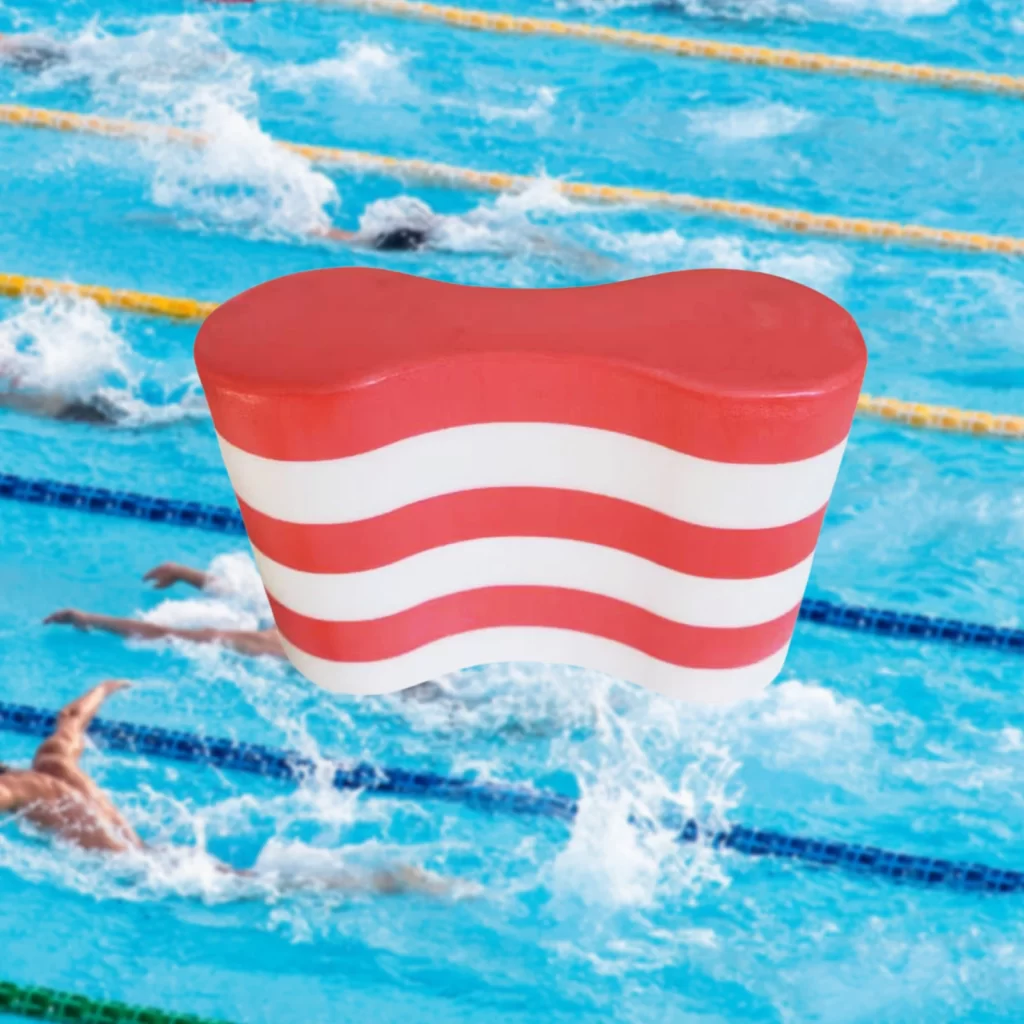
Not all pull buoys are the same. The most common type is the traditional foam buoy. Made from soft EVA foam, it’s ideal for beginners and recreational swimmers. It provides gentle support and comfort during long sets. Its bright colors make it easy to spot in the pool.
Next is the split pull buoy. This version has a gap down the middle. It allows slight leg separation and promotes natural alignment. Many users find it more comfortable than solid models. It also encourages subtle core engagement since there’s less surface area.
For advanced athletes, competition-style buoys are available. These are narrower and denser. They create minimal drag and mimic race conditions closely. Some elite swimmers use them during taper phases. These require strong core control due to reduced lift.
Eco-friendly options now appear on the market. Brands use recycled materials to reduce environmental impact. These perform just as well as conventional types. Durability remains high even after repeated use.
Shape matters too. Curved designs follow thigh contours. Flat versions suit swimmers who prefer extra grip. Prices vary based on brand and features. Beginners can start affordably. Serious athletes may invest in premium models. Therefore, selecting the right type enhances your pull buoy swimming experience.
 Combining Pull Buoy Swimming with Other Drills
Building a Balanced Training Routine
Pull buoy swimming works best when combined with other techniques. For example, adding paddles increases resistance. This strengthens hands and forearms. However, always warm up before using them. Start with short distances to avoid shoulder strain.
Fins can be used after pull sets. They help re-engage the legs gradually. This restores coordination between upper and lower body. Try 50-meter kick sets to rebuild rhythm. Use short blades to avoid knee stress.
Add snorkels to eliminate breathing distractions. With a front-mounted snorkel, focus only on stroke rate and tempo. This improves consistency and pacing. Remove it every few laps to practice bilateral breathing.
Use the pull buoy during catch-up drills. In freestyle, bring one hand past the other before pulling. This reinforces timing and glide phase. Count strokes per length to track efficiency improvements.
In backstroke, the buoy keeps hips high and body aligned. Practice single-arm drills while holding a kickboard in one hand. This isolates each side for symmetry checks. Rotate shoulders fully with each stroke.
Therefore, integrating pull buoy swimming into varied workouts maximizes skill development.
Safety and Comfort Tips for Long Sessions
Preventing Strain and Ensuring Enjoyment
While pull buoy swimming is effective, safety should never be ignored. First, limit duration if new to the drill. Begin with 100–200 meters per session. Gradually increase as strength improves. Sudden long sets may lead to shoulder fatigue or lower back discomfort.
Take breaks between sets. Float on your back and stretch arms overhead. Gently twist the spine side to side. This releases built-up tension. Hydrate regularly, even though you’re in water. Dehydration still occurs during prolonged exercise.
Check skin contact points after each swim. Red marks or chafing mean the buoy is too tight or positioned poorly. Apply anti-chafe balm before starting. Wear a swimsuit with smooth inner lining to reduce friction.
Avoid aggressive starts or flip turns with a pull buoy. It can slip out of place or cause imbalance. Push off gently from the wall. Re-center yourself before resuming strokes.
If you have existing back or hip issues, consult a coach or physiotherapist. Core instability may worsen with improper use. Modify exercises as needed. Some swimmers use smaller buoys or alternate with kickboards.
Therefore, prioritizing comfort leads to sustainable progress.
 Frequently Asked Questions
Common Concerns Answered Clearly
Can beginners use a pull buoy? Yes, but start slowly to build strength. Does it help with body position? Absolutely—it lifts the hips and improves alignment. Can I breathe normally while using one? Yes, focus on rhythmic breathing patterns.
Is pull buoy swimming bad for shoulders? Only if done incorrectly or excessively. Should I wear fins with a pull buoy? Not at the same time—it reduces effectiveness. Can kids use pull buoys safely? Yes, under supervision and with youth-sized models.
Do I need special gear? No, just a standard pull buoy and swimsuit. Will it make me faster? Over time, yes—by refining stroke and building power. Can I use it for breaststroke? Possible, but less common due to leg movement needs. Is it allowed in competitions? Used in training only, not in races.
These answers help users apply pull buoy swimming safely and effectively.
 Final Thoughts on Improving Performance Through Pull Buoy Swimming
A Simple Tool with Powerful Results
Pull buoy swimming remains one of the most effective ways to enhance swim technique. It isolates the upper body, builds strength, and promotes proper alignment. Whether you’re a beginner or seasoned athlete, its benefits are clear. By reducing reliance on leg drive, you develop cleaner, more efficient strokes.
Moreover, the tool supports injury prevention and balanced training. It allows rest for fatigued legs while maintaining cardiovascular effort. When paired with paddles, snorkels, or drills, it becomes part of a complete regimen. Consistent use leads to noticeable gains in speed and stamina.
Choosing the right buoy and using proper form ensures maximum value. Avoid common errors like over-gripping or poor posture. Combine pull buoy swimming with full-body sets for overall improvement. Listen to your body and adjust intensity as needed.
Ultimately, this simple piece of equipment delivers powerful results. So next time you enter the pool, grab a pull buoy and focus on your arms. With dedication, pull buoy swimming will transform your performance—one stroke at a time.