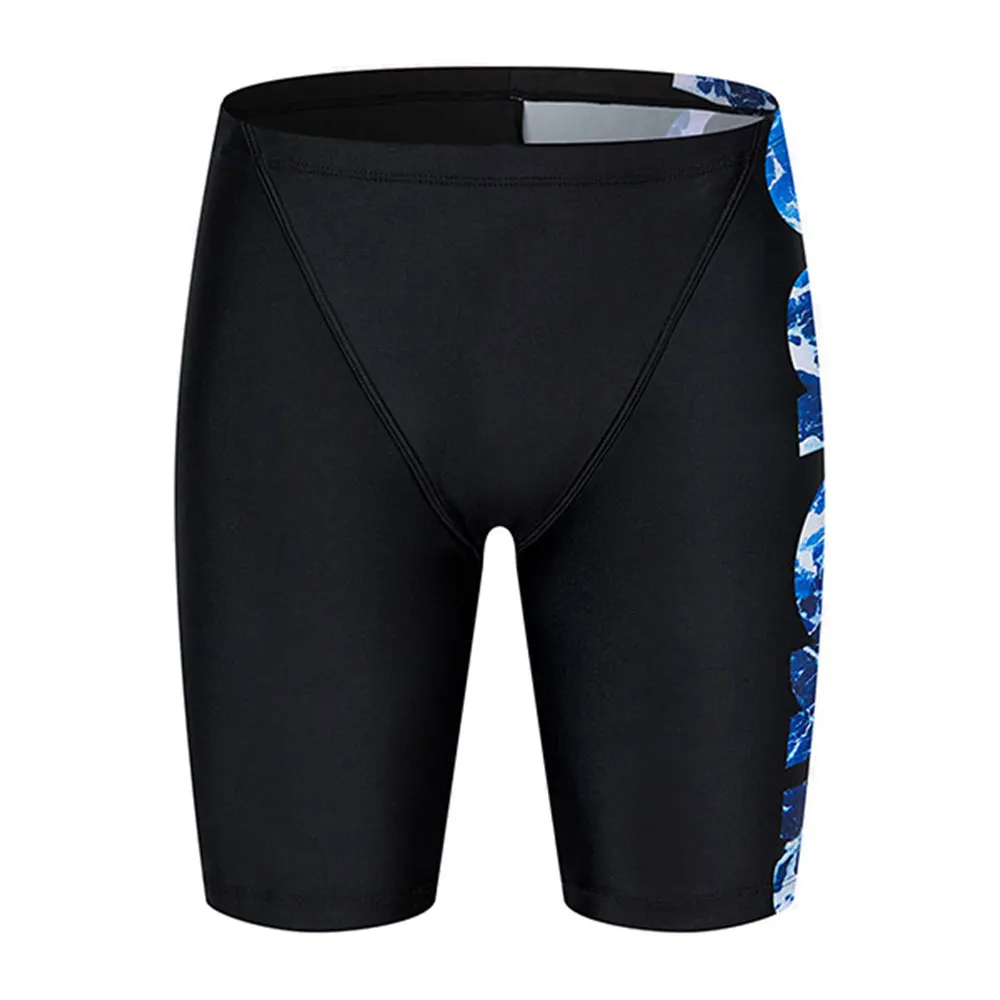
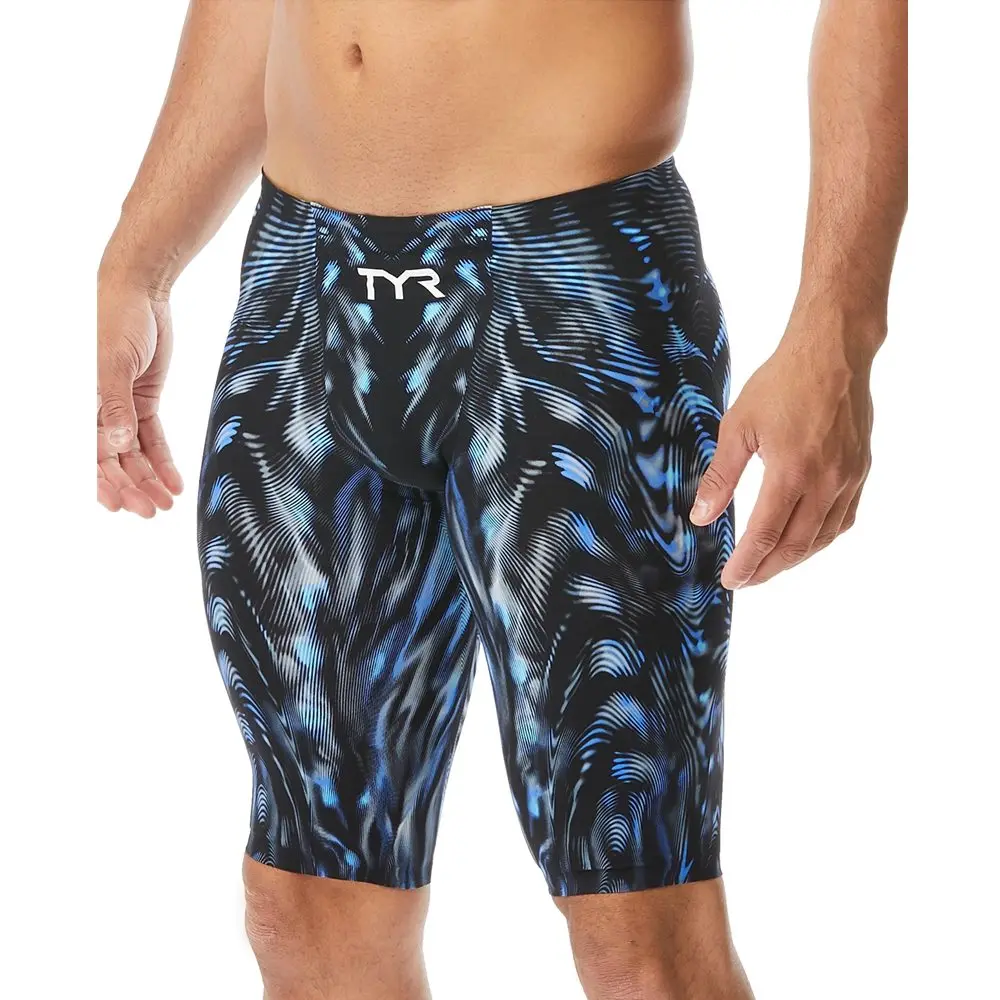
Swimming jammers have become essential gear for serious swimmers and fitness enthusiasts alike. These form-fitting, knee-length swimwear pieces are designed to reduce drag and enhance speed in the water. Unlike loose swim trunks, swimming jammers compress muscles and streamline the body’s shape. As a result, they improve hydrodynamics and support faster lap times. Many competitive athletes wear them during training and races. Their sleek design also makes them popular in swim meets governed by FINA regulations.
Moreover, swimming jammers offer more than just performance benefits. They provide muscle support and reduce fatigue during long sessions. The tight fit helps stabilize key muscle groups like the quads and hamstrings. This compression can lead to improved endurance and quicker recovery. Whether you’re preparing for a triathlon or improving your stroke technique, swimming jammers deliver real advantages.
 Why Swimmers Choose Jammers Over Other Swimwear
Comparing Performance, Fit, and Comfort
Swimming jammers stand out when compared to briefs or regular swim shorts. First, they cover more surface area. This reduces skin resistance in the water. Less drag means smoother gliding through each stroke. In contrast, baggy trunks create turbulence that slows movement.
Additionally, jammers compress leg muscles effectively. This support minimizes vibration during kicks. It also increases blood flow slightly, which may delay muscle fatigue. Long-distance swimmers benefit greatly from this feature.
Fit is another major advantage. Jammers hug the body without restricting motion. They stay in place during flips and turns. Loose swimwear tends to shift or require constant adjustment. That distraction can break focus mid-race.
Comfort improves over time as well. Some users find jammers tight at first. However, after a few wears, they adapt to the feel. Most report increased confidence in the water.
Durability matters too. Quality jammers resist chlorine damage better than standard fabrics. They maintain shape and color after repeated use.
Finally, many teams require jammers for uniformity. Matching colors and styles build team identity. They also look professional during competitions.
Therefore, swimmers at all levels choose jammers for both practical and psychological reasons.
Key Features of Top-Quality Jammers
Fabric, Seam Design, and Compression Technology
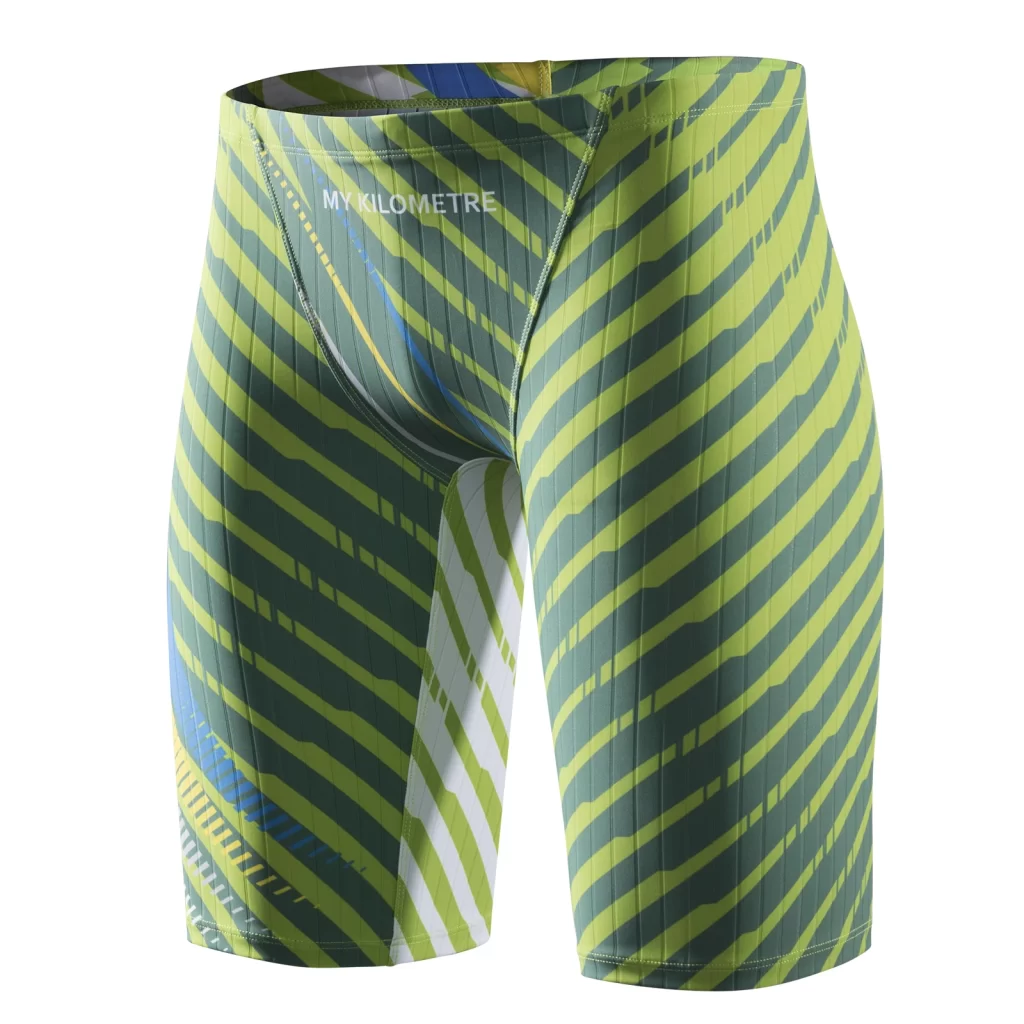
The best swimming jammers rely on advanced materials and construction. Most high-end models use polyester-spandex blends. These fabrics resist chlorine, UV rays, and pilling. Nylon-based options exist but tend to degrade faster. Therefore, polyester offers longer life and better value.
Compression level varies between brands. Race-level jammers deliver firm pressure. Training versions may be slightly looser for comfort. Always check product descriptions before buying.
Flatlock or bonded seams prevent chafing. Traditional stitched seams can irritate sensitive skin. Seamless or welded designs glide smoothly against the body. This detail enhances comfort during extended wear.
Water repellency is built into many premium jammers. Special coatings cause water to bead and roll off. This reduces absorption and drag. As a result, swimmers move faster with less effort.
Leg openings often include silicone grippers. These small strips keep the jammer in place. Without them, fabric may ride up during intense activity.
Waistbands should sit securely without digging. Adjustable drawcords are rare but helpful. Most rely on stretch for fit.
Colors and patterns follow team or personal preferences. Black remains popular for its slimming effect. Bright hues increase visibility in open water.
Each feature contributes to overall performance. Together, they define what makes swimming jammers effective.
 How to Choose the Right Size and Fit
Avoiding Common Sizing Mistakes
Getting the right size is crucial for swimming jammers. Too tight causes discomfort and restricts breathing. Too loose creates drag and defeats the purpose. First, consult the brand’s size chart. Do not assume your regular clothing size matches.
Measure your waist and hips accurately. Use a soft tape measure around the fullest part. Compare results directly to the manufacturer’s guide. Some brands run small; others are generous.
Try them on if possible. Step into the jammers slowly. Pull gently over legs and hips. Never yank or force them. A proper fit feels snug but allows full range of motion.
Check mobility. Squat, bend, and simulate strokes. Ensure no pinching occurs. Leg seams should lie flat. Waistband must stay put during movement.
Consider growth for young swimmers. Kids may outgrow jammers quickly. Buy one size up only if within recommended limits. Oversized jammers lose compression benefits.
Wet fabric behaves differently. Test in water if allowed. Some materials tighten when wet. Others relax slightly. Know how yours react.
Return policies matter when buying online. Keep tags attached until confirmed fit. Try multiple sizes if unsure.
A well-fitted pair supports performance without sacrifice.
Caring for Your Jammers
Extending Lifespan with Proper Washing and Storage
Proper care keeps swimming jammers functional and comfortable. First, rinse immediately after use. Chlorine and saltwater degrade fabric fast. Cold water removes most chemicals.
Hand wash whenever possible. Fill a basin with cool water and mild detergent. Gently swirl the jammers for 1–2 minutes. Do not scrub or twist. Harsh motions break down elastic fibers.
If machine washing, use a mesh laundry bag. Select the delicate cycle with cold water. Never mix with rough fabrics like towels. Zippers or buttons can snag delicate material.
Avoid bleach and strong detergents. These strip protective coatings and fade colors. Use swim-specific cleaners instead. They preserve elasticity and water resistance.
Dry flat away from direct sunlight. Hang drying stretches leg openings. Heat from dryers ruins spandex content. Lay on a towel and reshape gently.
Never wring out excess water. This damages the weave. Press lightly with a dry towel instead.
Store unfolded in a drawer or bag. Folding creases the fabric over time. Keep away from sharp objects.
Rotate between two pairs. This reduces wear and tear. Frequent swimmers especially benefit from rotation.
With consistent habits, quality jammers last through hundreds of laps.
 Where to Buy Reliable Jammers
Trusted Brands and Retailers for Every Need
Finding authentic swimming jammers starts with reputable sources. Major brands like Speedo, Arena, TYR, and Nike dominate the market. Each offers race-ready and training models. Check their official websites for updated collections.
Department stores like Dick’s Sporting Goods carry verified inventory. Staff often assist with sizing questions. In-store try-ons reduce return risks.
Online platforms such as Amazon and SwimOutlet offer convenience. Read customer reviews carefully. Look for feedback on durability, fit, and fading. Buyer-uploaded photos help verify real appearance.
Team suppliers like Myrtha or Dolfin serve clubs and schools. They offer bulk pricing and custom printing. Ideal for coaches managing large groups.
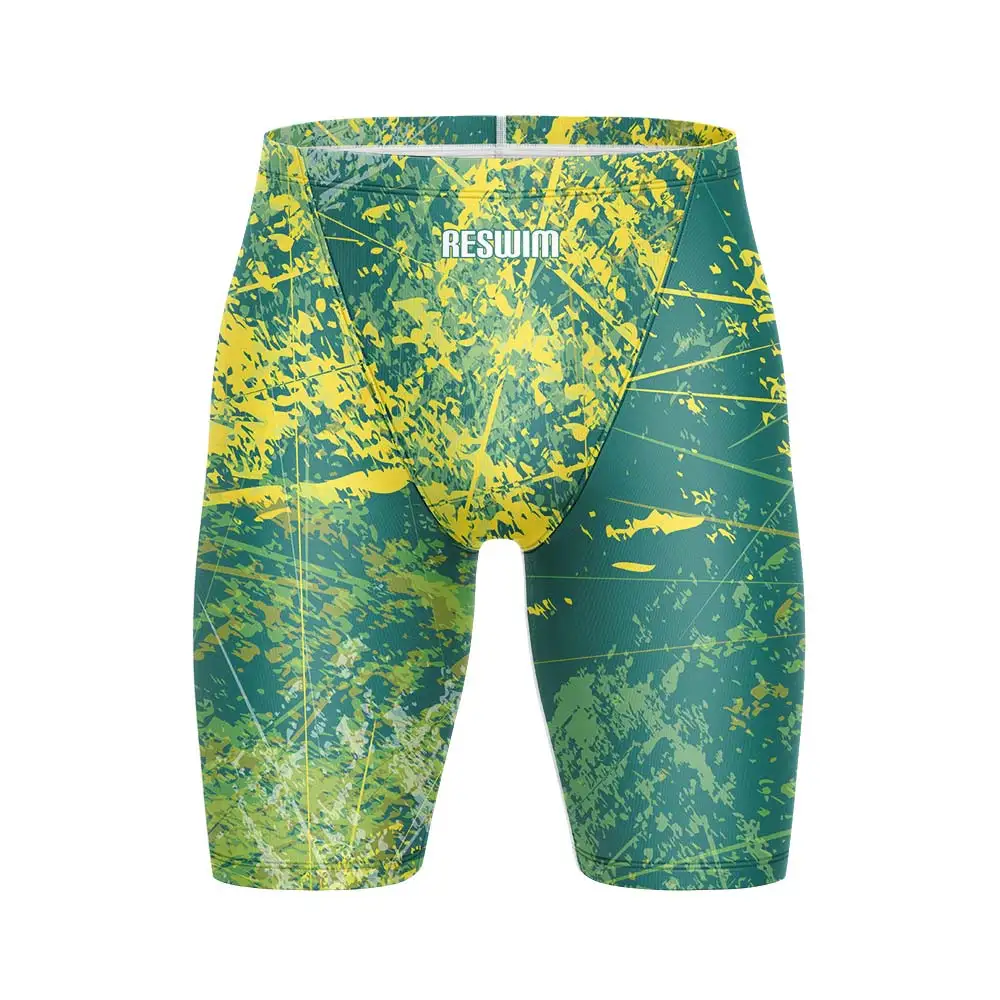
Etsy features handmade swimwear. Independent sellers create unique prints. Best for casual or fashion-focused buyers.
Avoid third-party sellers with no return policy. Fake listings often mimic real products. Always verify seller ratings and contact details.
Sign up for newsletters. Brands frequently offer early access to sales or new releases. This helps you stay current with trends.
Styling and Wearing Jammers Correctly
Tips for Confidence and Functionality
Wearing swimming jammers correctly ensures comfort and performance. First, step into them one leg at a time. Pull slowly over thighs and hips. Never jump or tug aggressively. This prevents tearing.
Position the waistband at the natural waistline. It should rest comfortably above the hips. Adjust so no twisting occurs. Smooth out wrinkles around the crotch and legs.
Pair with a racing swimsuit top if needed. Female athletes often wear jammers under competition suits. Male swimmers typically wear nothing underneath. Liners provide light support but aren’t required.
Layer appropriately for open water. In colder conditions, add neoprene socks or gloves. Jammers alone do not insulate. Consider wetsuits for very cold temperatures.
Practice putting them on quickly. Pre-race nerves make dressing harder. Familiarity speeds up preparation.
Avoid wearing jammers outside the pool. Sunlight, sand, and rough surfaces damage fabric. They are not designed for beach walks or lounging.
Confidence grows with experience. At first, the tight fit may feel unusual. With regular use, it becomes normal. Focus on performance gains rather than initial discomfort.
 Frequently Asked Questions
Common Concerns Answered Clearly
Do jammers really make you swim faster? Yes. They reduce drag and improve body alignment. Many swimmers see improved times even in short sprints.
Can I wear jammers for recreation? Absolutely. Casual swimmers enjoy the smooth feel and support. Just avoid harsh environments like rocky shores.
Are they suitable for beginners? Yes. New swimmers benefit from streamlined form. Start with training-grade models for comfort.
How often should I replace them? Typically every 6–12 months with regular use. Signs include fading, thinning fabric, or loss of compression.
Can I wear underwear under jammers? Not recommended. It adds bulk and traps water. Most come with a built-in liner for modesty.
Do jammers work in open water races? Yes. Many triathletes wear them. However, some events require full wetsuits in cold water. Check race rules first.
Will they shrink in hot water? Yes. Always rinse in cold water. Hot showers or washing machines ruin elasticity.
 Final Thoughts
Making a Smart Investment in Your Swim Journey
Swimming jammers are more than just swimwear—they are tools for improvement. From reducing drag to supporting muscles, they deliver measurable benefits. Whether used in competition or daily practice, they enhance performance.
With proper selection, care, and fit, they last through seasons of training. They support goals ranging from school meets to national events. More importantly, they build confidence in the water.
As technology advances, so do materials and design. Modern jammers combine science and comfort seamlessly. For any dedicated swimmer, they are a worthwhile addition. So explore options, invest wisely, and let your swimming jammers help you reach your full potential. After all, the right gear can make all the difference—and swimming jammers are built to perform.