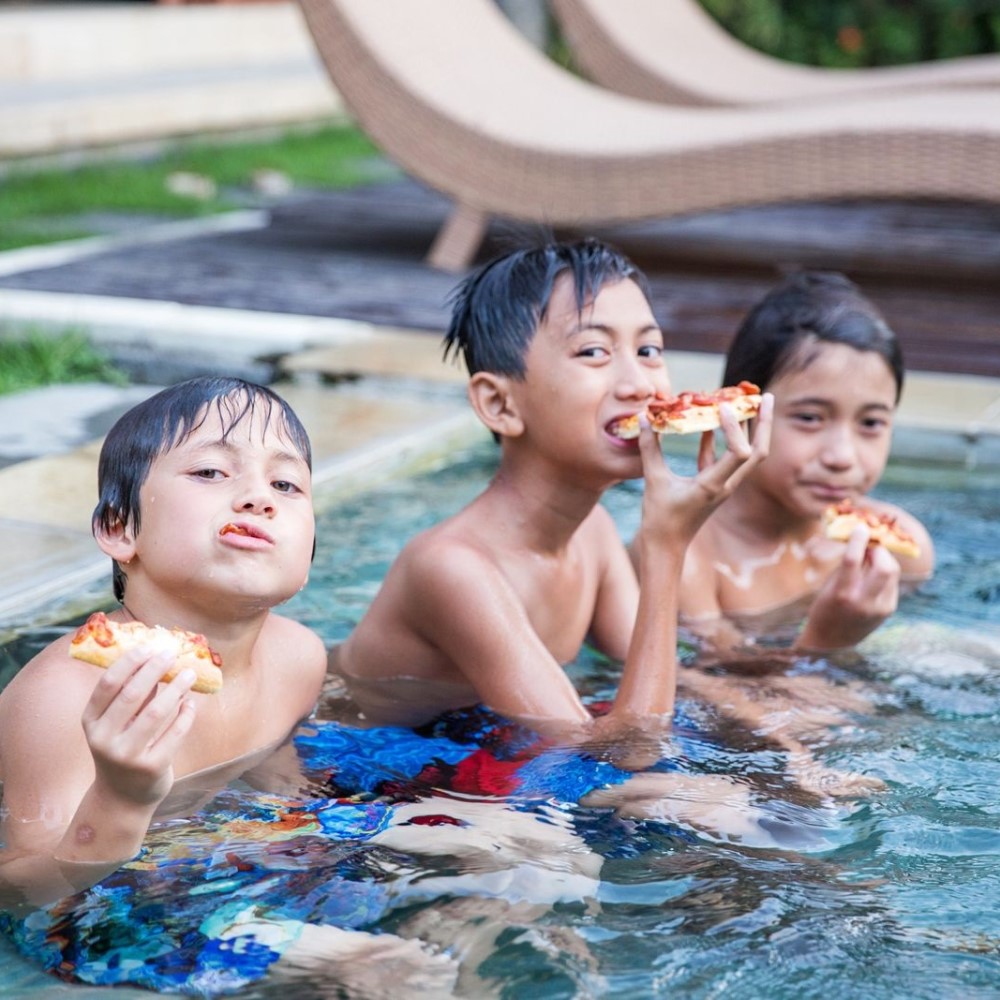
The idea of waiting an hour after eating before swimming has been repeated for generations. Parents often warn children not to jump in the water right after lunch. This belief centers around the fear that swimming after eating could cause cramps or even drowning. However, modern science shows that this rule is largely exaggerated. While there are valid considerations, most healthy individuals can swim shortly after eating without serious risk. The topic of swimming after eating continues to spark debate among families, lifeguards, and health experts.
Moreover, the type and amount of food matter more than a fixed waiting period. A light snack does not affect the body the same way as a heavy meal. Blood flow does shift to the digestive system after eating. At the same time, muscles need oxygen during physical activity. Yet the human body is capable of managing both processes simultaneously. Transitioning from myth-based rules to evidence-based guidelines helps people enjoy water safely and without unnecessary restrictions.
 Why the “Wait an Hour” Rule Became So Popular
How Tradition and Fear Shaped Common Beliefs
The belief that you must wait before swimming after eating has deep cultural roots. It spread widely through summer camps, family routines, and public pools. Many adults repeat it simply because they were told the same thing as kids. There was never strong scientific backing, but the idea felt logical.
People assumed that digestion pulls blood away from muscles. They thought this could lead to muscle cramps while swimming. If a swimmer cramped up, they might panic or sink. In worst-case scenarios, this could result in drowning. These fears made the rule seem like common sense.
Lifeguards adopted the policy to reduce liability. Enforcing a waiting period minimized arguments and created structure at busy pools. It also gave supervisors control over high-energy kids who might dive in immediately after lunch.
Media stories amplified concerns. Occasional incidents involving youth and water were linked—without proof—to recent meals. Over time, correlation became mistaken for causation.
Despite limited evidence, the rule stuck. It offered a simple guideline in environments where supervision is challenging.
Transitioning from tradition to factual understanding requires reevaluating long-held assumptions about swimming after eating.
What Science Says About Digestion and Physical Activity
How Your Body Manages Blood Flow During Exercise
Scientific research does not support the claim that swimming after eating is dangerous for most people. The human body efficiently manages multiple functions at once. When you eat, blood flow increases to the stomach and intestines. This aids digestion. At the same time, your cardiovascular system continues to supply oxygen to muscles.
Mild to moderate exercise does not interfere with this balance. Studies show that typical meals do not impair performance or increase cramp risk during swimming. Even athletes consume carbohydrates before events. They train and compete without waiting hours.
Cramps are more likely caused by dehydration, fatigue, or sudden exertion. Cold water can also trigger muscle tightening. But no clinical trials have proven that normal post-meal swimming leads to life-threatening issues.
The American Red Cross and other safety organizations no longer enforce strict waiting periods. They focus instead on supervision, swimming ability, and water conditions.
For individuals with sensitive stomachs, intense swimming right after a large meal may cause discomfort. Bloating or nausea can occur. However, this is not the same as a medical emergency.
Healthy swimmers can assess their own tolerance. Start slow if needed. Monitor how your body responds.
Transitioning from fear-based rules to personalized decisions promotes smarter water safety.
 Types of Meals That Affect Swimming Differently
Light Snacks vs. Heavy Meals: What Really Matters
Not all foods impact swimming the same way. The key factor in swimming after eating is portion size and composition. A small apple or granola bar provides quick energy. It digests quickly and rarely causes issues. You can swim safely within 15–20 minutes after such snacks.
In contrast, a large meal rich in fats, proteins, and carbohydrates takes longer to digest. Think fried foods, pasta, or barbecue. These sit in the stomach for hours. Blood flow remains focused on digestion. Jumping into vigorous swimming too soon may lead to discomfort.
Symptoms like bloating, sluggishness, or mild cramping may appear. These are not emergencies. They simply signal that your body is working hard to process food. Pausing for 30–60 minutes allows initial digestion to begin.
Sugary foods can cause energy spikes and crashes. Avoid soda or candy before swimming. These may lead to fatigue mid-swim.
Hydration plays a role too. Drinking water with your meal supports digestion. Dehydration increases cramp risk regardless of food intake.
Children often eat quickly and want to play. Offer light, balanced snacks before pool time. Yogurt, fruit, or crackers work well. Avoid greasy or heavy options.
Transitioning from one-size-fits-all rules to meal-specific timing improves comfort and safety.
Who Should Be Cautious About Swimming After Eating
Special Considerations for Kids, Seniors, and Medical Conditions
While most people can swim shortly after eating, some should take extra care. Young children have smaller bodies and less developed digestive systems. Large meals may make them feel sluggish. They also struggle to communicate discomfort. Supervisors should watch for signs of nausea or fatigue.
Older adults may experience reduced circulation or slower digestion. Those with heart conditions or diabetes should avoid intense activity after meals. Blood sugar fluctuations can affect energy levels. Consult a doctor for personalized advice.
People with acid reflux or GERD may find that swimming triggers symptoms. Lying flat in the water increases pressure on the stomach. This can cause heartburn or regurgitation. Waiting 30–45 minutes reduces this risk.
Individuals prone to muscle cramps should stay hydrated and avoid sudden exertion. Warm up slowly. Begin with gentle strokes rather than sprints.
Those recovering from surgery or illness need to follow medical guidance. Abdominal procedures require special caution. Movement may strain healing tissues.
Even elite swimmers adjust routines based on meals. They time nutrition to optimize performance.
Transitioning from general advice to individual awareness ensures safer experiences for everyone.
 Best Practices for Safe
Practical Tips for Families, Athletes, and Casual Swimmers
You don’t need to stop swimming after eating. Instead, use smart strategies to stay comfortable and safe. First, plan meals ahead of swim time. Eat at least 30 minutes before entering the water. This gives digestion a head start.
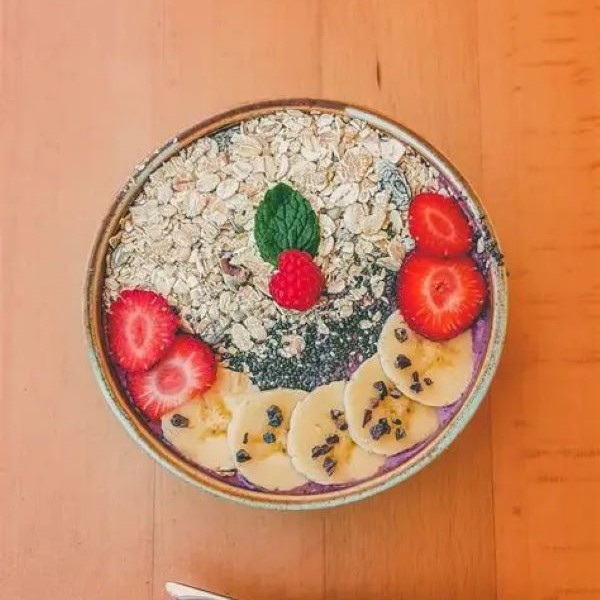
Choose easily digestible foods. Bananas, toast, oatmeal, or smoothies provide energy without heaviness. Avoid greasy, spicy, or fibrous items before swimming.
Start with low-intensity activity. Swim leisurely for the first few minutes. Observe how your body feels. If you feel fine, gradually increase effort.
Teach children to listen to their bodies. If they feel bloated or tired, they should float or rest. Use games like “follow the leader” instead of races.
Stay hydrated. Drink water before, during, and after swimming. Dehydration raises cramp risk more than food does.
Avoid diving or flip turns right after eating. These put sudden pressure on the abdomen. Stick to surface swimming until digestion progresses.
Supervise young swimmers closely. Keep rescue equipment nearby. Know basic first aid and CPR.
Transitioning from rigid rules to informed choices leads to better outcomes.
Open Water vs. Pool: Adjusting Habits by Environment
How Location Changes Risk and Response Time
Swimming after eating carries different considerations in open water versus pools. In controlled pool settings, help is usually nearby. Lifeguards respond quickly. Swimmers can exit easily if they feel unwell.
Open water presents higher risks. Lakes, rivers, and oceans lack immediate assistance. Currents, waves, and cold temperatures add stress. If someone feels dizzy or cramped far from shore, help may be delayed.
For triathletes or endurance swimmers, fueling is essential. They eat during long events. Energy gels and sports drinks are consumed while swimming. Waiting an hour is not practical. Instead, they train their bodies to handle food and motion together.
Recreational swimmers should be cautious. Avoid heavy meals before kayaking, snorkeling, or long-distance swims. Opt for light, portable snacks.
Cold water increases shock risk. Sudden immersion after eating may trigger a stronger physiological response. Enter slowly. Allow your body to adjust.
Sun exposure and wind can mask early signs of discomfort. Stay aware of changes in breathing or muscle tightness.
Always swim with a buddy in open water. Share your plans with someone onshore.
Transitioning from pool habits to outdoor awareness enhances overall safety.
 Frequently Asked Questions
Is it dangerous to swim after eating? For most people, no. Serious risks are rare.
How long should I wait to swim after a meal? 20–30 minutes for light meals. 45–60 minutes for large ones.
Can swimming after eating cause cramps? Possible, but not common. Cramps are more often due to dehydration.
What if my child wants to swim right after lunch? Let them swim gently. Watch for signs of discomfort.
Does the type of food matter? Yes. Fatty or heavy meals take longer to digest.
Can I swim after a protein shake? Yes. Liquid meals digest faster than solids.
Should athletes avoid eating before swimming? No. Proper fueling improves performance.
Is there a best time to eat before swimming? 30–60 minutes prior is ideal for most.
 Final Thoughts
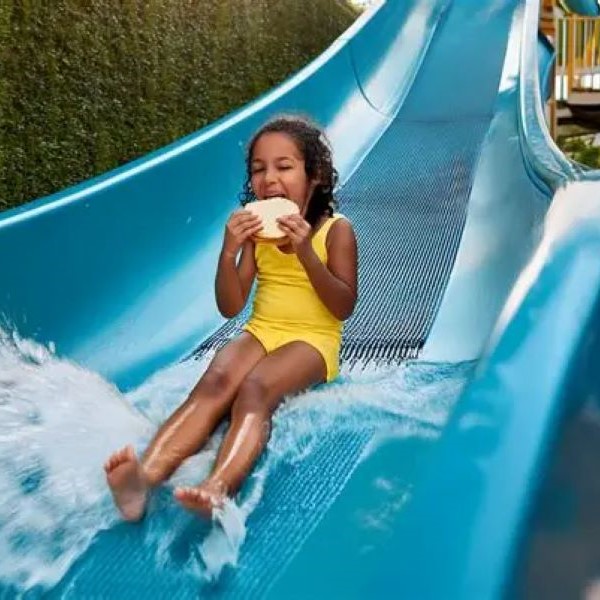
The myth of waiting an hour after eating before swimming persists, but it lacks strong scientific support. For most individuals, swimming after eating is safe when done sensibly. The real focus should be on meal size, personal health, and environment. By replacing outdated rules with informed choices, swimmers of all ages can enjoy the water without unnecessary delays. Make smart decisions—and keep swimming after eating a manageable, enjoyable part of your routine.