Swimming games bring excitement, laughter, and movement to any pool setting. Whether you’re at a backyard party, summer camp, or swim lesson, swimming games turn water time into an engaging experience. They encourage physical activity while building confidence, coordination, and social skills.
Moreover, these games suit all ages and skill levels. Simple activities keep beginners involved. More complex challenges help advanced swimmers improve technique. From tag variations to relay races, swimming games offer endless possibilities for fun and fitness. As water safety becomes a growing priority, games also reinforce key skills in a playful way.
 Why Swimming Games Are Great for Physical and Social Development
Swimming games do more than entertain—they support healthy growth. First, they boost cardiovascular fitness. Constant movement in water increases heart rate without joint stress. This makes swimming a low-impact, high-benefit activity.
Additionally, games improve coordination and balance. Moving through water requires core strength and body awareness. Children learn to control their limbs while navigating resistance. These gains transfer to other sports and daily life.
Socially, swimming games build teamwork and communication. Relay races and team challenges require cooperation. Kids learn to take turns, follow rules, and encourage each other. Shy or anxious children often feel more confident in group play.
Emotionally, success in games builds self-esteem. Completing a challenge or winning a round creates a sense of achievement. As a result, swimming games support holistic development in a joyful environment.
Encouraging Water Confidence Through Play
Many children feel nervous around deep water. Swimming games help reduce fear by turning practice into play. Instead of drills, kids focus on fun goals like retrieving objects or tagging friends.
For example, “Sharks and Minnows” teaches quick starts and direction changes. “Dive for Treasure” improves breath control and underwater comfort. These skills develop naturally without pressure.
Games also allow gradual exposure. Beginners can stay in shallow areas. As confidence grows, they venture deeper. Instructors use games to assess ability and track progress.
Parents can reinforce this at home. Even simple games like splashing or floating races build trust in water. Over time, play leads to stronger swimming skills. Therefore, swimming games are essential tools for building water confidence.
 Classic Games Everyone Should Know
Some swimming games have stood the test of time for good reason. “Marco Polo” is a favorite for its simplicity and fun. One player closes their eyes and calls “Marco.” Others respond with “Polo” while avoiding capture. This game sharpens listening and spatial awareness.
“Sharks and Minnows” works well with groups. One person is the shark in the middle. Others start at one end and swim across. The shark tries to tag them. Minnows who get caught become sharks in the next round.
“Water Tag” lets players chase each other freely. Adding rules like “no diving” or “touch only with one hand” keeps it safe.
“Ring Toss” uses floating rings. Players throw them over a pool noodle or stake. This improves hand-eye coordination.
These classics require no special equipment. They work in pools of any size. As a result, swimming games like these remain popular across generations.
Creative Variations to Keep the Fun Fresh
To keep kids engaged, try new twists on old favorites. For example, play “Reverse Marco Polo.” The seeker shouts “Polo” and others answer with “Marco.” This switch adds surprise.
Try “Color Tag.” Call out colors instead of names. Players wearing that color must swim away. This keeps everyone alert and involved.
“Musical Floats” is like musical chairs. When music plays, kids swim. When it stops, they float on their backs. Anyone still swimming is out.
“Obstacle Course” combines multiple skills. Use pool noodles, hoops, and kickboards. Time each swimmer for added challenge.
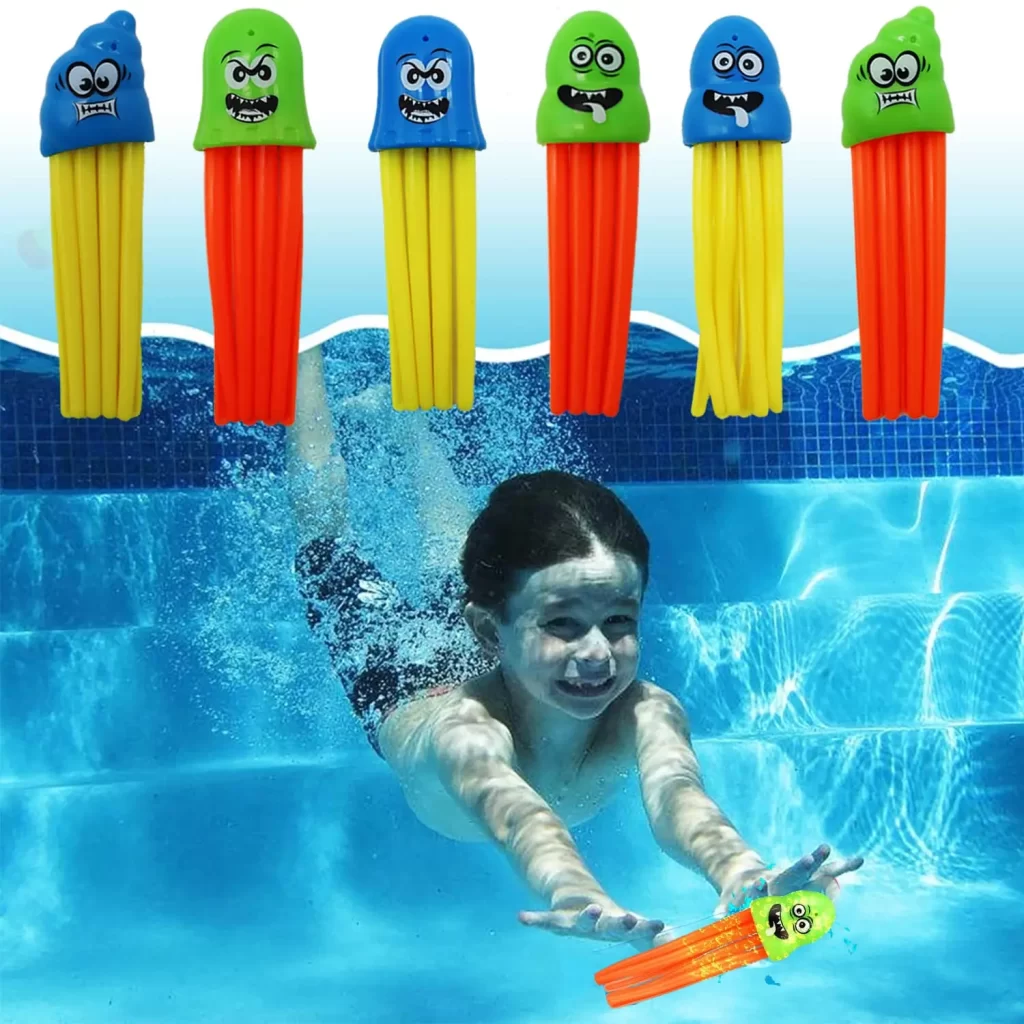
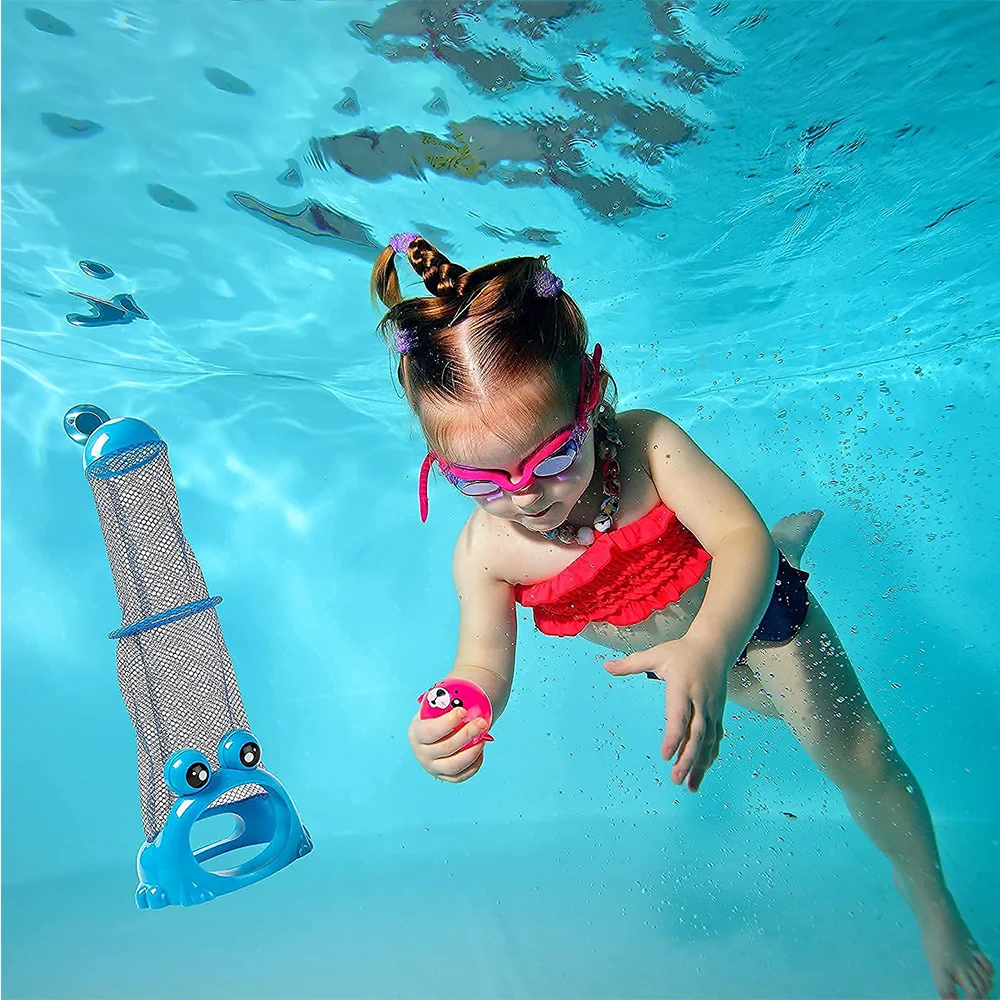
“Treasure Hunt” hides sinkable toys on the pool floor. Give each child a specific item to find. Use clues for older kids.
These variations keep swimming games exciting. They prevent boredom and promote creativity. Rotate games weekly to maintain interest.
Games for Different Age Groups
Choosing the right swimming games depends on age and ability. For toddlers and preschoolers, focus on safety and fun. “Bubble Blowing” teaches breath control. “Follow the Leader” builds confidence in shallow water. Use songs and toys to keep their attention.
Elementary-aged kids enjoy more structure. Games like “Duck, Duck, Splash” or “Red Light, Green Light” work well. Add races and relays to boost energy. Use floating mats or noodles for balance practice.
Pre-teens and teens respond to competition. Try timed relays, underwater breath-holding contests, or water volleyball. These build endurance and teamwork.
Adults can enjoy nostalgic games too. “Aqua Zumba” or “Water Aerobics Relay” combine fitness and fun. Mixed-age groups benefit from team-based activities. Always match games to skill level to ensure safety and inclusion.
Adapting Games for Beginners and Strong Swimmers
Swimming games should include everyone, regardless of skill. For beginners, use flotation devices. Arm floats, life jackets, or pool noodles provide support. Choose shallow-water games like “Noodle Race” or “Balloon Bop.”
Modify rules to reduce pressure. Let beginners swim shorter distances. Allow walking on the pool floor if needed. Praise effort, not just speed.
For strong swimmers, increase difficulty. Add challenges like swimming underwater or using only one stroke. Set time goals or create complex relays.
Mixed-ability groups work best with team games. Pair stronger swimmers with beginners. This builds mentorship and inclusion. Relay races with different roles keep all players involved.
Instructors often use games to assess progress. Watch how each child moves, floats, and responds. Adjust games as skills improve. This ensures everyone continues to grow.
 Competitive Games for Teams and Camps
Swim teams and summer camps use swimming games to build cohesion and skill. Relay races are a staple. “Freestyle Relay” has each team member swim one lap. “Medley Relay” includes backstroke, breaststroke, and more.
“Kickboard Race” focuses on leg strength. Swimmers use only kickboards and fins. “One-Arm Drill Race” improves stroke technique. Players swim with one arm at a time.
“Scavenger Hunt Relay” combines speed and focus. Each swimmer finds a different object. The next player goes only when the first returns.
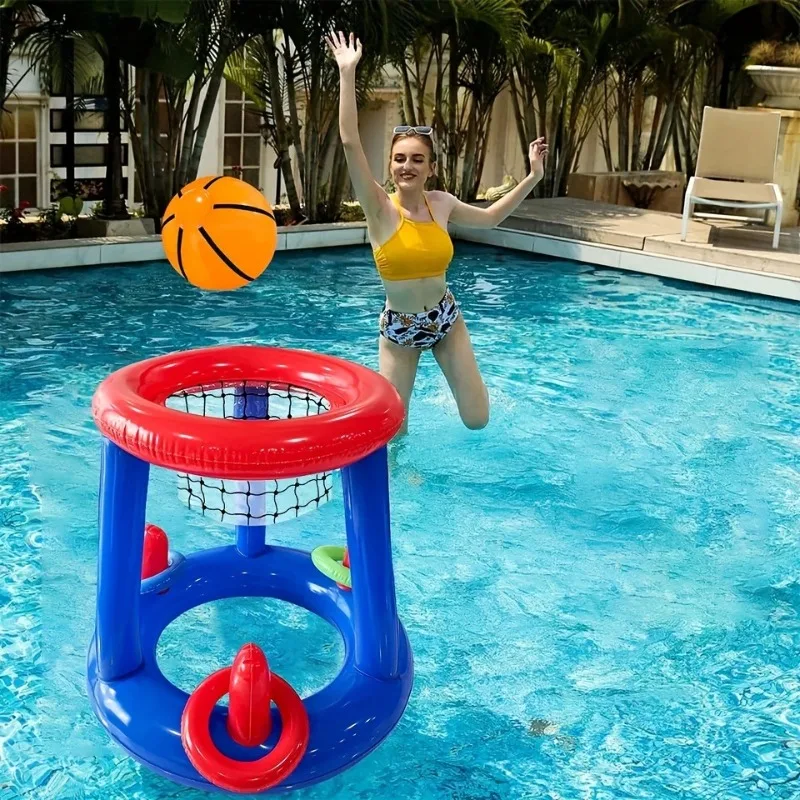
“Water Polo” teaches strategy and passing. Use soft balls and pool noodles as goals. Keep rules simple for younger players.
These games prepare kids for real competition. They teach timing, starts, and turns. Coaches use them to reinforce training in a fun way.
Building Team Spirit and Sportsmanship
Swimming games do more than build physical skills—they develop character. Team-based play teaches cooperation and trust. Kids learn to rely on each other during relays and group challenges.
Winning and losing are both part of the experience. Coaches emphasize effort and improvement. This helps children handle defeat with grace.
Games also encourage leadership. Some kids naturally take charge. Others shine in support roles. Everyone finds a way to contribute.
Debriefing after games strengthens learning. Ask questions like “What worked?” or “How did you help your team?” This builds reflection and communication.
Over time, players form strong bonds. They celebrate each other’s successes. As a result, swimming games foster lasting friendships and positive attitudes.
Where to Find Ideas and Supplies for Games
Finding new swimming games is easy with the right resources. Websites like SwimOutlet, Red Cross, and PE Central offer free printables and video guides. Many include lesson plans for teachers and coaches.
Books on aquatic recreation provide structured programs. Look for titles focused on swim lessons or camp activities. Libraries and educational sites often have digital copies.
YouTube channels feature gameplay demos. Search for “kids swimming games” or “pool party ideas.” Watch how others set up obstacles and rules.
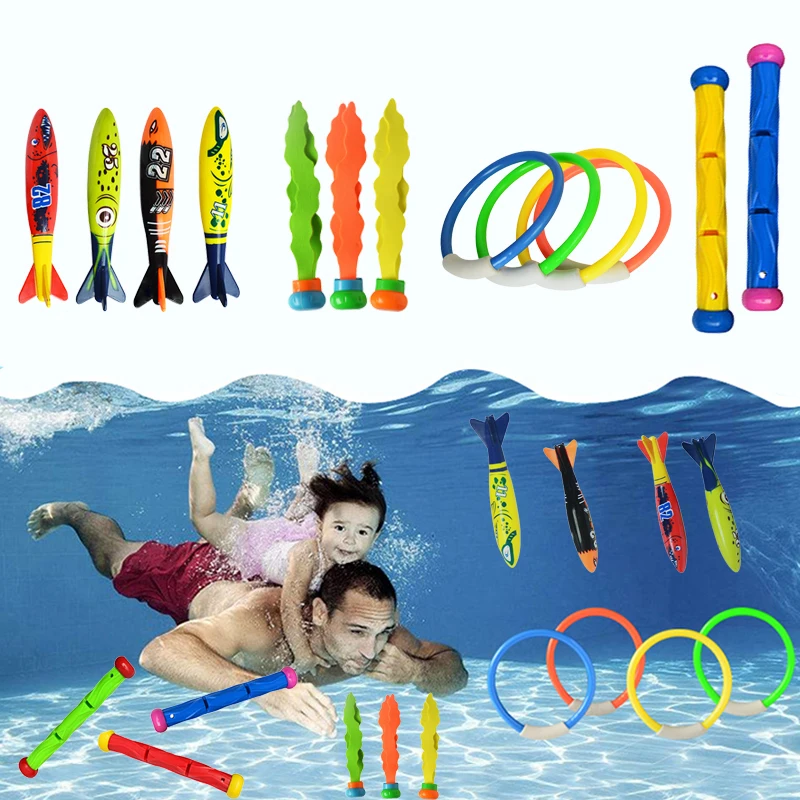
For supplies, buy pool noodles, floating rings, dive sticks, and kickboards. Retailers like Amazon, Walmart, and Target carry these items. Look for durable, UV-resistant models.
DIY options work too. Use empty plastic bottles as markers. Make rings from old hula hoops. Safety always comes first—avoid sharp or breakable objects.
What to Look for in Safe and Effective Game Equipment
When buying supplies for swimming games, safety is key. Choose soft, flexible materials. Foam noodles and inflatable rings reduce injury risk. Avoid hard plastic or metal items.
Check for sharp edges or loose parts. Toys should be large enough to prevent choking. Follow age guidelines on packaging.
Bright colors improve visibility in water. This helps supervisors spot players and gear easily. Reflective elements add safety in low light.
Durability matters too. UV-resistant plastics last longer under sun exposure. Salt and chlorine can degrade materials over time. Rinse and store gear properly after use.
Always supervise game play. Assign clear roles and rules. Stop any rough behavior immediately. With safe equipment and oversight, swimming games remain fun for everyone.
 Frequently Asked Questions About Games
Can swimming games help with swim lessons? Yes. They reinforce skills like floating, kicking, and breath control.
Are they safe for non-swimmers? Only in shallow water with close adult supervision and flotation aids.
How long should a game last? 5–15 minutes. Keep it short to maintain energy and focus.
Do kids need special gear? Not always. Swimsuits, goggles, and optional floats are usually enough.
Can adults play too? Absolutely. Many games work for all ages.
What if someone gets tired? Let them take a break. Modify rules to include rest zones.
How do I keep games fair? Rotate teams and roles. Focus on participation over winning.
Where can I find themed games? Search online for “holiday swimming games” or “underwater treasure hunt.”
 Final Thoughts on Making the Most of Games
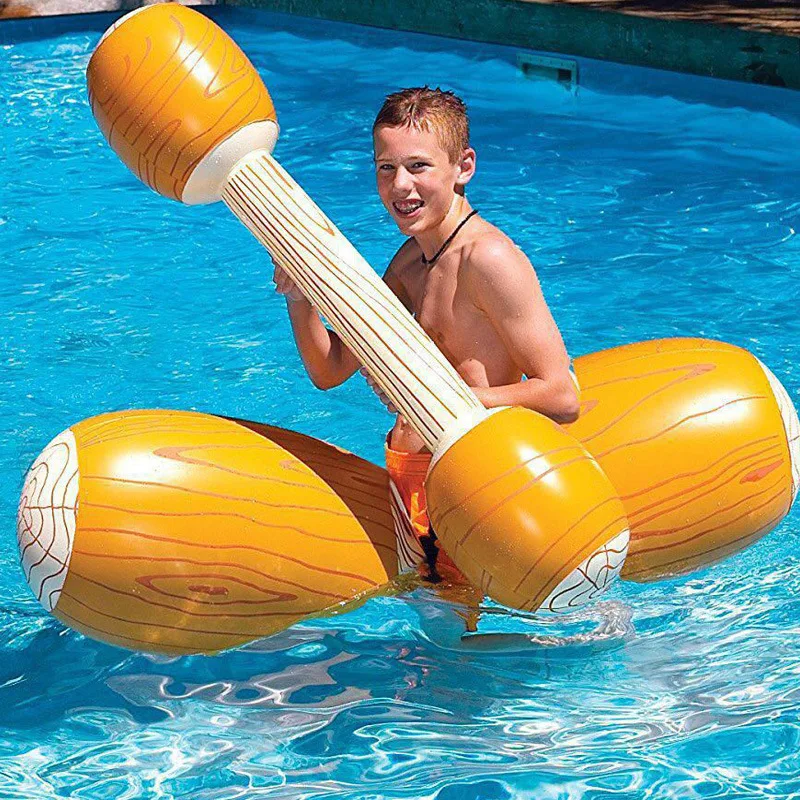
Swimming games are more than just fun—they are powerful tools for learning, fitness, and connection. Whether for families, schools, or swim teams, these activities bring people together in a healthy, joyful way.
They build skills, boost confidence, and create lasting memories. From simple splash battles to organized relays, there’s a game for every pool and personality. With creativity and care, anyone can turn swim time into an adventure. So gather your crew, grab some pool noodles, and dive into the world of swimming games.