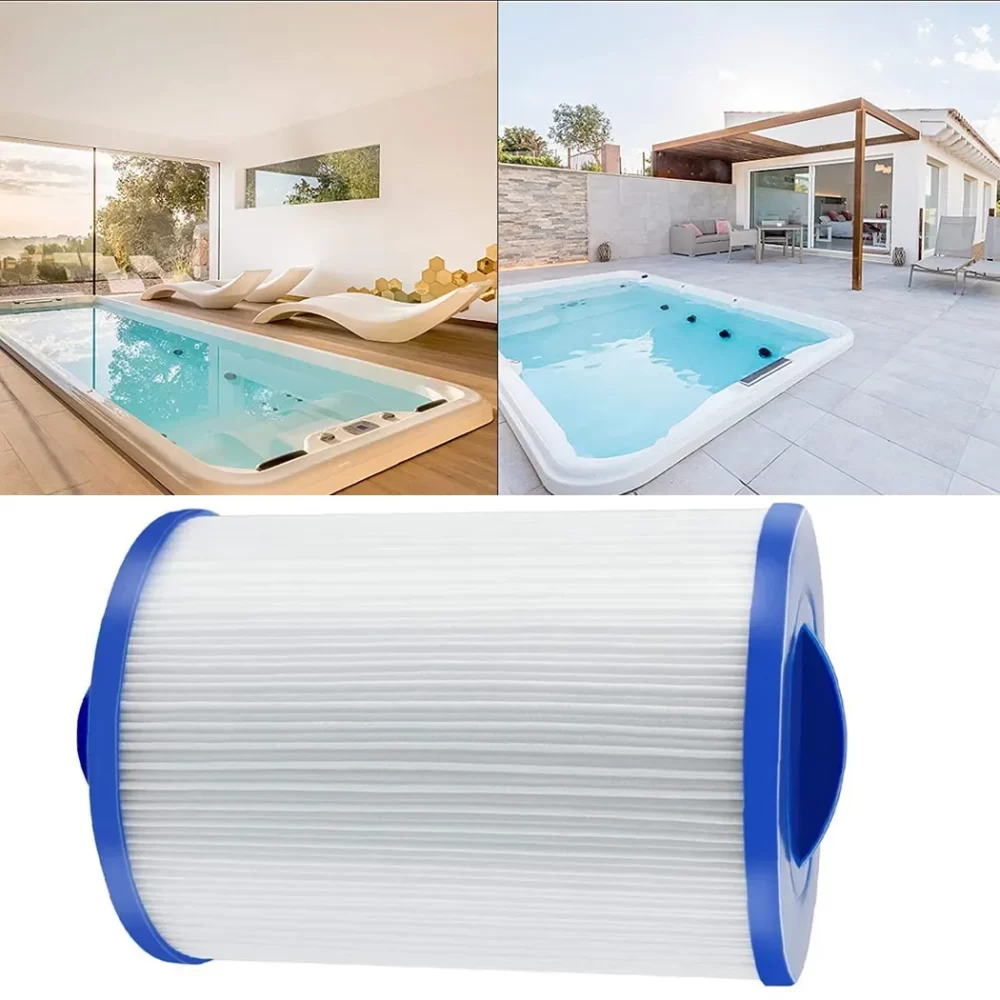
Maintaining a safe and inviting swimming environment starts with effective filtration. Swimming pool filters play a critical role in removing debris, dirt, and contaminants from the water. Without them, pools quickly become cloudy, unhygienic, and unsafe for use. These systems work silently but continuously to ensure every swim is refreshing and worry-free.
Moreover, clean water isn’t just about appearance—it’s about health and equipment longevity. A high-quality filter reduces strain on pumps and heaters. It also minimizes the need for harsh chemicals. As more homeowners invest in backyard pools, understanding how swimming pool filters function has never been more important.
 Why Pool Filters Are Vital for Water Quality and Safety
How Filtration Protects Swimmers and Extends Equipment Life
Swimming pool filters keep water safe by trapping harmful particles. They remove leaves, insects, dust, and even microscopic organisms. This prevents irritation to eyes, skin, and respiratory systems. As a result, swimmers enjoy a more comfortable experience.
They also support chemical balance. When fewer contaminants are present, chlorine works more efficiently. Less chlorine means reduced odor and fewer byproducts like chloramines. This leads to healthier air around the pool.
In addition, filters protect expensive equipment. Debris can clog pumps and damage seals. Over time, this leads to costly repairs or replacements. A good filter acts as a first line of defense.
Cloudy water often signals poor filtration. Algae growth spreads faster when particles remain suspended. By removing these early, filters help prevent full-scale blooms. Maintenance becomes easier and less frequent.
Energy use improves too. Clean systems run more efficiently. Pumps don’t have to work as hard to circulate water. This lowers electricity bills over time.
Finally, regular filtering enhances aesthetic appeal. Crystal-clear water looks inviting. Guests feel confident jumping in. Property value stays higher when the pool appears well-maintained.
Different Types of Pool Filters Explained
Comparing Sand, Cartridge, and Diatomaceous Earth (DE) Systems
Three main types of swimming pool filters dominate the market. Each offers unique benefits based on pool size, budget, and maintenance preferences. Sand filters are the most common. They use layers of graded sand to trap debris as small as 20–40 microns.
Backwashing cleans them easily. Simply reverse the flow to flush out trapped dirt. This process takes minutes and requires no disassembly. However, they need more frequent cleaning than other types.
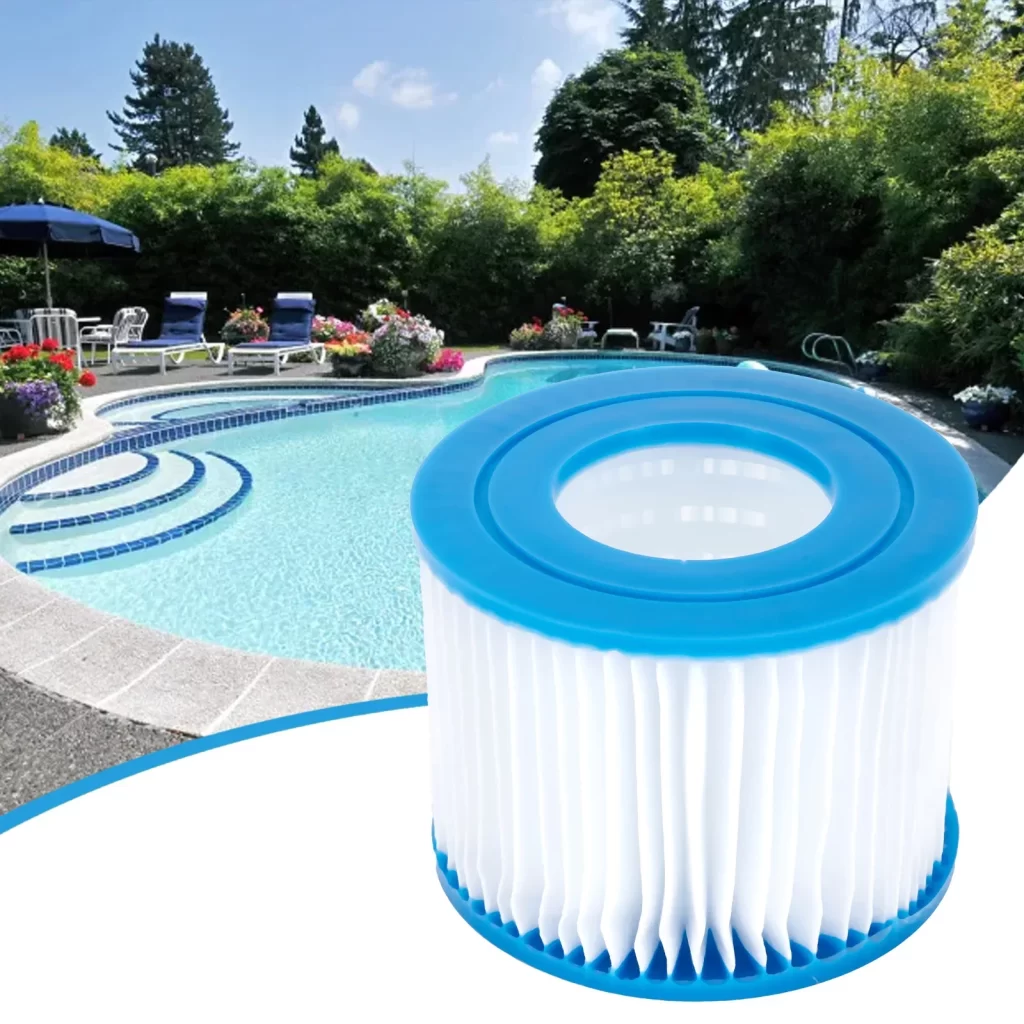
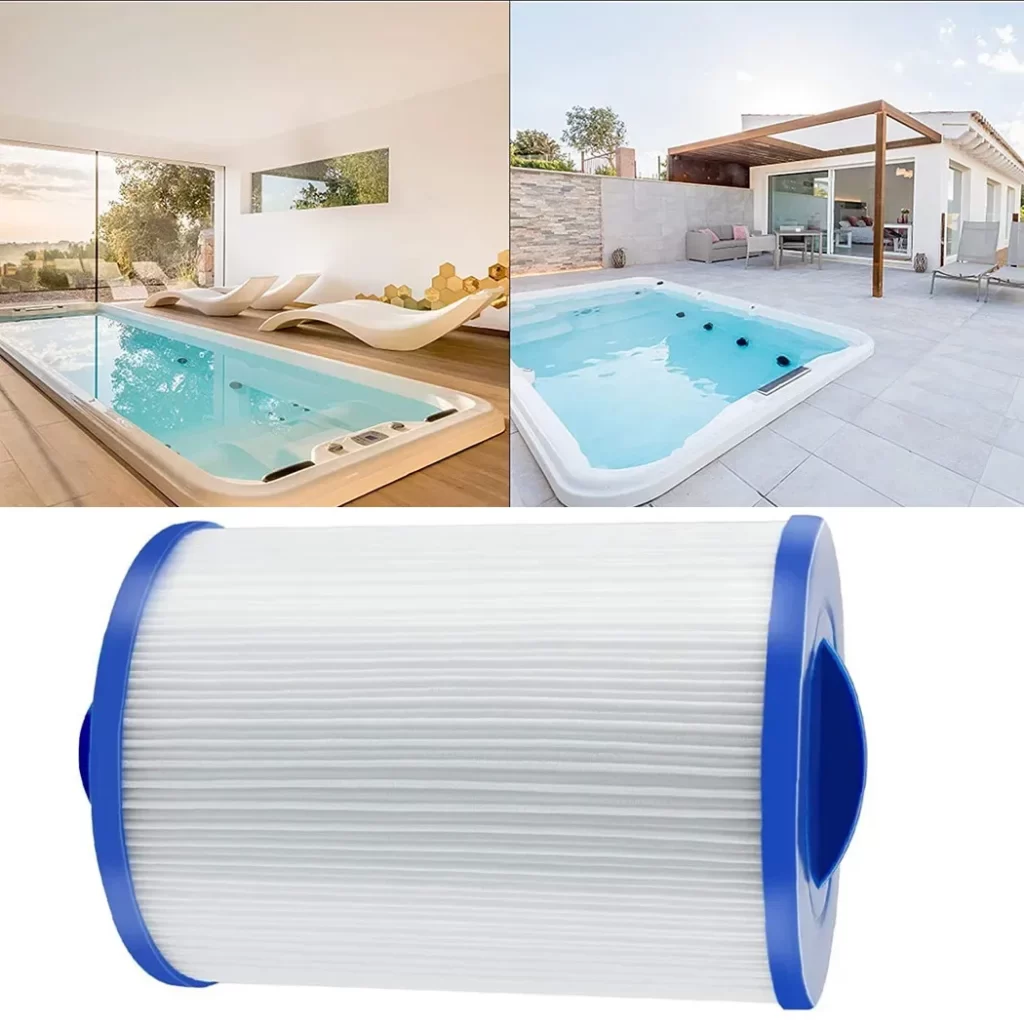
Cartridge filters use pleated fabric elements to capture particles down to 10–20 microns. They offer finer filtration than sand models. Cleaning involves removing the cartridge and hosing it off. Some users soak it in a degreaser solution monthly.
These filters require less water waste. No backwashing means conservation during droughts. Their compact design suits smaller spaces. Replacement cartridges last 1–3 years depending on use.
Diatomaceous earth (DE) filters provide the highest level of clarity. They catch particles as small as 2–5 microns. This includes fine dust, pollen, and some bacteria. Water comes out sparkling.
However, they demand more upkeep. DE powder must be added after each backwash. The grid assembly needs deep cleaning annually. Setup is more complex and costly upfront.
Each type suits different needs. Sand works well for large inground pools. Cartridge fits above-ground or small in-ground models. DE serves those seeking spa-like water quality.
 How to Choose the Right Filter Size for Your Pool
Matching Flow Rate and Capacity to Your Pool’s Volume
Choosing the correct filter size ensures peak performance. Too small, and it can’t handle the water volume. Too large, and it creates unnecessary pressure. First, calculate your pool’s capacity in gallons. Multiply length x width x average depth x a multiplier—7.5 for rectangles, 5.9 for ovals.
Next, determine turnover rate. Most experts recommend cycling all water through the filter every 8–10 hours. Divide total gallons by 8 to get required gallons per hour (GPH). For example, a 20,000-gallon pool needs about 2,500 GPH.
Check pump compatibility. The filter must match the pump’s flow rate. An oversized pump overwhelms a small filter. Undersized pumps starve larger units. Always pair them carefully.
Surface area matters too. Larger filter media handles more debris before clogging. Sand filters range from 18” to 30” tanks. Cartridge surface area varies from 50 to 500+ square feet.
Consider future upgrades. If planning a pool extension, choose a slightly larger unit. Flexibility saves money later.
Climate affects sizing as well. Dusty or windy areas introduce more debris. Trees nearby drop leaves and pollen. In these cases, oversizing slightly helps manage load.
Consult manufacturer charts. Most brands list recommended pool sizes for each model. Use these as guides alongside your calculations.
Installation Tips for Setting Up Pool Filters
Best Practices for Safe, Efficient, and Leak-Free Operation
Proper installation sets the foundation for long-term success. Begin by turning off all power to the system. Never work on live electrical connections. Drain lines if replacing an old unit.
Position the filter close to the pump. Shorter pipes reduce friction loss. Leave at least 18 inches of clearance around all sides. This allows airflow and access for maintenance.
Follow plumbing diagrams exactly. Use unions for easy removal. Install isolation valves before and after the filter. These let you shut off water without draining the entire system.
For DE and sand filters, ensure the multiport valve faces the right direction. Misalignment causes leaks or improper flow. Secure all hoses with clamps. Double-check O-rings and gaskets for damage.
Electrical components need protection. Place control boxes away from moisture. Use weatherproof covers if outdoors. Ground all circuits properly. Hire a licensed electrician if unsure.
Prime the system before startup. Fill the filter housing with water to remove air pockets. Open bleed valves until water flows steadily. Then close and restart the pump.
Watch for leaks during the first hour. Tighten fittings if drips appear. Monitor pressure gauges for normal readings. Sudden spikes indicate blockages.
 Maintenance Routines to Keep Your Pool Filters Running Smoothly
Weekly, Monthly, and Annual Tasks for Peak Performance
Routine care keeps swimming pool filters working efficiently. Check the pressure gauge weekly. A rise of 8–10 psi above normal signals a clog. This is your cue to clean or backwash.
Backwash sand and DE filters when pressure increases. Attach a hose to the waste port. Set the valve to “backwash,” then run the pump for 2–3 minutes. Stop when water runs clear.
Rinse afterward to re-bed the media. Switch to “rinse” mode for 30 seconds. This settles the sand and prevents channeling. Reset to “filter” and resume normal operation.
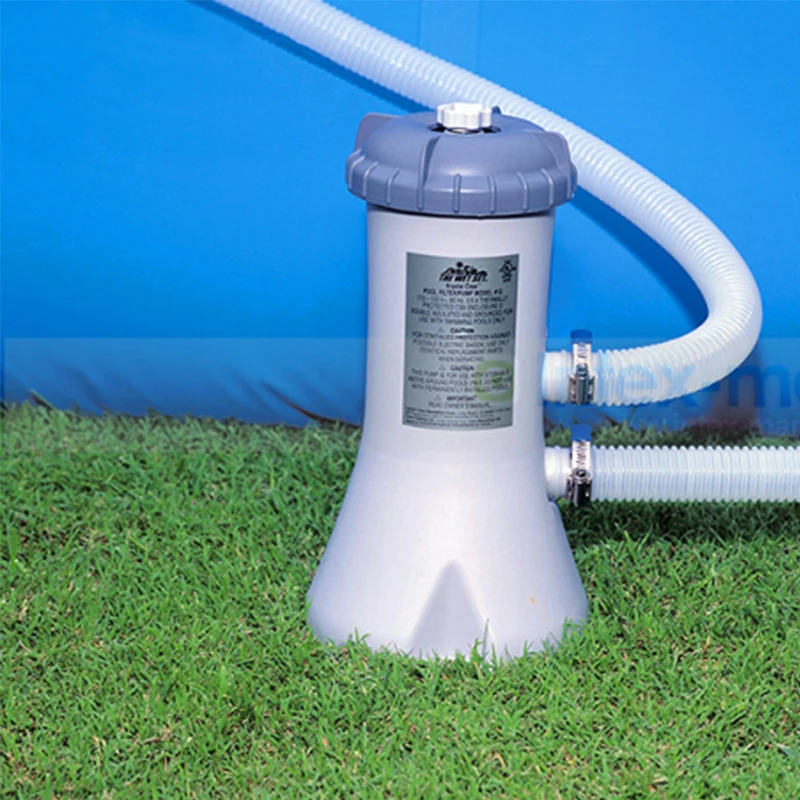
Clean cartridge filters monthly during peak season. Remove the element and rinse with a garden hose. Use a soft brush for stubborn grime. Soak in a filter cleaner every 3–6 months.
Replace cartridges every 1–3 years. Look for tears, warping, or collapsed pleats. Old cartridges lose efficiency and restrict flow.
DE grids need annual inspection. Take them apart and scrub with a hose. Re-coat with fresh DE powder after reassembly. Replace broken parts immediately.
Inspect O-rings and gaskets twice a year. Apply silicone lubricant to prevent drying and cracking. Dry seals cause leaks and pressure loss.
Winterize in cold climates. Drain all water from housings. Cover units securely. Prevent freezing damage that cracks plastic tanks.
Signs That Your Swimming Pool Filter Needs Repair or Replacement
Common Warning Signals Every Pool Owner Should Recognize
Several red flags indicate filter trouble. Cloudy water is one of the clearest signs. Even with proper chemicals, dirty filters fail to clarify. Persistent haze demands immediate attention.
High pressure readings suggest clogs. If cleaning doesn’t restore normal levels, internal damage may exist. Cracked laterals in sand filters or torn cartridges cause persistent issues.
Low pressure points to suction problems. Air leaks, clogged baskets, or failing pumps affect flow. Check all connections and valves first.
Leaks around the tank or valves require action. Wet spots near the filter mean worn gaskets or loose fittings. Left unchecked, water waste and structural damage follow.
Strange noises signal mechanical failure. Grinding or vibrating sounds come from damaged impellers or misaligned motors. Turn off the system and inspect.
Poor circulation makes certain areas stagnant. Dead zones collect debris and algae. This often means the filter isn’t moving enough water.
Frequent chemical imbalances tie back to poor filtration. More chlorine use, recurring algae, or eye irritation point to inadequate filtering. Address the root cause.
 Frequently Asked Questions About Pool Filters
How often should I clean my filter? Sand filters need backwashing every 4–6 weeks. Cartridge types require rinsing monthly and deep cleaning twice a year. DE filters need backwashing and recharging regularly.
Can I run the pool without a filter? Not for long. Within days, debris builds up. Algae grows rapidly. It’s unsafe and damages equipment.
Do filters remove bacteria? Not completely. They catch larger particles. Sanitizers like chlorine or UV systems kill microbes. Use both together.
Should I run the filter every day? Yes. Run it 8–12 hours daily during swim season. Adjust based on usage and weather.
Can I upgrade my current filter? Yes. Many systems are interchangeable. Ensure flow rates match your pump.
Are smart filters available? Some modern units include digital gauges or app connectivity. They alert you to pressure changes.
How long do pool filters last? Sand filters: 5–7 years. Cartridge: 3–5 years. DE: 7–10 years with care. Lifespan depends on maintenance.
Is it okay to mix filter types? No. Stick with one system. Mixing components causes inefficiency and voids warranties.
 Final Thoughts on Owning and Maintaining Pool Filters
Swimming pool filters are the backbone of any healthy pool system. They keep water clear, safe, and enjoyable for everyone. From sand to cartridge to DE, each type offers distinct advantages. Choosing the right one depends on your pool size, location, and maintenance goals.
With proper setup and routine care, your filter will deliver years of reliable service. Now that you understand how they work, what to look for, and when to act, managing your system becomes simple. Invest in quality swimming pool filters. Protect your investment, your health, and your peace of mind.