Swimming in a lake offers a unique connection to nature. Unlike pools, there are no tiled walls or chemical smells. The water feels softer and more natural. You hear birds, wind, and rippling waves. These sounds enhance the experience.
Lakes are surrounded by trees, hills, or open fields. This scenery creates peace and calm. You feel away from city noise and stress. The environment supports mindfulness and relaxation. Swimming in a lake becomes both physical and mental renewal.
Pools are controlled environments. Chlorine keeps them clean but alters the water’s feel. Ocean swimming brings salt, strong currents, and tides. Lakes provide a middle ground. They are wilder than pools but often calmer than oceans.
Water temperature varies in lakes. It may be cool even on hot days. This refreshes the body without shocking it. Some find the chill invigorating. Others enter slowly to adjust. Either way, the sensation is part of the charm.
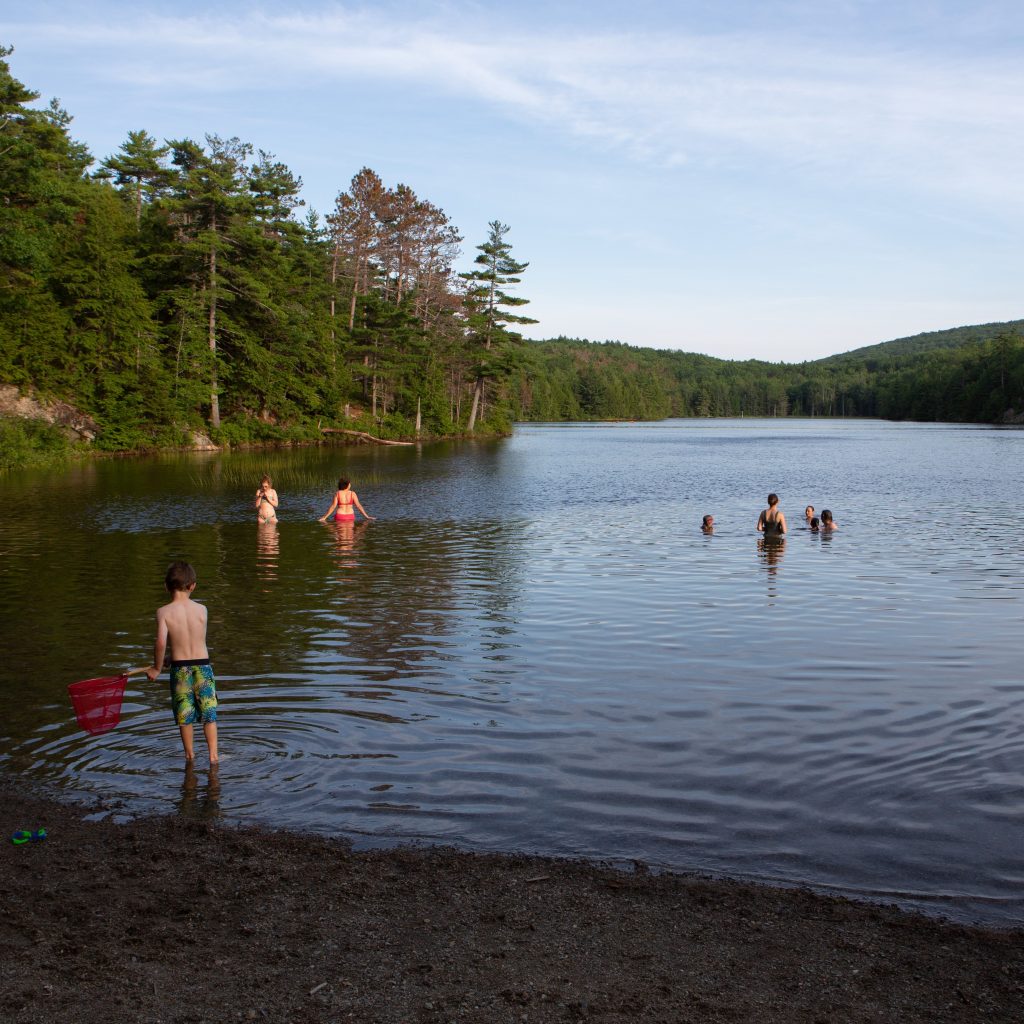 Safety Tips for Enjoying Swimming
Understanding Water Conditions
Before entering, check the lake’s depth. Shallow areas can hide sudden drops. Use a stick or pole to test ahead. Never dive unless you know it’s safe.
Look for signs of water quality. Murky or greenish water may signal algae blooms. Blue-green algae can cause skin irritation. Avoid contact if the surface looks scummy or smells bad.
Check local advisories online. Authorities post warnings about bacteria or toxins. Rainfall can wash pollutants into lakes. Wait a few days after heavy storms. Clean water ensures safer swimming in a lake.
Be aware of underwater hazards. Rocks, branches, or fishing lines may be hidden. Swim in designated areas when possible. Lifeguards monitor these zones during peak times.
Avoid swimming alone. Always have a buddy nearby. If something goes wrong, help is close. Children must stay within arm’s reach. Constant supervision prevents accidents.
Wildlife and Environmental Awareness
Lakes host many living creatures. Frogs, turtles, and fish are common. Most are harmless and add to the experience. Seeing them up close feels exciting and educational.
However, some animals require caution. Leeches may attach to skin. They do not carry disease but can startle swimmers. Gently remove them with a fingernail or stick.
Snapping turtles exist in certain regions. They avoid humans but may bite if threatened. Keep your distance. Do not try to touch or feed any wildlife.
Be mindful of plants too. Weeds can wrap around legs. Panic leads to poor decisions. Stay calm and float to loosen them. Move slowly through dense areas.
Respect the ecosystem. Do not throw trash or food into the water. Avoid using soaps or shampoos while swimming. These harm aquatic life. Leave the lake as you found it.
Best Gear for Swimming
Essential Equipment and Accessories
Bring a towel that dries quickly. Microfiber towels are light and pack small. Sand and moisture cling less than cotton. They also dry faster after use.
Wear water shoes or aqua socks. Rocky bottoms can cut bare feet. Sharp shells or broken glass may hide near shore. Protection ensures comfort and safety.
A swim cap helps in cooler lakes. It reduces heat loss from the head. Silicone or latex models work best. Bright colors increase visibility.
Use goggles for clear vision underwater. Lake water may sting eyes. Goggles block debris and improve sight. Choose anti-fog models for longer use.
A flotation device adds security. Kids benefit from life jackets. Adults might prefer swim vests or noodles. Even strong swimmers tire over time.
Pack a dry bag for clothes and phones. Waterproof cases keep items safe. Wet suits or rash guards protect skin. These are useful in colder conditions.
Optional Add-Ons for Comfort
Bring a waterproof speaker for music. Play soft tunes from the shore. Avoid loud volumes that disturb others. Shared enjoyment enhances group fun.
Sunscreen is vital. Apply water-resistant SPF 30 or higher. Reapply every two hours. Lips and ears need coverage too. UV rays reflect off water surfaces.
A wide-brimmed hat shields your face. Sunglasses with UV protection help. Polarized lenses reduce glare. Keep them in a floating case if near water.
Insect repellent works after swimming. Mosquitos gather near still water. Spray arms and legs once out. Avoid applying before entering. Chemicals may affect water quality.
Coolers store drinks and snacks. Hydration supports long sessions. Water, fruit, and light meals recharge energy. Eat away from the swimming zone. Crumbs attract pests.
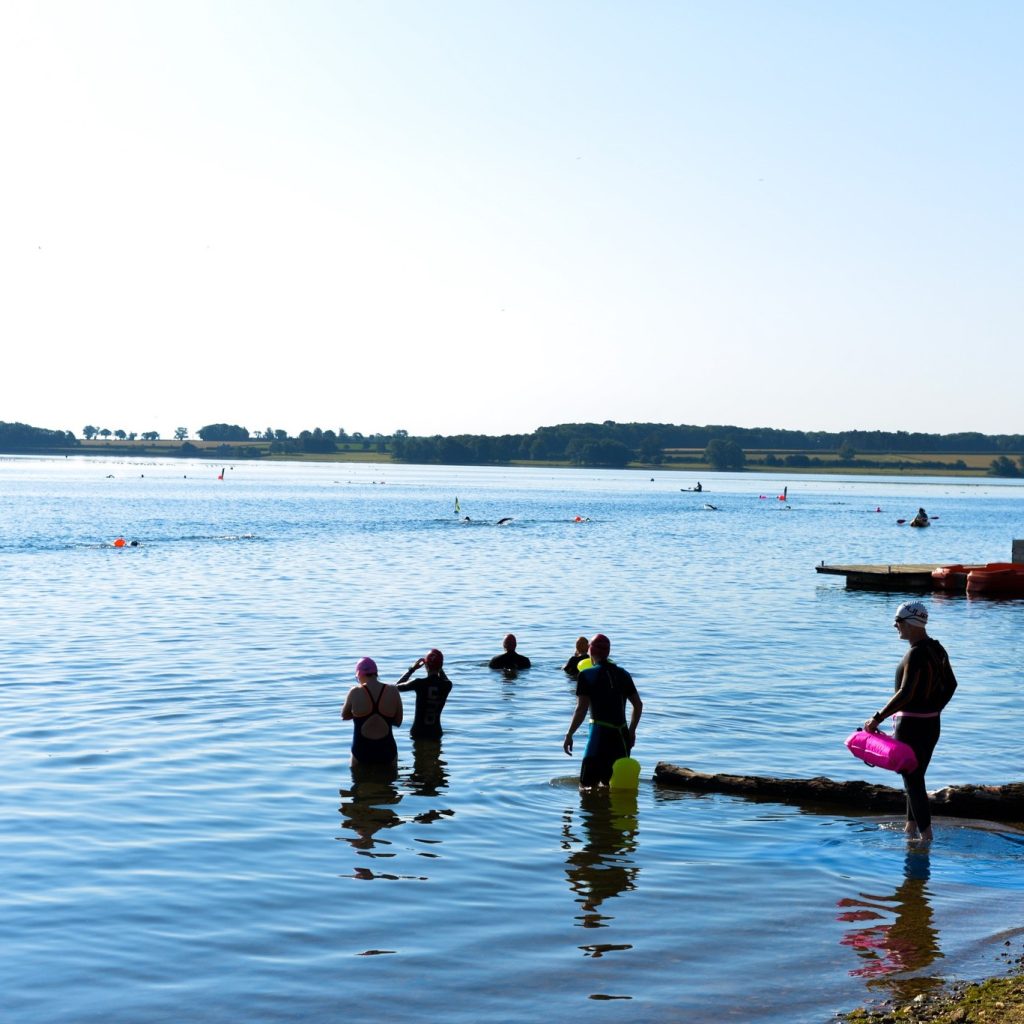 How to Choose the Right Lake for Swimming
Public vs. Private Access Points
Public lakes welcome visitors year-round. State parks and recreation areas offer facilities. Restrooms, picnic tables, and parking are common. These make trips easier and more comfortable.
Many public lakes have lifeguards in summer. Designated swim zones are marked. Buoys outline safe boundaries. Rules are posted for everyone’s safety.
Fees may apply for entry or parking. Daily passes or annual memberships exist. Check websites for updated hours and rules. Reservations are needed in busy seasons.
Private lakes restrict access. Homeowners or clubs manage them. Guests need permission to swim. These spots are quieter and less crowded.
Some private lakes allow rentals. Cabins or cottages include lake rights. Confirm swim policies before booking. Not all private waters permit public use.
Weigh both options carefully. Public lakes offer services and safety. Private ones provide peace and privacy. Choose based on your needs and group size.
Seasonal Factors and Weather Timing
Summer is peak season for swimming in a lake. Temperatures are warmest from June to August. Water feels pleasant after heating in the sun. Mornings and late afternoons avoid midday heat.
Spring brings cooler water. Melting snow fills lakes fast. Currents may be stronger. Algae levels are low. Early-season swimmers enjoy quiet shores.
Fall offers crisp air and fewer crowds. Leaves change color around the water. The scenery is stunning. Water cools down gradually. Short swims feel refreshing.
Winter limits swimming in a lake. Ice covers most northern bodies. Only trained cold-water swimmers attempt entries. Safety gear like ice picks is essential.
Weather affects daily choices. Sunny days are ideal. Avoid swimming during thunderstorms. Lightning strikes water easily. Seek shelter immediately if skies darken.
Wind changes wave patterns. Choppy water makes swimming harder. Calm mornings are best. Watch for sudden shifts in conditions.
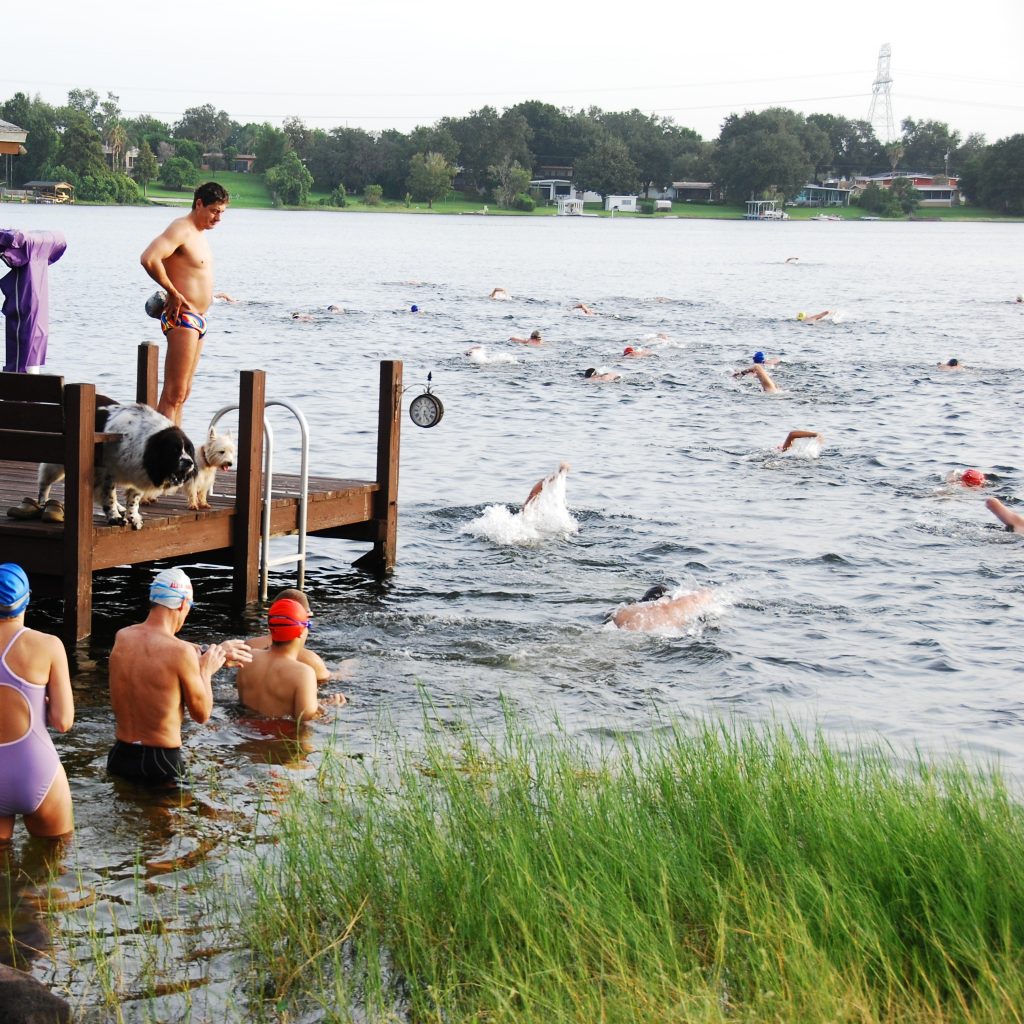 Benefits of Swimming in a Lake for Mind and Body
Physical Health Improvements
Swimming in a lake builds full-body strength. Water resistance challenges muscles. Arms, legs, and core all engage. Unlike land workouts, joints stay protected.
Cardiovascular health improves with regular sessions. Heart rate increases steadily. Lungs work efficiently. Endurance grows over time.
The cool water boosts circulation. Blood flow adjusts to temperature. Metabolism receives a mild boost. Recovery after injury benefits from gentle movement.
Balance and coordination develop naturally. Open water lacks pool walls. You navigate space freely. This strengthens spatial awareness.
No chlorine means less skin and eye irritation. Natural water is gentler on sensitive types. Post-swim showers still help remove residue. Moisturize if skin feels dry.
Mental and Emotional Well-Being
Nature has a calming effect. Being near water reduces stress. The rhythm of strokes creates a meditative state. Thoughts slow down during laps.
Floating on your back encourages deep breathing. Sky gazing promotes mindfulness. Anxiety fades with each exhale. Emotional clarity follows.
Group swims build connection. Families laugh and play together. Friends challenge each other playfully. Shared joy strengthens bonds.
Solo swimmers find solitude. It’s a chance to disconnect. Phones and screens stay behind. Inner thoughts surface in silence.
Exposure to sunlight increases vitamin D. Mood-enhancing hormones rise. Depression symptoms may lessen. Nature therapy is free and effective.
Swimming in a lake combines exercise with peace. It nurtures both body and mind. Regular visits create lasting well-being.
Environmental Responsibility While Swimming in a Lake
Leave No Trace Principles
Always take your trash with you. Even biodegradable items like apple cores attract animals. Plastic wrappers harm wildlife. Carry a small bag for waste.
Do not pick plants or disturb rocks. Ecosystems rely on balance. Removing parts weakens stability. Observe without interfering.
Avoid feeding fish or ducks. Human food is unhealthy for them. Overfeeding causes dependency. It spreads disease among populations.
Use eco-friendly sunscreen. Chemicals like oxybenzone damage aquatic life. Choose mineral-based lotions. Apply after swimming when possible.
Stay on marked paths near the shore. Trampling kills native grasses. Roots prevent erosion. Protecting land supports water quality.
Respect wildlife habitats. Nesting birds or turtle laying sites need space. Keep dogs leashed and away from sensitive zones. Your presence should leave no mark.
Supporting Conservation Efforts
Join local clean-up events. Volunteers remove litter from beaches. These efforts restore beauty and safety. Community action makes a real difference.
Donate to lake preservation groups. Funds support water testing and habitat repair. Education programs teach future swimmers. Every dollar helps.
Report pollution or illegal activity. Oil sheens, dead fish, or vandalism need attention. Contact park rangers or environmental agencies. Timely reports lead to faster fixes.
Promote responsible behavior online. Share tips when posting photos. Encourage others to follow rules. Social influence spreads good habits.
Teach children about care. Let them help carry bags or spot litter. Early lessons shape lifelong values. Future generations will protect lakes better.
 Frequently Asked Questions
Is It Safe to Drink Lake Water?
No, never drink untreated lake water. It contains bacteria, parasites, and pollutants. Giardia and E. coli are common risks. Boiling helps but isn’t always enough.
Use filtered bottles if needed. Portable purifiers remove harmful agents. Still, drinking from lakes should be avoided. Bring your own supply instead.
Can I Swim During Rain?
It’s best to avoid swimming in a lake during rain. Heavy downpours wash contaminants into water. Runoff carries oil, fertilizers, and waste.
Light rain may be acceptable. But watch for lightning. Thunder means danger. Exit immediately and seek shelter. Wait 30 minutes after the last clap.
Rain increases cloudiness. Visibility drops underwater. Hidden obstacles become harder to see. Slippery rocks raise fall risk.
Wait until weather clears. Test water clarity afterward. Follow local updates before re-entering. Safety comes first.
Are There Sharks in Lakes?
No, sharks cannot survive in freshwater lakes. They need saltwater to regulate body functions. Rare exceptions involve man-made canals or brackish zones.
Alligator attacks are rare but possible in southern states. Stick to open, busy areas. Avoid dusk and dawn swims. Make noise to scare them off.
Most lake dangers come from weather or negligence. Not predators. Focus on known risks like currents or cold shock.
How Long Should I Swim?
Start with 10 to 20 minutes. Cool water drains energy faster. Monitor for shivering or numbness. These are signs of hypothermia.
Gradually increase time as you adapt. Fit adults may swim 45 minutes safely. Take breaks and hydrate. Listen to your body’s signals.
Children tire quicker. Limit their sessions to 15 minutes. Watch for fatigue or blue lips. Warm them up right after exiting.
 Conclusion
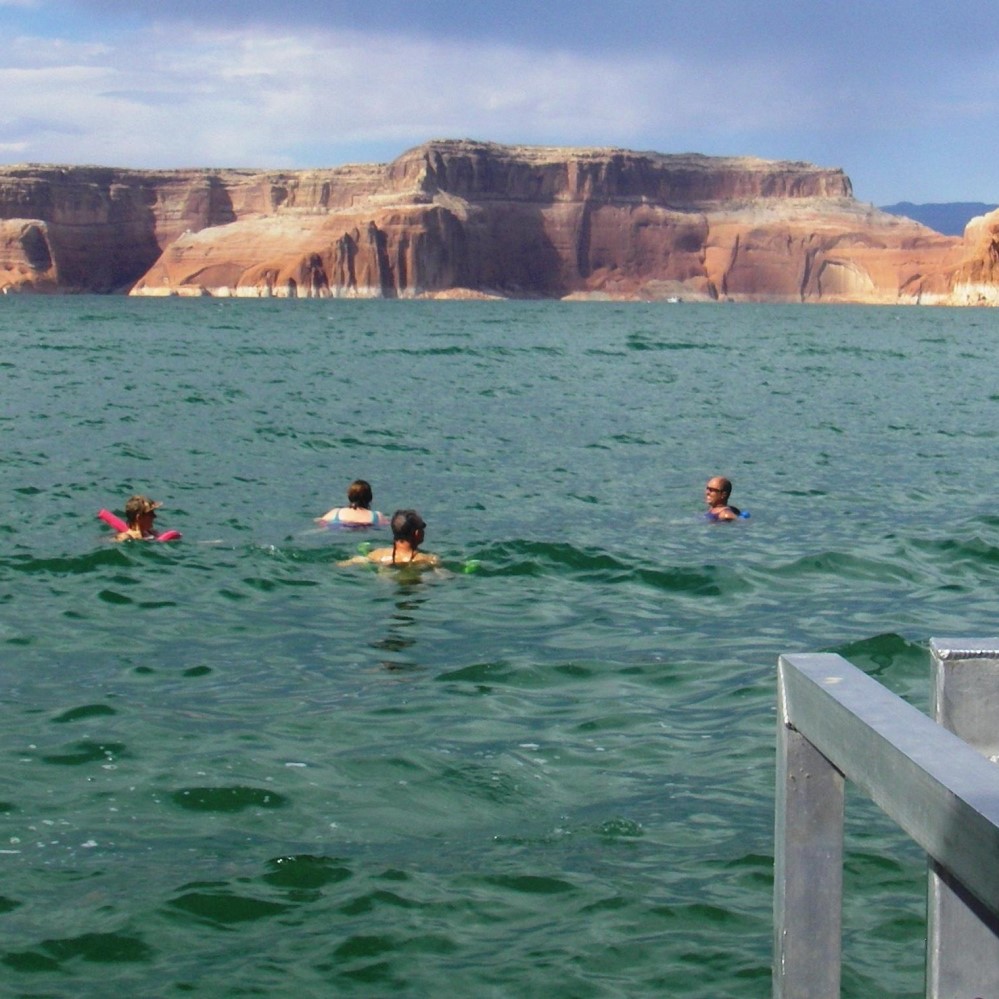
Swimming in a lake is more than recreation. It connects you to nature and self. The experience blends adventure, fitness, and peace. With proper preparation, it remains safe and enjoyable.
From gear to safety, every detail matters. Respect the environment and its rules. Teach responsibility to others. A healthy lake supports future swimmers.
Whether alone or with family, the water welcomes you. Cool dips refresh the body. Quiet floats calm the mind. Memories form with every splash.
Choose clean, legal spots for swimming in a lake. Follow guidelines and protect wildlife. Make each visit meaningful. Embrace the freedom and beauty of open water.