Understanding the Healing Process of a New Tattoo
When you get a tattoo, your skin undergoes a significant healing process. The first week is especially critical for proper recovery. During this time, your body works hard to repair the tiny wounds created by the tattoo needle. The outer layer of skin begins to heal quickly, but deeper layers still remain vulnerable. As a result, exposing your tattoo to water too soon can lead to complications. Many people wonder if swimming with tattoo after one week is safe. The answer depends on several factors.
One key factor is how well your skin has healed. Some individuals heal faster due to genetics or aftercare habits. Others may experience prolonged redness or scabbing. If your tattoo still feels tender or looks inflamed, it is not ready for water exposure. Chlorine, saltwater, and bacteria in pools or natural bodies of water can irritate the area. Infections are a real risk during early healing stages. Therefore, waiting beyond seven days might be necessary. Always consult your tattoo artist before making decisions.
 Risks of Swimming Too Soon After Getting Inked
Jumping into a pool or ocean just one week after getting a tattoo carries serious risks. Water sources often contain bacteria that can enter open pores. Even clean-looking pools have chlorine, which dries out healing skin. This dryness slows down the recovery process. Saltwater pulls moisture from your skin, increasing the chance of cracking and scabbing. Both environments create perfect conditions for irritation.
Another major concern is infection. A fresh tattoo is essentially an open wound. When submerged in water, germs can easily invade the damaged tissue. Symptoms like swelling, pus, or increasing pain signal trouble. Once infected, tattoos require medical treatment. In severe cases, scarring or ink loss may occur. These outcomes ruin the appearance and meaning behind your design. For these reasons, experts generally advise against swimming with tattoo after one week.
How Tattoos Heal Over Time
Tattoo healing happens in phases. The first phase lasts about three to seven days. During this time, the skin oozes plasma and forms a thin scab. It is normal for the area to feel warm or appear slightly swollen. After this initial stage, peeling begins—similar to a sunburn. This second phase can last up to two weeks. Moisturizing regularly helps reduce itching and flaking.
By the third week, most tattoos look mostly healed on the surface. However, deeper layers continue repairing beneath the skin. Full internal healing takes four to six weeks. Only then is the skin truly protected against external threats. Because of this timeline, many professionals recommend avoiding swimming for at least two full weeks. Waiting ensures better results. So while you might consider swimming with tattoo after one week, patience leads to healthier outcomes.
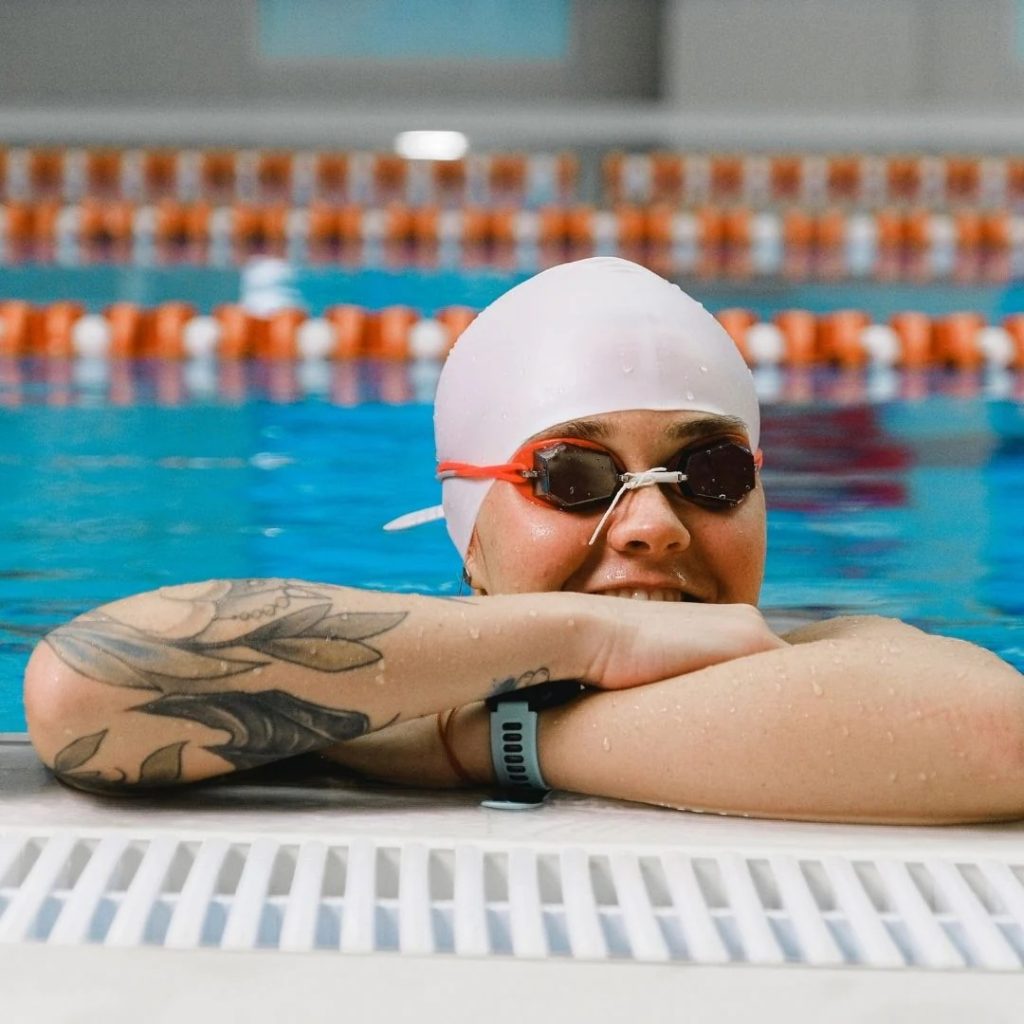 Factors That Influence Healing Speed
Not everyone heals at the same rate. Several personal factors affect how fast your tattoo recovers. Skin type plays a big role. Oily skin may retain moisture longer, while dry skin flakes more quickly. Age also matters. Younger people tend to heal faster than older adults. Lifestyle choices such as smoking or poor diet slow healing significantly.
Additionally, where the tattoo is located impacts recovery time. Areas with thinner skin or constant movement—like elbows, feet, or hands—heal slower. Tattoos on the back or shoulder often recover faster due to less friction. Proper aftercare makes a huge difference too. Washing gently, using recommended ointments, and avoiding tight clothing all help. If you follow these steps, your chances of being ready improve. Still, even with ideal conditions, swimming with tattoo after one week remains risky.
Chlorine and Its Effects on Fresh Tattoos
Chlorine is added to pools to kill bacteria. While helpful for sanitation, it harms new tattoos. The chemical strips natural oils from your skin. This causes dryness, tightness, and increased sensitivity. When applied to a healing tattoo, chlorine disrupts the protective barrier forming over the ink. As a result, the skin becomes more prone to cracking.
Cracked skin can bleed or reopen, inviting infection. Moreover, chlorine may react with certain ink pigments. Though rare, discoloration can occur over time. Public pools are especially concerning because they host many swimmers daily. Each person introduces microbes into the water. Even filtered systems cannot remove all contaminants. For these reasons, dermatologists strongly discourage swimming with tattoo after one week. Wait until your skin fully closes.
Natural Bodies of Water Pose Hidden Dangers
Lakes, rivers, and oceans seem inviting, but they carry hidden risks. Unlike controlled pool environments, natural waters are full of unpredictable elements. Bacteria, algae, and parasites live in these ecosystems. Some strains thrive in warm, shallow areas where people commonly swim. Exposure to such organisms increases infection chances dramatically.
Sand and dirt also contribute to problems. They stick to wet skin and rub against the tattoo. This friction delays healing and may cause scarring. Ocean salt adds another layer of complexity. While some believe saltwater cleanses wounds, it actually dehydrates them. Dehydration leads to premature peeling and patchy ink retention. Given these dangers, choosing to swim with tattoo after one week in nature is unwise. Safer alternatives exist.
 Safe Alternatives to Full Submersion
You don’t have to avoid water entirely while healing. Short showers are acceptable and even encouraged. Just keep them brief and lukewarm. Avoid soaking the tattoo under running water for long periods. Pat the area dry gently afterward. Use clean towels and avoid rubbing. This routine keeps your tattoo clean without risking damage.
If you must be near water, take precautions. Wear waterproof bandages designed for tattoos. These shields block moisture while allowing airflow. Also, limit time in humid environments like saunas or hot tubs. Consider postponing beach trips or pool parties until healing completes. Staying patient now prevents regret later. Remember, skipping a swim today protects your art for life. Delaying swimming with tattoo after one week pays off.
Expert Recommendations and Aftercare Tips
Tattoo artists universally stress proper aftercare. They advise keeping the tattoo clean and moisturized. Wash it twice daily with mild soap. Apply a thin layer of fragrance-free lotion afterward. Avoid picking scabs no matter how itchy they become. Doing so preserves the integrity of the design. Sun protection is crucial once healed. UV rays fade ink over time.
Most professionals suggest waiting at least ten to fourteen days before swimming. Some recommend three weeks for larger or more detailed pieces. Listen to your body and your artist’s advice. If redness persists, delay water exposure further. Never assume healing is complete just because peeling stops. True recovery goes beyond surface appearance. Ultimately, avoiding swimming with tattoo after one week aligns with expert guidance.
 Frequently Asked Questions About Swimming with a New Tattoo
Can I go into a pool seven days after getting a tattoo?
No, it is not advisable. Pools contain chlorine and bacteria that harm healing skin. Even if your tattoo looks fine, microscopic openings remain. These allow pathogens to enter. Wait at least ten days, or until peeling ends completely.
Is it safe to swim in the ocean after one week?
Ocean water poses even greater risks than pools. Salt dries the skin and sand introduces grit. Both increase infection and scarring chances. Experts agree that swimming with tattoo after one week in seawater is unsafe. Postpone ocean activities for at least two weeks.
What happens if I swim too soon with my tattoo?
Swimming too early can cause infections, blurred lines, or ink fading. You might also experience prolonged pain or swelling. In worst cases, medical treatment becomes necessary. Prevention is always better than cure.
How do I know when my tattoo is healed enough to swim?
Your tattoo is ready when peeling stops, the skin feels smooth, and no tenderness remains. There should be no scabs or shiny patches. When in doubt, consult your tattoo artist for a professional opinion.
Are waterproof bandages enough protection for swimming?
While they help, they are not foolproof. Sweat, movement, and water pressure can loosen seals. Most experts still discourage swimming even with coverings. Relying solely on bandages is risky.
Can I take a bath or soak in a tub after one week?
Soaking is similar to swimming in terms of risk. Baths allow bacteria-laden water to sit on the tattoo. Showers are safer. Avoid baths, hot tubs, and jacuzzis during early healing stages.
Does the size of the tattoo affect when I can swim?
Yes, larger tattoos take longer to heal due to greater skin trauma. Complex designs with shading or color also need extra care. Always adjust timelines based on your specific piece.
Will swimming ruin my tattoo forever if I do it too soon?
It might not destroy it completely, but damage is possible. Faded spots, blurriness, or scars can alter the original look. Early water exposure reduces the lifespan of your artwork.
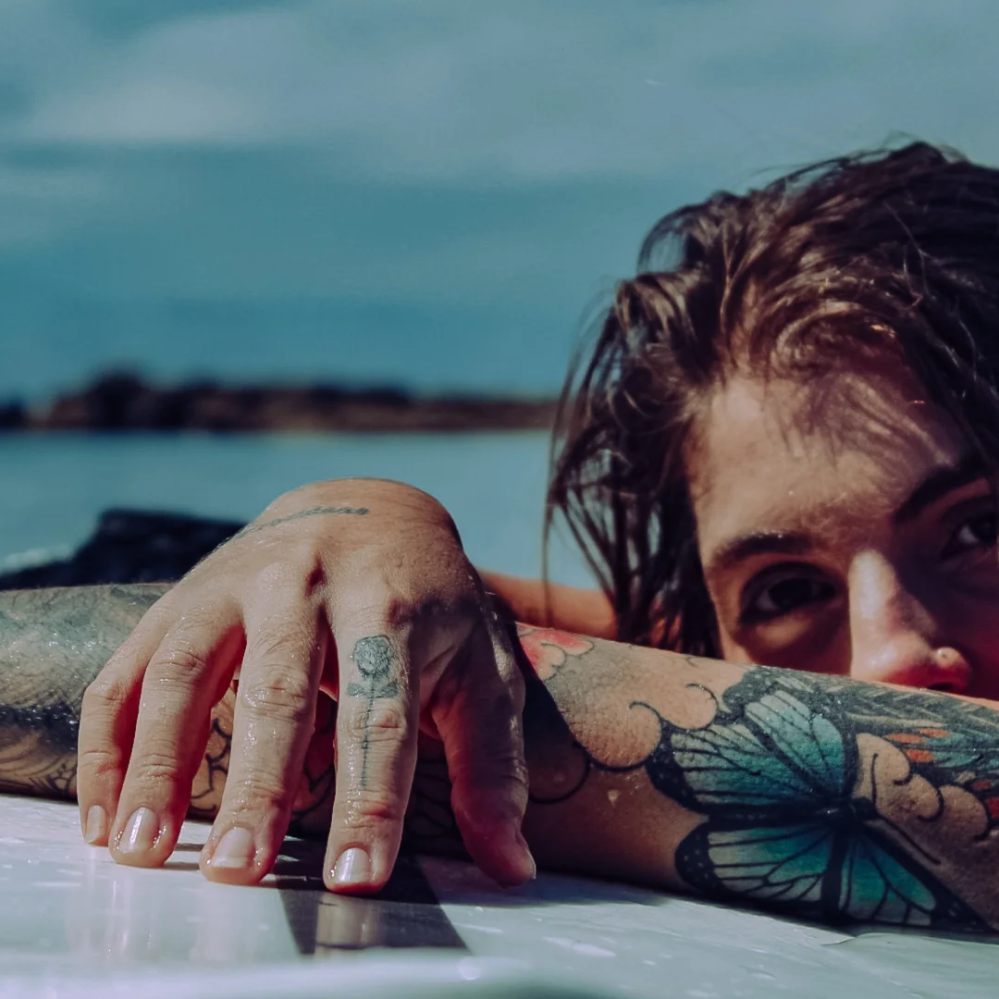 Conclusion
Getting a tattoo is exciting, but responsibility follows the thrill. Caring for your new ink ensures it stays vibrant for years. One of the biggest mistakes people make is swimming with tattoo after one week. Water exposure at this stage threatens both health and aesthetics. Healing requires time, discipline, and attention.
While tempting, entering pools or oceans too soon invites complications. Chlorine, bacteria, and salt all interfere with recovery. Instead, focus on gentle cleaning, moisturizing, and protecting your skin. Follow expert advice and listen to your body. Waiting a few extra days preserves your investment. In the end, patience leads to beautiful, lasting results. Always prioritize safety over convenience when considering swimming with tattoo after one week.