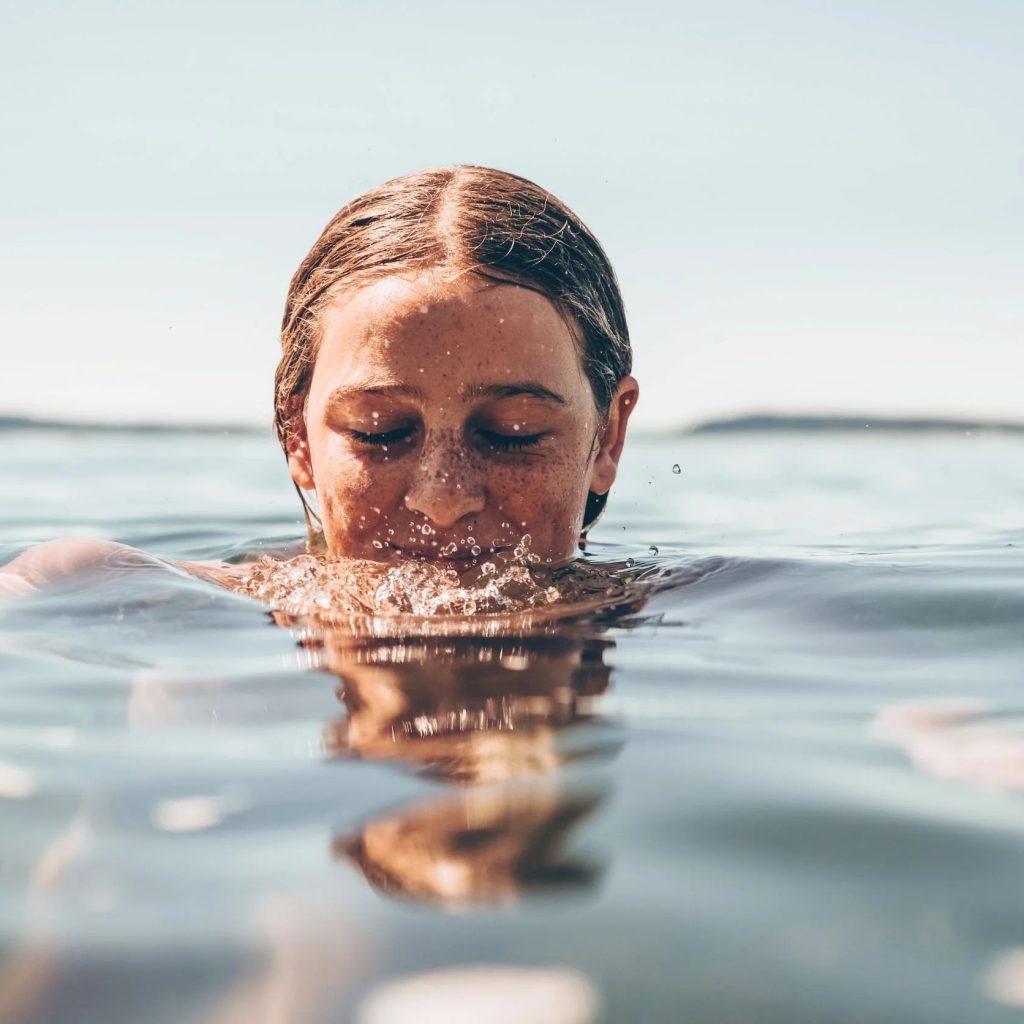
If you’ve just gotten a new tattoo, one of the most common concerns is how long do you have to wait to swim after getting a tattoo. This question matters because water exposure during early healing can lead to serious complications. Pools, lakes, oceans, and even bathtubs contain bacteria, chemicals, or salt that interfere with skin recovery. Your tattoo is essentially an open wound for the first few days. Immersing it too soon increases the risk of infection, fading, and poor healing. Most tattoo artists recommend waiting at least two weeks before swimming in any body of water. However, this timeline depends on how well your skin heals and what type of water you plan to enter. Some people may need up to four weeks for full recovery.
Moreover, understanding how long do you have to wait to swim after getting a tattoo involves more than just counting days. It requires observing your skin’s progress, following proper aftercare, and recognizing signs of readiness. The healing process varies by individual, placement, size, and design complexity. Areas like the arms or back may heal faster than joints such as elbows, knees, or ribs. Therefore, making informed decisions helps protect your investment and health. In this guide, we’ll cover every aspect of post-tattoo water safety. From chlorinated pools to ocean tides, you’ll learn exactly when—and how—it’s safe to take the plunge.
 Why Water Exposure Is Dangerous During Early Healing
Open Skin and Risk of Infection
After getting a tattoo, your skin goes through a critical healing phase. The needle punctures the dermis hundreds of times per minute. This creates tiny wounds across the inked area. As a result, your body treats the tattoo like an injury. White blood cells rush to the site. Scabs begin to form. Fluids seep out. All of these are normal parts of recovery. But they also make the area vulnerable.
When you swim too soon, water introduces harmful bacteria. Pools contain chlorine, but not enough to kill all pathogens. Hot tubs harbor high levels of microbes due to warm, stagnant water. Natural bodies like lakes, rivers, and oceans include algae, parasites, and pollutants. These elements can invade broken skin. Once inside, they cause infections that delay healing. Redness, swelling, pus, and fever are warning signs.
Additionally, soaking softens scabs prematurely. This causes them to fall off before the skin underneath fully regenerates. When that happens, ink can lift out with the scab. The final look becomes patchy or faded. Touch-ups cost extra time and money.
Chemicals like chlorine dry out healing skin. They strip natural oils. This leads to cracking, itching, and irritation. Saltwater pulls moisture from fresh tissue. It stings and slows cell regeneration.
Even clean bathwater isn’t safe at first. Sitting in a tub submerges the tattoo. Showers are fine. Use lukewarm water and gentle soap. Rinse quickly. Pat dry—never rub.
Avoiding water altogether protects your tattoo and health.
Recommended Waiting Periods Before Swimming
Guidelines Based on Water Type and Healing Stage
So, how long do you have to wait to swim after getting a tattoo? Experts agree on general timelines. For chlorinated pools, wait at least 14 days. Many suggest extending this to 21–30 days for large or complex tattoos. Healing must be complete. No scabs, peeling, or tenderness should remain.
Saltwater poses higher risks. Oceans contain unpredictable bacteria and strong salinity. Wait a minimum of three weeks. If your tattoo is near joints or exposed to constant friction, extend to four weeks. Always check with your artist if unsure.
Freshwater sources like lakes and rivers are often dirtier than expected. Runoff brings contaminants. Algae blooms thrive in warm weather. These environments carry higher infection rates. Avoid them entirely for at least three weeks. Four weeks is safer.
Hot tubs and saunas are especially risky. Heat opens pores. Steam increases blood flow. Bacteria penetrate deeper. Never soak until the skin looks and feels completely healed. Even then, limit time and rinse afterward.
Wait until all signs of healing finish. That means no flaking, redness, or sensitivity. The area should feel smooth and match surrounding skin tone. If in doubt, add extra days. Rushing leads to problems.
Your tattoo artist knows best. Follow their advice closely. They see thousands of healed tattoos. Their guidance outweighs online opinions.
Patience now prevents regret later.
 Stages of Tattoo Healing and What to Watch For
Tracking Progress Day by Day
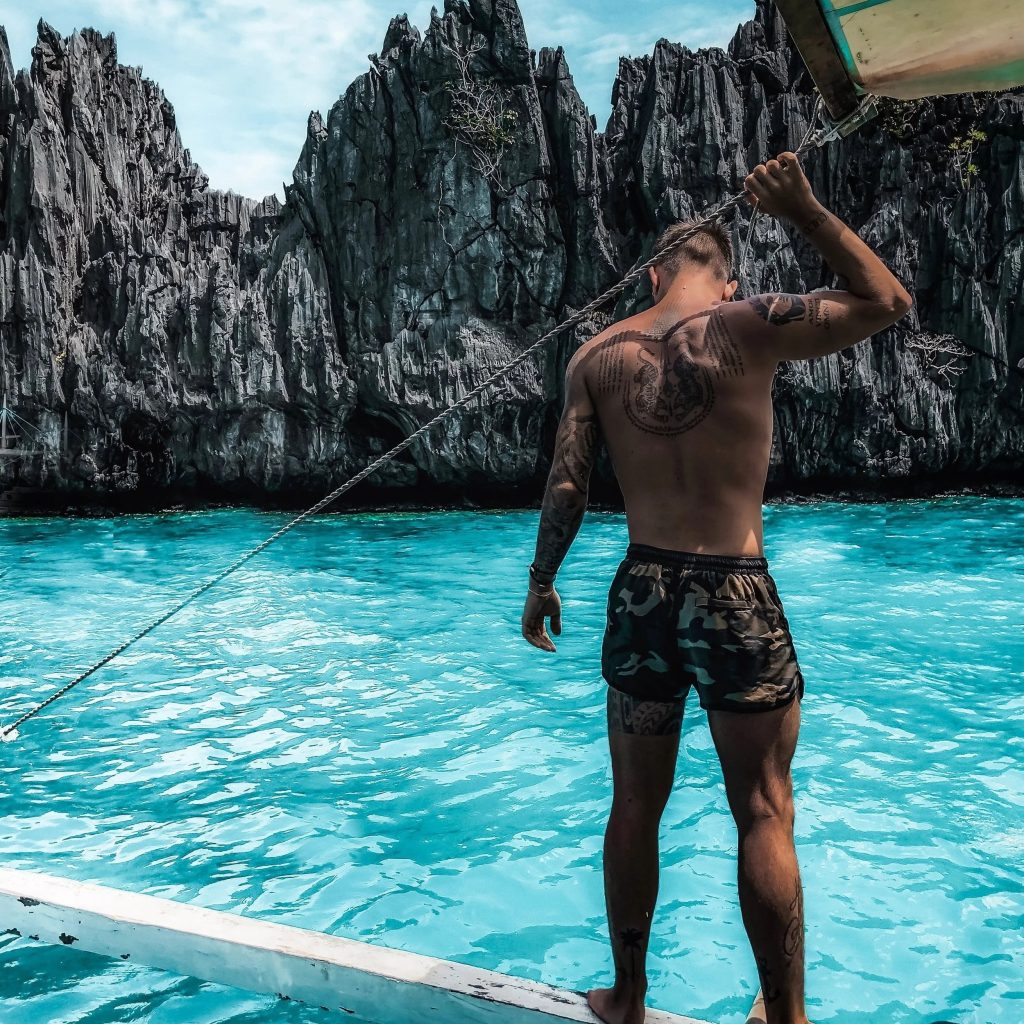
Knowing when your tattoo is ready for water starts with understanding its healing phases. Days 1–3 are the most sensitive. The area oozes plasma and blood. Keep it wrapped initially. Then wash gently twice daily. Apply a thin layer of aftercare cream.
Days 4–7 bring peeling and itching. Dead skin begins to flake off. Do not scratch or pick. Let it fall naturally. Moisturize lightly. Stay out of direct sun. Wear loose clothing.
By days 8–14, most surface healing finishes. Scabs shrink. Colors settle. The skin may still feel tight or dry. Continue moisturizing. Avoid friction.
Weeks 3–4 mark the final stage. Underlying layers repair deep tissue. Ink stabilizes. The tattoo stops feeling tender. Shine fades. Texture matches nearby skin.
Only after this point should you consider swimming. Even if the surface looks fine, deeper healing continues. Premature exposure risks internal inflammation.
Watch for warning signs. Excessive redness spreading outward indicates infection. Yellow or green pus signals severe issues. Swelling, heat, or fever require medical attention.
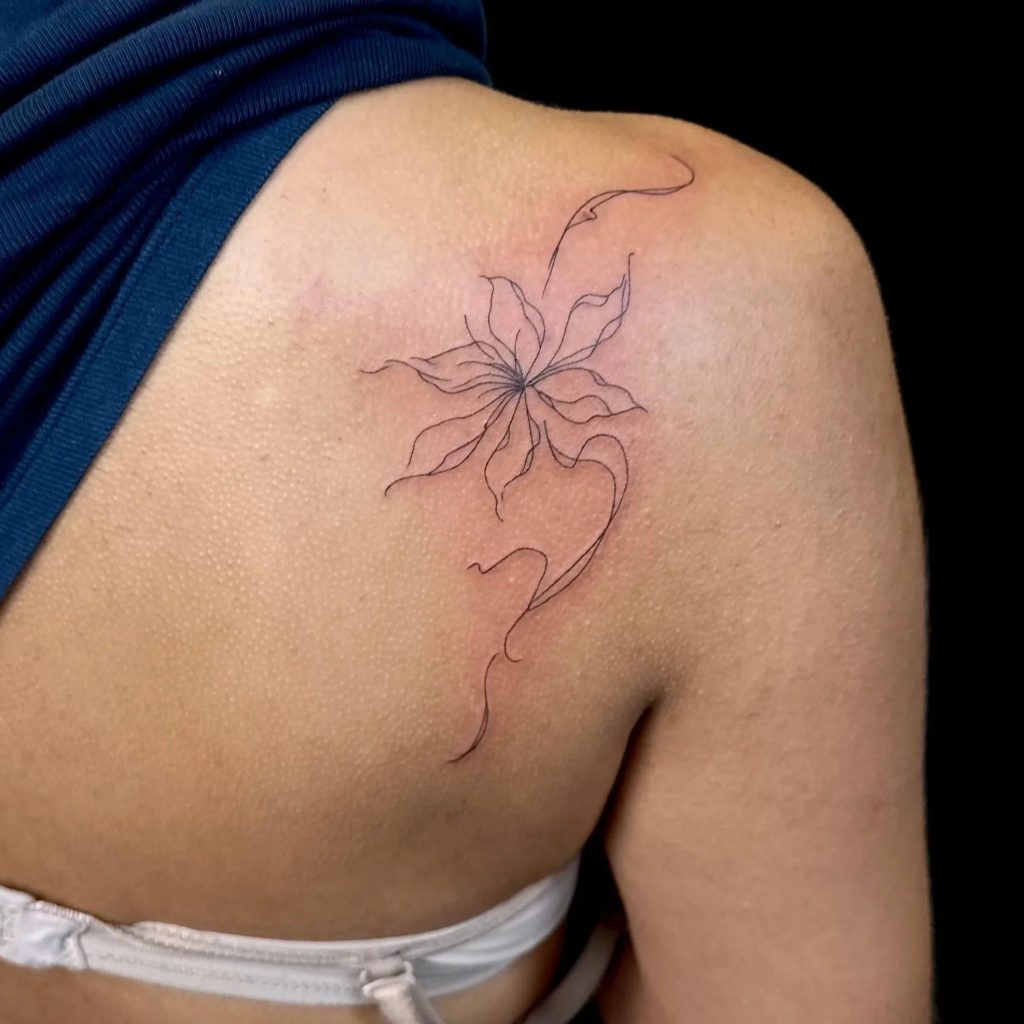
Use mirrors to check hard-to-see areas. Back, ribs, and shoulders need regular inspection. Take photos daily. Compare changes over time.
Healing isn’t linear. Some days improve. Others flare up. Stress, diet, and sleep affect recovery. Hydrate well. Eat nutrient-rich foods. Rest frequently.
Each person heals differently. Trust your body’s cues.
How to Protect Your Tattoo If You Must Swim
Safer Alternatives and Temporary Precautions
Sometimes, avoiding water isn’t possible. Maybe you’re on vacation. Or attending a pool party. If you must swim before full healing, take precautions. First, consult your tattoo artist. Get written approval only if the skin shows no open areas.
Waterproof tattoo film offers temporary protection. Products like Saniderm or Tegaderm create a breathable barrier. Apply it carefully. Cover the entire tattoo. Smooth out air bubbles. Check edges hourly. Remove immediately after exiting water.
Do not reapply used film. Discard after one use. Reusing traps sweat and bacteria. This worsens infection risk.
Limit swim time. Stay in shallow ends. Avoid diving or splashing directly onto the film. Chlorine breaks down adhesive faster. Saltwater lifts edges quickly.
Rinse thoroughly after swimming. Use fresh water and mild soap. Gently cleanse around the tattoo. Pat dry with a clean towel.
Reapply protective ointment. Use fragrance-free lotion or recommended balm. Avoid petroleum-heavy products. They clog pores.
Never wrap overnight. Skin needs to breathe. Trapped moisture breeds fungus.
Remember, film is not foolproof. It reduces risk but doesn’t eliminate it. Real healing still requires dry conditions.
The safest choice remains waiting.
 Activities That Seem Safe But Aren’t
Hidden Risks Beyond Full Submersion
Many people think brief water contact is harmless. Splashing, wading, or walking through puddles seem low-risk. However, even minimal exposure can harm a healing tattoo. Standing in ankle-deep ocean water exposes skin to bacteria. Wading in a lake brings mud and debris into open pores. Jumping into a pool “just for fun” soaks the area instantly.
Sweat is another overlooked threat. Intense workouts increase perspiration. Sweat carries salt and bacteria. It sticks to healing skin. Gym sessions should pause until recovery finishes.
Sunbathing is dangerous. UV rays fade new ink fast. They also irritate inflamed skin. Sunburn delays healing. Always keep tattoos covered or under shade.
Sharing towels or clothes spreads germs. Use personal items only. Wash fabrics in hot water. Dry completely.
Saunas, steam rooms, and public showers pose risks. Warm, moist environments grow bacteria. Shared surfaces transfer infections. Avoid them during early healing.
Even applying waterproof sunscreen isn’t enough. Lotions don’t block absorption. Water penetrates around protected zones.
Tanning beds are strictly off-limits. Radiation damages healing cells. It distorts ink distribution.
Every drop counts. Any moisture introduces danger.
Stay vigilant. Avoid shortcuts.
 Caring for Your Tattoo During Recovery
Daily Routine for Optimal Healing
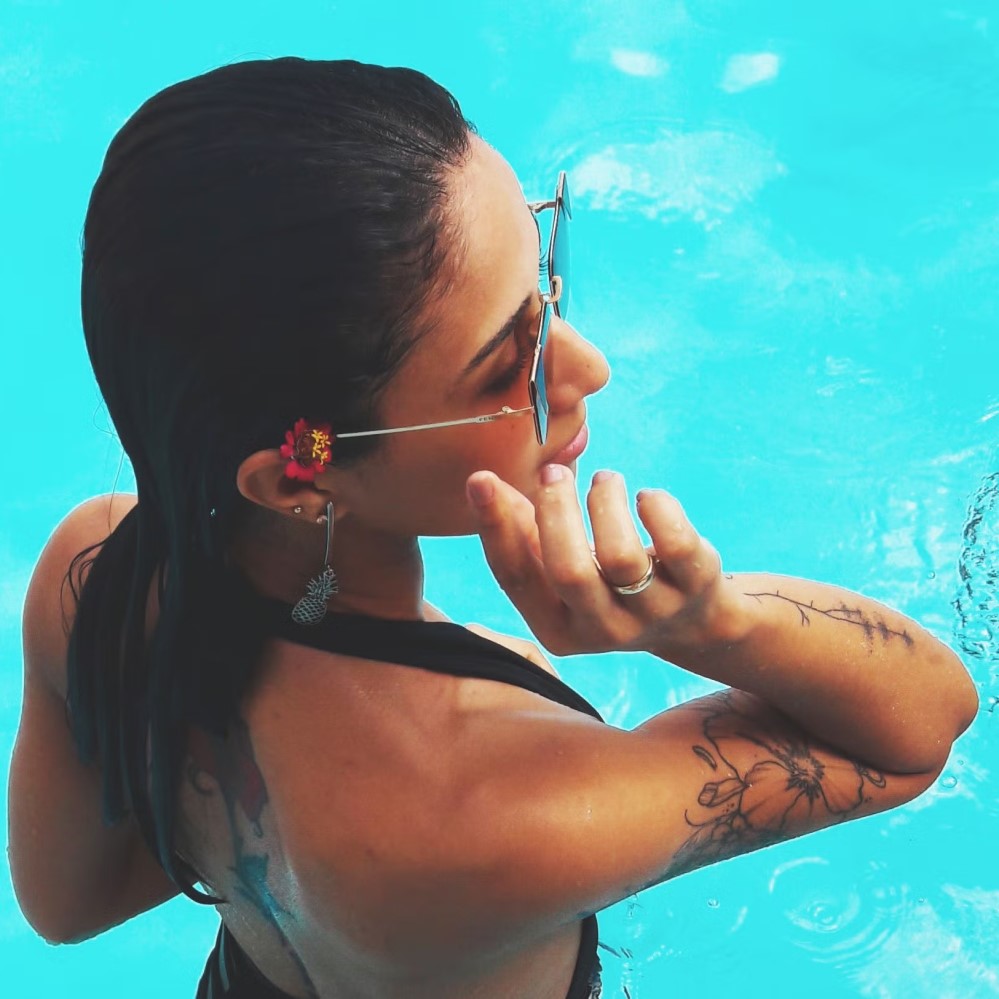
Proper aftercare speeds healing and improves results. Start by washing your tattoo twice daily. Use lukewarm water and unscented antibacterial soap. Lather gently with clean hands. Don’t use sponges or washcloths. Rinse completely.
Pat dry with a soft paper towel. Never rub. Air drying works too. Wait five minutes before applying ointment.
Apply a thin layer of aftercare product. Options include Aquaphor, Hustle Butter, or fragrance-free lotions. Too much cream suffocates skin. Less is better.
Moisturize once or twice daily after the first week. Over-moisturizing causes breakouts. Stop using ointments when peeling starts. Switch to light lotion.
Wear loose, breathable clothing. Cotton allows airflow. Tight jeans or sleeves trap sweat. Change clothes after sweating.
Keep pets away. Fur sheds bacteria. Claws might scratch.
Avoid scratching. Itchiness is normal. Tap instead of scratching. Apply cold compresses.
Stay hydrated. Drink plenty of water. Healthy skin heals faster.
Eat protein-rich foods. Support collagen production. Avoid alcohol. It thins blood and increases bleeding.
Follow your artist’s instructions. They know their work best.
A healthy routine ensures vibrant, lasting results.
 Frequently Asked Questions
Common Concerns About Swimming After Tattoos
How long do you have to wait to swim after getting a tattoo? At least 14 days. Wait 3–4 weeks for full safety.
Can I shower after getting a tattoo? Yes. Keep it brief. Avoid soaking.
Is it safe to swim in the ocean? Only after full healing. Wait at least 3 weeks.
Can I wear sunscreen on a healing tattoo? No. Wait until fully healed. Then apply SPF 30+.
What if my tattoo gets wet accidentally? Rinse with clean water. Pat dry. Monitor for redness.
Can I go in a hot tub? Not during healing. High bacteria levels increase infection risk.
Does chlorine ruin tattoos? Yes. It dries skin and fades ink.
Should I cover my tattoo while swimming? Only with waterproof film. But avoid water entirely.
Final Thoughts
Why Knowing How Long Do You Have to Wait to Swim After Getting a Tattoo Matters
Understanding how long do you have to wait to swim after getting a tattoo protects both your health and art. Tattoos are permanent, but healing is temporary. Mistakes during this window lead to lifelong regrets. Infections, scarring, and blurred lines reduce visual impact. By waiting patiently, you ensure vibrant, crisp results. Listen to your body. Follow expert advice. Respect the process. Ultimately, protecting your tattoo today means enjoying it forever.