Swimming training is one of the most comprehensive forms of physical conditioning. It builds strength, endurance, flexibility, and cardiovascular health—all while being low-impact on joints. Whether you’re preparing for competition, improving fitness, or recovering from injury, a well-structured swimming training program delivers results. Unlike land-based workouts, water adds natural resistance. This means every movement engages more muscle groups. At the same time, buoyancy reduces stress on bones and ligaments. As a result, swimmers can train longer with less risk of overuse injuries.
Moreover, swimming training is adaptable to all ages and skill levels. Beginners can start with basic strokes and short distances. Advanced athletes focus on technique refinement, speed intervals, and race simulation. Coaches often combine drills, timed sets, and skill work into daily plans. These programs improve efficiency in the water. They also enhance breathing control, body alignment, and stroke mechanics. Because consistency matters, setting realistic goals ensures long-term progress. With proper planning, motivation stays high. Therefore, understanding how to structure your swimming training makes all the difference between casual laps and real improvement.
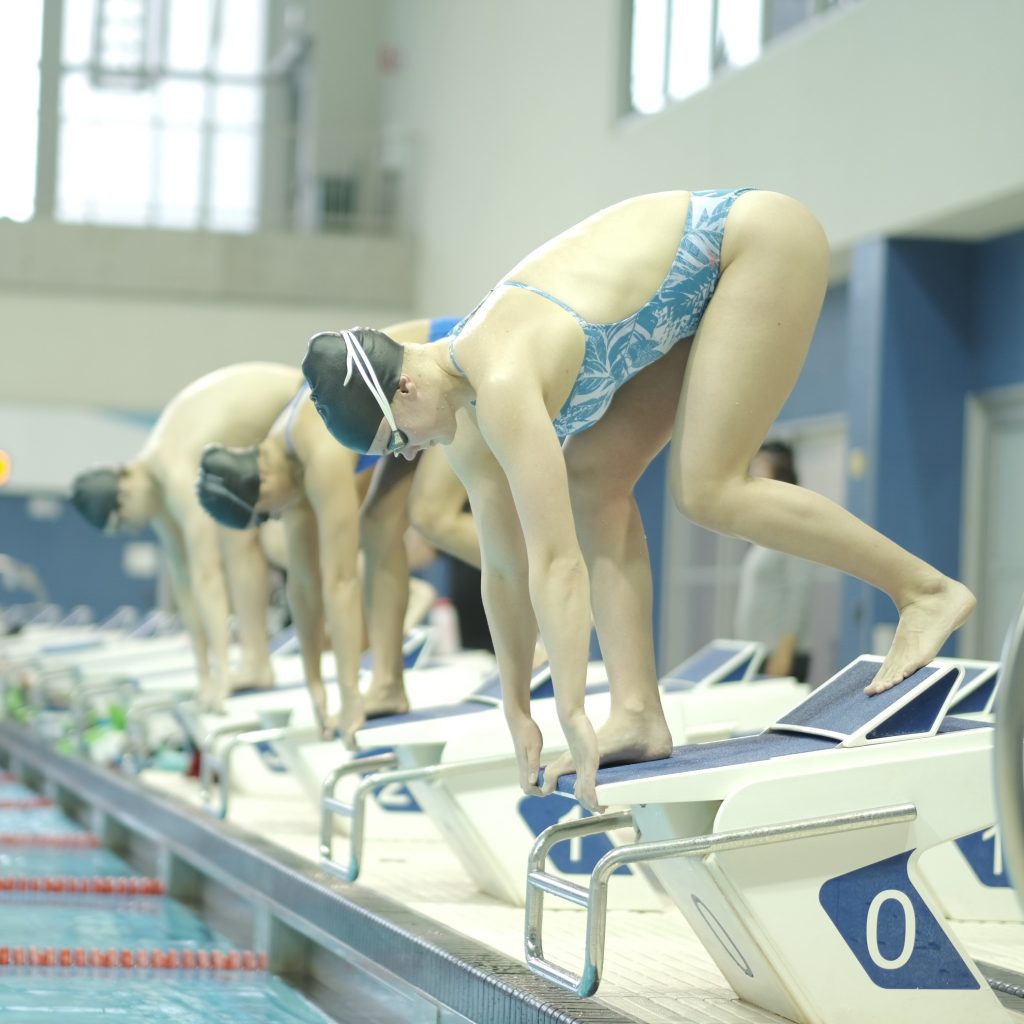 Building a Strong Foundation in Swimming Training
Focusing on Technique Before Speed
Every successful swimmer starts with solid fundamentals. Without proper form, even the fastest swimmers waste energy. That’s why swimming training should emphasize technique early. Drills like catch-up stroke, fingertip drag, and sculling help isolate key movements. These exercises slow down the stroke cycle. They allow swimmers to feel correct hand placement and arm path. Over time, this awareness becomes automatic.
Body position is equally important. A flat, horizontal line reduces drag. Many beginners lift their heads too high or sink their hips. These errors create resistance. To fix them, use tools like kickboards, pull buoys, and fins. These aids support balance while focusing on one area at a time. For example, using a pull buoy during freestyle lets you practice arm motion without worrying about leg drive.
Breathing technique also needs attention. Poor timing disrupts rhythm. Swimmers should exhale steadily underwater. Then inhale quickly during the turn to the side. Practicing bilateral breathing prevents muscle imbalances. It also prepares you for open water conditions where sighting matters.
Consistency builds mastery. Perform these drills at the start of each session. Gradually increase difficulty as skills improve.
Eventually, good form leads to faster times. But speed must follow technique. Otherwise, bad habits become harder to break.
Designing an Effective Training Plan
Structuring Workouts for Maximum Results
A strong swimming training plan includes variety and progression. First, divide sessions into warm-up, main set, and cool-down. The warm-up prepares muscles and joints. Start with easy swimming and dynamic stretches. Include drills to activate stroke memory. This phase lasts 10–15 minutes.
Next, move to the main set. This part builds fitness and skill. Use interval training to improve speed and stamina. For example, swim 10 x 100 meters with 20 seconds rest between. Adjust distance and rest based on your level. Beginners might do shorter repeats. Advanced swimmers add pyramid sets or descending efforts.
Mix stroke work throughout the week. Freestyle builds aerobic base. Backstroke improves body rotation. Breaststroke strengthens hips and timing. Butterfly develops core power and coordination. Rotate focus so no stroke gets neglected.
Add dryland training twice a week. Bodyweight exercises like planks, squats, and push-ups support in-water performance. Mobility work enhances shoulder health. This reduces injury risk.
Track progress weekly. Record times, stroke counts, and perceived effort. Seeing improvement keeps motivation high.
Finally, schedule rest days. Recovery allows muscles to repair. Overtraining leads to fatigue and plateaus. Balance intensity with active recovery.
With a clear plan, swimming training becomes purposeful and effective.
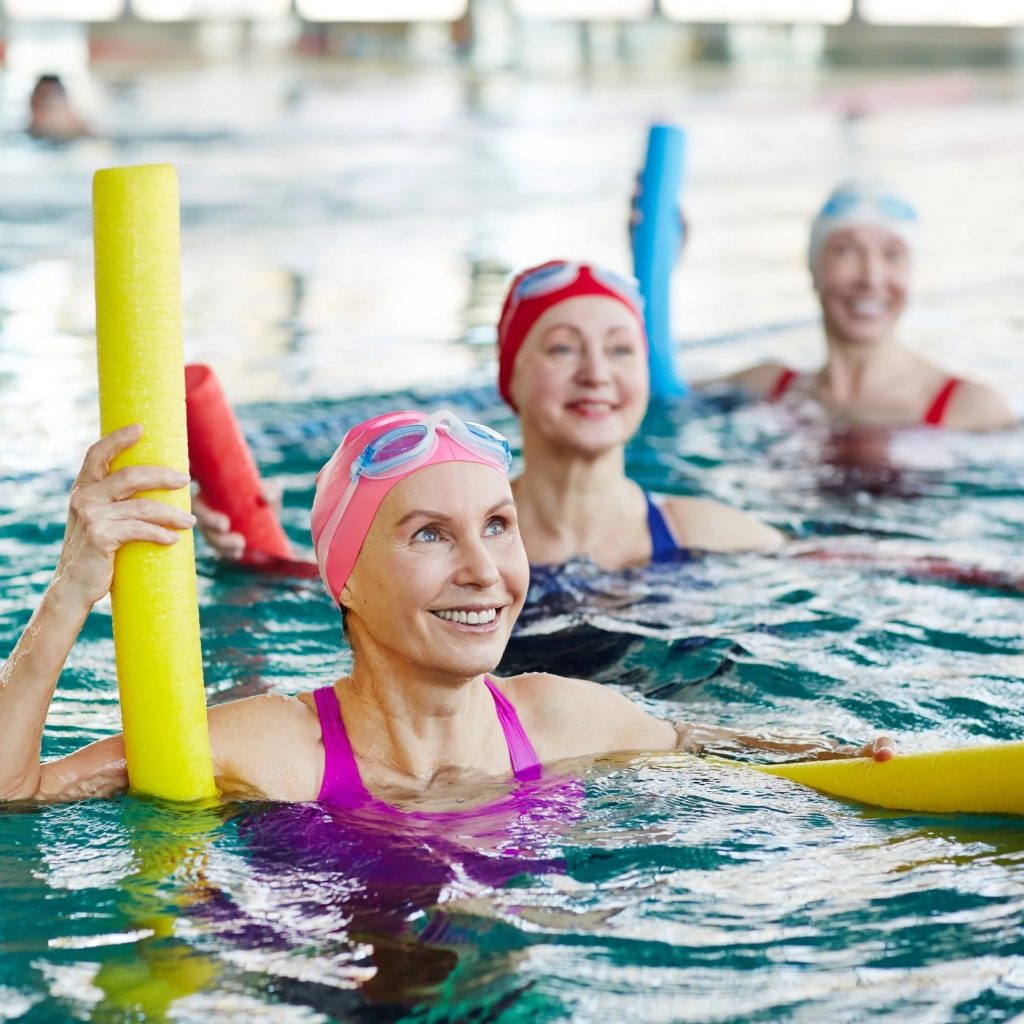 Using Equipment to Enhance Training
Tools That Improve Skill and Strength
Equipment plays a vital role in modern swimming training. Each tool targets specific areas of development. Kickboards isolate leg strength. Hold one with straight arms. Then perform flutter, dolphin, or breaststroke kicks. This builds propulsion power. Vary distances and speeds to challenge endurance.
Pull buoys go between the thighs. They stop leg movement. This forces upper-body engagement. Use them during pull sets. Focus on hand entry, catch, and finish. You’ll feel flaws in your stroke more clearly.
Fins increase resistance and speed. Short-blade fins support ankle flexibility. Long-blade versions build leg strength. They also promote better body position. Use them during drills or warm-ups. Avoid relying on them too much. Remove them to test real performance.
Snorkels allow uninterrupted breathing. This helps refine stroke mechanics. Swimmers maintain a neutral head position. They can concentrate on arm pull and body roll. Center-mount models work best for technique training.
Hand paddles increase surface area. This strengthens the pull phase. Choose adjustable straps for secure fit. Start with small paddles. Gradually move to larger ones. Never use them if shoulder pain occurs.
Parachutes and drag suits add resistance. They build power and simulate race conditions. Use them sparingly. Too much drag strains joints.
All equipment should serve a goal. Rotate tools weekly. This prevents adaptation and keeps training fresh.
When used wisely, gear transforms swimming training from routine to results-driven.
Adapting Training for Different Goals
Tailoring Programs to Individual Needs
Not every swimmer trains for the same reason. Therefore, swimming training must adapt to personal objectives. Competitive athletes aim for faster times and race readiness. Their programs include pace work, starts, turns, and tapering. They track splits and refine strategies. Coaches design season-long plans with peak meets in mind.
Fitness swimmers want endurance and calorie burn. Their swimming training focuses on volume and consistency. Longer distances at moderate effort build aerobic capacity. Mix strokes to avoid overuse. Add interval sets to boost heart rate.
Rehabilitation requires caution. Injured swimmers rebuild slowly. They avoid painful motions. Physical therapists guide stroke selection. Pool walking, gentle kicking, and supported swimming aid recovery. Buoyancy reduces joint load. Water provides safe resistance.
Masters swimmers balance life and sport. Many are adults returning after years away. Their training fits around jobs and families. Efficiency matters. Shorter, high-quality sessions deliver gains. Technique clinics help refresh skills. Group practices offer social motivation.
Open water swimmers need different preparation. They practice sighting, drafting, and mass starts. Wearing wetsuits changes buoyancy. Simulate conditions in the pool when possible.
Triathletes blend swim with bike and run. Brick workouts build transition strength. They prioritize open-water confidence over pure speed.
Youth programs focus on fun and fundamentals. Games and relays keep kids engaged. Safety and water comfort come first.
No matter the goal, a customized swimming training plan increases success.
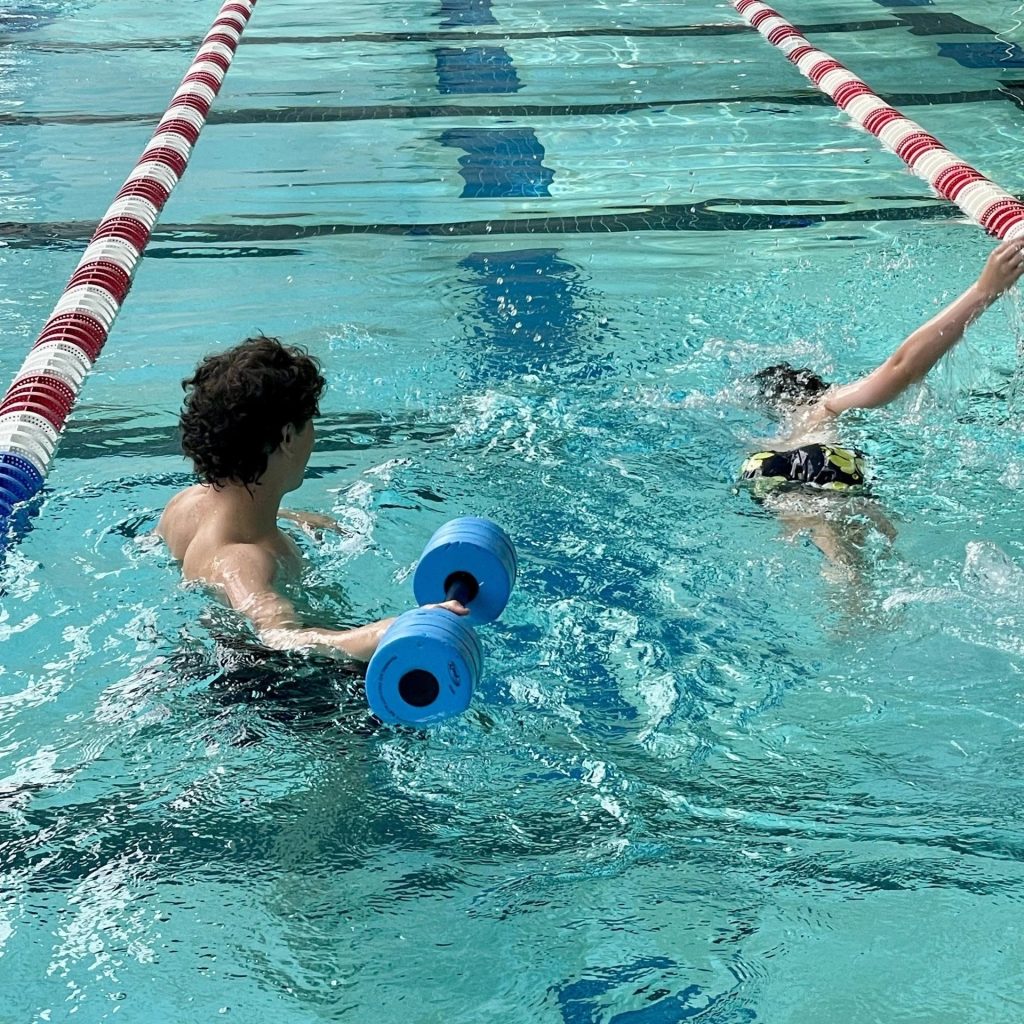 Monitoring Progress and Staying Motivated
Tracking Performance Over Time
Improvement in swimming training isn’t always visible right away. That’s why tracking matters. Keep a logbook or use a swim app. Record each workout’s distance, time, and effort. Note how drills felt or which skills improved. Regular review reveals trends. You’ll see when performance stalls or surges.
Set short-term and long-term goals. Short goals could be “complete 8 x 50 meters under 45 seconds.” Long goals might include finishing a triathlon or qualifying for a meet. Achieving small wins builds confidence.
Use video analysis. Film underwater clips with a coach or waterproof camera. Watch body position, hand entry, and kick timing. Compare footage monthly. Visual feedback speeds up correction.
Join a group or find a training partner. Shared effort increases accountability. Friendly competition pushes limits. Team practices add fun and structure.
Celebrate milestones. Completing your first mile, mastering flip turns, or improving stroke count are achievements. Reward yourself appropriately.
Avoid comparing yourself to others too much. Everyone progresses differently. Focus on personal growth.
Rest and recovery are part of progress. Soreness or fatigue signals the need to pause. Listen to your body. Take a day off when needed.
Motivation fluctuates. On tough days, return to your “why.” Remind yourself why you started swimming training. Reconnect with your purpose.
With patience and persistence, results will come.
Nutrition and Recovery for Optimal Training
Fueling the Body for Peak Performance
Physical effort demands proper fuel. Swimming training burns significant calories. An hour of intense swimming can burn 500–700 calories. To sustain energy, eat balanced meals rich in carbs, protein, and healthy fats. Carbohydrates power long sessions. Whole grains, fruits, and vegetables provide steady release.
Protein repairs muscle tissue. Include lean sources like chicken, fish, eggs, beans, or tofu. Eat within 30–60 minutes after training. This window supports recovery.
Hydration is critical. Even mild dehydration affects performance. Drink water before, during, and after swimming. Pools mask sweat loss. You may not feel thirsty, but fluids deplete. Electrolyte drinks help during long sessions.
Sleep accelerates recovery. Aim for 7–9 hours nightly. Growth hormone releases during deep sleep. This aids muscle repair and mental focus.
Active recovery days help too. Light swimming, stretching, or yoga reduce soreness. They increase blood flow without strain.
Avoid processed foods and sugary snacks. They cause energy spikes and crashes. Instead, choose whole, nutrient-dense options. Snack on nuts, yogurt, or fruit.
Listen to hunger cues. Undereating leads to fatigue and injury. Overeating adds weight that slows movement. Balance intake with output.
Supplements like omega-3s or vitamin D may help some. Consult a doctor before starting any.
Proper nutrition turns swimming training into sustainable progress.
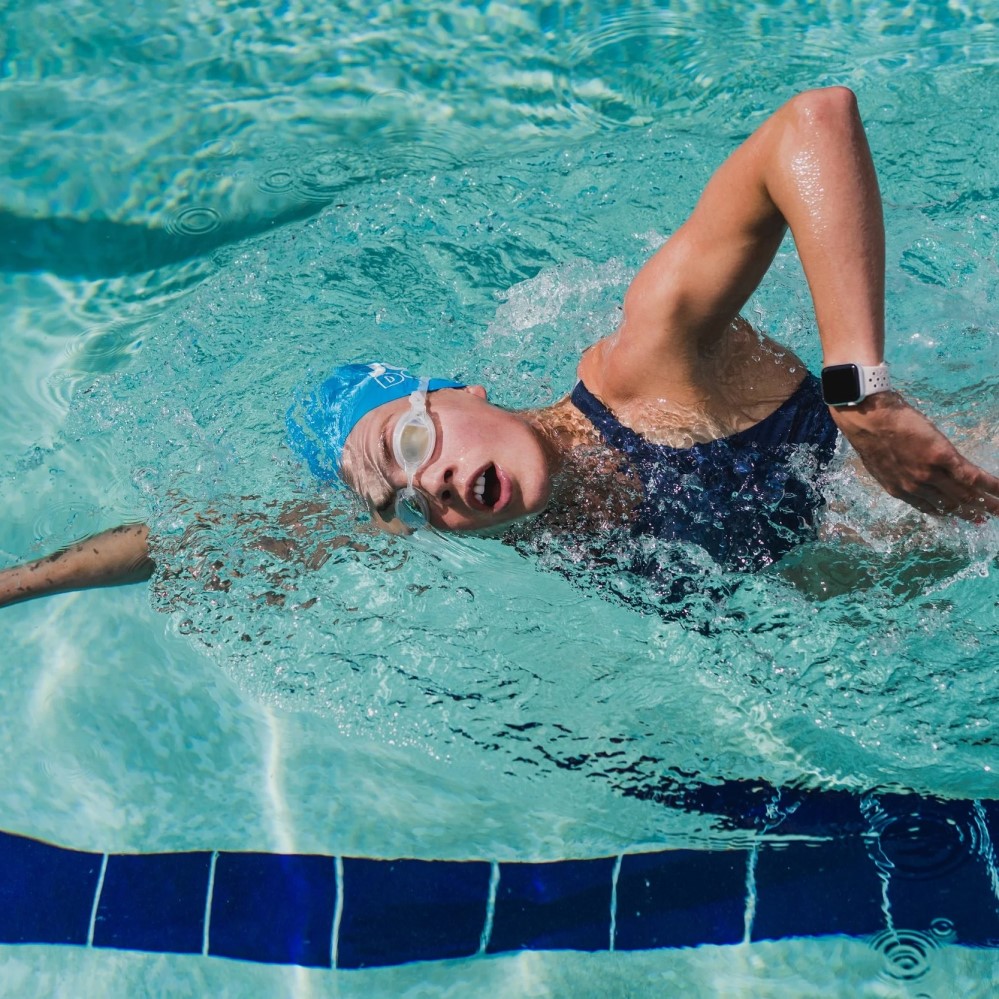 Frequently Asked Questions
Common Concerns About Swimming Training
How often should I swim? Most programs recommend 3–6 days per week. Include rest days for recovery.
Can beginners start swimming training? Yes. Start slow. Focus on form and comfort. Use lessons or coaching.
Do I need to know all four strokes? Not immediately. Learn freestyle first. Add others gradually.
Is swimming training good for weight loss? Yes. It burns calories and builds muscle. Combine with diet for best results.
How long until I see results? Most notice changes in 4–8 weeks. Consistency is key.
Can older adults benefit? Absolutely. Low impact makes it ideal for aging bodies.
Should I train in a lap pool or open water? Start in pools. They offer controlled conditions. Move to open water later.
What if I’m afraid of deep water? Work with a coach. Practice in shallow areas first. Build confidence step by step.
 Final Thoughts
Why Swimming Training Is Worth the Effort
Swimming training offers lifelong benefits. It strengthens the body, sharpens the mind, and builds resilience. From technique drills to endurance sets, every session adds value. With the right plan, tools, and mindset, anyone can improve. Whether your goal is fitness, competition, or recovery, structured swimming training delivers results. It challenges you in unique ways. Yet, it remains accessible and enjoyable. By staying consistent and patient, you unlock your full potential in the water.