Many people who rely on vision correction face a common dilemma: can they go swimming with contacts? The practice of swimming with contacts is widespread. Millions wear their lenses while enjoying pools, lakes, and oceans. Yet, this convenience comes with risks that many overlook. Water—whether chlorinated, salt, or fresh—contains microbes and chemicals. These can stick to contact lenses and affect eye health.
Despite warnings from eye care professionals, swimmers often ignore the dangers. Some feel uncomfortable wearing glasses in water. Others forget to remove lenses before jumping in. As a result, infections like microbial keratitis become more likely. Understanding the full picture helps you make safer choices. This article explores the realities of swimming with contacts. It covers risks, alternatives, expert advice, and best practices for eye safety.
 Risks Associated with Water Exposure
Why Lenses Absorb Harmful Substances
Contact lenses are porous by design. They absorb moisture from the environment. When you swim with contacts, they soak up surrounding water. This includes chlorine, salt, bacteria, and even parasites like Acanthamoeba. These contaminants trap against the cornea. Then, they may cause irritation or serious infection.
Chlorine in pools dries out lenses quickly. This leads to discomfort and blurred vision. Saltwater pulls moisture from the lens material. It increases friction between the lens and the eye. Both conditions raise the risk of corneal abrasions.
Freshwater bodies like lakes and rivers carry higher biological risks. Runoff, algae, and microorganisms thrive there. A single splash can introduce dangerous pathogens. Once embedded under a lens, they multiply rapidly.
Moreover, lenses can warp or dislodge in strong currents. Sudden movements or dives increase this chance. Losing a lens underwater is common. Trying to retrieve it worsens exposure.
Even showering with contacts poses similar threats. Tap water isn’t sterile. Therefore, avoiding all water contact is the safest rule. Swimming with contacts should never be taken lightly.
Common Eye Infections Linked to Swimming
Recognizing Symptoms Early
One of the most serious risks of swimming with contacts is microbial keratitis. This infection inflames the cornea. It often starts with redness, pain, and sensitivity to light. Left untreated, it can lead to permanent vision damage.
Acanthamoeba keratitis is especially dangerous. It stems from a parasite found in soil and water. Swimmers exposed to contaminated sources may develop it. The symptoms mimic less severe issues at first. These include itching and watery eyes. However, pain intensifies over days. Vision blurs progressively.
Another concern is contact lens-induced acute red eye (CLARE). This occurs after sleeping in lenses or water exposure. The eye becomes bloodshot and swollen. Discharge may form overnight. Relief usually comes after removing the lens. But repeated episodes weaken eye resilience.
Conjunctivitis, or pink eye, also spreads easily in pools. Bacteria transfer from water to hands to eyes. Contact wearers touch their faces more often. This habit increases contamination chances.
If you experience any discomfort after swimming with contacts, act fast. Remove the lenses immediately. Rinse your eyes with sterile solution. See an eye doctor if symptoms persist beyond a few hours.
 Safer Alternatives for Clear Vision in Water
Options That Protect Your Eyes
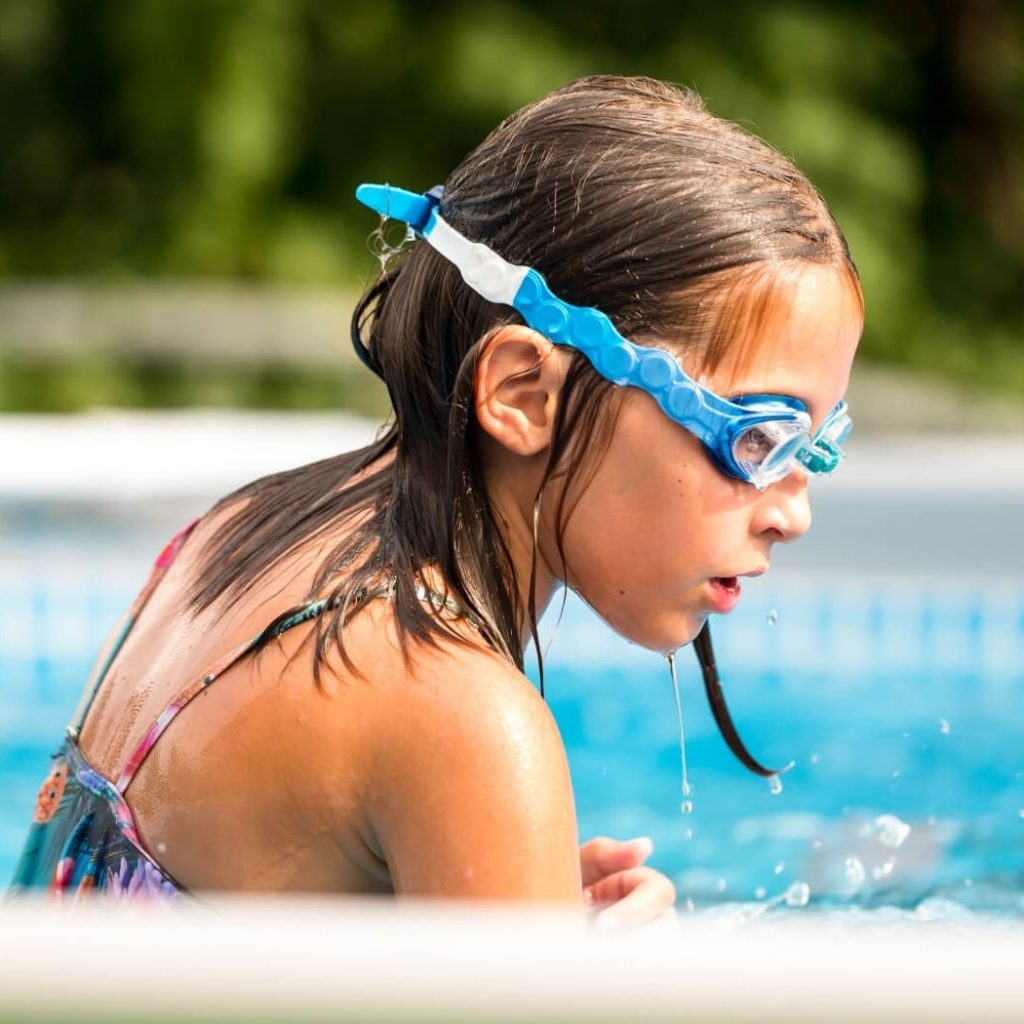
The best way to avoid problems is not swimming with contacts at all. Instead, use prescription goggles. These are designed for swimmers who need vision correction. They seal out water and keep lenses safe.
Goggles come in various diopter strengths. You can choose ones that match your prescription. No custom fitting is needed for standard values. For complex prescriptions, some brands offer tailored inserts.
Another option is daily disposable lenses. If you must wear contacts, use a fresh pair just once. Remove and discard them right after swimming. Never reuse them. This reduces bacterial buildup. However, it’s still not completely safe. Water exposure remains risky even with disposables.
Some people opt for LASIK surgery. This eliminates the need for corrective lenses altogether. After recovery, they swim freely without visual aids. While costly, it offers long-term freedom.
Rigid gas permeable (RGP) lenses are not recommended for swimming. They float off easily and scratch the eye if displaced. Soft lenses cling better but absorb more water. Neither type is truly safe in aquatic environments.
Ultimately, switching to goggles is the smartest move. They protect your eyes and improve underwater clarity.
Best Practices for Contact Lens Wearers
Reducing Risk When Accidents Happen
Mistakes happen. You might forget to remove your contacts before entering water. If this occurs, take immediate action. Exit the water as soon as possible. Remove your lenses right away. Do not rub your eyes.
Rinse your eyes with sterile saline solution. This flushes out trapped particles. Avoid using tap or pool water for rinsing. These sources contain impurities. Use preservative-free drops if saline isn’t available.
Do not reinsert the same lenses. Even if they seem clean, they may harbor microbes. Throw them away, especially if they’re not daily disposables. Insert a fresh pair only after your eyes feel normal.
Wait at least eight hours before wearing new lenses. This gives your eyes time to recover. Monitor for redness, stinging, or blurred vision. Any lasting symptoms require medical attention.
Always wash your hands before handling lenses. Keep your case clean and replace it monthly. Store lenses in fresh solution every night. These habits reduce contamination risks overall.
Carry spare lenses and solution when traveling. Pack a small kit in your swim bag. Being prepared prevents risky decisions later.
 Guidelines from Eye Care Professionals
What Optometrists Recommend
Eye doctors consistently advise against swimming with contacts. The American Academy of Ophthalmology lists water exposure as a top cause of preventable eye infections. Their guidance is clear: remove lenses before any water activity.
Optometrists stress that no contact lens is waterproof. Even sealed packaging doesn’t block all moisture. Lenses act like sponges. They pull in whatever surrounds them.
During routine exams, many patients admit to swimming with contacts. Some do it weekly. Doctors respond by educating on real-world consequences. They share cases of severe infections requiring months of treatment.
Professionals recommend switching to prescription goggles. They view this as the safest alternative. For occasional laps, goggles provide comfort and protection.
They also warn against showering or bathing with lenses in. Hot steam opens pores. Water droplets enter more easily. Bathroom sinks and tubs host biofilm—another infection risk.
If you swim frequently, discuss long-term solutions. LASIK, ortho-k, or consistent goggle use are viable paths. Your eye health is too important to compromise.
Travel and Recreational Considerations
Staying Safe on Vacations and Trips
Vacations often involve water activities. Beaches, hotel pools, and snorkeling trips tempt swimmers. Travelers wearing contacts face extra challenges. They may lack access to replacements or eye care.
Before departure, pack prescription goggles. Label them clearly in your carry-on. Avoid checking bags where pressure changes might damage gear. Bring extra saline and lens cases.
If you plan to snorkel, consider a mask with corrective lenses. Some dive shops offer rentals with built-in magnification. Custom masks are available for frequent users. These eliminate the need for contacts entirely.
In tropical locations, UV exposure increases. Bright sun reflects off water. This strains unprotected eyes. Wear polarized sunglasses after swimming. They reduce glare and support recovery.
Stay hydrated. Dehydration affects tear production. Dry eyes increase irritation when wearing lenses. Drink plenty of water throughout the day.
Inform travel companions about your needs. Ask them to remind you to remove lenses. Shared awareness prevents accidents. Planning ahead ensures fun without health risks.
 Frequently Asked Questions
Answers to Common Concerns About Swimming with Contacts
Can I wear daily disposables in the pool? Technically yes, but it’s not safe. Waterborne germs still attach to the lens. Always discard them afterward.
What if I accidentally open my eyes underwater? Close them quickly. Surface and rinse your eyes with saline. Remove lenses as soon as possible.
Are colored contacts safer than regular ones? No. They carry the same risks. Decorative lenses aren’t FDA-approved for water use either.
Can children swim with contacts? Not recommended. Kids are less aware of hygiene. Supervision doesn’t eliminate risk. Goggles are better.
Do waterproof contact lenses exist? No. All soft lenses absorb water. Claims otherwise are misleading.
How long should I wait to wear contacts after swimming? Wait until your eyes feel normal. Usually 6–8 hours. Use lubricating drops if needed.
Can I use goggles over contacts? Yes, but it’s not ideal. Seals may fail. Water can still leak in. Prescription goggles are safer.
Is saltwater worse than chlorinated water? Both are harmful. Salt dehydrates lenses. Chlorine irritates eyes. Freshwater carries more microbes.
 Final Thoughts on Eye Safety and Smart Choices
Making Informed Decisions for Long-Term Health
Swimming with contacts may seem harmless at first. Yet, the risks far outweigh the convenience. Eye infections can develop quickly. Recovery takes time and medical care. In rare cases, vision loss occurs.
Protecting your eyes should always come first. Simple changes make a big difference. Switching to prescription goggles is effective and affordable. Daily habits reduce exposure risks.
Education plays a key role. Many wearers don’t know the dangers. Sharing facts helps others stay safe. Encourage friends and family to rethink their routines.
Ultimately, the goal is clear vision without compromise. You don’t have to choose between swimming and sight. Safer options exist. Use them wisely.
By avoiding swimming with contacts, you invest in lifelong eye health. Prevention beats treatment every time. Make the smart choice today—for a clearer tomorrow.