Wild swimming has captured the hearts of nature lovers and fitness enthusiasts around the world. This practice involves swimming in natural bodies of water such as rivers, lakes, ponds, and oceans—away from man-made pools or controlled environments. Unlike traditional swimming, wild swimming embraces unpredictability. It connects swimmers with the rhythm of nature, seasonal changes, and raw landscapes.
More people are turning to wild swimming for physical health, mental clarity, and emotional renewal. Whether it’s a morning dip in a mountain stream or a sunset plunge in a coastal cove, the experience feels both grounding and exhilarating. As awareness grows, so does the need for safety knowledge and environmental respect. This article explores every aspect of wild swimming, from benefits to best practices.
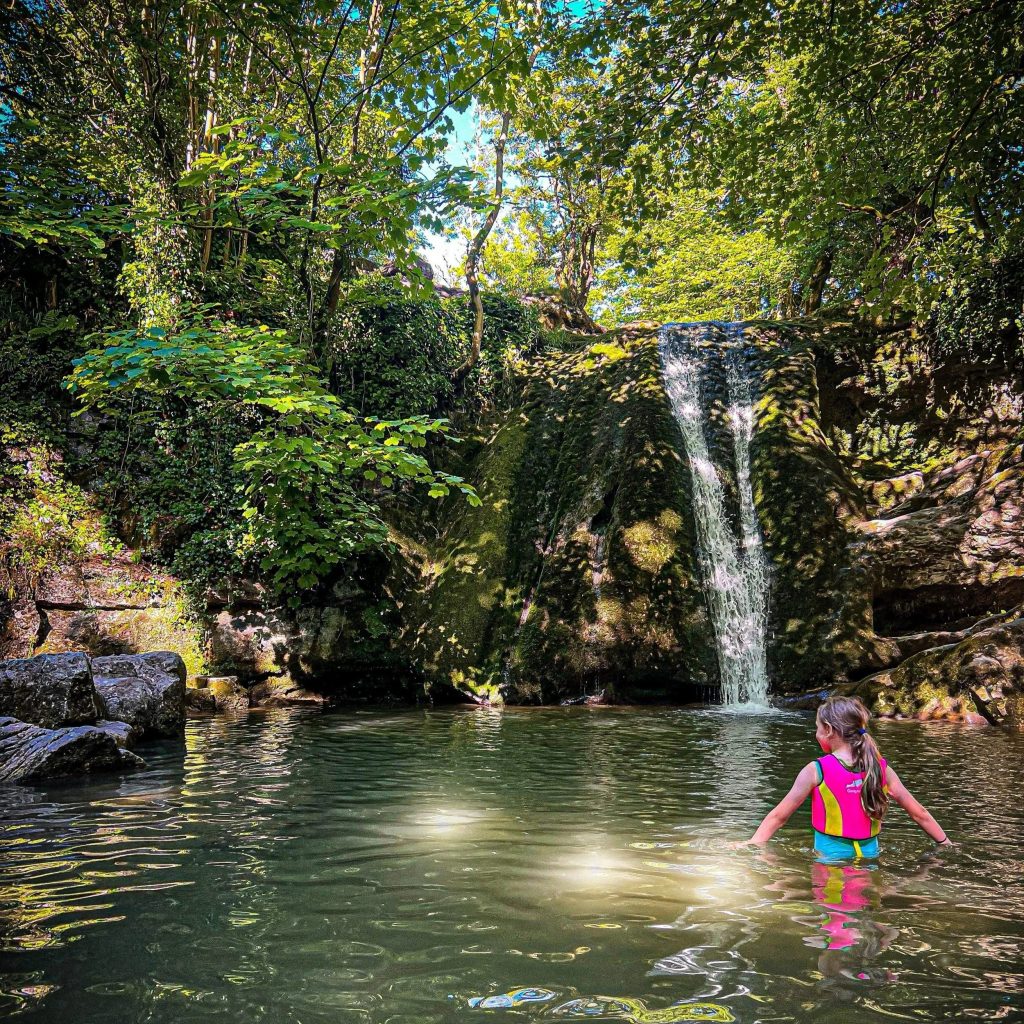 Physical Health Benefits of Cold Water Immersion
Boosting Circulation and Strengthening the Body
One major benefit of wild swimming is improved circulation. When you enter cold water, blood vessels constrict. This response helps push blood toward vital organs. Over time, regular exposure can strengthen the cardiovascular system.
Swimming in open water also builds endurance. Natural currents and waves increase resistance. This forces muscles to work harder than in flat pool lanes. Core strength, arm power, and leg drive all improve with consistent practice.
Cold water triggers thermogenesis. The body burns more calories to maintain core temperature. Some studies suggest this may support weight management over time. However, it should never replace balanced nutrition or medical advice.
Joint mobility often increases too. Buoyancy reduces pressure on knees and hips. People with mild arthritis report less pain after short dips. Always consult a doctor before starting if you have health concerns.
Breathing patterns change quickly upon entry. The shock of cold water causes gasping. With practice, swimmers learn to control their breath. This trains lung capacity and mindfulness under stress.
Even heart rate variability improves with routine exposure. These small adaptations build resilience. Over weeks, many notice increased energy levels during daily life.
Mental Wellness and Emotional Healing
How Nature Dips Reduce Stress and Anxiety
Beyond physical gains, wild swimming offers deep mental health rewards. Many participants describe a sense of calm that lasts hours after leaving the water. This peace stems from multiple factors. First, cold immersion releases endorphins and dopamine. These natural chemicals elevate mood and reduce tension.
The act of entering wild water requires presence. You must focus on your breath, balance, and surroundings. This creates a form of moving meditation. Worries about work or personal issues fade temporarily. The mind resets.
Natural settings enhance this effect. Being near trees, birdsong, and flowing water lowers cortisol levels. Researchers call this “forest bathing” or shinrin-yoku. Combining it with swimming amplifies the benefits.
Many swimmers use these moments for reflection. Early morning swims offer solitude. They become private rituals for gratitude or goal-setting. Others find healing after grief or trauma. The rhythm of water brings comfort.
Social aspects help too. Groups gather at popular spots. Conversations flow easily after shared experiences. Friendships form through mutual encouragement. Loneliness decreases when you belong to a swim community.
For some, wild swimming replaces medication. While not a substitute for therapy, it supports treatment plans. Doctors increasingly recommend outdoor activity for depression and anxiety.
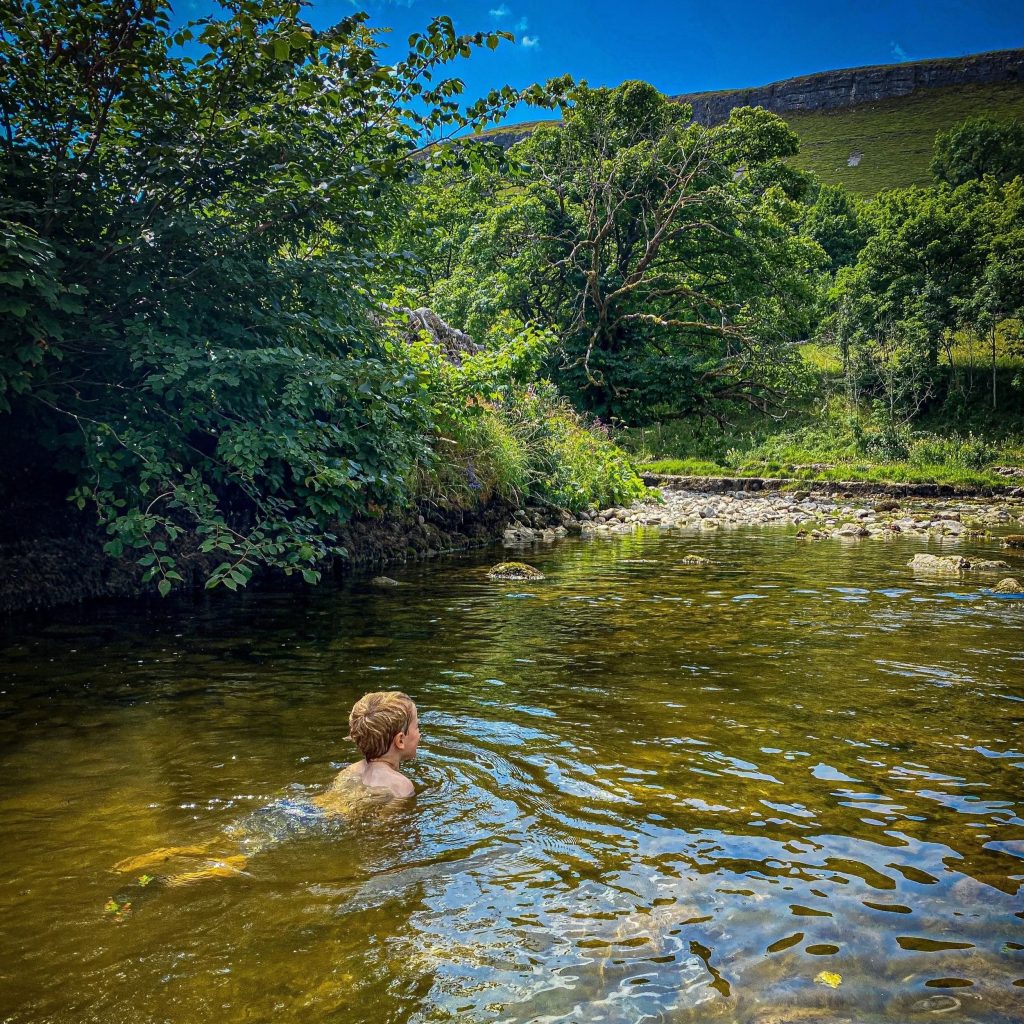 Safety Tips Every Swimmer Should Know
Staying Protected in Unpredictable Environments
Safety must always come first in wild swimming. Natural waters lack lifeguards and clear depth markers. Hazards like strong currents, submerged objects, or sudden drop-offs exist. Knowing how to respond keeps you safe.
Always enter slowly. Test the water with your feet. Let your body adjust to the temperature. Sudden immersion can cause cold shock. This leads to gasping and potential inhalation of water. Take deep, slow breaths to regain control.
Never swim alone. Use the buddy system whenever possible. If one person struggles, the other can seek help. Tell someone on land where you’re going and when you’ll return.
Check weather and tides before entering. Rain can increase river flow rapidly. Flash floods happen even miles from storms. Avoid water after heavy rainfall due to runoff contamination.
Look out for signs of hypothermia. Shivering, slurred speech, and confusion are early warnings. Exit immediately if you feel weak or disoriented. Warm up gradually with dry clothes and warm drinks.
Carry a bright swim cap and tow float. These make you visible to boats and kayakers. Some floats include storage for keys or phones. In emergencies, they provide buoyancy support.
Learn basic self-rescue techniques. Floating on your back conserves energy. Rolling onto your front allows slow swimming back. Practice in safer areas first.
Choosing the Right Gear for Comfort and Visibility
Essential Equipment for Safe and Enjoyable Sessions
Proper gear enhances both safety and comfort during wild swimming. A well-fitted wetsuit is the most important item. It traps a thin layer of water next to your skin. Your body heats this layer, keeping you warmer longer.
Wetsuits come in different thicknesses. Three millimeters suit spring and summer. Five millimeters work better in colder months. Some swimmers use neoprene boots, gloves, and hoods. These protect extremities from numbness.
A brightly colored swim cap increases visibility. Red, orange, or yellow caps stand out against dark water. Use two caps—one silicone, one latex—for extra warmth.
Tow floats are now standard among outdoor swimmers. They inflate easily and attach to your waist with a cord. Bright colors warn passing boats. Some models double as dry bags.
Goggles are essential for clear vision underwater. Anti-fog coating prevents clouding. Choose tinted lenses for sunny days. Clear ones work best in low light or murky water.
Rash guards add another layer under wetsuits. They prevent chafing around the neck and shoulders. Quick-drying materials keep irritation away.
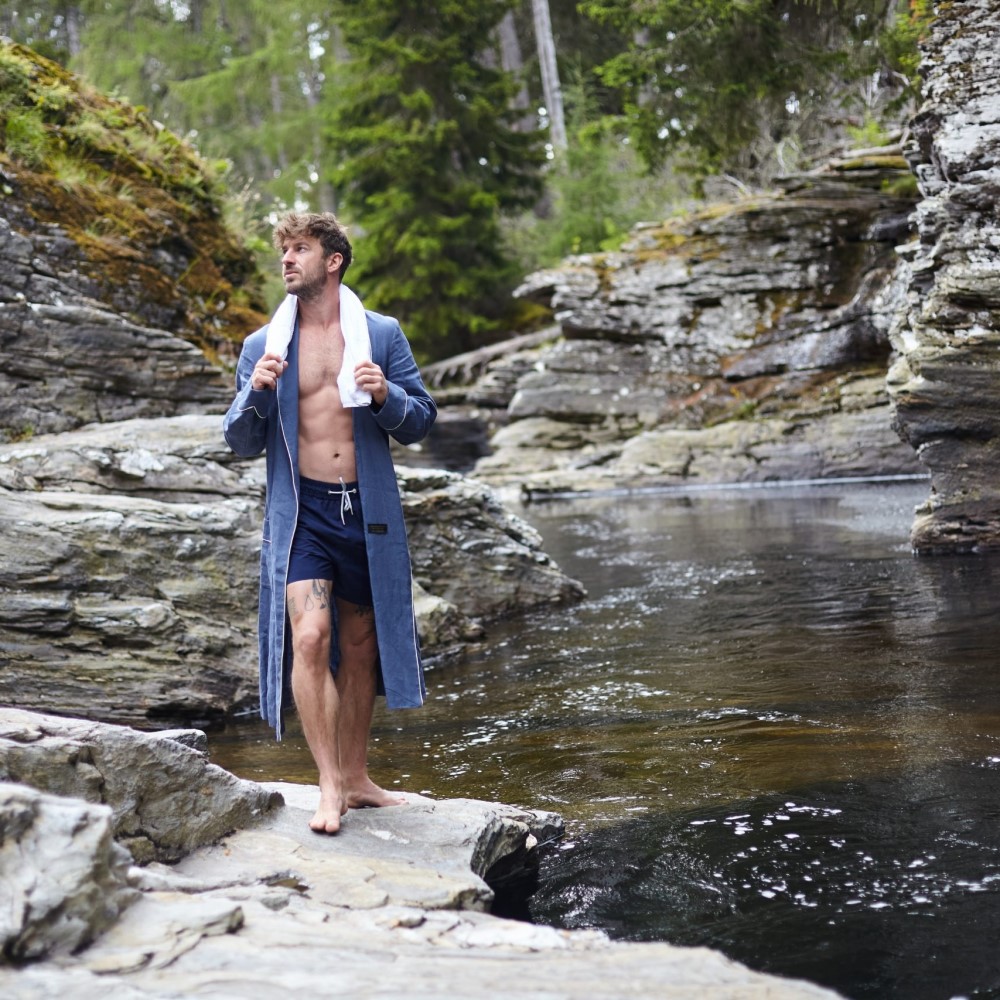
After exiting, have warm clothes ready. Fleece robes or ponchos absorb moisture fast. Insulated flasks with hot tea aid recovery. Keep everything in a waterproof bag near the shore.
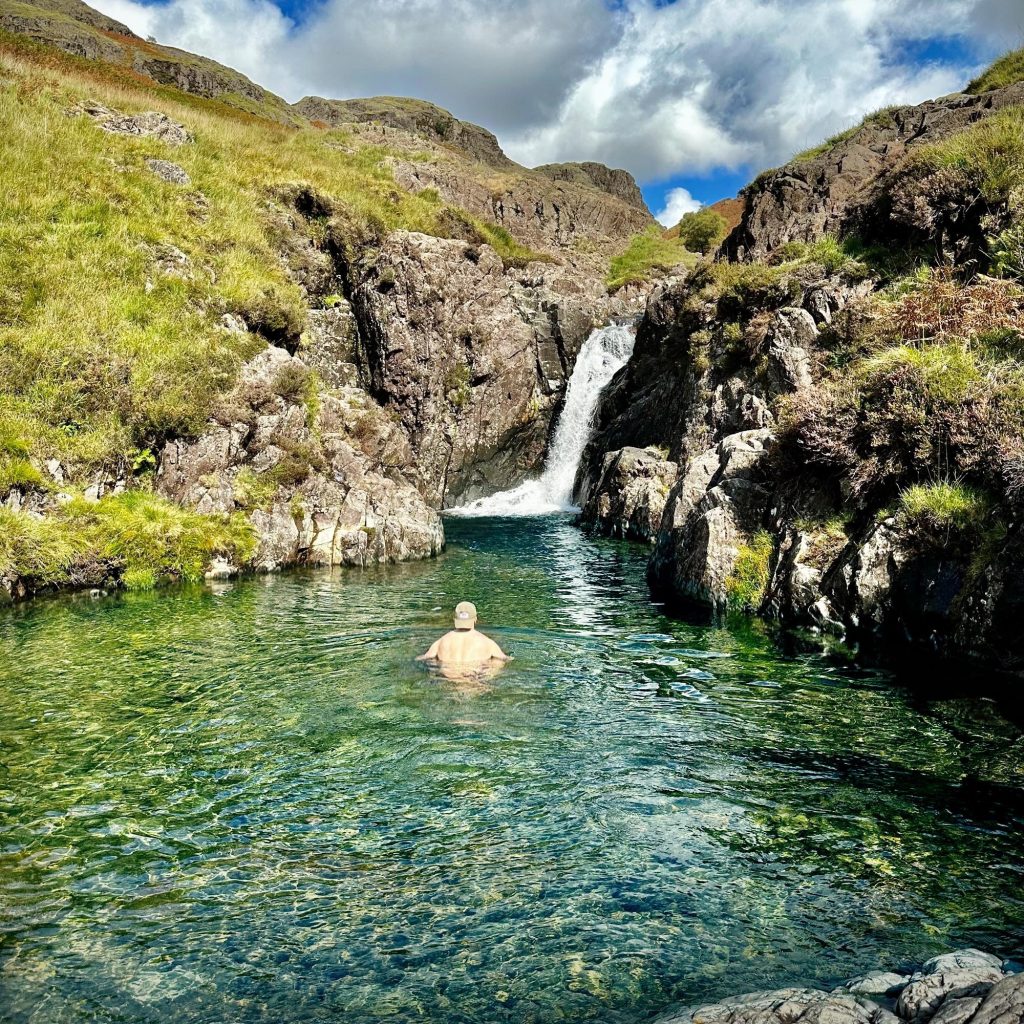 Finding the Best Locations to Swim
Discovering Safe and Scenic Spots Near You
Location plays a big role in the quality of your wild swimming experience. Start by researching local swimming holes. Many countries now list approved freshwater sites online. Look for designated access points and parking areas.
Lakes often provide calm conditions. Choose sheltered bays to avoid wind-driven waves. Early mornings usually offer the smoothest water.
Rivers vary greatly in difficulty. Gentle streams suit beginners. Fast-moving rapids demand expert skill. Always assess current speed before entering. Float test a stick or leaf upstream.
Coastal coves and tidal pools attract sea swimmers. Enter only during slack tide when currents are weakest. Beware of rip currents—they pull swimmers offshore. Learn to spot them by watching wave patterns.
Some forests and parks allow wild swimming in managed ponds. These often have shallow entries and soft bottoms. Families enjoy them during warm months.
Avoid polluted or restricted zones. Farms, factories, and urban runoff can contaminate water. Signs may warn of blue-green algae or high bacteria levels. Heed these warnings strictly.
Mobile apps and community forums help locate new spots. Members share real-time updates on water quality and access. Join local groups to stay informed.
Environmental Responsibility and Leave-No-Trace Ethics
Protecting Nature While Enjoying Its Beauty
Every wild swimmer must be an environmental steward. The growing popularity of wild swimming puts pressure on fragile ecosystems. Litter, noise, and trampling harm wildlife and spoil beauty. Practicing leave-no-trace principles protects these spaces.
Pack out everything you bring in. Carry used tissues, wrappers, and empty bottles. Never bury waste. Animals dig it up. Use public restrooms or portable solutions when available.
Stay on marked paths. Trampling damages plant roots and soil structure. Stick to durable surfaces like rock or gravel. Avoid sensitive marshlands or nesting areas.
Respect animals quietly. Birds, fish, and amphibians live here year-round. Do not chase, feed, or touch wildlife. Observe from a distance. Use binoculars for closer views.
Minimize noise pollution. Loud talking or music disrupts natural quiet. Other visitors seek peace too. Keep voices low and enjoy silence.
Avoid using sunscreen or insect repellent before swimming. Chemicals wash off and poison aquatic life. Wear UPF clothing instead. Use eco-friendly products labeled reef-safe.
Leave rocks, shells, and plants untouched. Removing items alters habitats. Future swimmers should see the same unspoiled scene. Be a guardian, not a taker.
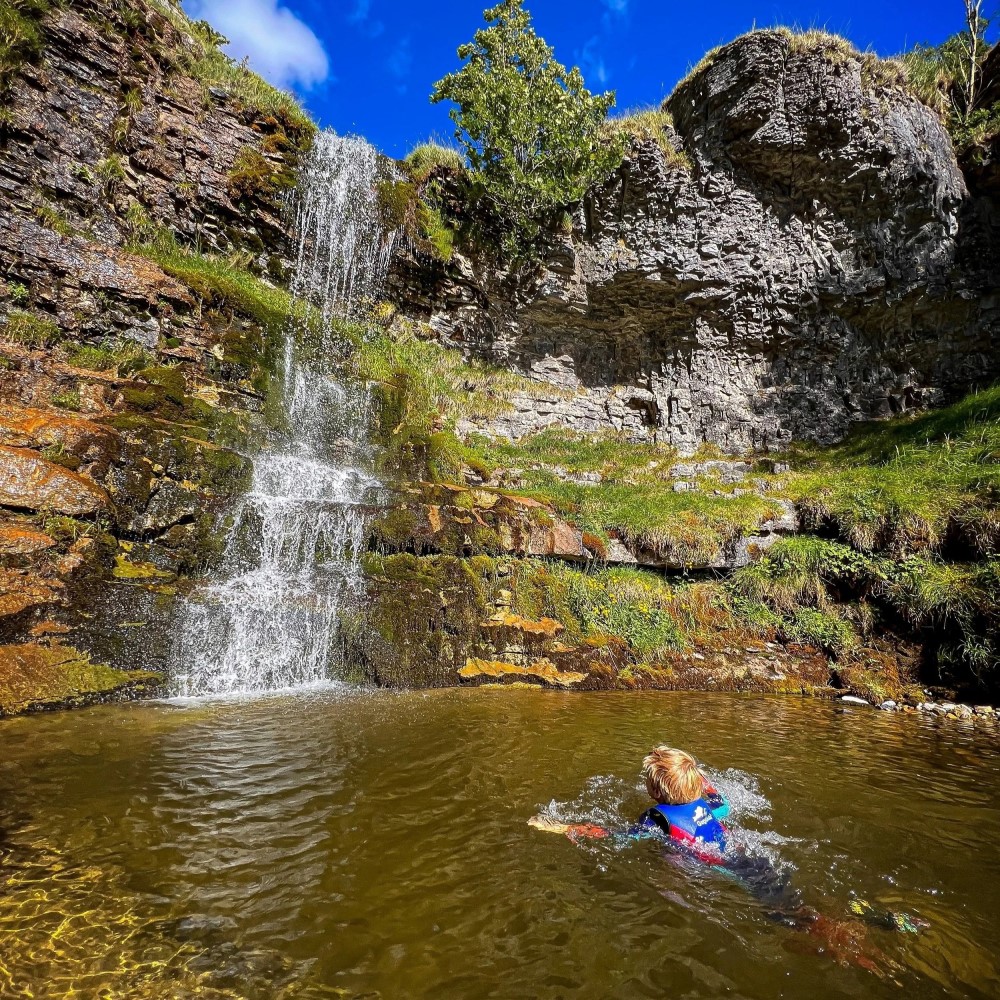 Frequently Asked Questions
Answers to Common Wild Swimming Concerns
Is wild swimming safe for beginners? Yes, if done carefully. Start in calm, shallow water. Go with experienced friends.
Can I get sick from lake water? Possibly. Avoid swallowing water. Stay out after heavy rain. Check local advisories.
How long should my first swim be? One to three minutes is enough. Gradually extend as your body adapts.
Do I need to know how to swim well? Basic skills help. Even confident swimmers face challenges in currents.
Are there age limits? No. Children and seniors swim safely with proper preparation. Adjust duration and location accordingly.
What time of day is best? Mornings are calmer. Water warms slightly by afternoon. Avoid night swimming unless experienced.
Can I swim during pregnancy? Consult your doctor first. Many continue with caution in later stages.
Should I eat before swimming? Eat lightly at least an hour beforehand. Heavy meals cause cramps.
 Final Thoughts on Embracing the Wild Water Lifestyle
Why Wild Swimming Is More Than Just a Workout
Wild swimming is not just a physical activity. It’s a way of reconnecting with nature, listening to your body, and finding stillness in motion. Millions have discovered that a simple dip can transform their outlook. The wild swimming movement continues to grow because it meets deep human needs.
It teaches humility. Nature sets the rules. We adapt or retreat. There’s no control over water temperature or weather. Acceptance becomes a lesson in itself.
Each swim offers a fresh start. Mistakes don’t matter once you’re floating under open sky. The world feels simpler, clearer. Problems shrink in perspective.
With knowledge, respect, and care, anyone can enjoy this practice. The wild swimming journey begins with one brave step into cool, rippling water. Take it—and let the current carry you forward.