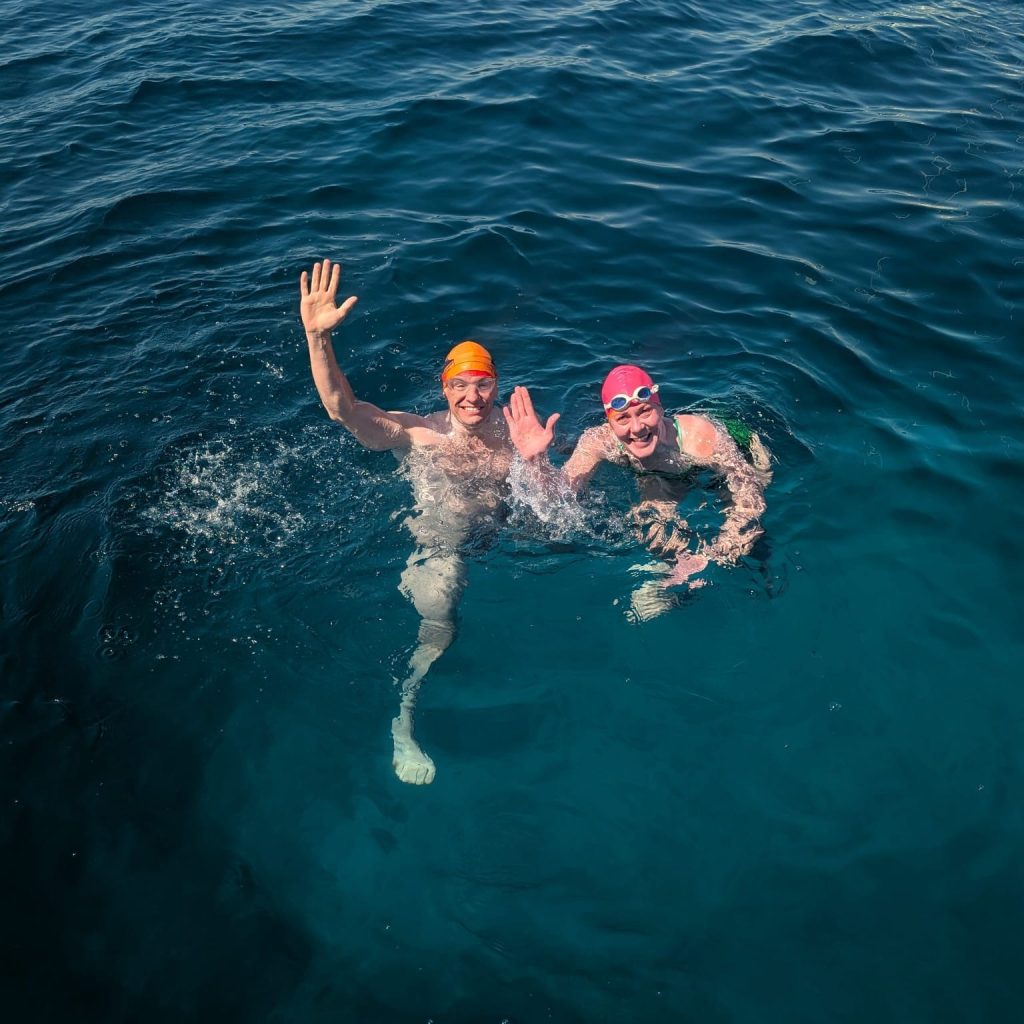
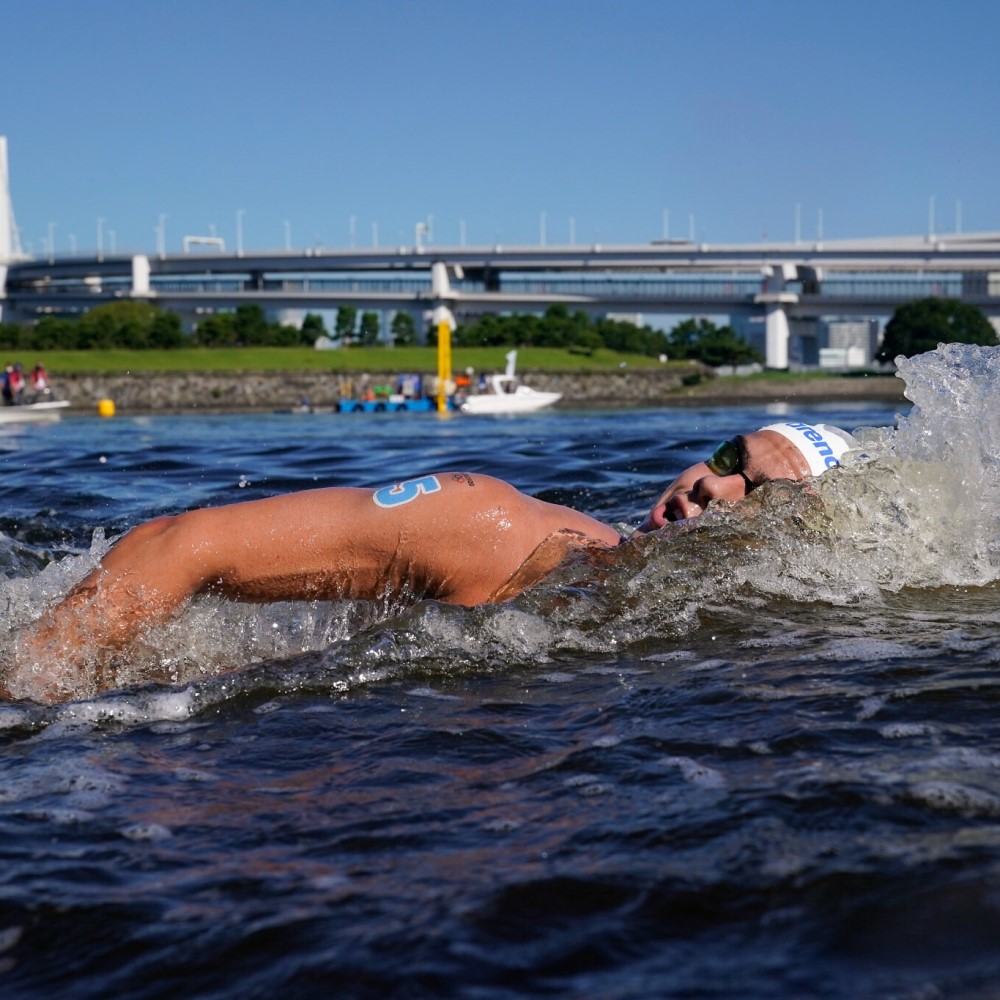
Marathon swimming is a demanding endurance sport that pushes athletes beyond their physical and mental limits. Unlike pool-based events, marathon swimming takes place in open water—lakes, rivers, and oceans—where swimmers must navigate currents, waves, temperature changes, and unpredictable weather. This form of long-distance swimming typically covers distances of 10 kilometers or more, with some races extending over 30 kilometers. As a result, marathon swimming requires not only exceptional stamina but also strategic planning and environmental awareness.
Moreover, the appeal of marathon swimming continues to grow worldwide. Many athletes are drawn to its raw, unfiltered nature. There are no walls to push off, no lane lines to guide, and no breaks allowed. Instead, competitors rely on pacing, nutrition, and mental resilience. In recent years, marathon swimming has gained recognition through inclusion in the Olympic Games. Because of this, more swimmers are now training seriously for open water challenges. Ultimately, marathon swimming is about conquering both distance and self.
 What Defines Marathon Swimming?
The Core Elements of Long-Distance Open Water Events
Marathon swimming is defined by its length, environment, and lack of assistance. Most recognized marathon swims begin at 10K, which is now an official Olympic event. However, true marathon distances often extend much further. Some of the most famous events, like the English Channel crossing, cover around 34 kilometers. Swimmers must complete these without touching any support vessels or receiving physical help during the race.
In addition, marathon swimming occurs entirely in natural bodies of water. Therefore, athletes face cold temperatures, marine life, tides, and wind-driven waves. These conditions make each swim unique and highly unpredictable. For example, a calm morning can quickly turn into a stormy challenge. Because of this, preparation includes studying weather patterns and water behavior. Furthermore, swimmers must train their bodies to handle prolonged exposure to cold. Hypothermia remains a real risk, especially in longer events.
Another key aspect is navigation. Unlike pool swimming, where turns and walls provide orientation, open water demands constant course correction. Swimmers lift their heads periodically to sight landmarks or buoys. Otherwise, they may drift off course and add unnecessary distance. Thus, technique must balance efficiency with awareness. Also, feeding strategies are critical. Athletes consume liquids and gels at planned intervals. Without proper fueling, energy levels drop rapidly. Hence, successful marathon swimming depends on coordination between body, mind, and environment.
Physical and Mental Demands
Building Endurance and Resilience
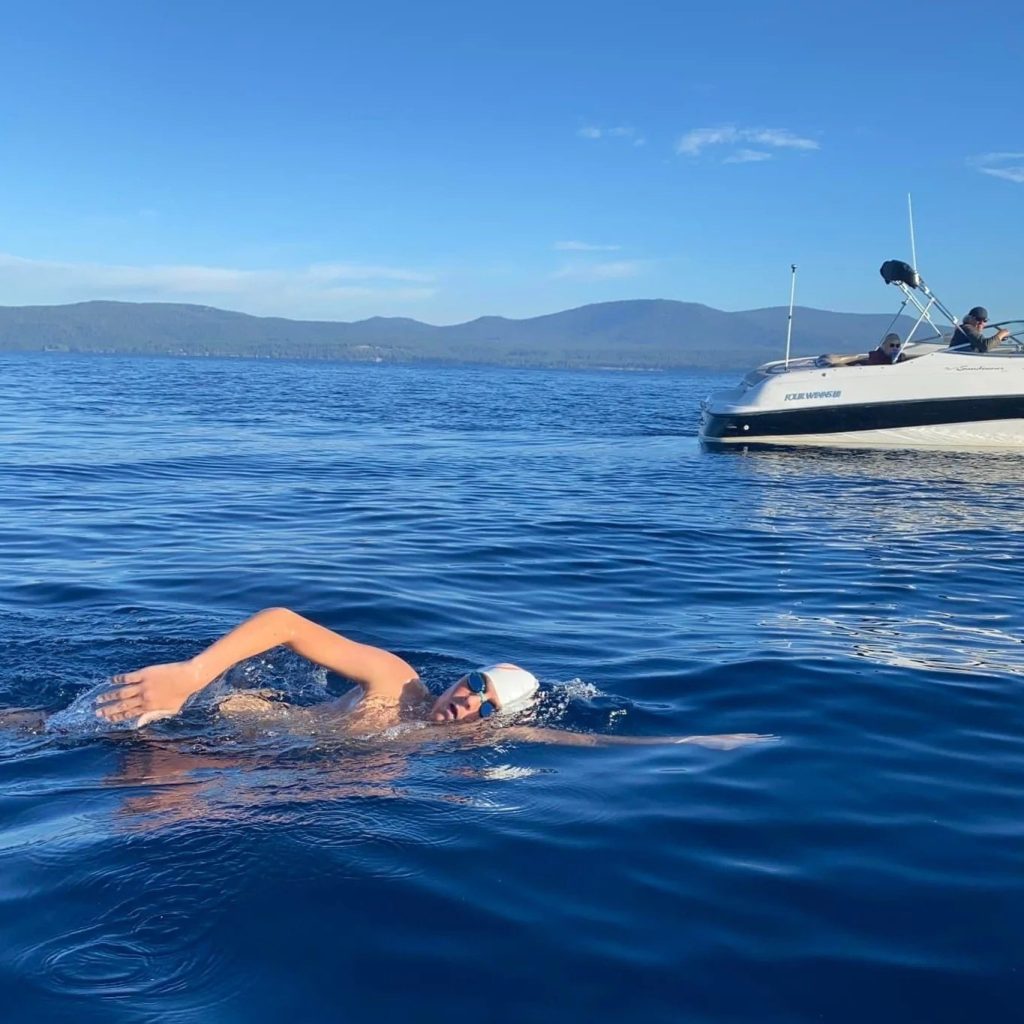
Marathon swimming requires extreme physical conditioning. Swimmers spend months building aerobic capacity through daily training. A typical week may include 50,000 to 70,000 meters of swimming. This volume increases gradually to prevent injury and burnout. Additionally, dryland workouts such as strength training and core exercises support overall performance. Strong shoulders, back, and core muscles help maintain stroke efficiency over many hours.
Equally important is mental toughness. Swimmers often face loneliness, fatigue, and doubt during long events. For instance, halfway through a 12-hour swim, motivation can fade. At that point, internal dialogue becomes crucial. Successful athletes use visualization techniques and positive affirmations. They break the race into smaller segments, focusing only on the next feed or buoy. This method helps manage overwhelming thoughts.
Moreover, sleep deprivation can affect overnight swims. Cognitive function slows, increasing the risk of poor decisions. To counter this, experienced swimmers practice night swimming during training. They also rely on support crews who monitor their condition and offer encouragement. Transition words like “furthermore,” “additionally,” and “therefore” reflect how multiple factors contribute to success. Clearly, marathon swimming is not just about speed—it’s about persistence.
 Training Strategies for Marathon Swimmers
Structuring a High-Volume Workout Plan
Effective training for marathon swimming follows a periodized approach. This means dividing the year into phases: base building, strength development, tapering, and recovery. During the base phase, swimmers focus on accumulating long, steady distances. These sessions improve cardiovascular endurance and teach the body to burn fat efficiently. Gradually, intensity increases with interval sets and pace work.
Additionally, open water sessions are essential. Pool training builds technique, but real progress happens in natural environments. Swimmers practice sighting, drafting behind others, and handling choppy conditions. They also simulate race-day nutrition by consuming feeds while moving. This prevents stomach issues during competition. Therefore, realistic preparation reduces surprises on race day.
Furthermore, rest and recovery play a major role. Overtraining leads to injuries and weakened immunity. Consequently, smart athletes schedule regular rest days and listen to their bodies. They also track progress using swim logs and heart rate monitors. As a result, they adjust plans based on feedback. Finally, consistency matters more than occasional peak performances. With time, small improvements accumulate into significant gains. Thus, marathon swimming rewards patience and discipline.
Nutrition and Hydration
Fueling the Body for Extended Effort
Nutrition is a cornerstone of marathon swimming success. Since races last several hours, swimmers must replenish energy continuously. Most athletes use customized feeding plans with carbohydrates, electrolytes, and sometimes protein. These are delivered in liquid or gel form every 20 to 30 minutes. Drinks are often thickened slightly so they don’t spill when handed from boat to swimmer.
Moreover, personal preferences vary widely. Some swimmers tolerate fruit juices or honey water, while others stick to commercial sports drinks. Testing different options during training helps identify what works best. Gastrointestinal distress is a common problem, especially in cold water. Therefore, avoiding new foods on race day is strongly advised. Additionally, hydration must be balanced—too much water can lead to hyponatremia.
Transitioning from one feed to the next requires timing and coordination. Support crews play a vital role here. They track the swimmer’s position and prepare feeds in advance. Communication ensures smooth handoffs, minimizing disruption. Besides, feeds serve as psychological check-ins. A familiar voice offering encouragement can boost morale instantly. Hence, nutrition isn’t just physical fuel—it’s emotional support too. Overall, proper intake keeps the body functioning and the mind focused.
 Famous Marathon Swimming Routes Around the World
Iconic Challenges That Test Elite Athletes
Certain marathon swimming routes have earned legendary status. Among them, the English Channel stands out as the most prestigious. Crossing from England to France covers approximately 34 kilometers, though tides often extend the actual distance. Swimmers must be certified by organizations like the Channel Swimming Association. They also need approval based on weather and tide conditions.
Similarly, the Catalina Channel off the coast of California presents another major test. It spans about 32 kilometers from Santa Catalina Island to the mainland. Cold water, strong currents, and potential shark encounters make it extremely challenging. Nevertheless, hundreds attempt it each year. Success rates remain relatively low, highlighting the difficulty.
Another notable route is the Manhattan Island Marathon Swim in New York. This 48-kilometer loop circles the island and passes under numerous bridges. Currents shift throughout the day, so timing the start is crucial. Swimmers often choose slack tide periods for optimal flow. Meanwhile, Lake Zurich Swim in Switzerland attracts thousands annually. Though shorter, it still qualifies as marathon swimming due to its mass participation and open water format.
Each of these locations offers unique conditions. Therefore, preparation must be specific to the environment. Swimmers study local rules, water temperature, and historical data. Moreover, completing one of these swims often becomes a lifelong goal. As a result, marathon swimming fosters deep personal achievement.
Safety and Risk Management
Protecting Swimmers in Unpredictable Environments
Safety is a top priority in marathon swimming. Open water presents inherent dangers, including hypothermia, dehydration, jellyfish stings, and boat traffic. To mitigate risks, most organized events require escort boats, safety kayaks, and medical personnel. These teams monitor swimmers closely and intervene if needed. For solo attempts, strict guidelines ensure accountability and emergency readiness.
Furthermore, acclimatization plays a key role. Swimmers spend time adjusting to cold water before attempting long distances. Sudden immersion can trigger shock or cardiac issues. Therefore, gradual exposure helps the body adapt safely. Wetsuits are permitted in some events but banned in others, such as Fédération Internationale de Natation (FINA) competitions. Rules vary depending on the governing body.
In addition, communication systems keep swimmers connected to their crew. Hand signals, whistles, or waterproof radios allow updates on position and condition. Crew members watch for signs of distress, such as irregular stroke patterns or confusion. If necessary, they can pull the swimmer out early. Although finishing is the goal, health always comes first. Thus, responsible planning separates successful marathon swimming from reckless attempts.
 Equipment and Gear
Essential Tools for Performance and Comfort
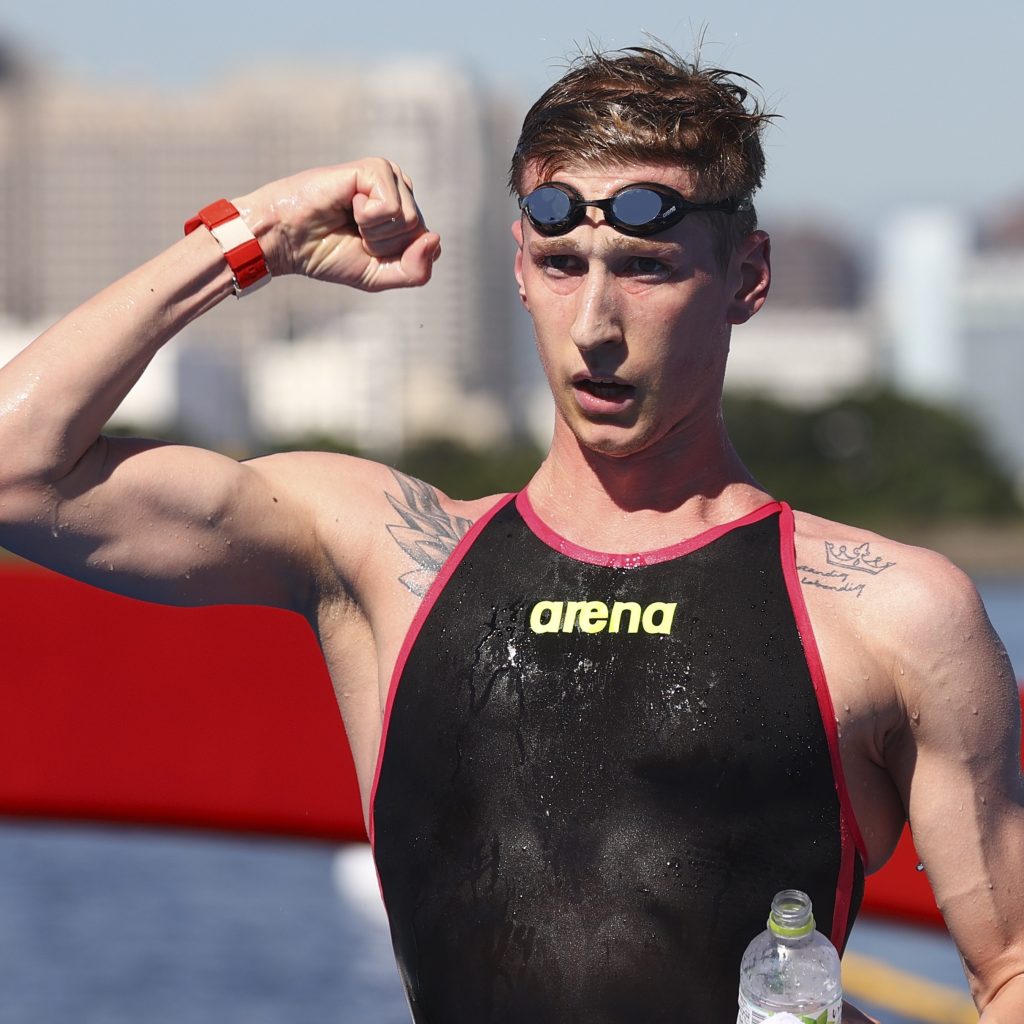
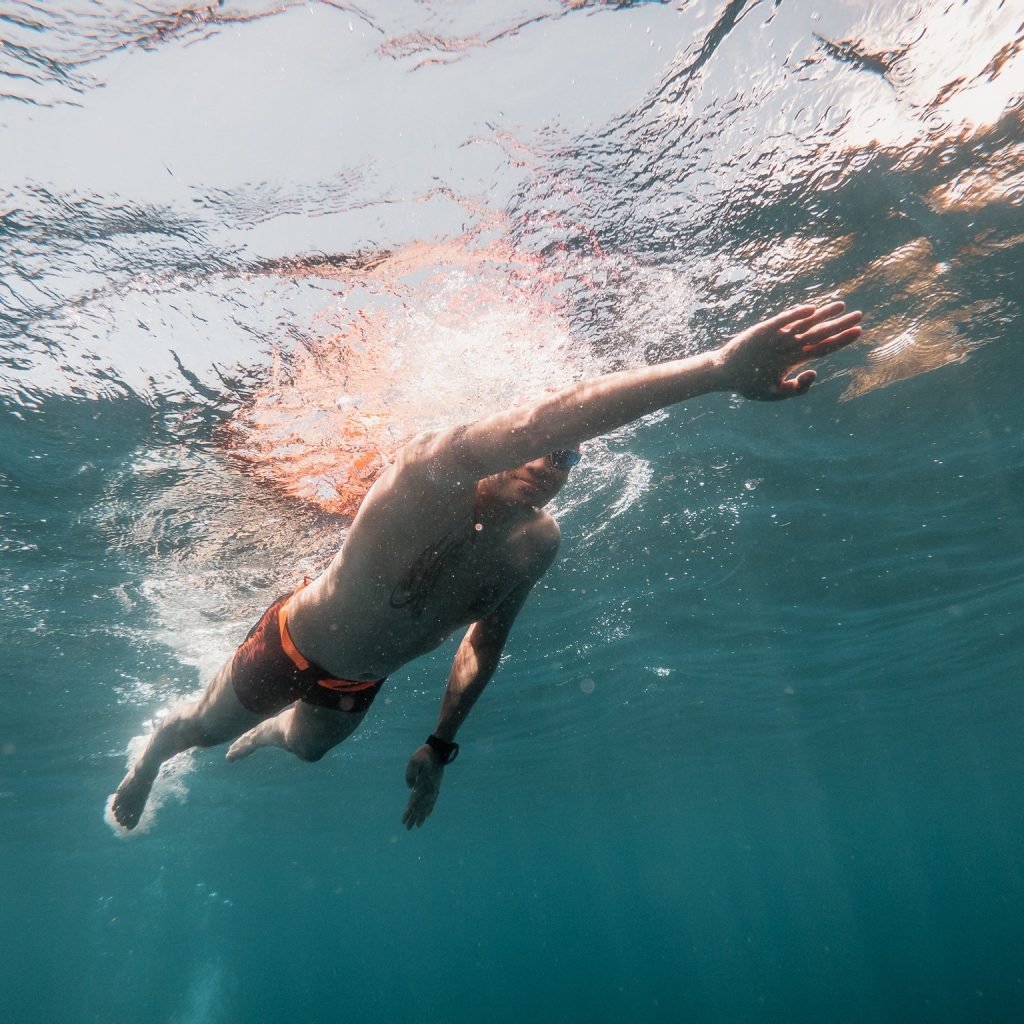
While marathon swimming appears minimalist—just a swimsuit, cap, and goggles—small gear choices have big impacts. Swimsuits are designed for durability and reduced drag. Many elite swimmers use silicone or latex caps layered for warmth. Goggles must resist fogging and fit securely despite hours of wear. Anti-chafing products protect sensitive skin areas, especially around the neck and underarms.
Additionally, escort boats carry all necessary supplies. These include feeds, extra goggles, towels, and emergency equipment. Some swimmers use GPS trackers to monitor pace and location. Others attach lights for visibility during night swims. While no propulsion aids are allowed, legal modifications enhance comfort and safety. For example, tinted goggles help in bright sunlight, and nose clips assist those prone to sinus issues.
Transitioning between gear setups depends on the event. Ocean swims demand saltwater-resistant materials, whereas lake events may require protection against algae or plants. Swimmers test everything during training to avoid malfunctions. A lost goggle mid-race can derail focus and rhythm. Therefore, reliability is non-negotiable. Ultimately, proper gear supports performance without violating competition rules.
Frequently Asked Questions
Common Inquiries from Aspiring Swimmers
Many people wonder how long it takes to complete a marathon swim. Times vary widely based on distance, conditions, and individual fitness. A 10K race might take two hours for elites, while a Channel crossing averages 12 to 16 hours. Weather and currents heavily influence duration. Therefore, predictions are never exact.
Another frequent question is whether sharks are a real threat. In most marathon swimming zones, shark encounters are rare. When they do occur, species are usually non-aggressive. Escort boats and support swimmers help deter potential issues. Still, swimmers remain cautious in known habitats.
People also ask about age limits. There is no universal cutoff. Competitors range from teenagers to those in their 70s. What matters most is preparation and medical clearance. Younger swimmers benefit from recovery speed, while older ones bring experience. With proper training, marathon swimming remains accessible across ages.
Finally, many want to know how to get started. Beginners should join open water clinics, build swim volume gradually, and seek mentorship. Joining a club provides access to group swims and expert advice. Starting with shorter distances builds confidence before attempting full marathons.
Preparing for Your First Marathon Swim
Steps to Build Confidence and Competence
Taking on your first marathon swim is both exciting and intimidating. The journey begins with consistent pool training. Focus on improving stroke technique, breathing rhythm, and flip turns. Once comfortable with 3,000 to 5,000 meters per session, transition to open water. Begin with 1K to 3K swims to adapt to cooler temperatures and limited visibility.
Next, participate in sanctioned events. Shorter open water races help develop navigation and pacing skills. They also introduce you to race protocols like starts, feeding, and safety procedures. After gaining experience, aim for a 10K event. Register early and follow all requirements, including medical checks and registration deadlines.
Meanwhile, assemble a support team. Even in group swims, having someone monitor your progress boosts safety. For longer solo attempts, a dedicated crew becomes essential. Train with them beforehand so everyone knows their role. Practice feed handoffs and communication methods. Lastly, stay patient. Progress takes time. But with dedication, your first marathon swim will become a milestone achievement.
 Conclusion
Marathon swimming captivates athletes seeking ultimate challenges. It combines physical endurance, mental strength, and environmental mastery. Whether crossing icy channels or circling coastal islands, participants embrace discomfort for the sake of accomplishment. Each stroke forward represents perseverance against odds.
Indeed, marathon swimming is not for everyone. Yet those who commit discover profound personal growth. They learn patience, adaptability, and courage. Communities form around shared experiences, creating lasting bonds. Races become stories told for years.
Ultimately, the sport celebrates human potential. From training routines to race-day execution, every detail contributes to success. And while technology and gear evolve, the essence remains unchanged. Marathon swimming tests what we can endure—and reveals what we can achieve.