Maintaining a clean and healthy swimming pool requires more than just regular skimming and vacuuming. One of the most essential steps in proper pool care is using swimming pool shock. This powerful treatment helps eliminate contaminants, restore water clarity, and ensure a safe environment for swimmers. Over time, chlorine combines with organic materials like sweat, oils, and urine to form chloramines, which cause eye irritation and that familiar “chlorine smell.” Shocking your pool breaks down these chloramines and reactivates free chlorine.
Additionally, shocking is especially important after heavy use, rainstorms, or algae outbreaks. As a result, it plays a crucial role in weekly maintenance routines. Whether you own an in-ground or above-ground pool, understanding how and when to apply swimming pool shock can make all the difference. Consequently, this guide will walk you through everything you need to know—from types and benefits to application tips and safety measures.
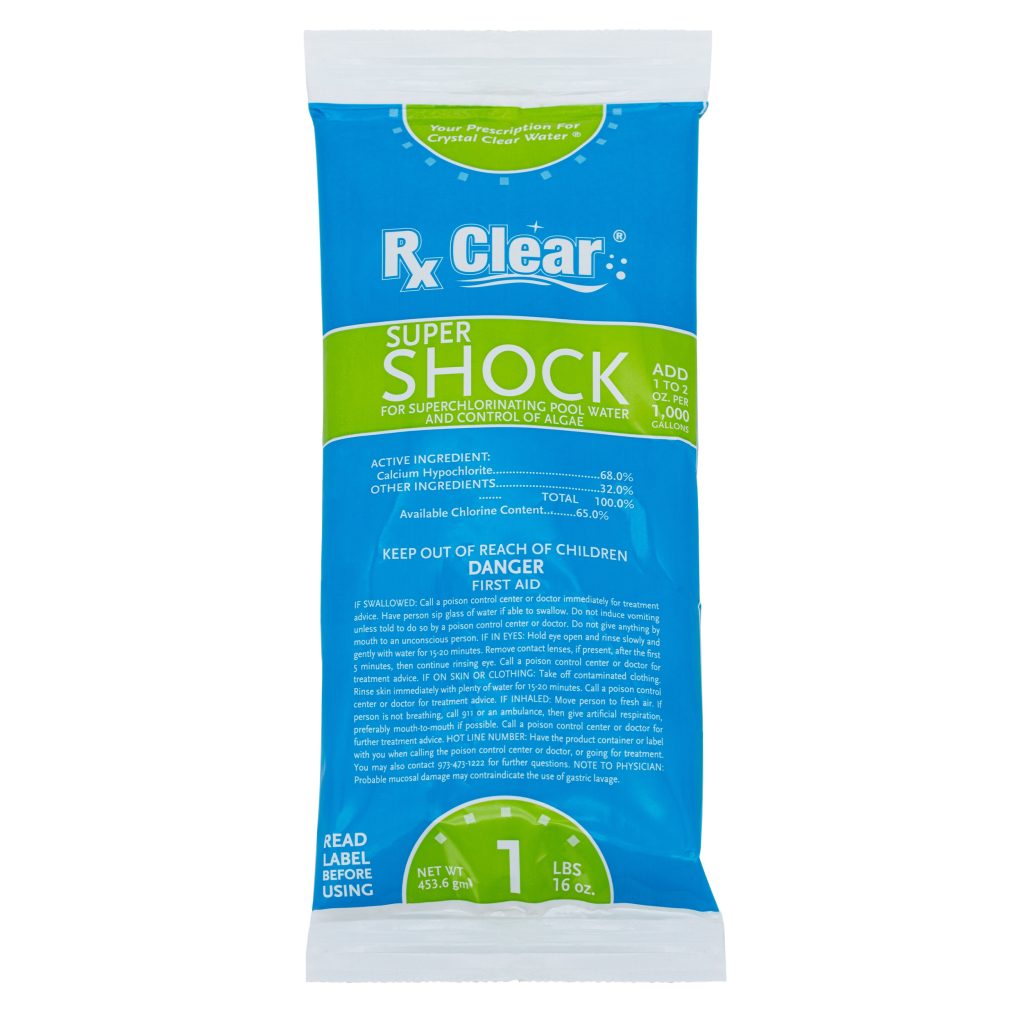 What Is Swimming Pool Shock?
Understanding the Science Behind Pool Shocking
Swimming pool shock is a high-concentration oxidizer added to pool water to destroy built-up contaminants. Most shocks contain either calcium hypochlorite, sodium dichlor, or non-chlorine alternatives like potassium monopersulfate. When introduced into the water, these chemicals rapidly increase the level of active sanitizer. Therefore, they help eliminate bacteria, viruses, and organic debris that normal filtration might miss.
Moreover, shocking breaks apart chloramines, which are responsible for red eyes and strong chemical odors. Without regular shocking, these compounds accumulate and reduce chlorine efficiency. As a result, even pools with adequate chlorine levels can still harbor harmful microbes. Because of this, routine shocking ensures chlorine remains effective. In addition, it clears cloudy water quickly after storms or parties. Thus, it restores sparkle and sanitation within hours.
Another key point is timing—shocking should always be done in the evening. Sunlight degrades chlorine rapidly, so nighttime application maximizes effectiveness. Furthermore, most manufacturers recommend running the pump for at least 8 hours afterward. This circulation spreads the shock evenly and prevents localized bleaching. Overall, consistent use leads to better water quality and fewer long-term problems.
Why Regular Pool Shocking Matters
Preventing Algae Growth and Maintaining Sanitation
Regularly applying swimming pool shock is one of the best defenses against algae blooms. Algae spores enter pools through wind, rain, or contaminated swimwear. Once established, they multiply quickly under warm, sunny conditions. However, shocking disrupts their growth cycle before visible colonies appear. Therefore, weekly treatments act as a preventive measure rather than just a fix.
In addition, shocked water has higher oxidation reduction potential (ORP), meaning it kills pathogens faster. This increased sanitizing power protects swimmers from illnesses caused by E. coli, cryptosporidium, and other waterborne threats. Also, public health codes often require commercial pools to maintain certain ORP levels. Hence, consistent shocking supports compliance and safety standards.
Besides health concerns, unshocked pools suffer from cloudy water and slippery surfaces. These issues arise due to biofilm buildup on walls and floors. Biofilms are slimy layers formed by microorganisms that resist normal chlorine levels. Yet, shock treatments penetrate and destroy them effectively. Consequently, surfaces stay cleaner and easier to maintain.
Finally, skipping shock treatments leads to higher long-term costs. Stains, filter clogs, and equipment damage become more likely without proper oxidation. On the other hand, routine shocking reduces wear on pumps and heaters. Ultimately, investing time and product now saves money and effort later.
 Types of Pool Shock Available Today
Comparing Chlorinated vs. Non-Chlorine Options
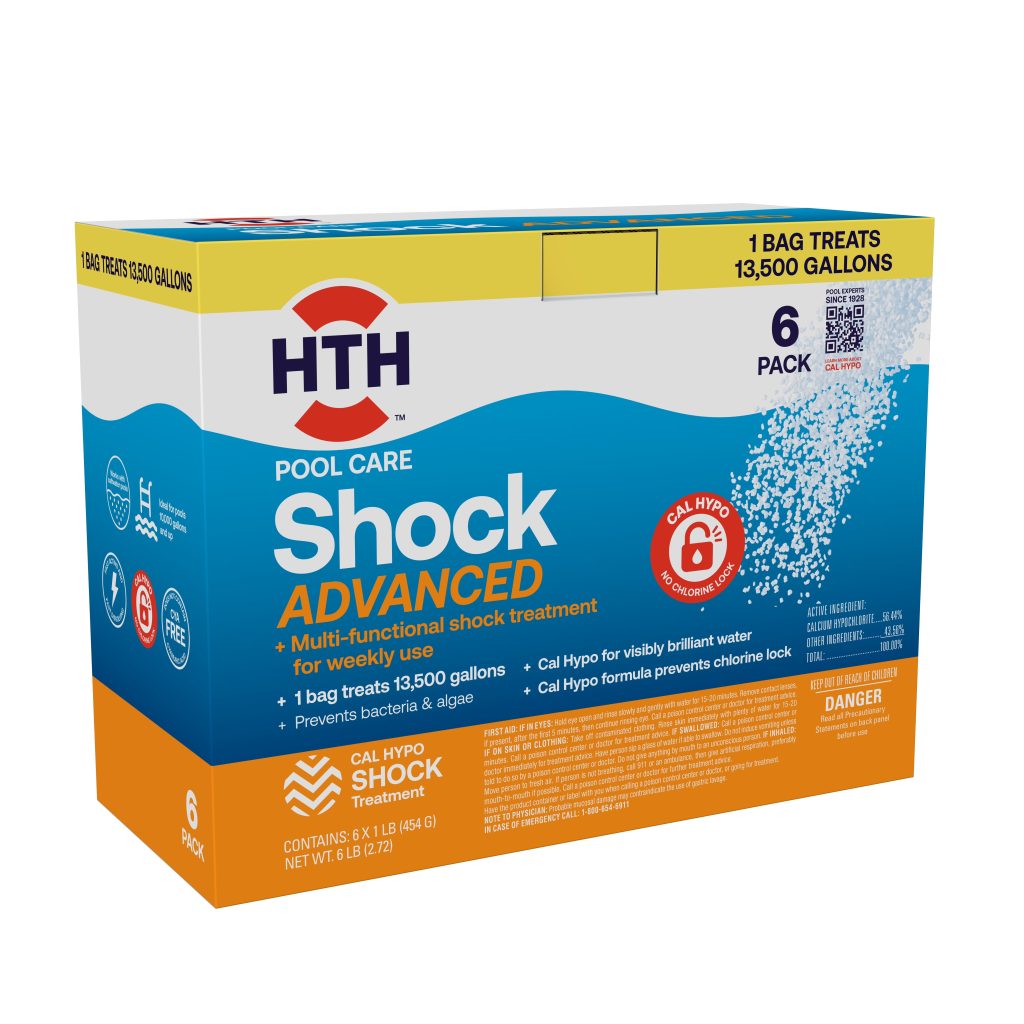
There are several types of swimming pool shock, each suited to different situations and pool systems. The most common category is chlorinated shock, which includes calcium hypochlorite (cal-hypo) and sodium dichlor. Cal-hypo delivers a fast, powerful dose of chlorine and works well for routine maintenance. However, it raises calcium hardness over time, so it’s not ideal for hard water areas.
Sodium dichlor is stabilized with cyanuric acid, making it less affected by sunlight. Thus, it’s useful for outdoor pools exposed to direct sun. Still, repeated use increases cyanuric acid levels, which can lock up chlorine if too high. For this reason, testing stabilizer levels regularly is important.
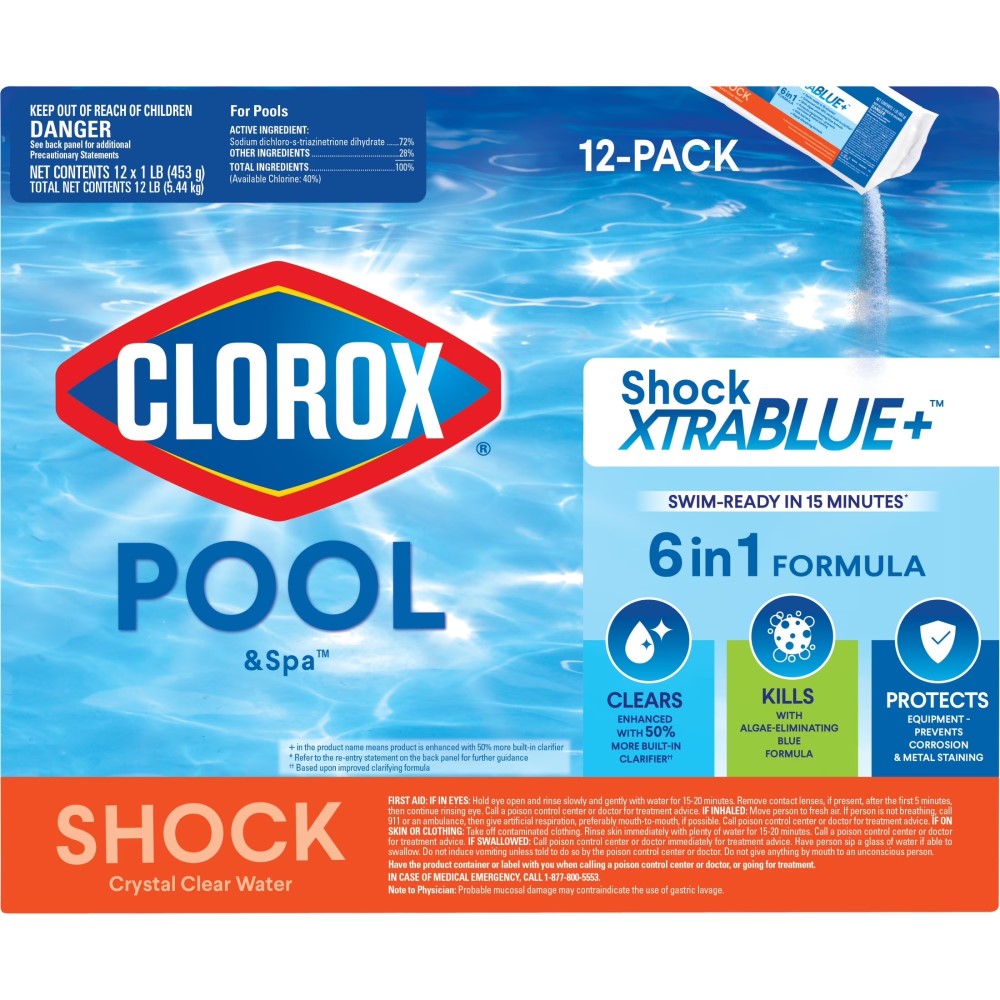
On the other hand, non-chlorine shock uses potassium monopersulfate (MPS). It doesn’t add chlorine but instead oxidizes contaminants quickly. As a result, swimmers can re-enter the pool within 15 minutes. This makes MPS perfect for post-party cleanup or quick refreshes. However, it does not kill algae or raise free chlorine, so it cannot replace chlorinated shock entirely.
Choosing the right type depends on your pool’s chemistry, usage patterns, and schedule. Some owners alternate between chlorinated and non-chlorine shocks for balanced results. Either way, reading labels carefully ensures compatibility with your system.
How to Properly Apply Pool Shock
Step-by-Step Instructions for Safe and Effective Use
Applying swimming pool shock correctly ensures maximum effectiveness and safety. First, test your water to check pH, alkalinity, and chlorine levels. Ideally, pH should be between 7.2 and 7.6 before shocking. If it’s too high or low, adjust it first—otherwise, the shock won’t work efficiently.
Next, turn on the pool pump to ensure good circulation during treatment. Then, prepare the shock according to package instructions. Most dry shocks must be pre-dissolved in a bucket of water before pouring around the pool edges. Never pour undissolved granules directly into the water—it can damage liners or plaster finishes.
After mixing, walk around the perimeter and pour the solution slowly. Avoid splashing, and keep hands away from concentrated powder. Wear gloves and goggles throughout the process. Once applied, let the pump run overnight to distribute the chemicals evenly.
Wait at least 8 hours—or until chlorine drops below 5 ppm—before swimming. Test again to confirm safety. Finally, record the date and dosage used for future reference. Following these steps consistently leads to clearer, healthier water every time.
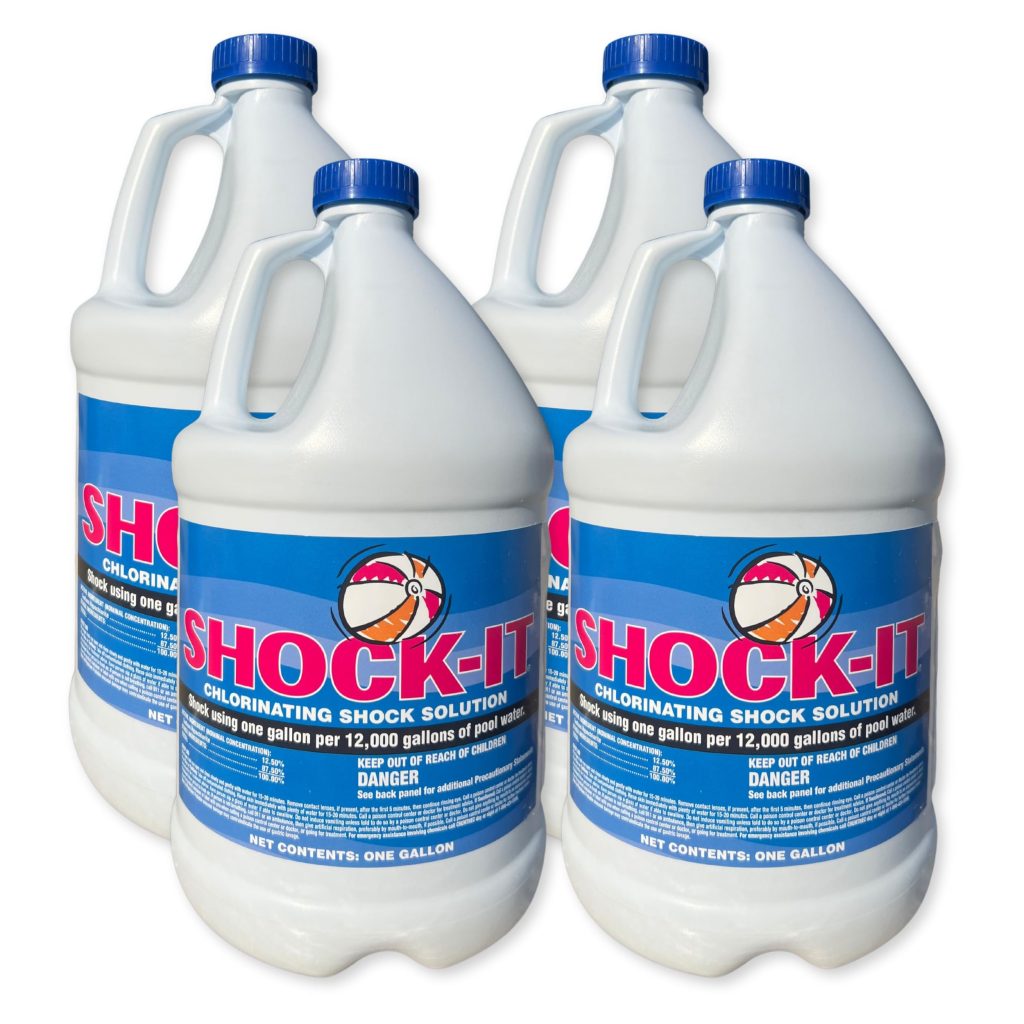 Signs Your Pool Needs Immediate Shocking
Recognizing Warning Signals Before Problems Worsen
Even with regular maintenance, there are clear signs that your pool needs immediate shocking. One major indicator is cloudy or hazy water. While poor filtration may contribute, cloudiness often stems from excess organic waste. Shocking clears it fast by oxidizing suspended particles.
Another red flag is a strong chlorine odor. Ironically, this smell means there’s not enough free chlorine—just lots of chloramines. These irritants cause burning eyes and skin discomfort. By shocking, you break them down and restore fresh sanitizing power.
Visible algae spots are another urgent signal. Green, yellow, or black patches on walls or steps mean contamination is spreading. Left untreated, algae can clog filters and stain surfaces permanently. Immediate super-chlorination stops growth and removes existing colonies.
Also, consider recent events. Heavy rainfall introduces dirt and microbes. Large gatherings increase bather load dramatically. After any such incident, proactive shocking prevents bigger issues. Likewise, if someone gets sick after swimming, sanitize immediately. Acting early keeps minor issues from becoming major repairs.
Best Practices for Timing and Frequency
Creating a Sustainable Shocking Schedule
Establishing a consistent schedule is key to maintaining optimal water quality. Most experts recommend shocking once per week during peak season. This routine prevents contaminant buildup before it becomes visible. However, frequency may vary based on usage, weather, and location.
For example, pools used daily by families or guests benefit from bi-weekly shocking. Similarly, outdoor pools exposed to trees or pollen may need extra treatments. Rainfall washes pollutants into the water, so shocking after storms is wise. Even indoor pools aren’t immune—body oils and lotions still accumulate over time.
Timing also matters greatly. Always shock in the evening after sunset. UV rays degrade chlorine rapidly, reducing its potency. Nighttime application allows full-strength contact with contaminants. Moreover, letting the pump run overnight ensures thorough mixing.
Avoid shocking during extreme heat or drought unless necessary. High evaporation rates can concentrate chemicals unevenly. Instead, aim for cooler evenings when possible. Also, never mix different types of shock in the same session—it can create dangerous reactions.
Ultimately, consistency beats intensity. Frequent light shocks outperform rare heavy doses. A predictable rhythm keeps water stable and reduces stress on both equipment and swimmers.
 Safety Tips When Handling Pool Shock
Protecting Yourself and Your Equipment
Handling swimming pool shock safely protects both users and pool components. Always wear protective gear—chemical-resistant gloves, goggles, and closed-toe shoes. Direct contact with dry shock can burn skin or damage eyes. Inhaling dust may irritate lungs, so work in a well-ventilated area.
Store shock in a cool, dry place away from sunlight and moisture. Heat and humidity can destabilize chemicals, increasing fire or explosion risks. Keep containers tightly sealed and separate from acids, fertilizers, or fuel. Mixing shock with other substances creates toxic gases or violent reactions.
When dissolving shock, always add powder to water—not water to powder. Reversing this order causes rapid heat release and possible splattering. Use a clean plastic bucket; metal containers react with chlorine and degrade over time.
Never exceed recommended dosages. Over-shocking wastes product and harms liners, grout, and metal fixtures. Excess chlorine also damages swimsuits and float toys. Follow label directions precisely for your pool size.
Finally, keep children and pets away during application. Wait until chlorine levels normalize before allowing re-entry. Taking these precautions ensures every shocking session is effective and accident-free.
Frequently Asked Questions About Pool Shock
Common Concerns Answered Clearly
Can I swim immediately after shocking my pool? No, wait at least 8 hours or until chlorine levels drop below 5 ppm. Chlorinated shocks require longer wait times than non-chlorine versions.
How much shock should I use? Follow product guidelines based on your pool volume. Typically, one pound treats 10,000 gallons, but concentrations vary.
Will shock damage my pool surface? Not if used properly. Avoid dumping dry granules directly—they can bleach vinyl or etch plaster.
Can I shock a saltwater pool? Yes, salt pools still need occasional shocking despite generating chlorine. Super-chlorination handles surges in demand.
Does shock raise pH? Some types do—calcium hypochloric tends to increase pH slightly. Test afterward and adjust if needed.
Is non-chlorine shock enough on its own? It oxidizes well but doesn’t disinfect. Use it alongside regular chlorine for full protection.
Can I shock during the day? It’s less effective due to UV degradation. Evening application delivers better results.
What happens if I forget to shock? Contaminants build up, leading to cloudiness, odors, and potential algae. Resume promptly to correct imbalance.
 Final Thoughts on Maintaining a Healthy Pool
Building Long-Term Success Through Routine Care
Keeping your pool in top condition doesn’t happen by accident. It takes deliberate action, and swimming pool shock is a cornerstone of that effort. From eliminating hidden contaminants to preventing algae outbreaks, its role is irreplaceable. With the right knowledge, anyone can master this simple yet powerful step.
Consistency, safety, and timing define successful pool ownership. Choose the appropriate shock type, apply it correctly, and follow a smart schedule. Watch for warning signs and respond quickly when needed. Above all, prioritize prevention over correction.
Over time, regular shocking reduces maintenance headaches and extends equipment life. Water stays inviting, surfaces remain clean, and swimmers enjoy a safer experience. Whether you’re new to pool care or refining your routine, integrating proper shocking practices brings lasting rewards. Make swimming pool shock part of your standard protocol—and enjoy crystal-clear results all season long.