Swimming is one of the most rewarding full-body exercises. It builds strength, improves heart health, and boosts mental well-being. Whether you’re just starting or looking to refine your technique, practical swimming tips can make a big difference. These guidelines help swimmers stay safe, swim efficiently, and enjoy their time in the water.
Moreover, good habits lead to better results. Proper form reduces fatigue. Smart preparation prevents injury. Confidence grows with each small success. Therefore, learning effective swimming tips should be a top priority for anyone entering the pool.
 Getting Started with Basic Swimming Skills
Building Confidence in the Water
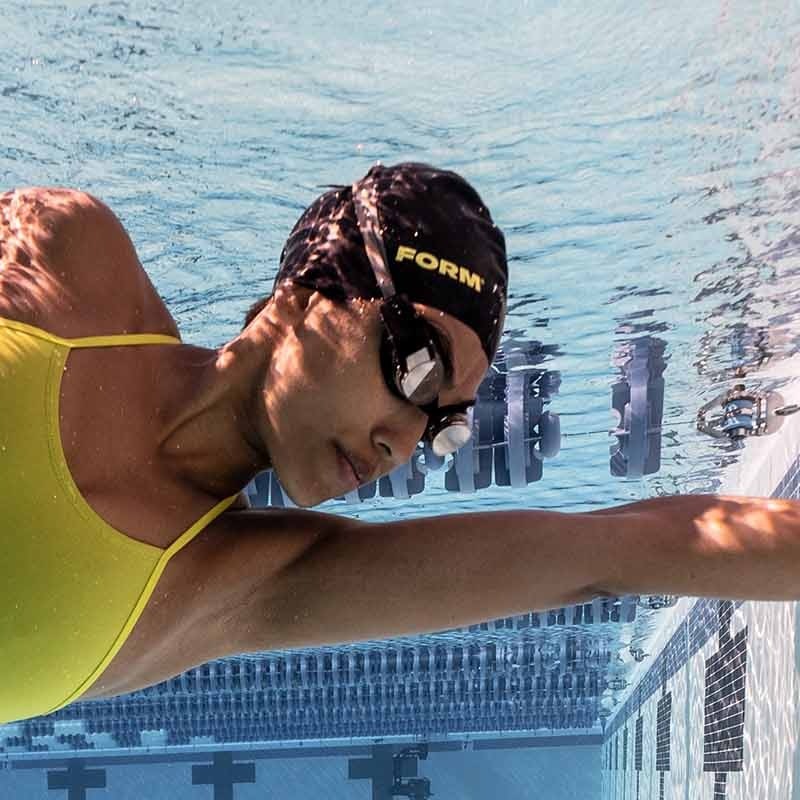
For beginners, getting comfortable in water is the first step. Many new swimmers feel nervous at first. This is normal. Start by standing in shallow water. Let the water reach your waist or chest. Breathe slowly and relax your shoulders.
Next, practice putting your face in the water. Hold onto the wall and gently lower your forehead. Blow bubbles through your nose or mouth. This helps you get used to being submerged.
After that, try floating. Lie back with arms out and legs straight. Let the water support your body. Trusting buoyancy takes time. Use a kickboard or noodle for extra support.
Then, work on gliding. Push off the wall with both feet. Keep your body straight and hands together. Glide as far as possible before standing. Repeat this motion often.
Kicking comes next. Use a board to hold in front. Move your legs from the hips, not the knees. Keep kicks small and fast. Avoid splashing too much.
Arm movements follow. Practice in shallow water. Sweep arms forward and pull back smoothly. Coordinate breathing with arm strokes.
Finally, combine all parts. Start with short distances. Focus on rhythm and balance. Progress gradually. With these swimming tips, even nervous beginners gain confidence quickly.
Mastering Proper Breathing Techniques
How to Breathe Without Panicking
Breathing correctly is one of the most important swimming tips. Many swimmers struggle because they hold their breath. This creates tension and shortens endurance. Instead, breathe steadily and rhythmically.
Exhale underwater through your nose or mouth. Do this as soon as your face goes in. Empty your lungs before turning to inhale. This prevents gasping at the surface.
Inhale quickly when your mouth clears the water. Turn your head slightly to the side during freestyle. Don’t lift it—this throws off balance. Time the breath with your arm stroke.
Practice bilateral breathing. Breathe every three strokes. Alternate sides regularly. This keeps your stroke symmetrical and balanced.
Use a snorkel if available. It lets you focus on form without worrying about air. However, don’t rely on it too long. You still need to master natural breathing.
If you feel out of breath, slow down. Stop and float on your back. Catch your breath before continuing. Panic only makes things worse.
Children may need extra help. Teach them to blow bubbles first. Then add quick sips of air. Make it fun with games like “bubble contests.”
Over time, breathing becomes automatic. Like walking, it requires no thought. With consistent practice, these swimming tips become second nature.
 Perfecting Body Position and Streamlining
Reducing Drag for Faster Movement
Good body position improves speed and saves energy. A streamlined shape cuts through water easily. Poor posture creates drag and slows you down. That’s why this is one of the top swimming tips for efficiency.
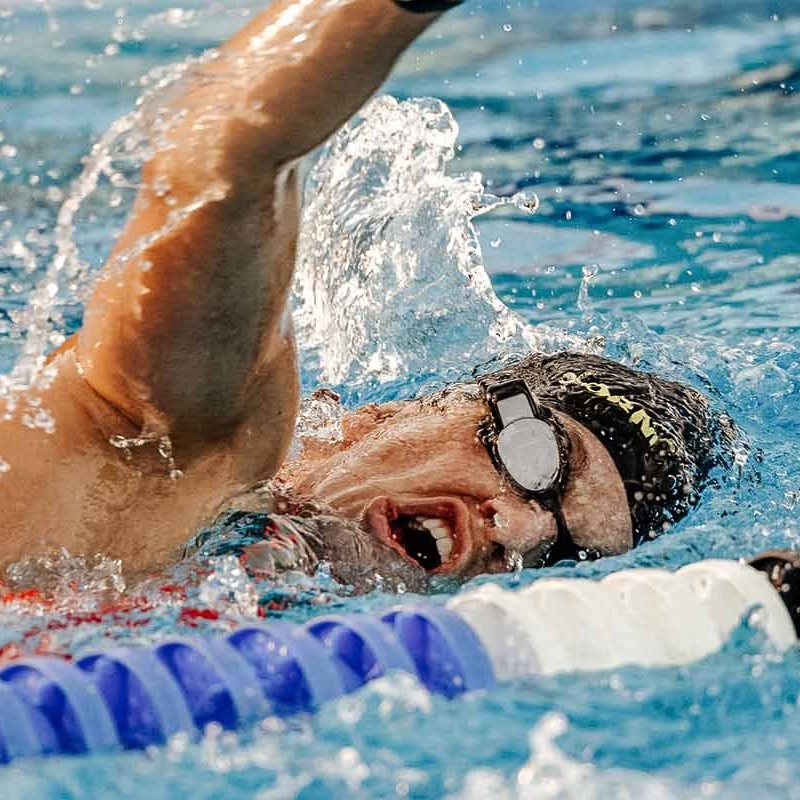
Keep your head in line with your spine. Look down, not forward. Raising your head lifts your hips and causes sinking. This increases resistance.
Your hips should stay near the surface. Imagine a straight line from head to toes. Any bend breaks the flow. Engage your core slightly to maintain alignment.
Point your toes at all times. Floppy feet create drag. Even small details matter in the water. Every part of your body affects movement.
When gliding, stretch your arms fully. Hands should overlap slightly. Fingers stay close together. This forms a clean entry point.
During strokes, recover arms high and smooth. Avoid slapping the water. Enter with fingertips first. This reduces splash and noise.
Streamline after each turn. Tuck your chin and press arms tight. Push hard off the wall. Maintain the position until you start kicking.
Use drills to build muscle memory. Try kicking on your back with arms at your sides. Or swim with a pull buoy between your legs. These isolate upper body form.
With regular attention, your body learns the right shape. As a result, swimming feels easier and faster. These swimming tips boost performance naturally.
Choosing the Right Gear and Swimwear
Equipment That Enhances Performance
Having the correct gear supports comfort and safety. The right tools also improve learning and efficiency. That’s why smart choices matter among swimming tips.
Start with a proper swimsuit. Men should wear jammers or briefs. Women do best in one-piece suits. Avoid loose clothing—it creates drag. Swim-specific fabrics last longer and fit better.
Goggles are essential. They protect eyes and improve vision. Choose anti-fog lenses with a snug silicone seal. Test the fit before buying. They shouldn’t pinch or leak.
A swim cap keeps hair out of your face. Silicone or latex options work well. Caps also reduce drag and protect hair from chlorine. Long-haired swimmers benefit most.
Fins help develop leg strength and kick timing. Short-blade fins are best for training. They increase propulsion without straining joints. Use them in moderation.
Kickboards assist with leg workouts. They allow focused kicking drills. Hold the board with straight arms. Keep your head down and body flat.
Pull buoys go between the thighs. They stop leg use and force upper body focus. Great for improving arm technique. Add paddles later for strength.
Earplugs prevent water from entering ears. Some swimmers are prone to infections. Soft silicone types block moisture safely. Custom molds offer the best fit.
Nose clips help with flip turns or deep dives. Not everyone needs them. But they can reduce discomfort for some. Try different styles to see what works.
Each item serves a purpose. Pick based on your goals and skill level. These swimming tips ensure you train smarter.
 Staying Safe While Swimming
Preventing Accidents and Emergencies
Safety must always come first. Even strong swimmers face risks. Following key swimming tips protects you and others.
Never swim alone. Always have a buddy nearby. If something goes wrong, help is close. Children need adult supervision at all times.
Know your limits. Don’t push beyond your ability. Fatigue leads to poor decisions. Take breaks often, especially in open water.
Check water conditions before entering. Look for currents, waves, or pollution signs. Follow posted warnings at beaches or pools. Ask lifeguards for advice.
Avoid diving into shallow areas. Head and neck injuries are serious. Only dive where depth is clearly marked. Never jump blindly.
Stay hydrated. You sweat in water but don’t feel it. Drink water before and after swimming. Especially during long sessions.
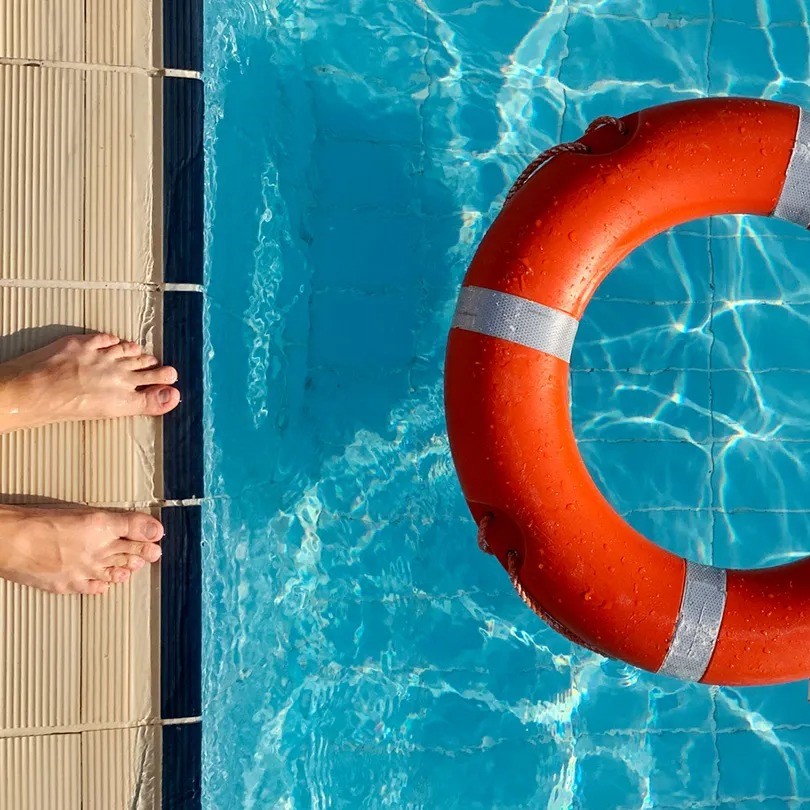
Learn basic rescue skills. Know how to throw a rope or extend a pole. Avoid going in unless trained in CPR. Call for help immediately.
Watch for cramps. Stretch before and after swimming. If a cramp hits, float and massage the muscle. Signal for help if needed.
Use sunscreen even on cloudy days. UV rays reflect off water. Apply water-resistant SPF 30+ 15 minutes before swimming. Reapply after drying off.
Teach kids pool rules early. No running, pushing, or holding breath too long. Supervise closely even in shallow ends.
These swimming tips save lives. Make safety a habit, not an afterthought.
Improving Endurance and Speed
Training Strategies for Better Results
Building stamina takes time and consistency. Fast progress comes from smart planning. These swimming tips help you swim longer and stronger.
Start with short sets. Swim 4 x 25 meters with rest in between. Gradually increase distance. Add more rounds over weeks.
Use interval training. Alternate fast and slow laps. For example, sprint 50 meters, then recover for 30 seconds. Repeat five times. This builds cardiovascular fitness.
Track your time. Use a waterproof watch or app. Record lap speeds weekly. Small improvements motivate continued effort.
Add variety to your routine. Mix strokes like freestyle, backstroke, and breaststroke. Each works different muscles. This prevents overuse injuries.
Increase kick and pull drills. Kick with a board for 20–30 meters. Then swim using only arms with a buoy. This isolates and strengthens key areas.
Practice negative splits. Swim the second half faster than the first. This teaches pacing and control. It builds race-day strategy.
Rest days are important. Muscles grow during recovery. Overtraining leads to burnout. Take one or two days off per week.
Fuel your body properly. Eat balanced meals with carbs, protein, and healthy fats. Hydrate throughout the day. Snack on fruit or yogurt post-swim.
Join a group or club. Group practices keep you accountable. Coaches give feedback. Friendly competition pushes performance.
With patience and these swimming tips, endurance grows steadily.
 Frequently Asked Questions
Common Concerns From New Swimmers
How often should I swim? Aim for 3–5 times per week. Start with shorter sessions. Increase duration as fitness improves.
Can I swim with a cold? Mild symptoms may allow light swimming. Fever or chest congestion means rest. Wait until fully recovered.
Do I need lessons? Yes, especially as a beginner. Instructors correct mistakes early. Lessons build confidence and safety.
How long until I see results? Most notice changes in 4–6 weeks. Consistent training brings visible progress. Stay patient and committed.
What if I’m afraid of water? Take it slow. Work with a trusted teacher. Practice in shallow areas. Use flotation aids if needed.
Should I eat before swimming? Light snacks are fine. Bananas or toast work well. Avoid heavy meals within one hour.
Is swimming good for weight loss? Yes. It burns calories and builds muscle. Combine with diet for best results.
Can older adults swim safely? Absolutely. Low impact protects joints. Many seniors enjoy lifelong benefits. Consult a doctor first if needed.
 Summary
Making Every Stroke Count
To conclude, applying solid swimming tips transforms your experience. From safety to speed, each guideline adds value. Whether you swim for fitness, fun, or competition, smart habits lead to success.
Learning never stops. Even experienced swimmers find room to grow. By following these swimming tips, you stay safe, efficient, and motivated.