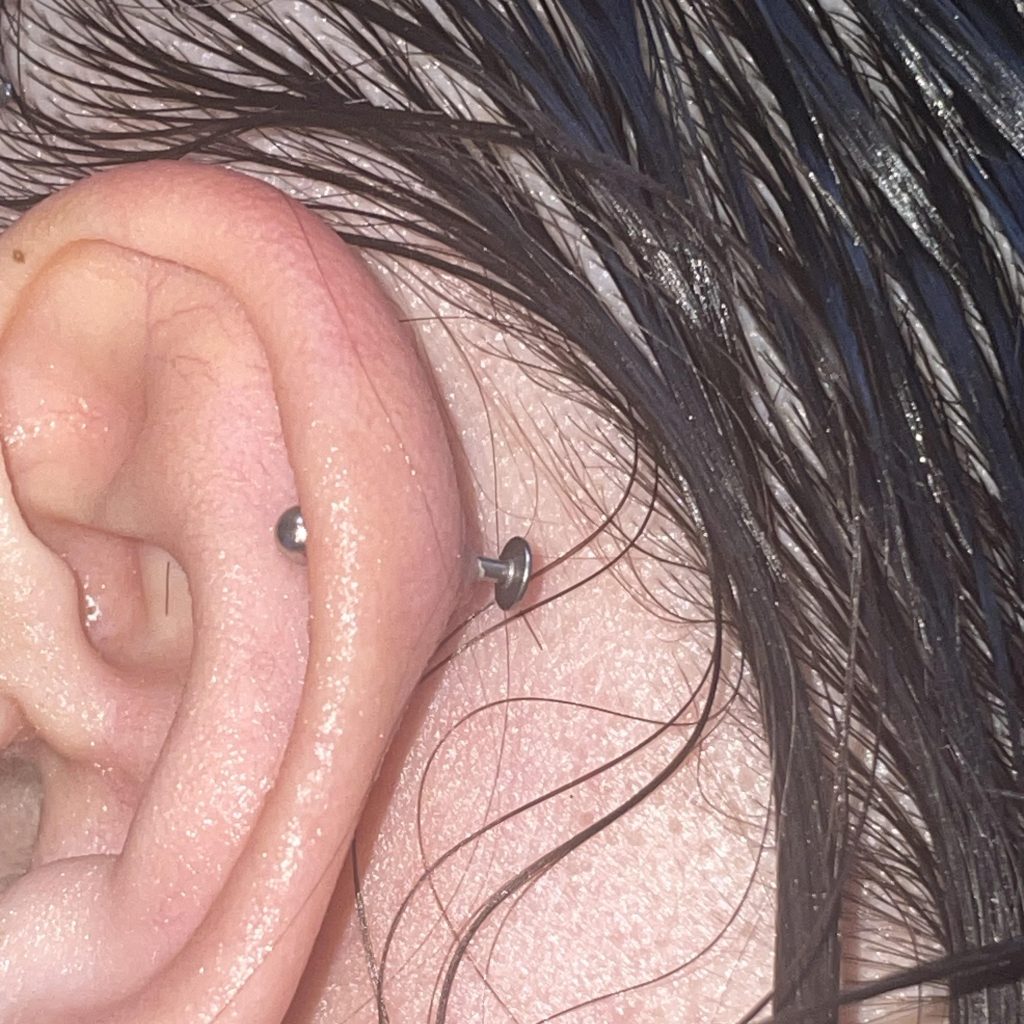
One of the most common questions people ask after getting their ears pierced is, “can you go swimming after getting your ears pierced?” The answer isn’t a simple yes or no. It depends on healing time, water type, and aftercare habits. Fresh piercings are open wounds. They require protection from bacteria, chemicals, and irritation.
Moreover, pools, lakes, oceans, and hot tubs all pose risks during early healing. Chlorine, salt, and natural microbes can delay recovery. Infections may occur if proper steps aren’t taken. Therefore, understanding how water affects new piercings is essential for long-term health and comfort.
 Why Water Exposure Is Risky During Initial Healing
How Pools and Natural Bodies Affect Piercings
Can you go swimming after getting your ears pierced? Fresh ear piercings are vulnerable to infection. The wound needs time to close and form a protective channel. Most experts recommend waiting at least 4 to 6 weeks before swimming. This allows the initial stage of healing to pass safely.
Pools contain chlorine, which kills germs but also irritates sensitive skin. While it disinfects water, it can dry out the piercing site. This slows healing and increases redness or itching. Swelling may return even after symptoms seemed to fade.
Natural bodies of water like lakes, rivers, and oceans carry more danger. They host bacteria, algae, and parasites. These organisms can enter the open hole easily. Even clear-looking water isn’t sterile. Infections such as pseudomonas or staph can develop quickly.
Hot tubs are especially risky. Warm, moist environments breed bacteria rapidly. Jets stir up contaminants that reach the piercing. The combination of heat and movement increases absorption. Therefore, avoiding hot tubs for at least eight weeks is wise.
Additionally, sand and dirt stick to wet skin. At beaches, particles can cling to the piercing area. Rubbing or scratching introduces germs. Towels shared in public areas add another risk layer.
Even clean pools aren’t completely safe. Residual chemicals remain on the skin. They mix with sweat and oils, creating mild reactions. For these reasons, many professionals say no—don’t swim too soon.
Ultimately, patience prevents complications. Waiting protects both comfort and appearance.
Healing Timeline for Ear Piercings
How Long It Takes for Different Types
Healing time varies by piercing location. Standard earlobe piercings heal faster than cartilage. Lobe holes usually take 6 to 8 weeks to stabilize. Some fully close within two months. However, full internal healing may take longer.
Cartilage piercings, like helix, tragus, or daith, need much more time. They typically require 3 to 6 months. In some cases, healing extends to a full year. Blood flow is lower in cartilage, slowing tissue repair.
During this period, the body forms a fistula—a tunnel lined with skin cells. This structure must mature before exposure to harsh conditions. Premature swimming disrupts this process. Scarring or migration may result.
You’ll know healing progresses when swelling stops. Discharge changes from yellowish to clear. The jewelry moves slightly without pain. Redness fades around the hole. These signs suggest readiness.
However, absence of pain doesn’t mean immunity. Internal healing continues even when surface looks fine. Rushing back into water risks setbacks.
Also, individual factors affect timing. Age, immune health, and hygiene matter. Smokers often experience slower healing. Those with chronic conditions should consult a doctor.
Aftercare consistency plays a major role. Cleaning twice daily with saline solution helps. Avoiding touch, rotation, or swapping jewelry speeds recovery.
Therefore, base your swimming decision on actual progress—not just calendar days. Always err on the side of caution.
 Types of Water and Their Risks
Comparing Pools, Oceans, Lakes, and Hot Tubs
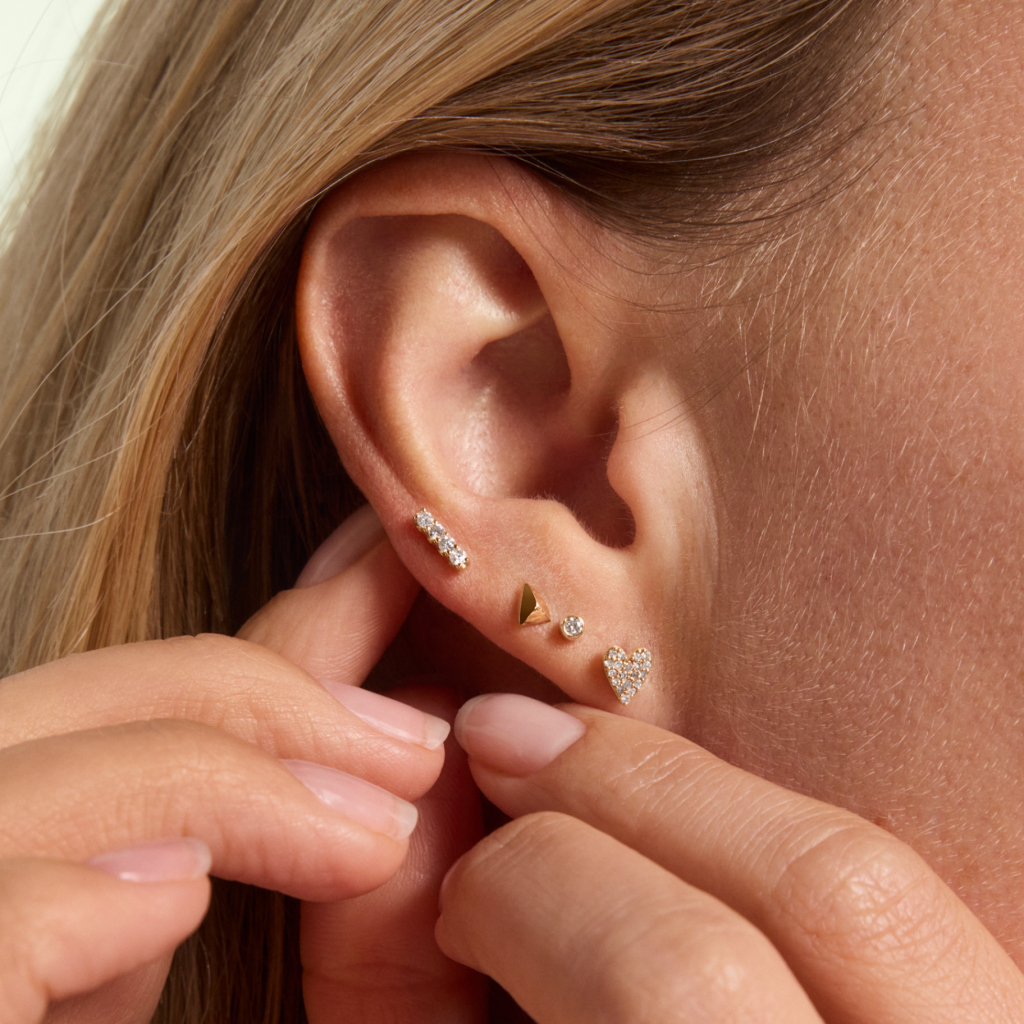
Not all water sources carry equal risk. Each has unique dangers for fresh piercings. Knowing the differences helps you make safer choices.
Chlorinated pools kill many germs. Yet they still contain irritants. Chlorine strips natural oils from skin. This dries the piercing site and causes cracking. Cracks allow bacteria to enter. Even brief dips increase sensitivity.
Saltwater from oceans seems natural. However, it’s not sterile. It contains microorganisms and pollutants. Runoff from cities enters coastal waters. These contaminants raise infection chances. Sand can scratch or abrade the area.
Lakes and rivers have high bacterial levels. Stagnant or slow-moving water breeds pathogens. Algae blooms and animal waste contribute. No visible dirt means nothing—dangerous microbes are invisible.
Hot tubs present the highest threat. Warm temperatures encourage rapid germ growth. Jets circulate contaminated water directly toward your head. Moisture stays trapped behind hair and jewelry. This creates an ideal environment for infection.
Even indoor splash pads or kiddie pools aren’t safe. Standing water collects germs quickly. Kids frequently fall or sit in them. Hygiene control is limited.
Showers and baths are different. Clean tap water is less risky. Just avoid soaking the piercing unless necessary. Use mild soap and rinse well.
If you must swim, wait until full healing. Otherwise, protect the area with waterproof covers. Apply aftercare immediately afterward. Vigilance reduces harm significantly.
Always consider the source before entering. Ask yourself—is this worth the risk?
Signs of Infection to Watch For
Early Warnings That Demand Attention
Can you go swimming after getting your ears pierced? Infections can develop within hours of unsafe exposure. Recognizing early signs helps prevent serious issues. Swelling is one of the first indicators. If the area puffs up again after improving, something is wrong.
Redness spreading beyond the piercing site is another clue. Mild redness is normal at first. But increasing color or warmth signals inflammation. The skin may feel hot to the touch.
Pain returning after fading suggests trouble. Throbbing or sharp sensations differ from mild tenderness. Don’t ignore sudden discomfort. It could mean infection has taken hold.
Yellow or green discharge indicates pus. Clear fluid is part of normal healing. Thick, foul-smelling liquid is not. This requires immediate action.
Fever or chills are systemic responses. The body fights infection internally. If you feel unwell along with piercing pain, seek medical help.
Crusting is common but excessive buildup isn’t. Gently clean with saline. Do not pick at scabs. Forceful removal worsens irritation.
Bumps around the hole may form keloids or granulomas. These are overgrowths of scar tissue. Cartilage areas are more prone. Avoid touching to reduce risk.
Jewelry becoming stuck or embedded is serious. Swelling can trap metal in place. Never force it out. See a professional instead.
Early treatment prevents scarring and long-term damage. Monitor closely after any water contact.
 Protective Measures If You Must Swim
Sometimes, swimming can’t be avoided. Vacations, events, or family trips happen. If you must enter water before full healing, take strong precautions.
First, use a waterproof wound cover. These adhesive patches seal out moisture. Apply one over the piercing before swimming. Ensure it sticks well to dry skin. Check it during breaks.
Second, limit time in water. The shorter the dip, the lower the risk. Avoid diving or submerging your head. Stay above the surface whenever possible.
Third, wear silicone ear bands or caps. These create a physical barrier. They keep water away from the ears. Combine with patches for extra protection.
After exiting, remove the cover carefully. Wash the area with clean water immediately. Use sterile saline to flush out contaminants. Do not rotate the jewelry.
Dry gently with a clean paper towel. Cloth towels harbor bacteria. Paper is safer for delicate skin. Pat—don’t rub—the area.
Apply an aftercare spray or solution. This soothes and disinfects. Avoid alcohol or hydrogen peroxide. They damage healing tissue.
Monitor for reactions over the next 24–48 hours. Redness, pain, or swelling means trouble. Act fast if symptoms appear.
Even with protection, risk remains. These steps reduce—but don’t eliminate—danger. Only swim if absolutely necessary.
Better yet, reschedule if possible. Let healing come first.
Alternatives to Swimming During Healing
Fun Activities That Keep You Out of the Water
Avoiding swimming doesn’t mean missing summer fun. Many enjoyable activities keep you active without risking your piercing.
Walking on the beach is safe. Enjoy sun, sand, and ocean views. Sit under an umbrella with a book or music. Soak up the vibe without getting wet.
Beach volleyball or frisbee works if played on dry sand. Avoid falling or sweating heavily near the piercing. Wear a hat to shield from sun.
Picnics offer relaxation and social time. Pack food, drinks, and games. Invite friends or family. Choose shaded parks or lawns.
Mini golf combines fun and light activity. It encourages walking and focus. Play during cooler hours to stay comfortable.
Outdoor concerts or movie nights provide entertainment. Bring chairs and snacks. Sit back and enjoy without water exposure.
Hiking trails offer nature immersion. Choose easy paths if you’re recovering. Fresh air supports overall wellness.
Cycling or skateboarding keeps you moving. Stick to dry routes. Wear a helmet if needed.
Indoor options include bowling, arcades, or escape rooms. Climate-controlled spaces are gentle on healing sites.
Photography walks let you explore creatively. Capture landscapes or street scenes. Focus on art, not immersion.
These alternatives maintain joy and connection. You don’t have to sacrifice fun for safety.
 Frequently Asked Questions About Can You Go Swimming After Getting Your Ears Pierced
Common Concerns From New Piercing Owners
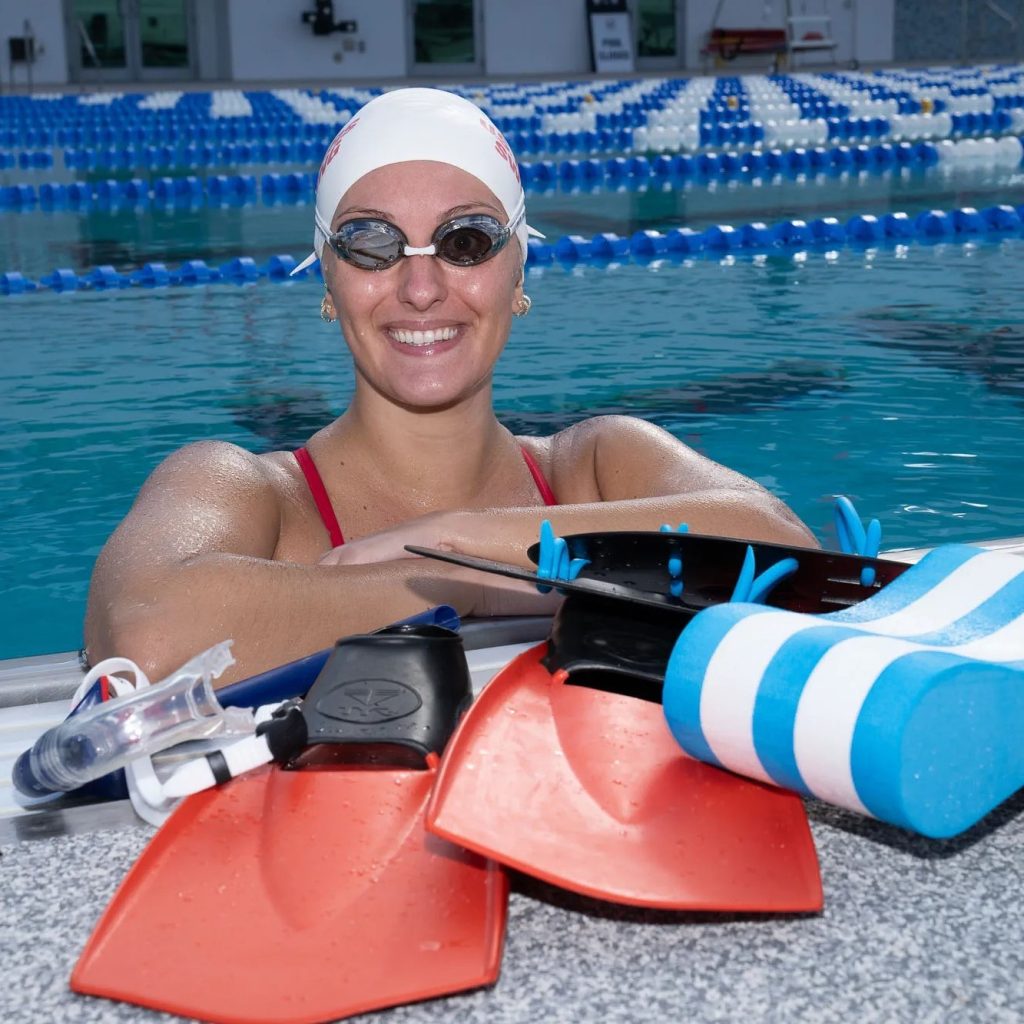
Can I swim in a pool after one week? No. One week is far too early. Wait at least four to six weeks minimum.
What about rinsing my face? Yes, briefly. Just avoid direct water pressure. Pat dry right after.
Can I shower normally? Yes. Use mild soap. Rinse carefully. Avoid soaking the piercing.
Is salt water better than chlorinated? Not really. Both carry risks. Ocean water has more bacteria.
Can I change my jewelry early to swim? No. Changing too soon increases infection risk. Wait until fully healed.
Do waterproof bandages work well? Yes, if applied correctly. Use medical-grade ones designed for wounds.
Can I wear earrings while swimming later? Once healed, yes. Just clean them afterward.
Should I see a doctor if infected? Yes. Don’t self-treat serious infections. Get antibiotics if prescribed.
 Summary of Can You Go Swimming After Getting Your Ears Pierced
Making Smart Choices for Healthy Healing
To conclude, the question “can you go swimming after getting your ears pierced” demands careful thought. The safest answer is no—wait until healing is complete. Rushing into water invites infection, pain, and long delays.
Each water type poses real threats. Chlorine, salt, and microbes all interfere with recovery. Protection helps, but it’s not foolproof. Prevention remains the best strategy.
Healing takes weeks to months. Listen to your body. Watch for signs of trouble. Follow aftercare rules strictly.
Meanwhile, enjoy alternative activities. Stay involved in summer fun without risking health.
Ultimately, patience leads to better results. Protect your piercing now for lasting beauty later.