Lake swimming offers a refreshing alternative to crowded pools and salt-heavy oceans. Nestled in nature, lakes provide calm waters, scenic views, and a peaceful atmosphere. Whether you’re gliding through still morning water or splashing with family at midday, lake swimming creates lasting memories. It connects you with the outdoors while delivering a full-body workout. Unlike chlorinated pools, natural lakes feel softer on the skin and eyes. The absence of waves makes them ideal for beginners and children. Many people find that swimming in open water brings mental clarity and emotional calm. As a result, lake swimming has become a popular summer activity across North America, Europe, and beyond.
In addition, lake swimming supports physical health and well-being. The cool water increases circulation and helps regulate body temperature. It also builds endurance, strengthens muscles, and improves cardiovascular function. Because lakes often lack lanes and walls, swimmers engage more of their core and limbs to navigate. This enhances coordination and balance. Moreover, exposure to natural sunlight boosts vitamin D levels. Combined with fresh air and green surroundings, these elements enhance mood and reduce stress. Therefore, lake swimming is more than recreation—it’s a holistic wellness practice.
 Why Lake Swimming Is Better Than Pool Swimming
Natural Environment, Sensory Experience, and Mental Benefits
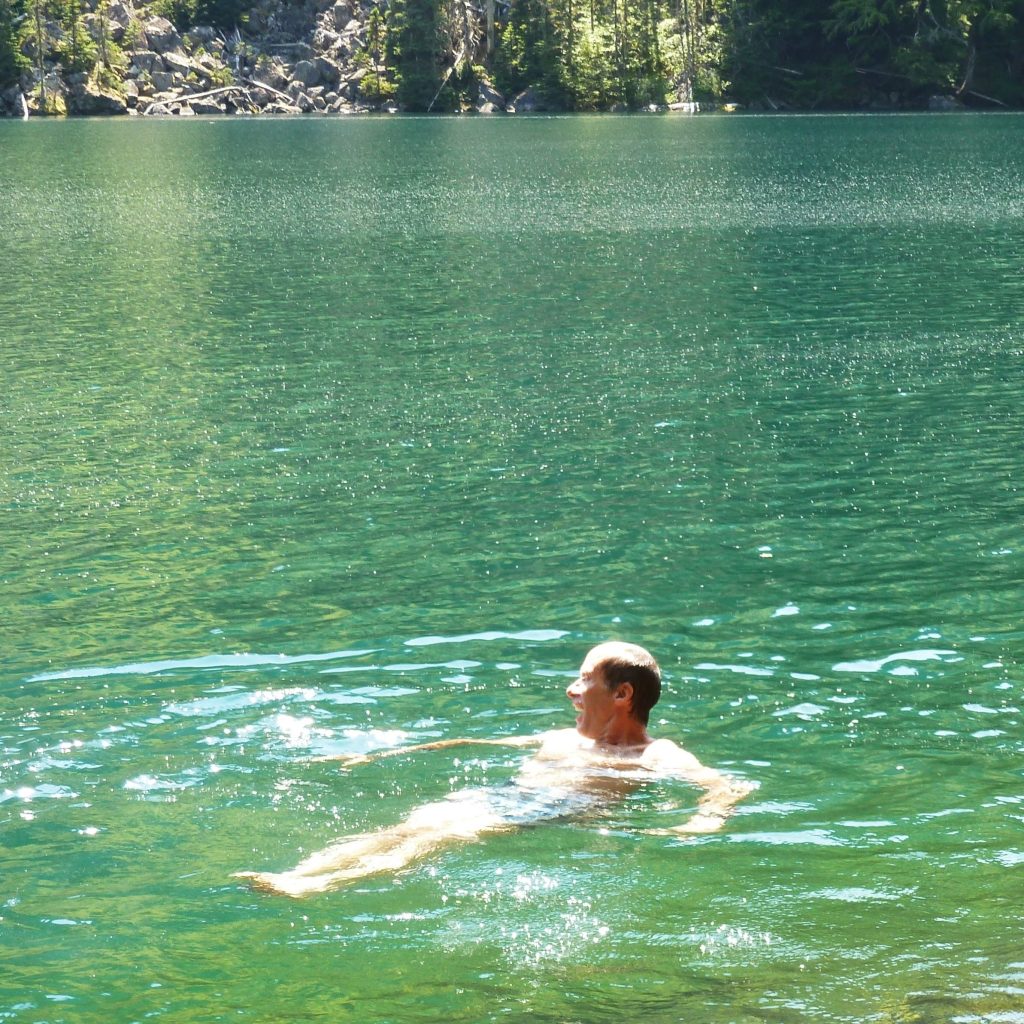
One reason lake swimming stands out is the sensory richness it offers. Pools are controlled environments. They feature clear water, straight lines, and chemical scents. In contrast, lakes engage all five senses. You hear birds calling from the trees. You feel cool mud between your toes and you smell pine or wildflowers along the shore. These natural stimuli create a deeper connection to the environment.
Additionally, the water feels different. It’s cooler, softer, and moves gently with wind and currents. This subtle motion challenges your balance and stroke technique. You learn to adapt to changing conditions. Over time, this improves swimming skills more than repetitive laps in a pool.
Mental health also benefits. Studies show that outdoor activities reduce anxiety and depression. The rhythmic motion of swimming in open water acts like meditation. Focused breathing and steady strokes calm the mind. The lack of artificial noise enhances mindfulness.
Lake swimming also encourages slower, more intentional movement. You’re not racing against time. Instead, you’re immersed in the moment. This shift in pace supports relaxation and presence.
Therefore, while pools serve a purpose, lake swimming offers a more immersive and restorative experience.
Safety Tips for Enjoying Lake Swim
Checking Water Conditions, Avoiding Hazards, and Supervising Children
Before jumping in, always assess the safety of lake swimming. Start by checking water quality reports. Some lakes experience algae blooms, especially in summer. These can cause skin irritation or respiratory issues. Local health departments often post warnings online. Avoid swimming if signs indicate contamination.
Look for clear, odor-free water. Murky or greenish water may signal bacteria or pollutants. Stay away from areas with strong currents or deep drop-offs. These are dangerous, especially for weak swimmers. Piers, docks, and boat traffic zones also pose risks. Swim in designated areas if available.
Always supervise children closely. Even shallow water can be risky. Use life jackets for non-swimmers. Teach kids to stay near the shore and avoid underwater diving.
Never swim alone. Use the buddy system. If someone struggles, a companion can call for help. Carry a whistle or floatation device for emergencies.
Avoid swimming after heavy rain. Runoff can carry pollutants into the lake. It also stirs up sediment, reducing visibility.
By following these rules, lake swimming remains safe and enjoyable for everyone.
 Best Gear for Lake Swim
Choosing Swimsuits, Goggles, and Safety Accessories
Having the right gear improves the lake swimming experience. Start with a comfortable swimsuit. Women may prefer one-pieces for more coverage. Men should choose swim trunks with liners to reduce chafing. Avoid loose clothing. It creates drag and can trap debris.
Goggles are essential. Lake water may contain dust, pollen, or small particles. Goggles protect your eyes and improve underwater vision. Choose anti-fog, UV-protected models. Test the fit before entering the water.
Swim caps help in several ways. Silicone or latex caps keep hair out of your face. They also reduce drag. In cooler lakes, neoprene caps provide warmth.
Consider wearing water shoes. Rocky or muddy bottoms can hurt bare feet. Shoes with grip protect against slips and cuts. They also prevent contact with sharp objects or leeches.
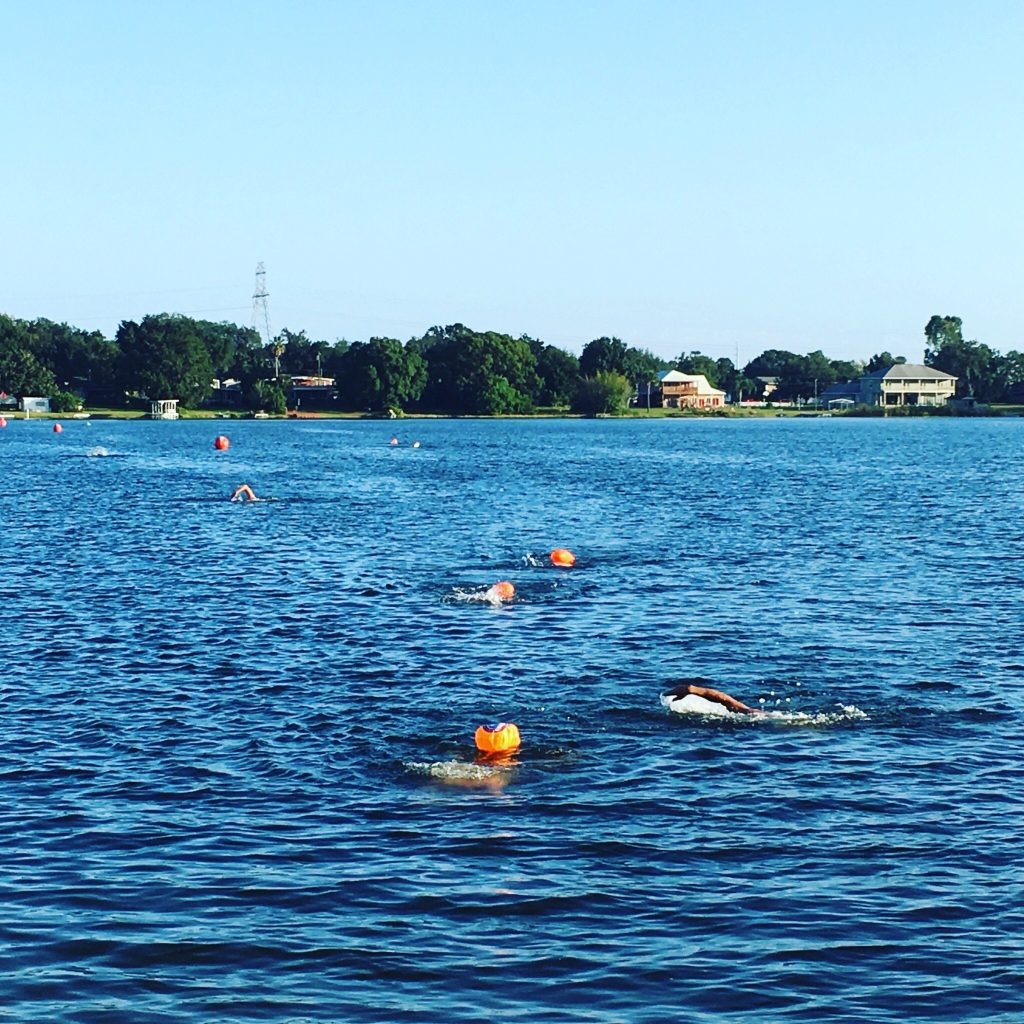
For longer swims, use a swim buoy. It increases visibility to boats. Some models include storage for keys or phones. Bright colors stand out on the water.
Lastly, bring a quick-dry towel and change of clothes. Natural fibers dry slowly. Microfiber towels are lightweight and absorbent.
With proper gear, lake swimming becomes safer and more comfortable.
How to Prepare for Your First Lake Swim Trip
Planning, Timing, and Knowing What to Expect
Preparing for lake swimming ensures a smooth and enjoyable outing. Start by researching your chosen lake. Look for public access points, parking, and restroom availability. Some lakes require day-use fees or permits. Arrive early to secure a good spot.
Time your visit wisely. Mornings offer calm water and fewer crowds. The sun is less intense, reducing sunburn risk. Midday brings families and boaters. Water may be choppier. Evenings are peaceful but shorten swim time before dark.
Check the weather forecast. Wind increases waves. Thunderstorms make swimming dangerous. Postpone if lightning is predicted.
Pack essentials: sunscreen, hat, sunglasses, water, snacks, and first-aid supplies. Use reef-safe sunscreen to protect lake ecosystems.
Test the water gradually. Wade in slowly. Let your body adjust to the temperature. Sudden immersion in cold water can cause shock. Enter feet-first. Avoid diving unless you know the depth.
Let someone know your plans. Share your location and expected return time. This adds a layer of safety.
With smart preparation, your first lake swimming trip can be both fun and safe.
 Environmental Responsibility While Lake Swim
Protecting Nature and Preserving Water Quality
Practicing eco-friendly habits during lake swimming helps protect natural ecosystems. Always follow “Leave No Trace” principles. Carry out all trash, including food wrappers and plastic bottles. Do not feed fish or wildlife. Human food harms their health.
Avoid using soap, shampoo, or lotion in the water. These chemicals disrupt the lake’s balance. Rinse off before and after swimming if possible. Use biodegradable wipes instead.
Stay away from sensitive areas like wetlands or plant beds. These habitats support fish, frogs, and birds. Trampling damages roots and reduces oxygen in the water.
Choose reusable containers over single-use plastics. Bring a refillable water bottle and snack box. This reduces litter and pollution.
Support conservation efforts. Many lakes have volunteer clean-up days. Participating helps maintain beauty and safety.
Teach children about nature. Explain why we protect plants and animals. This builds lifelong respect.
By being mindful, you help keep lake swimming enjoyable for future generations.
 Health Benefits of Cold Water
Boosting Immunity, Burning Calories, and Improving Circulation
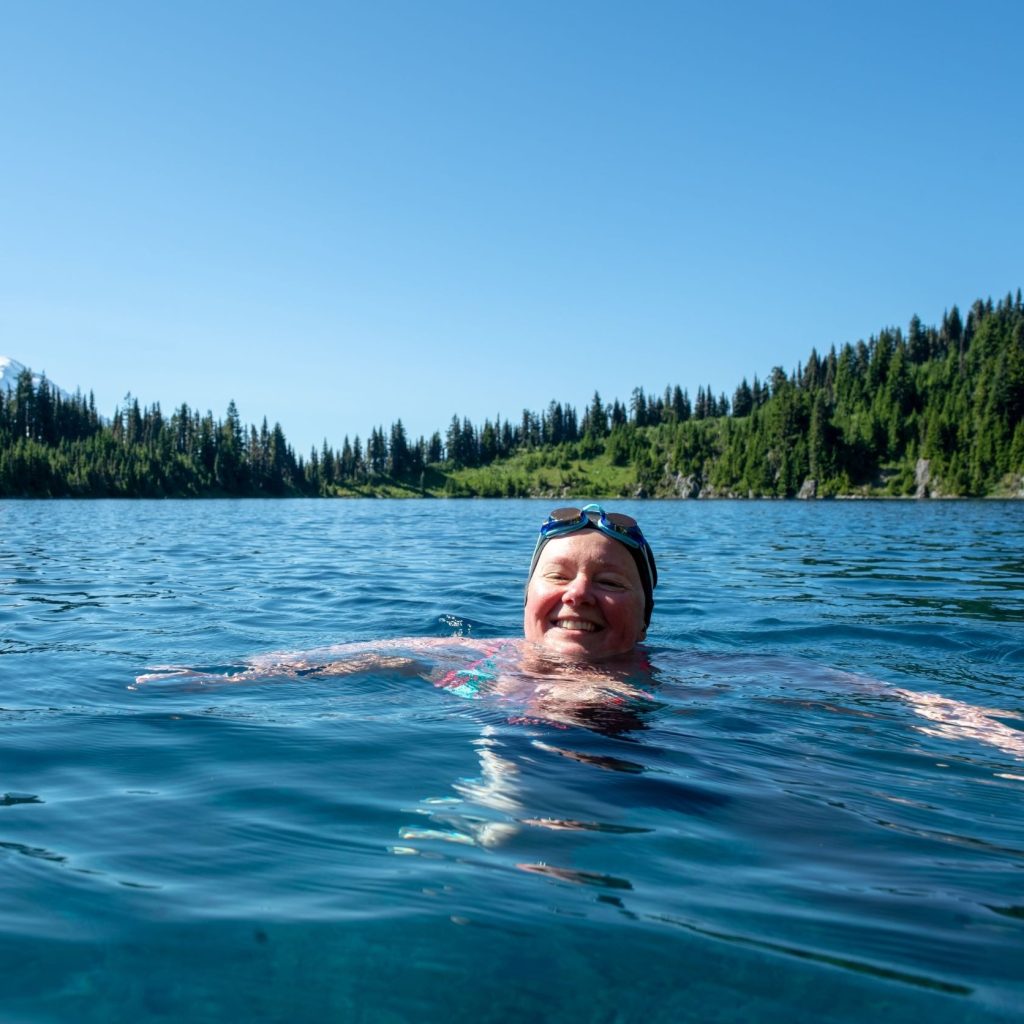
Swimming in cool lake water delivers unique health advantages. Cold water immersion triggers a natural response in the body. Blood vessels constrict, then dilate after exiting the water. This improves circulation and reduces inflammation. Many people report less joint pain and muscle soreness.
Regular lake swimming may boost the immune system. Short bursts of cold exposure increase white blood cell production. This helps fight illness. Some swimmers notice fewer colds during active seasons.
Cold water also burns more calories. The body works harder to maintain core temperature. This increases metabolic rate. Over time, this supports weight management.
Mental resilience improves too. Facing cold water builds discipline and confidence. The initial shock fades with practice. This sense of achievement enhances self-esteem.
Some experience a “swimmer’s high.” Endorphins and dopamine release during and after cold swims. This creates a natural mood lift.
However, ease into cold water slowly. Do not stay in too long. Limit sessions to 10–20 minutes. People with heart conditions should consult a doctor.
When done safely, lake swimming in cool water offers powerful health rewards.
Frequently Asked Questions
Common Concerns and Helpful Answers
Is lake swimming safe for kids? Yes, if supervised. Choose calm, shallow areas. Use life jackets for safety.
Can I swim in any lake? Not all are safe. Check local guidelines. Avoid lakes with pollution or algae warnings.
What time of year is best? Late spring to early fall. Water is warmest then. Morning swims avoid peak heat.
Do I need to shower after? Yes. Rinse off to remove bacteria, pollen, or algae.
Are there leeches in lakes? Sometimes. They are harmless but can attach. Wear water shoes to reduce risk.
Can I wear goggles in a lake? Yes. They protect eyes and improve vision. Choose models with anti-fog coating.
These tips help make lake swimming safer and more enjoyable.
 Final Thoughts
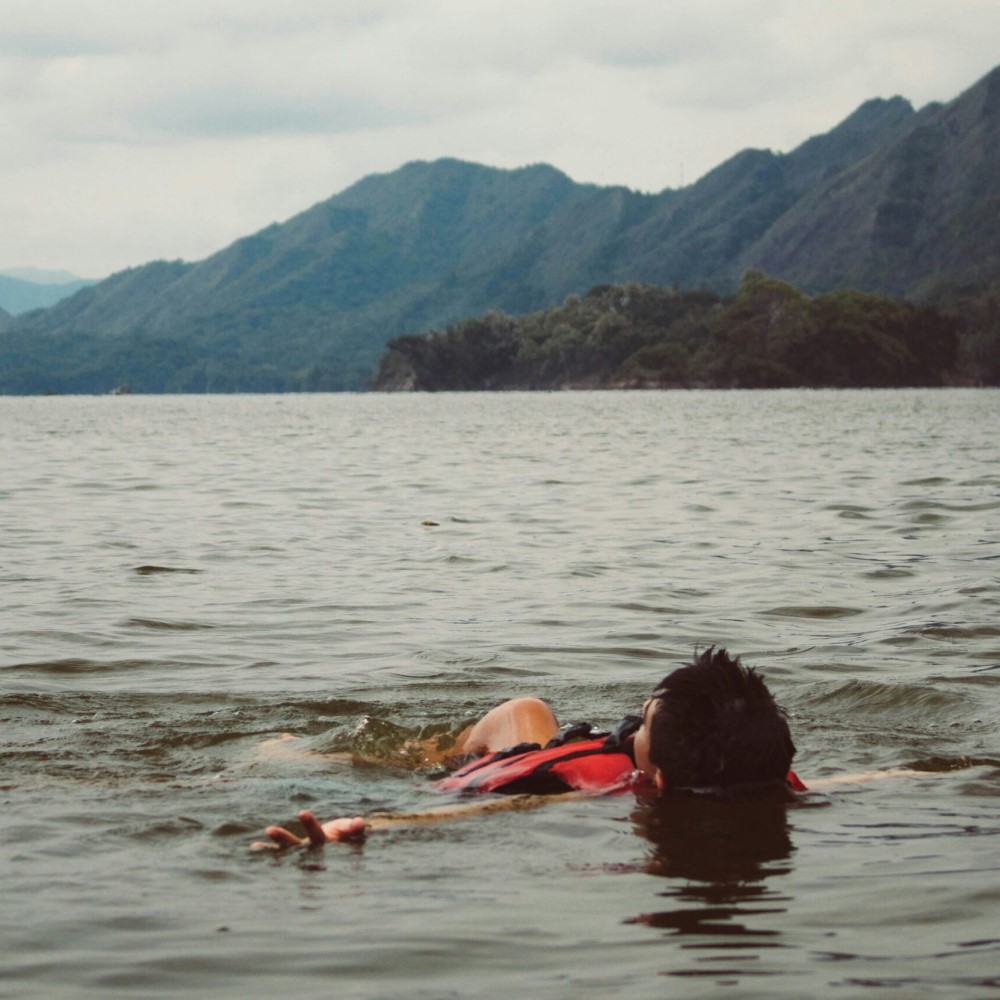
Lake swimming is more than just a summer pastime. It connects people to nature, supports physical health, and refreshes the mind. From peaceful dawns to family-filled afternoons, it offers something for everyone. With proper preparation and respect for the environment, this activity remains safe and rewarding. Whether you’re seeking exercise, relaxation, or adventure, lake swimming delivers. So, pack your gear, choose a scenic spot, and dive in. Because the joy of gliding through still, natural water is something no pool can truly match—and the lake swimming experience stays with you long after you dry off.