When it comes to cardiovascular exercise, few activities stand out like swimming and running. The debate of swimming vs running has long been a topic among fitness lovers, athletes, and health professionals. Both deliver strong heart benefits, burn calories, and improve endurance. However, they differ significantly in impact, muscle engagement, and overall experience.
Each form of exercise suits different lifestyles and goals. Some people thrive on the rhythm of pounding pavement. Others find peace in the quiet glide through water. Understanding these differences helps individuals choose the best option for their body and objectives.
Moreover, personal preferences, injury history, and fitness levels play a major role. For example, someone with knee pain may favor swimming. Meanwhile, a trail lover might stick with running. Both are effective, but each brings unique advantages.
Therefore, diving deep into swimming vs running reveals more than just physical outcomes. It touches on mental health, accessibility, time investment, and long-term sustainability. This article explores every angle to help you make an informed decision.
 Physical Impact and Joint Stress
How Each Activity Affects Your Body
Running is a high-impact exercise. Every stride sends force through the legs and spine. This repeated stress strengthens bones. However, it can also lead to overuse injuries. Common issues include shin splints, plantar fasciitis, and knee pain.
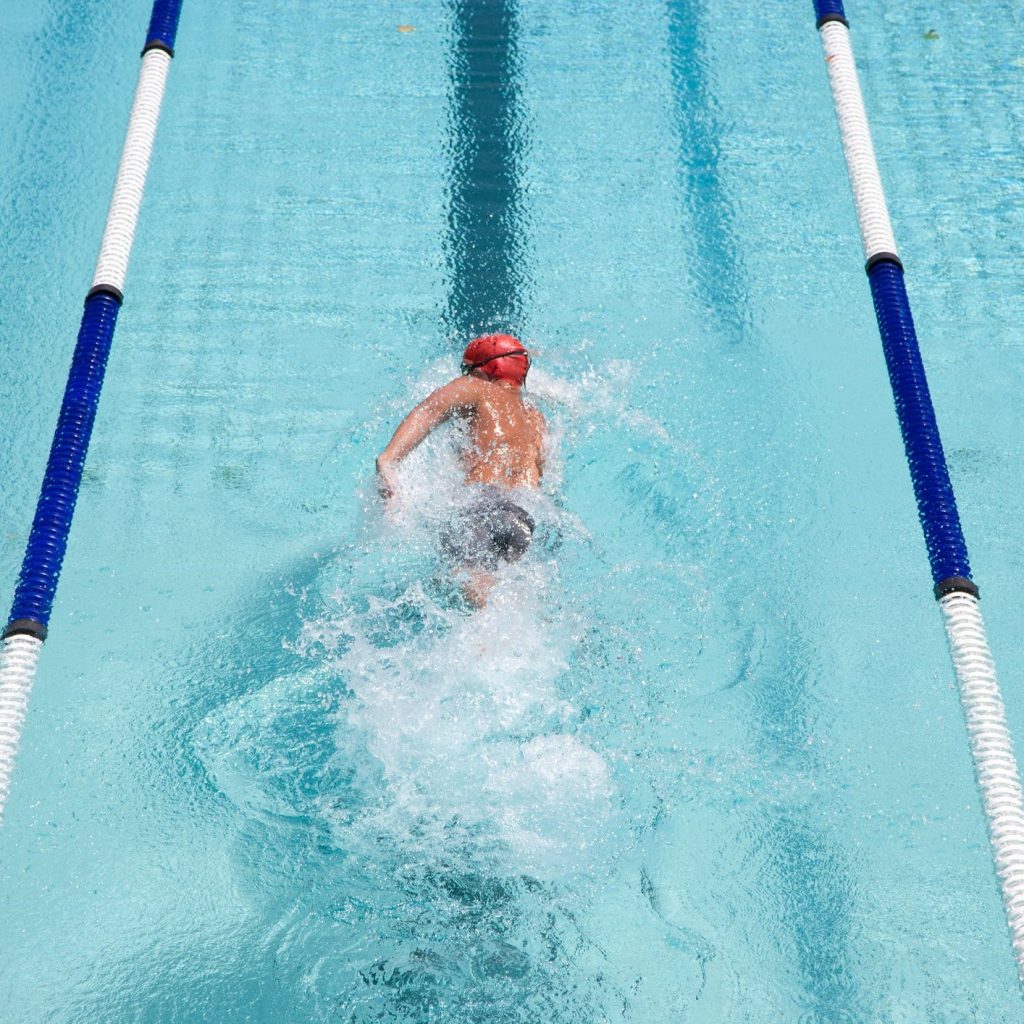
In contrast, swimming is low-impact. Water supports the body’s weight. This drastically reduces pressure on joints. As a result, it’s ideal for people with arthritis or past injuries. It also minimizes wear and tear over time.
Additionally, swimming engages muscles without jarring movements. The smooth resistance builds strength gently. Runners often develop tight hips and calves. Swimmers tend to have more balanced flexibility.
Yet, running builds powerful leg muscles. It improves balance and coordination on land. The constant ground contact enhances proprioception. This awareness helps prevent falls and boosts agility.
On the other hand, swimming works the upper body more evenly. Shoulders, back, and core get consistent activation. Running focuses more on lower limbs. Upper body gains are minimal unless combined with strength training.
Therefore, choosing between swimming vs running depends on how your body responds to impact. One is not better overall—it’s about what fits your physical needs.
Calorie Burn and Weight Management
Which Exercise Helps You Lose Weight Faster?
When comparing swimming vs running, calorie burn is a key factor. Running generally burns more calories per minute. A 150-pound person can burn around 300–400 calories in 30 minutes of moderate running.
Swimming also burns a significant amount. The same person might burn 250–350 calories in 30 minutes. The exact number depends on stroke, speed, and effort level. Freestyle and butterfly burn more than breaststroke.
However, water temperature affects metabolism. Cold water increases energy use. The body works harder to stay warm. This hidden boost adds to total calorie expenditure.
Moreover, swimming creates an afterburn effect. Metabolism stays elevated longer after a swim. This is due to full-body engagement and thermal regulation.
Running, especially interval training, also boosts post-exercise calorie burn. High-intensity sprints increase EPOC (excess post-exercise oxygen consumption). This means you continue burning fat after the run ends.
Still, consistency matters most. Some people stick with swimming longer because it feels easier on the body. Others enjoy running’s simplicity and speed. Long-term adherence leads to better weight control.
Thus, both are effective for weight loss. The best choice is the one you can do regularly without injury.
 Cardiovascular Benefits and Heart Health
Strengthening the Heart Through Different Methods
Both swimming and running improve heart health. They increase stroke volume and lower resting heart rate. Over time, the cardiovascular system becomes more efficient.
Running raises the heart rate quickly. It delivers intense aerobic workouts in less time. This intensity strengthens the heart muscle fast. It also improves lung capacity through rapid breathing patterns.
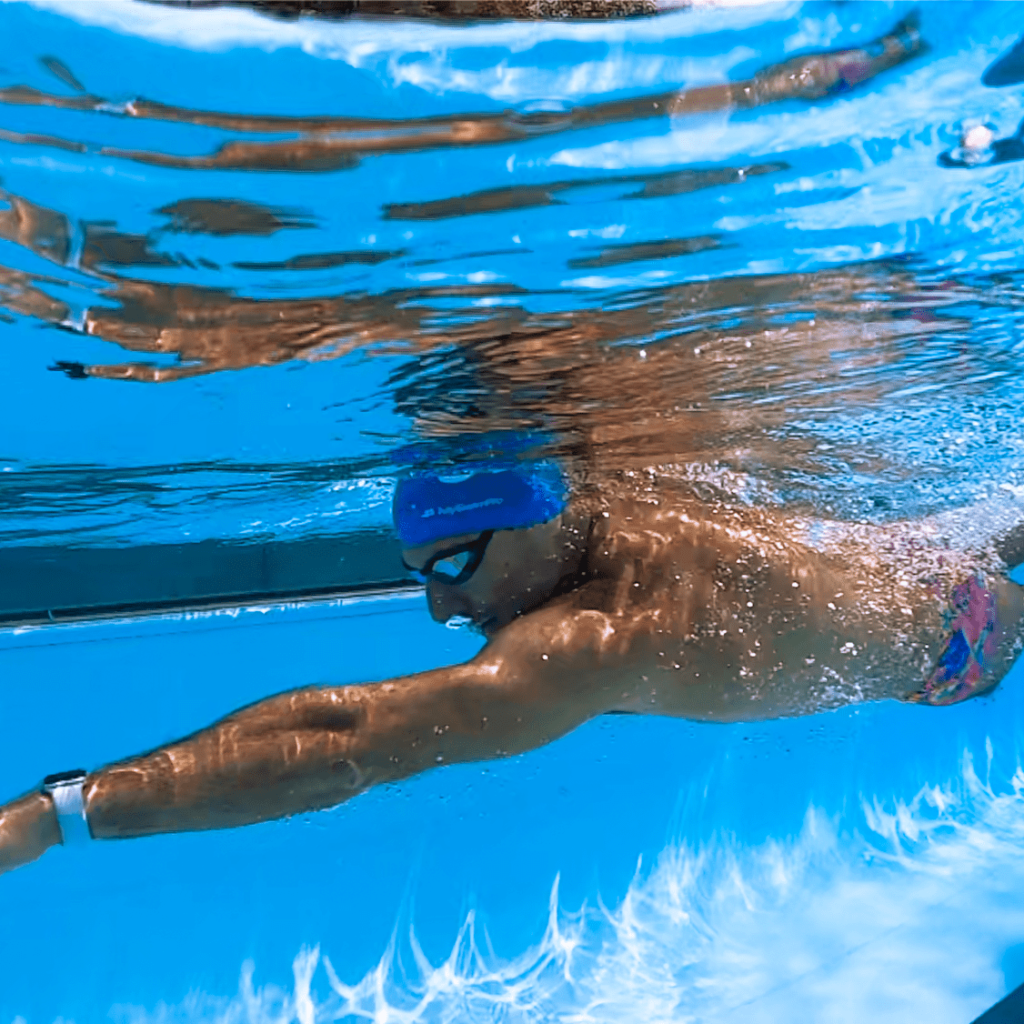
Swimming offers steady, sustained effort. The horizontal position changes blood flow dynamics. Veins return blood to the heart more easily. This reduces strain during exercise.
Additionally, swimmers often achieve longer continuous sessions. Without joint pain, they can go for 45 minutes or more. Runners may need to stop due to fatigue or discomfort.
Both activities reduce risks of heart disease, high blood pressure, and stroke. They lower bad cholesterol and increase good cholesterol. Inflammation markers also improve with regular use.
However, swimming may offer slightly better circulation benefits. The water pressure acts like compression, aiding blood movement. This is especially helpful for those with poor circulation.
Running builds cardiovascular endurance through ground reaction forces. The body adapts to repeated impact. This builds resilience in arteries and capillaries.
Ultimately, swimming vs running both support a healthy heart. The best option depends on personal tolerance and goals.
Muscle Engagement and Full-Body Development
Building Strength Across Different Zones
Running primarily targets the lower body. It strengthens quadriceps, hamstrings, glutes, and calves. Core muscles engage to maintain balance and posture. Arm swing adds minor upper body activation.
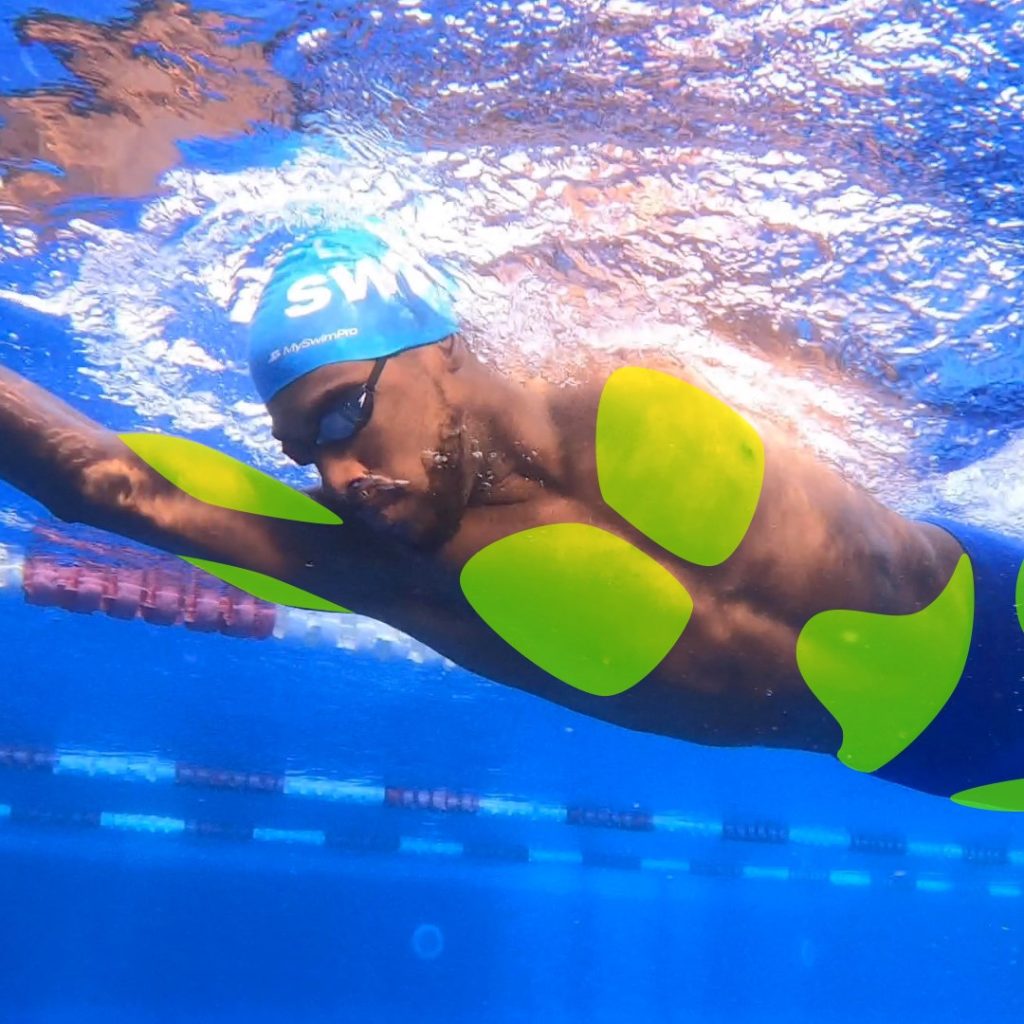
However, swimming works nearly every major muscle group. The arms pull, the legs kick, and the core stabilizes. Each stroke requires coordination and power. This leads to balanced muscle development.
Freestyle uses shoulders, lats, and triceps. The flutter kick activates quads and hip flexors. Breaststroke emphasizes inner thighs and chest. Butterfly demands explosive core and back strength.
Moreover, water provides natural resistance in all directions. Muscles contract continuously. There is no “rest” phase like in running. This constant load builds endurance and tone.
Runners often need cross-training to balance muscle use. Without it, imbalances can occur. Tight hip flexors and weak glutes are common issues. Swimmers naturally avoid these problems.
Yet, running builds functional strength for daily movement. It mimics walking and sprinting. These are natural human motions. Swimming, while powerful, is less transferable to land activities.
Therefore, the swimming vs running debate includes how muscles grow and function. One offers full-body symmetry. The other builds practical, ground-based power.
 Accessibility and Environmental Factors
Where and When You Can Exercise
Running requires minimal equipment. All you need is a good pair of shoes. You can run almost anywhere—parks, sidewalks, trails, or treadmills. This makes it highly accessible.
Weather can limit outdoor runs. Extreme heat, cold, or rain may force cancellations. Air pollution in cities also affects breathing comfort. Treadmills solve some issues but lack fresh air.
Swimming needs access to a pool. Not everyone lives near a public or gym facility. This limits availability for some people. Travel time and entry fees add barriers.
Indoor pools offer year-round use. Outdoor pools are seasonal in most regions. Open water swimming is possible but comes with safety concerns. Lakes and oceans require supervision and caution.
Additionally, swim gear is more complex. You need a suit, goggles, cap, and towels. Locker rooms and shower access are necessary. These steps add time to the routine.
On the other hand, pools are climate-controlled. Water temperature stays stable. Swimmers avoid sunburn and wind exposure. The environment feels consistent regardless of season.
Ultimately, convenience plays a big role. Swimming vs running becomes a question of location, cost, and ease. Each has logistical pros and cons.
Injury Risk and Recovery Support
Staying Safe While Staying Active
Injury risk differs greatly between swimming and running. Running carries a higher chance of overuse injuries. Repetitive impact stresses joints, tendons, and bones. Shin splints, stress fractures, and IT band syndrome are common.
Swimming poses fewer impact-related injuries. However, shoulder strain is a concern. Poor technique or excessive training can lead to rotator cuff problems. Swimmers must focus on form to stay safe.
Yet, swimming is often used in rehabilitation. Physical therapists recommend it for recovery. The low-impact nature allows movement without pain. It maintains fitness during healing.
Runners recovering from injury may switch to swimming. This keeps cardiovascular fitness up. It also prevents muscle loss while resting the legs.
Moreover, swimming promotes joint mobility. The full range of motion in strokes improves flexibility. This reduces stiffness and supports joint health.
Running, when done correctly, strengthens connective tissues. It increases bone density through load-bearing motion. This protects against osteoporosis later in life.
Still, proper footwear and running form lower injury risk. Beginners should start slow. They should increase mileage gradually. Rest days are essential for tissue repair.
In the swimming vs running comparison, safety depends on preparation and awareness. Both can be safe with the right approach.
 Mental Health and Stress Relief
How Exercise Affects Your Mind
Exercise plays a vital role in mental well-being. Both swimming and running reduce anxiety, depression, and stress. They trigger endorphin release. These “feel-good” chemicals improve mood.
Running offers a meditative rhythm. The repetitive motion clears the mind. Many runners report a “runner’s high.” This euphoric state comes from prolonged aerobic effort.
Being outdoors adds benefits. Sunlight boosts vitamin D. Nature exposure reduces mental fatigue. Trail running combines fitness with mindfulness.
Swimming provides a sensory escape. The water muffle sound. This creates a calming, almost meditative atmosphere. The focus on breathing promotes relaxation.
The rhythmic stroke and glide help quiet thoughts. Many swimmers find it therapeutic. The repetitive nature soothes the nervous system.
Additionally, swimming requires concentration. Counting strokes or timing breaths keeps the mind engaged. This focus distracts from daily worries.
Running allows introspection. It gives time to process emotions. Some people use runs to solve problems or plan their day.
Therefore, swimming vs running affects mental health in different ways. One offers solitude and flow. The other provides clarity and energy.
Frequently Asked Questions
Common Concerns Answered Clearly
Is swimming better than running for losing belly fat? Both help reduce body fat when combined with diet. Running may burn more calories faster. Swimming supports consistent effort with less strain.
Can I do both in the same week? Absolutely. Many athletes cross-train. This prevents burnout and balances muscle use. Try three runs and two swims, for example.
Which is better for beginners? Running is easier to start. No special skills are needed. Swimming requires technique. Beginners may need lessons to feel confident.
Does swimming build endurance like running? Yes. Long swim sessions improve aerobic capacity. The challenge is different but equally effective.
Will swimming make me gain weight? No. Muscle gain may increase weight. But body fat typically decreases. Water retention after swimming can cause temporary scale changes.
Can running damage knees long-term? Not necessarily. Proper shoes and form reduce risk. Many lifelong runners stay injury-free. Listen to your body and rest when needed.
Is it safe to swim every day? Yes, for most people. Daily swimming is low-impact. Just vary intensity to allow recovery.
These answers help clarify the swimming vs running choice for real-life situations.
 Final Thoughts
The swimming vs running debate doesn’t have a single winner. Each exercise offers unique strengths. The best choice depends on your body, goals, and lifestyle. Some thrive in water. Others feel alive on the road.
Swimming delivers full-body conditioning with minimal joint stress. Running builds power, speed, and outdoor resilience. Both improve heart health, mental clarity, and longevity.
Many people benefit from combining both. Cross-training avoids overuse and keeps workouts fresh. It also prepares the body for diverse physical challenges.
Ultimately, consistency matters more than the type of exercise. Choose the one you enjoy. Then stick with it. Whether you swim or run, movement is the true victory.