Pregnancy brings many changes to a woman’s body. Staying active during this time supports both physical and mental well-being. One of the safest and most effective exercises is swimming while pregnant. It offers low-impact movement that reduces joint stress. At the same time, it strengthens muscles needed for labor and delivery.
Water buoyancy helps support the growing belly. This relief makes movement easier and more comfortable. Many women find swimming while pregnant improves circulation. It also reduces swelling in the hands and feet. Moreover, regular sessions can ease back pain and improve sleep quality.
Exercise during pregnancy boosts energy levels. It lowers the risk of gestational diabetes and high blood pressure. Most importantly, it prepares the body for childbirth. Swimming provides all these benefits without straining the joints. For this reason, doctors often recommend it as a top choice.
However, knowing how to swim safely matters just as much as starting. Understanding proper techniques, timing, and precautions ensures a positive experience. Therefore, exploring every aspect of swimming while pregnant leads to better outcomes.
 Why Swimming Is Ideal During Pregnancy
Low-Impact Exercise with Maximum Benefits
Swimming engages nearly every major muscle group. It builds endurance, tone arms and legs, and improves cardiovascular health. Because water supports body weight, there is minimal impact on knees and hips. This makes swimming while pregnant especially safe throughout all trimesters.
Moreover, resistance from water increases strength naturally. Unlike lifting weights, this form of resistance feels smooth and controlled. Muscles work harder without sudden jolts or strain. As a result, expectant mothers gain fitness gently.
Another benefit is temperature regulation. Pools usually maintain a steady, cool environment. This prevents overheating, which is crucial during pregnancy. In contrast, hot yoga or intense running may raise core body temperature too much.
Additionally, swimming promotes better posture. The spine aligns horizontally in water. This counteracts the forward pull caused by a growing abdomen. Over time, improved alignment reduces discomfort.
Breathing techniques used in swimming also help prepare for labor. Controlled inhales and exhales build lung capacity. These skills transfer directly to breathing methods used during contractions.
Therefore, swimming while pregnant delivers wide-ranging advantages. It supports physical conditioning, emotional balance, and birth readiness.
When to Start and How Often to Swim
Building a Routine That Works for You
Many women begin swimming early in pregnancy. Some start as soon as they confirm their pregnancy. Others wait until after the first-trimester fatigue passes. Either approach works, depending on energy levels and doctor approval.
Ideally, aim for three to five sessions per week. Each session should last 30 to 45 minutes. This frequency maintains consistency without overexertion. Shorter swims still offer benefits if time or energy is limited.
Beginners should start slowly. Try one or two laps at first. Then gradually increase distance and intensity. Listen closely to your body’s signals. Stop immediately if you feel dizzy, short of breath, or experience cramping.
As the pregnancy progresses, adjust strokes accordingly. Freestyle and backstroke are generally safe choices. Breaststroke may become uncomfortable later due to pelvic pressure. Sidestroke offers a great alternative with less strain.
Always warm up before diving in. Walk in place in shallow water or do gentle arm circles. Cooling down afterward prevents muscle tightness. Stretch lightly once out of the pool.
Staying consistent matters more than speed or distance. A relaxed, regular routine supports long-term wellness.
 Safety Guidelines for Swimming While Pregnant
Essential Rules Every Expectant Swimmer Should Follow
Safety comes first when swimming while pregnant. Always consult your healthcare provider before beginning any new exercise. They can identify potential risks based on your medical history. Once cleared, follow best practices for ongoing protection.
Choose clean, well-maintained pools. Avoid natural bodies of water like lakes or rivers unless they are known to be safe. Chlorine levels should be balanced. Poorly treated water may carry bacteria harmful to pregnancy.
Never swim alone. Have someone nearby in case of dizziness or exhaustion. If possible, join a prenatal aqua class. These groups provide supervision and social support.
Stay hydrated even though you’re in water. Drink water before, during, and after your swim. Dehydration can trigger contractions or headaches.
Avoid dives and jumps after the first trimester. Your center of gravity shifts. Sudden movements increase fall risk. Enter and exit the pool carefully using steps or rails.
Watch for warning signs. Stop immediately if you notice vaginal bleeding, fluid leakage, or regular contractions. Also discontinue activity if your heart rate spikes abnormally.
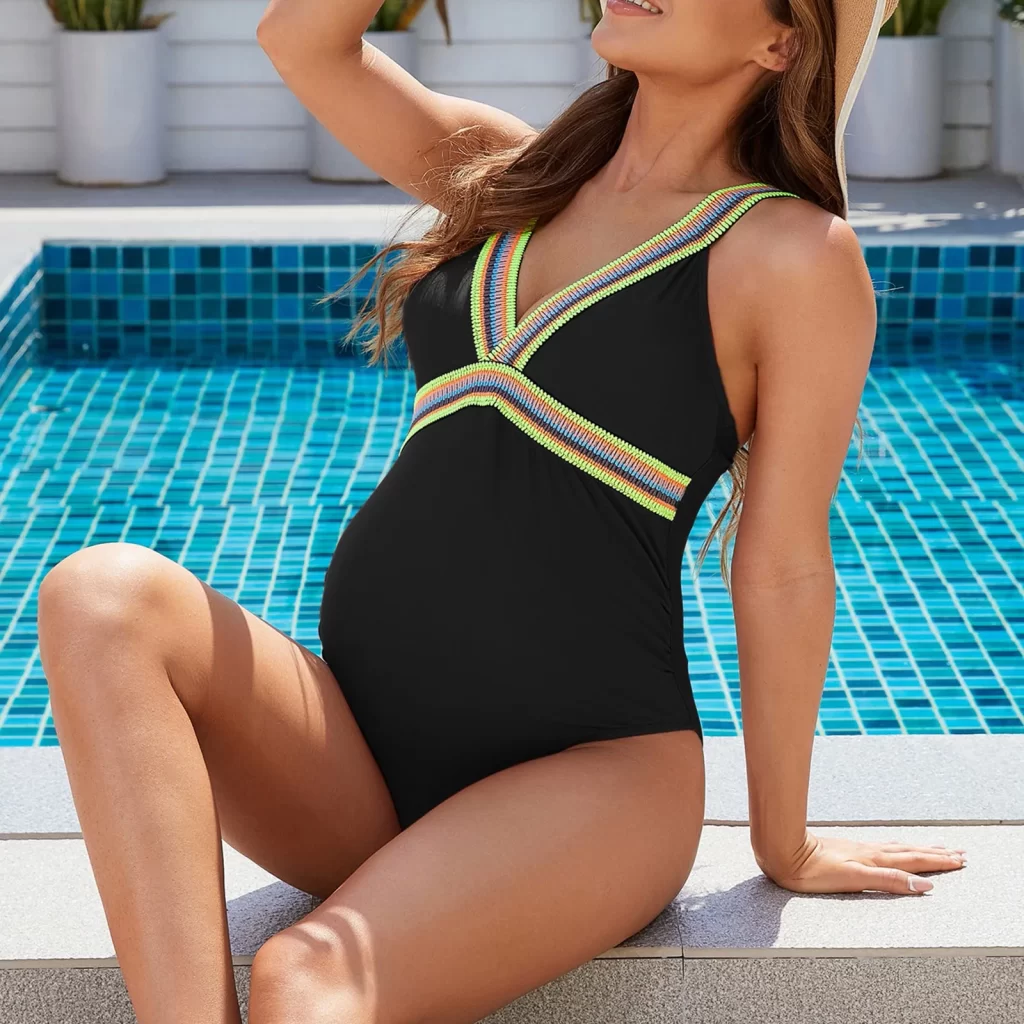
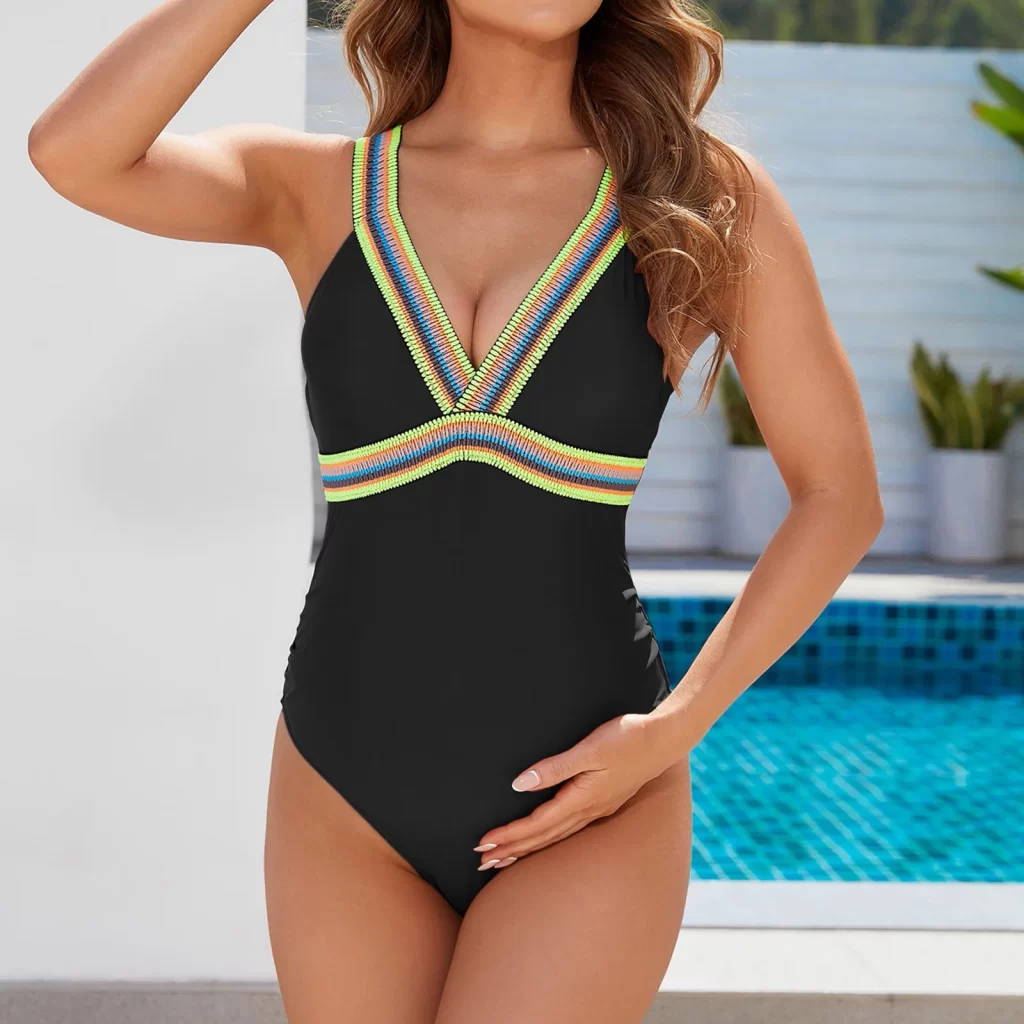
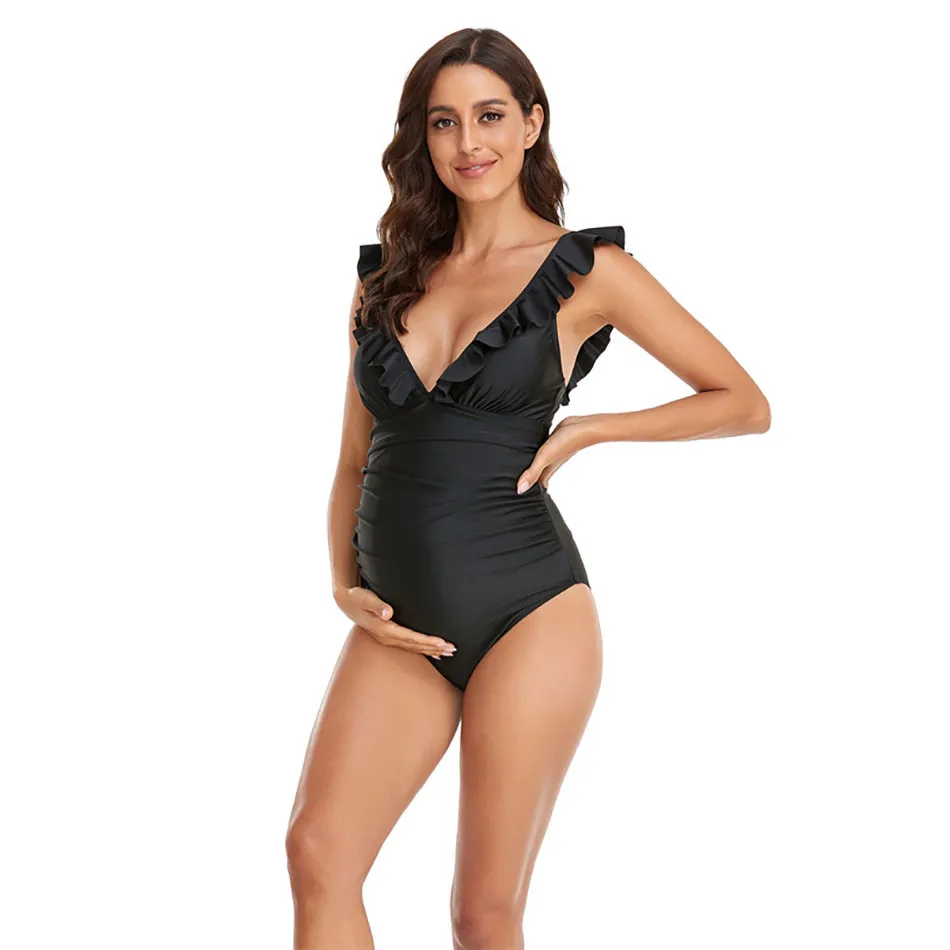
Wear supportive swimwear. Maternity swimsuits or athletic suits with extra coverage offer comfort. Consider wearing a swim belt for added stability.
Following these rules keeps swimming while pregnant both enjoyable and secure.
Best Strokes and Techniques for Each Trimester
Adapting Your Style as Your Body Changes
Each stage of pregnancy requires slight adjustments in swimming technique. During the first trimester, most strokes remain accessible. Freestyle allows efficient movement with minimal strain. Backstroke supports spinal alignment and improves breathing rhythm.
However, avoid holding your breath underwater. Exhale steadily to maintain oxygen flow. Use goggles to reduce neck strain when looking forward.
In the second trimester, buoyancy increases. The belly grows, altering balance. At this point, sidestroke becomes highly beneficial. It reduces abdominal pressure and supports side-lying positioning.
Breaststroke may cause discomfort due to hip and groin tension. Modify the kick or switch to flutter kicks between strokes. This maintains momentum without strain.
During the third trimester, mobility decreases. Floating and water walking offer excellent alternatives. Gentle kicking while holding the pool edge builds leg strength safely.
Try aqua aerobics moves in shallow water. Marching, arm lifts, and leg swings keep the body moving. These activities count toward daily exercise goals.
Always focus on smooth, rhythmic motions. Jerky or fast movements increase injury risk. Prioritize control over speed.
Adjusting techniques ensures comfort and effectiveness throughout pregnancy.
 Common Myths About Swimming While Pregnant
Separating Fact From Fiction
Several myths discourage women from swimming while pregnant. One common belief claims chlorine harms the baby. However, properly maintained pools pose no such danger. Chlorine kills harmful microbes, making water safer.
Another myth suggests swimming increases miscarriage risk. There is no scientific evidence supporting this. Moderate swimming actually lowers complications by improving circulation.
Some think swimming spreads infections easily. While public pools carry germs, basic hygiene minimizes risk. Shower before entering. Avoid swallowing pool water.
Others worry about water entering the uterus. This cannot happen. The cervix remains closed and protected. Amniotic fluid is sealed inside.
A popular misconception states that swimming cools the baby too much. Water temperature stays regulated. The mother’s body heat keeps the fetus warm.
Lastly, some believe only experienced swimmers should participate. Beginners can start with water walking or floating. Lessons tailored for pregnant women are widely available.
Understanding these truths empowers more women to enjoy swimming safely.
Choosing the Right Pool and Environment
Location Matters for Comfort and Security
Finding the right place to swim enhances safety and enjoyment. Indoor heated pools offer stable conditions year-round. Temperature control prevents chills. These facilities often have lifeguards and non-slip surfaces.
Community centers and YMCAs frequently host prenatal swim classes. These programs cater specifically to pregnant women. Instructors understand physiological changes and modify routines accordingly.
Outdoor pools work well in warm weather. Make sure sun exposure is limited. Use waterproof sunscreen and wear a hat when out of the water. Avoid peak UV hours between 10 a.m. and 4 p.m.
Avoid hot tubs and saunas entirely. High temperatures affect fetal development. Even brief exposure raises core body temperature dangerously.
Look for pools with gradual entry points. Zero-depth entries allow easy access. Ramps or stairs with handrails improve safety.
Check locker room cleanliness. Clean showers and sanitary changing areas reduce infection risk. Bring flip-flops to wear in wet areas.
If traveling, research hotel pools ahead of time. Confirm availability and accessibility. Call in advance to ask about class offerings.
The right environment supports confidence and consistency in swimming while pregnant.
 Frequently Asked Questions
Answers to Top Concerns From Expectant Mothers
Can I start swimming if I’ve never done it before? Yes, absolutely. Many beginners take up swimming during pregnancy. Start with short sessions in shallow water. Focus on floating and basic kicks.
Is it safe in the first trimester? Generally yes, with doctor approval. First-trimester fatigue may limit energy. Adjust duration based on how you feel.
What if I get tired quickly? Fatigue is normal. Take breaks between laps. Sit on the steps and breathe deeply. Resume when ready.
Should I wear a life jacket? Not usually. Most pregnant women float well due to increased body fat. However, a swim vest can boost confidence if needed.
Can swimming induce labor? No direct link exists. Late-pregnancy exercise may encourage natural onset. But it does not trigger premature labor.
Are public pools germ-free? Not entirely. Yet proper chlorination kills most pathogens. Practice good hygiene to stay protected.
Do I need special gear? Supportive swimwear helps. Goggles and a swim cap improve comfort. Fins or paddles are optional for advanced users.
These answers clarify doubts and promote informed decisions.
 Final Thoughts
Swimming while pregnant stands out as one of the safest and most rewarding forms of exercise. It supports physical health, eases discomfort, and prepares the body for childbirth. With proper guidance, nearly every expectant mother can enjoy its benefits.
From reducing swelling to improving mood, the advantages are clear. Following safety rules ensures a positive experience. Adjusting strokes and routines across trimesters maintains comfort.
Ultimately, staying active contributes to a smoother pregnancy journey. Whether you’re a seasoned swimmer or trying it for the first time, the water welcomes all. So dive in—responsibly and confidently—and embrace the power of swimming while pregnant.