If you’ve ever seen swimmers move in perfect unison underwater while performing graceful routines, you’ve likely witnessed artistic swimming. Formerly known as synchronized swimming, this sport blends elements of dance, gymnastics, and swimming into a single dynamic performance. Athletes train for years to master strength, flexibility, and breath control. Their routines are set to music and judged on precision, creativity, and technical execution.
But what is artistic swimming exactly? It’s not just about looking elegant in water. It demands intense physical conditioning, mental focus, and teamwork. Swimmers must stay synchronized while upside down, holding their breath, and executing complex movements. This article explores every aspect of the sport in detail.
 The Origins and Evolution of Artistic Swimming
From Victorian Bathing Beauties to Olympic Competition
Artistic swimming began in the late 1800s in Europe. Women performed choreographed routines in lakes and pools during public exhibitions. These early displays focused more on beauty than athleticism. Costumes were elaborate, and movements mimicked ballet.
Over time, the sport became more athletic. By the 1920s, performers added acrobatics and formations. They began using music to guide timing and rhythm. Teams started competing rather than just entertaining.
In 1956, it was recognized as a competitive sport by FINA, the international swimming federation. Then, in 1984, artistic swimming debuted at the Los Angeles Olympics. Since then, it has evolved significantly. Routines now include lifts, throws, and rapid transitions.
Judges evaluate both technical merit and artistic impression. Swimmers must demonstrate difficulty, synchronization, and musical interpretation.
Today, the sport continues to grow globally. More countries invest in training programs. Young athletes begin as early as age six or seven.
Therefore, understanding what is artistic swimming involves recognizing its rich history and transformation into a high-level discipline.
Core Elements That Define the Sport
Synchronization, Strength, and Underwater Control
At its heart, artistic swimming revolves around precise timing. Every movement must match across all team members. Even a slight delay can cost points. Swimmers train extensively to achieve near-perfect unity.
Strength plays a major role too. Athletes need powerful legs to stay afloat while performing sculling motions. Upper body strength supports lifts and partner work. Core stability keeps bodies aligned and balanced.
Breath control is equally important. Swimmers often perform underwater sequences lasting 30 seconds or more. They learn to conserve oxygen and maintain composure under pressure.
Sculling is a fundamental hand technique. It creates lift and propulsion without visible splashing. There are several types: support scull, propeller scull, and stationary scull. Each serves a different purpose.
Swimmers also use eggbeater kicks to stay upright. This efficient leg motion allows them to keep their torsos above water. It frees their arms for expressive gestures.
Choreography combines these skills into fluid routines. Movements flow from one to the next seamlessly. Transitions must appear effortless, even when they’re extremely difficult.
Thus, what is artistic swimming if not a display of total body mastery?
 Solo, Duet, and Team Competitions Explained
How Events Are Structured in Modern Competitions
Artistic swimming features three main event formats: solo, duet, and team. Each has unique challenges and scoring criteria. Athletes may compete in multiple categories depending on their level.
Solo events highlight individual skill. One swimmer performs a routine alone. She must convey emotion, maintain balance, and execute complex moves without support. Judges look closely at technical precision.
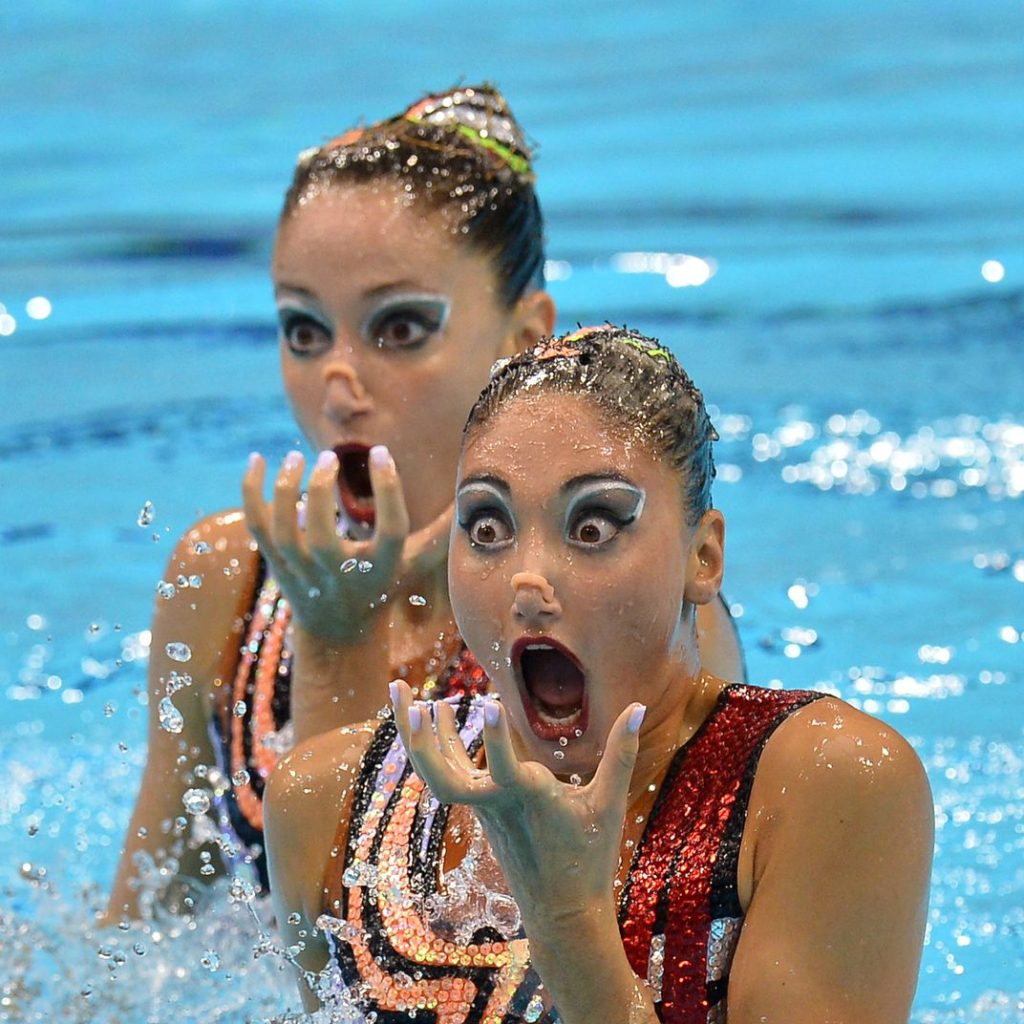
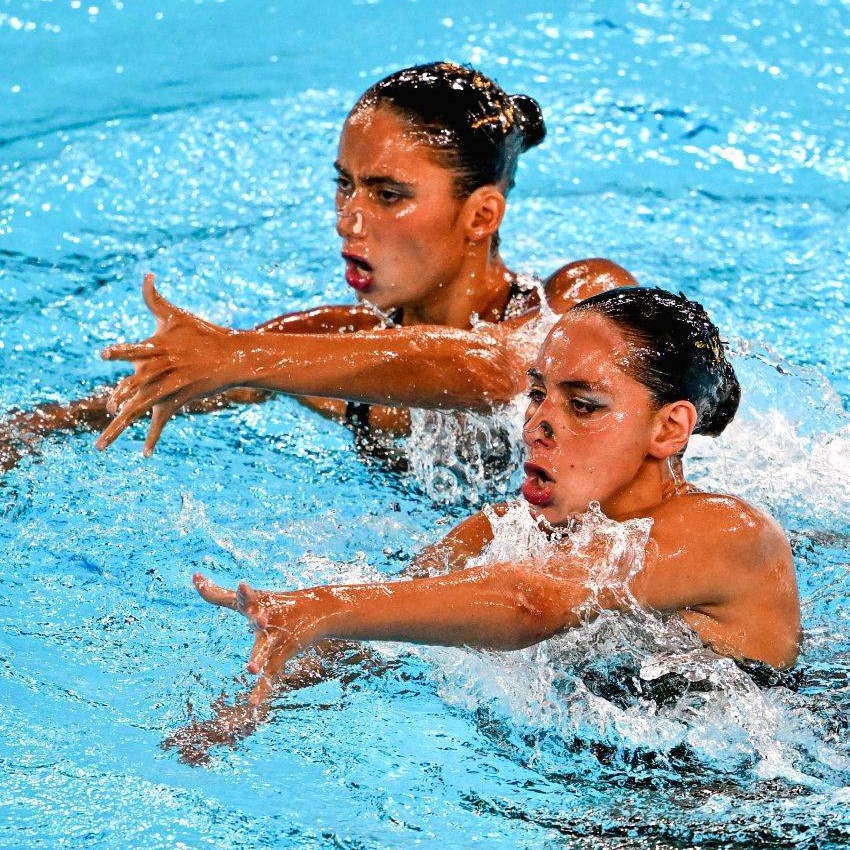
Duet routines involve two swimmers. They mirror each other or interact through lifts and formations. Timing between partners becomes even more critical. Any misalignment is immediately noticeable.
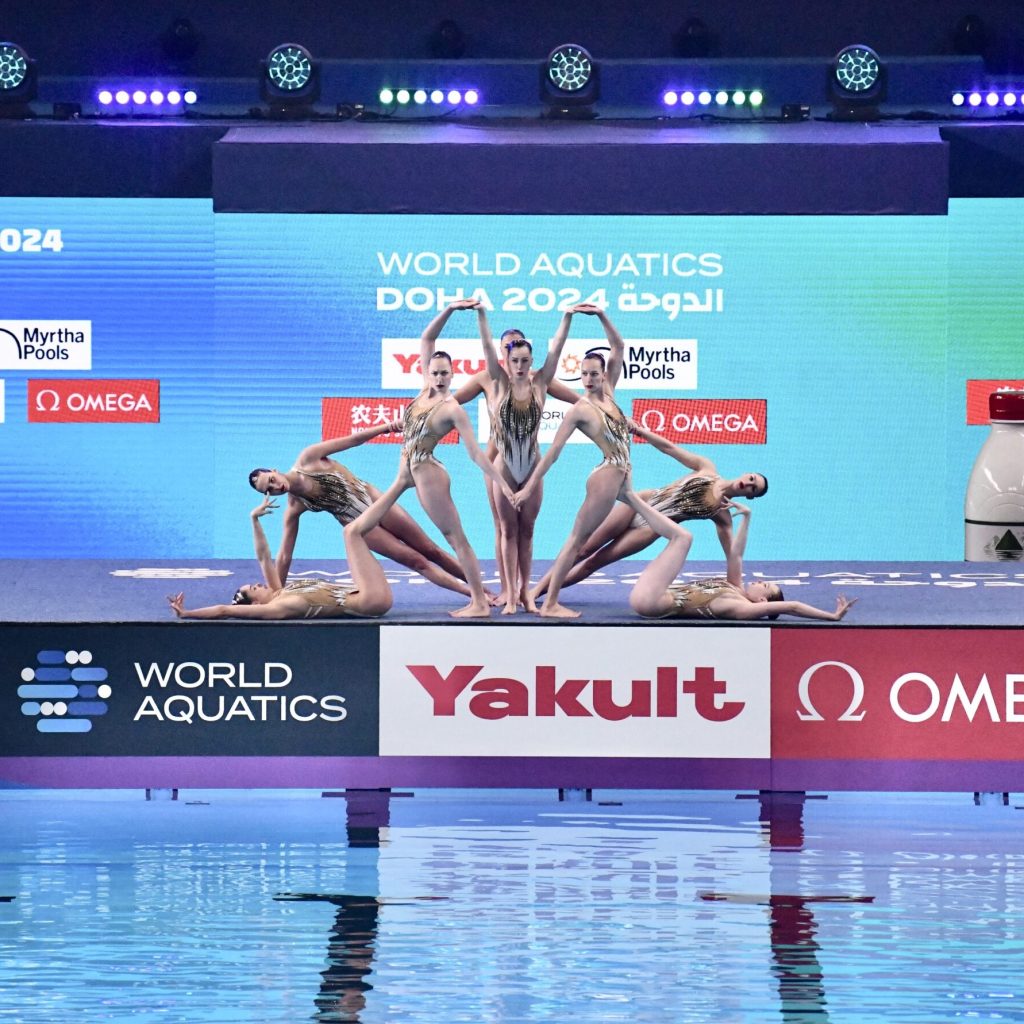
Team events usually include eight swimmers. Some competitions allow up to ten. These routines emphasize formations, transitions, and group dynamics. Large patterns like circles, lines, and waves are common.
Free routines allow creative freedom. Swimmers choose their music and choreography. Technical routines follow specific requirements set by judges. Both are scored separately.
Competition pools are typically 25 meters long. Water depth helps with safety during lifts. Underwater speakers allow swimmers to hear music clearly below the surface.
All formats test endurance, artistry, and coordination. Mastery in one area doesn’t guarantee success—balance is key.
Training Regimens and Physical Demands
Daily Practice Routines of Elite Artistic Swimmers
Elite artistic swimmers follow grueling training schedules. Most practice four to six hours per day. Sessions include pool time, dryland workouts, and dance classes.
In-water practice focuses on routine repetition. Swimmers run sections over and over. Coaches correct small errors in hand position, kick height, or timing. Precision improves with constant review.
Dryland training builds strength and flexibility. Gym sessions include core work, resistance exercises, and plyometrics. Stretching routines enhance range of motion.
Many swimmers take ballet or contemporary dance. These classes improve posture, expression, and musicality. Body awareness translates directly to water performance.
Breath-holding drills are essential. Athletes practice static apnea—holding their breath while floating still. Others do dynamic drills, swimming laps underwater.
Endurance training includes aerobic and anaerobic conditioning. Swimmers build lung capacity and muscle stamina. High-intensity intervals simulate competition stress.
Nutrition supports this intense lifestyle. Balanced diets fuel recovery and performance. Hydration is monitored closely, especially in heated pools.
Mental preparation is also crucial. Visualization techniques help swimmers rehearse routines mentally. Focus and confidence grow through repetition.
 Judging Criteria and Scoring System
How Points Are Awarded in Artistic Swimming
Judges score routines based on two main components: technical merit and artistic impression. Each category carries equal weight. Scores from multiple judges are averaged to prevent bias.
Technical scores assess difficulty and execution. Required elements must be included in technical routines. Missing one results in point deductions. Execution flaws like poor alignment or mistimed moves reduce scores.
Artistic impression evaluates choreography, musical interpretation, and presentation. Routines should tell a story or evoke emotion. Creativity enhances appeal.
Synchronization is a separate but vital factor. Judges watch for uniformity in movement, height, and timing. Even minor delays between swimmers lead to penalties.
Difficulty levels increase with advanced skills. Moves like vertical boosts, basket tosses, or inverted spins earn higher base values. However, failed attempts result in steep deductions.
Routines must stay within time limits. Exceeding or falling short leads to automatic point loss. Most free routines last between two and four minutes.
Video replay assists judges during close evaluations. Slow-motion footage reveals subtle errors invisible in real time.
Because scoring is so detailed, consistency matters. Top teams minimize mistakes and maximize impact.
Common Misconceptions About the Sport
Addressing Myths and Stereotypes
Many people misunderstand what is artistic swimming. Some assume it’s not physically demanding. In reality, it ranks among the most strenuous sports. Athletes train harder than most realize.
Others believe swimmers only perform above water. In truth, much of the action happens beneath the surface. Legs kick vigorously while arms create shapes overhead.
Another myth is that makeup and costumes are purely decorative. In fact, facial expressions are judged. Waterproof makeup prevents smudging and enhances visibility.
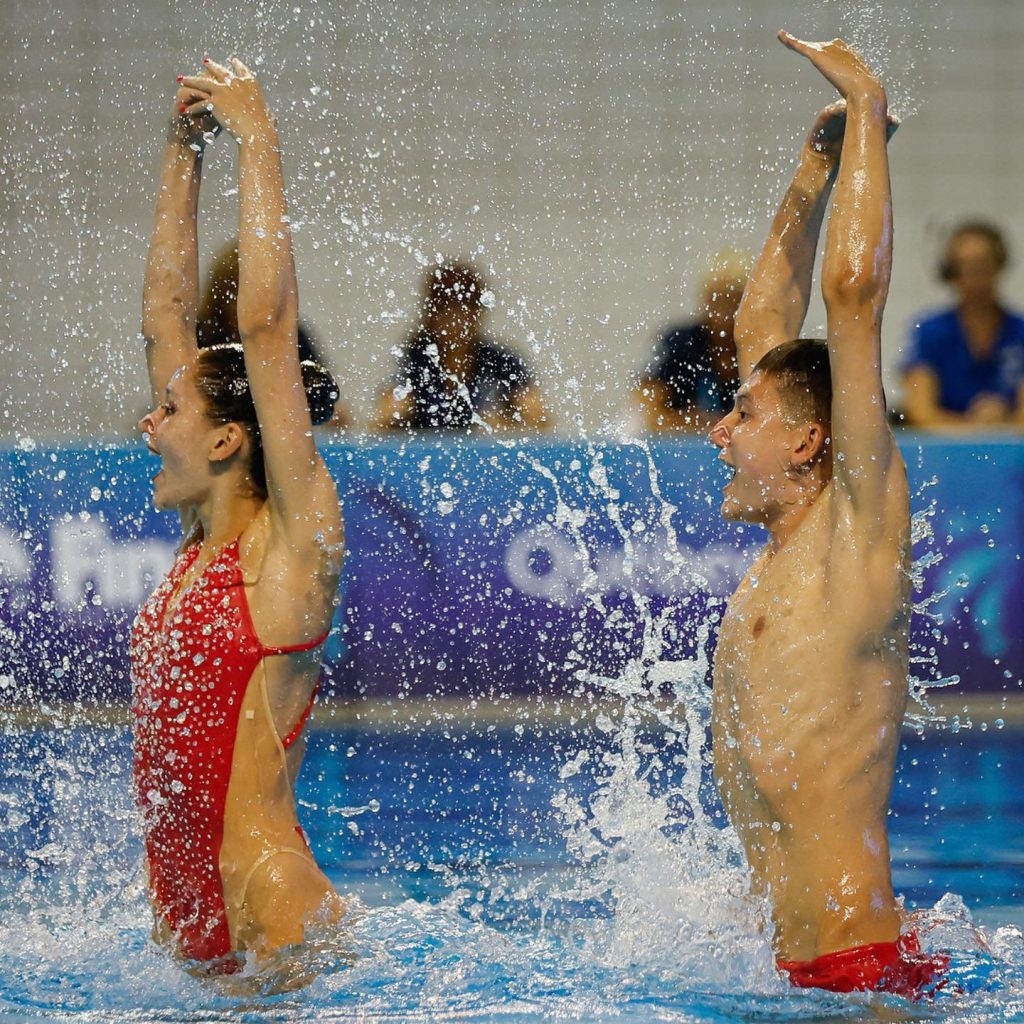
Some think men cannot participate. While historically female-dominated, men now compete in mixed duets. Countries like Japan and the U.S. have introduced male athletes.
People also assume routines are easy to coordinate. But swimmers cannot hear music clearly underwater. They rely on hand signals, counting, and muscle memory.
Finally, many overlook the injury risk. Shoulder strain, ear infections, and vision problems are common. Long-term training takes a toll on the body.
Correcting these misconceptions helps raise respect for the sport.
Frequently Asked Questions About Artistic Swimming
Can Men Participate in Artistic Swimming?
Yes, though opportunities are limited. FINA now allows male swimmers in mixed duet events. More nations are beginning to include men in training programs.
Do Swimmers Keep Their Eyes Open Underwater?
Yes, most do. They adapt to chlorine and pressure. Goggles are rarely used during performances to maintain visual clarity.
How Do They Stay Up Without Sinking?
They use eggbeater kicks and sculling motions. These generate lift and allow extended time above water.
Is Lipstick Really Necessary?
Yes, it serves a purpose. Bright red lipstick prevents lips from blending in. It also helps judges see facial expressions clearly.
How Long Do They Hold Their Breath?
Top athletes hold breath for 30–60 seconds. Some sequences require multiple submersions in one routine.
Do They Wear Special Suits?
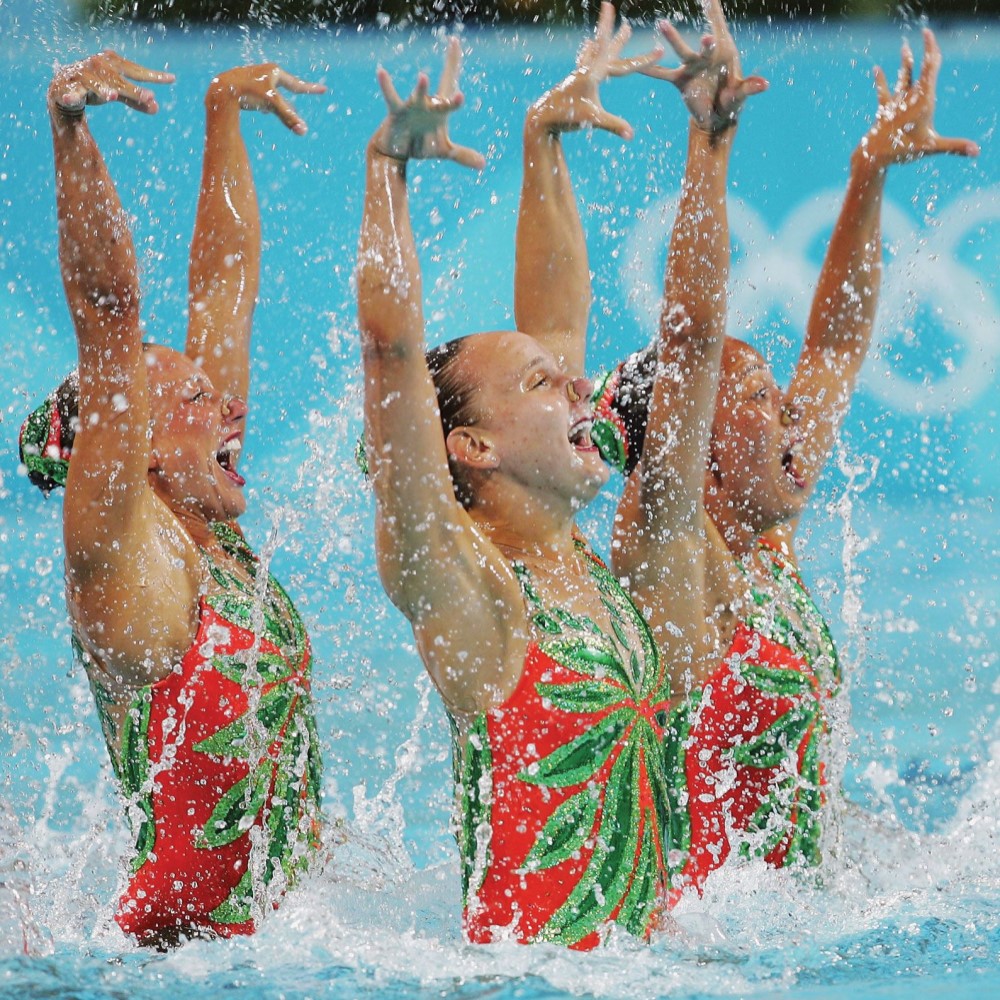
Yes, suits are custom-made. They include padding, strong seams, and secure fastenings. Designs often reflect the theme of the music.
 Final Thoughts: Why Artistic Swimming Deserves Recognition
Artistic swimming combines power, grace, and extreme discipline. It challenges athletes mentally and physically every day. Few sports demand such complete body control and artistic expression.
From its origins as a leisure activity to its status as an Olympic event, the sport has grown immensely. Today, it showcases incredible talent and innovation.
Understanding what is artistic swimming means appreciating its complexity. It’s not just synchronized splashing—it’s a true fusion of sport and art.
For fans, newcomers, or aspiring swimmers, this guide offers a full picture. Whether you’re watching live or learning the basics, there’s much to admire.
The future of artistic swimming looks bright. With growing inclusivity and global interest, it will continue to evolve. Its place in the world of sports is well-earned.