Maintaining a clean and safe swimming environment starts with the right use of swimming pool chemicals. These essential products keep water free from harmful bacteria, algae, and contaminants. Without proper chemical balance, pools can become breeding grounds for illness and discomfort. Cloudy water, skin irritation, and strong chlorine smells often signal imbalance.
Moreover, understanding how different swimming pool chemicals interact ensures long-term pool health. Chlorine, pH adjusters, algaecides, and shock treatments all play unique roles. Regular testing and scheduled dosing prevent problems before they arise. Whether you own an in-ground, above-ground, or indoor pool, consistent care is non-negotiable. By mastering the basics, you create a welcoming space for family and guests. Ultimately, effective use of swimming pool chemicals leads to safer, clearer, and more enjoyable swims.
 Understanding the Role of Chlorine
Keeping Water Sanitized and Safe
Chlorine remains the most widely used swimming pool chemical. It kills bacteria, viruses, and other pathogens on contact. This action prevents the spread of waterborne illnesses.
When added to water, chlorine forms hypochlorous acid. This compound attacks microorganisms quickly and efficiently. Free available chlorine (FAC) measures how much is active and ready to work.
Stabilized chlorine contains cyanuric acid. This ingredient protects against UV breakdown in outdoor pools. As a result, chlorine lasts longer under sunlight.
Unstabilized types work faster but fade quickly. They suit indoor pools or short-term treatments.
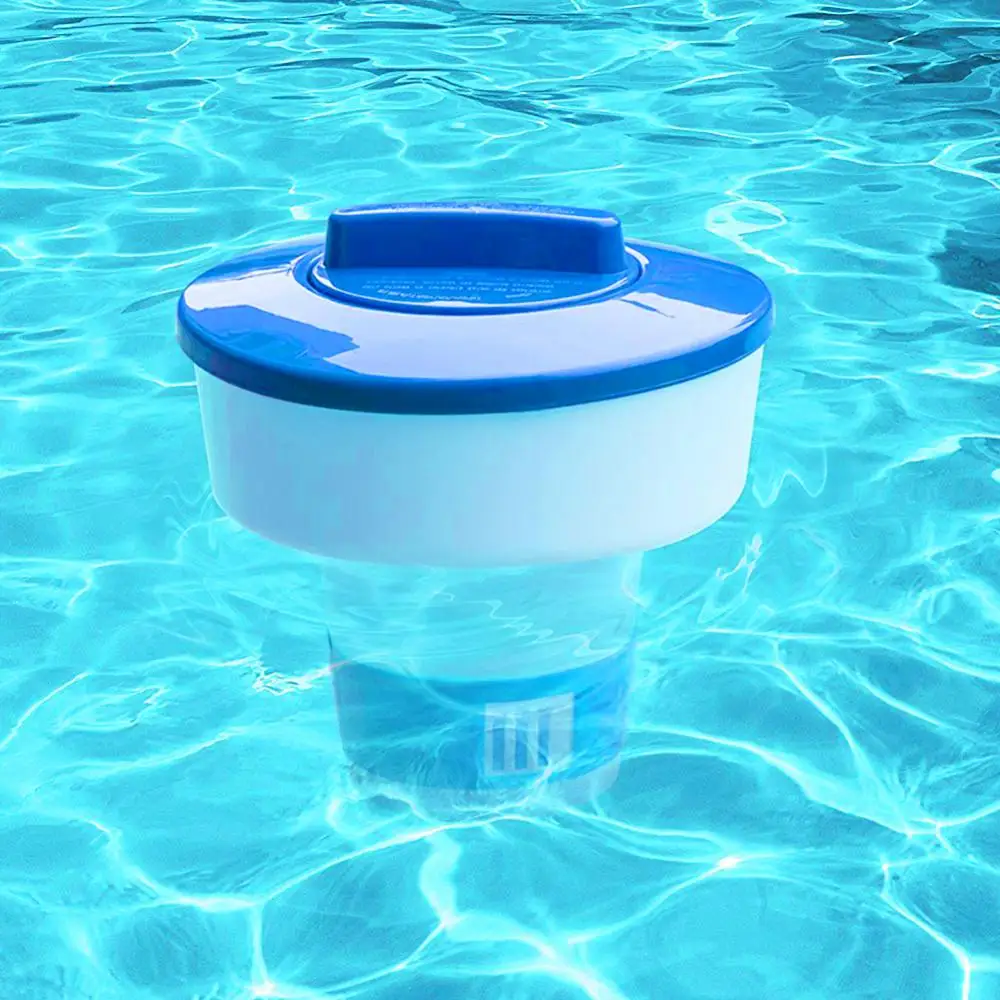
Chlorine comes in several forms. Tablets dissolve slowly and feed into the system over time. Granular chlorine acts fast for immediate correction. Liquid bleach offers precise control without residue.
Too little chlorine allows germs to grow. Too much causes red eyes, dry skin, and strong odors. Therefore, maintaining 1–3 ppm (parts per million) is ideal.
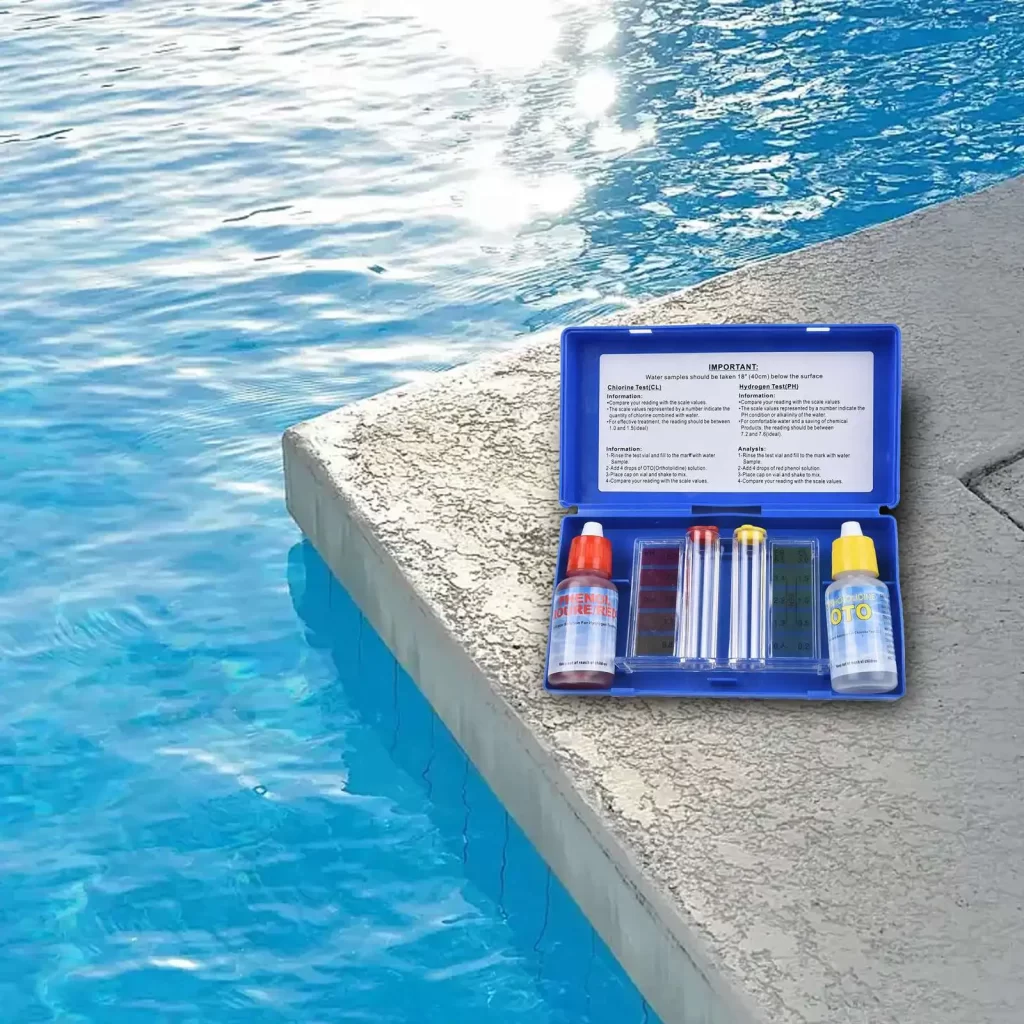
Test strips or digital meters check levels weekly. Adjustments should follow manufacturer instructions.
By using chlorine correctly, you ensure a hygienic swimming experience. It remains a cornerstone of any effective swimming pool chemicals routine.
Managing pH Levels Effectively
Creating Comfortable and Stable Water Conditions
pH balance is just as important as chlorine levels. The ideal range for swimming pool chemicals is between 7.2 and 7.6. At this level, chlorine works efficiently.
If pH rises above 7.8, chlorine becomes less effective. Algae growth increases. Swimmers may feel scale buildup on skin and hair.
Low pH, below 7.0, makes water acidic. This condition corrodes metal parts. It also irritates eyes and damages pool surfaces.
To raise pH, add soda ash (sodium carbonate). Start with small amounts and retest after circulation.
To lower pH, use muriatic acid or sodium bisulfate. Pour near return jets to disperse evenly. Never mix chemicals directly.
Always add chemicals to water—not water to chemicals. This prevents dangerous reactions.
Rain, swimmer waste, and fill water affect pH daily. Frequent testing catches shifts early.
Automated controllers monitor pH in real time. They dose chemicals as needed. These systems reduce manual labor significantly.
Balanced pH protects equipment and enhances comfort. Therefore, it must be part of every swimming pool chemicals plan.
 Using Shock Treatments for Deep Cleaning
Eliminating Buildup and Restoring Clarity
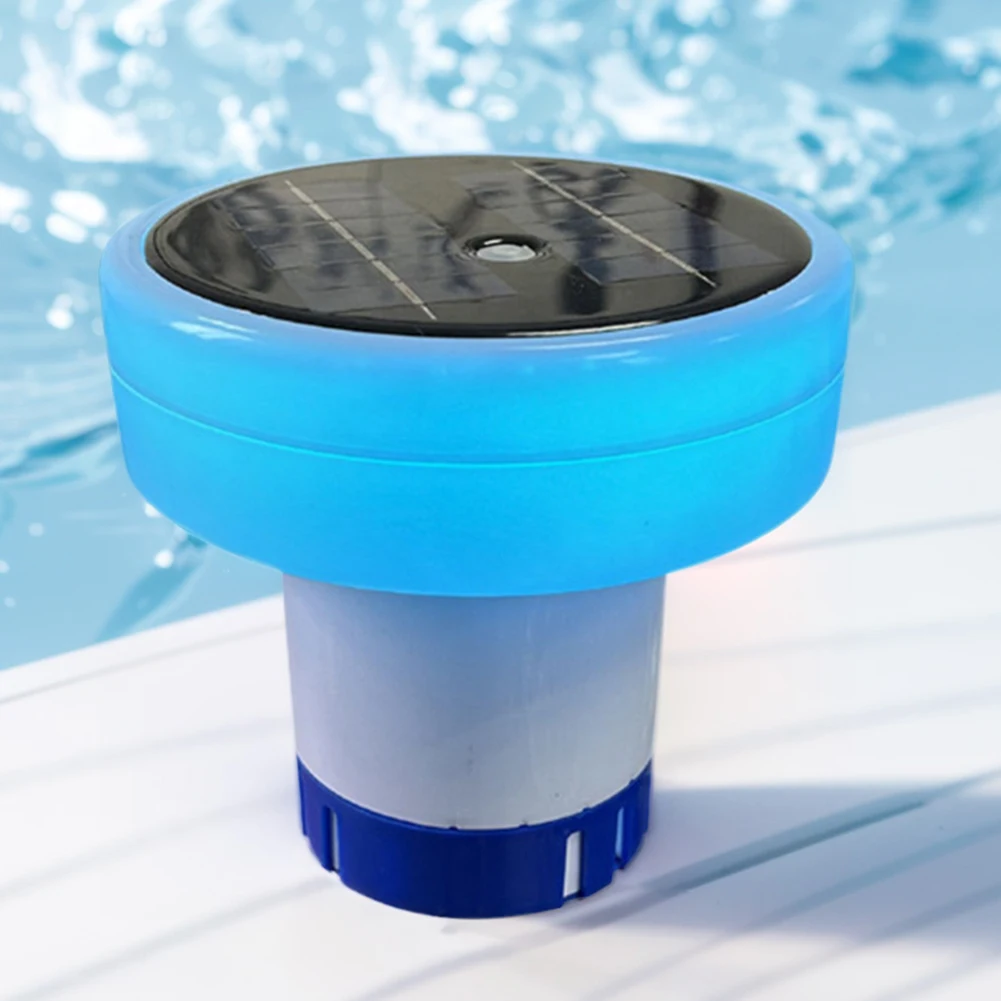
Shock treatment is a powerful tool among swimming pool chemicals. It breaks down combined chlorine, also known as chloramines. These compounds cause eye irritation and foul odors.
Shocking oxidizes contaminants that regular chlorine cannot handle. It clears cloudy water and restores sparkle. Most experts recommend shocking weekly. Heavy use or storms may require extra sessions.
There are two main types: chlorine-based and non-chlorine shock. Chlorine shock raises free chlorine levels dramatically. It kills lingering bacteria and algae spores.
Non-chlorine shock uses potassium monopersulfate. It works quickly and allows swimming within 15 minutes. However, it does not sanitize—only oxidize.
Apply shock in the evening. Sunlight degrades chlorine fast. Nighttime application maximizes effectiveness.
Distribute granules evenly across the surface. Run the pump for at least 8 hours afterward. This circulates the treatment fully.
After shocking, wait until chlorine drops below 5 ppm before swimming. Test first to confirm safety.
Regular shocking prevents long-term issues. It keeps your swimming pool chemicals system running smoothly.
Preventing Algae Growth with Algaecides
Stopping Green, Yellow, and Black Problems Early
Algae can turn a clear pool into a slippery mess overnight. Green algae appear most often. Yellow (mustard) and black (blue-green) variants are harder to remove.
Algaecides act as preventive support in your swimming pool chemicals lineup. They do not replace chlorine. Instead, they stop algae before it takes hold.
Copper-based formulas are common. They inhibit cell growth and work well with chlorine. However, too much copper stains surfaces blue or gray.
Polyquat algaecides are non-metallic. They leave no residue and are safe for all pool types. They work slower but last longer.
Use algaecide weekly during peak season. Increase dosage after heavy rain or high bather loads.
Never pour algaecide into a skimmer. Add it directly to the water while the pump runs.
If algae appears, treat immediately. Brush walls and floors first. Then apply shock and algaecide together.
Prevention beats cure. Routine use of algaecide reduces future cleaning effort. It supports overall water stability.
Balancing Total Alkalinity and Calcium Hardness
Supporting Long-Term Water Stability
Total alkalinity (TA) buffers pH changes. It keeps levels steady despite outside influences. The ideal range is 80–120 ppm.
Low TA causes rapid pH swings. This condition stresses both swimmers and equipment. To raise it, add sodium bicarbonate (baking soda).
High TA makes it hard to adjust pH. Acid additions have little effect. Use muriatic acid to bring it down gradually.
Calcium hardness matters too. It prevents plaster erosion and vinyl wrinkling. Ideal levels fall between 200–400 ppm.
Soft water leaches calcium from surfaces. This damages grout and metal fixtures. Add calcium chloride to correct low levels.
Hard water causes scale buildup. It clouds water and clogs filters. Partial draining and refilling reduce excess minerals.
Test both TA and calcium monthly. Make adjustments slowly to avoid overcorrection.
These factors support your primary swimming pool chemicals. They create a stable foundation for chlorine and pH.
 Saltwater Systems and Alternative Options
Reducing Reliance on Traditional Chemicals
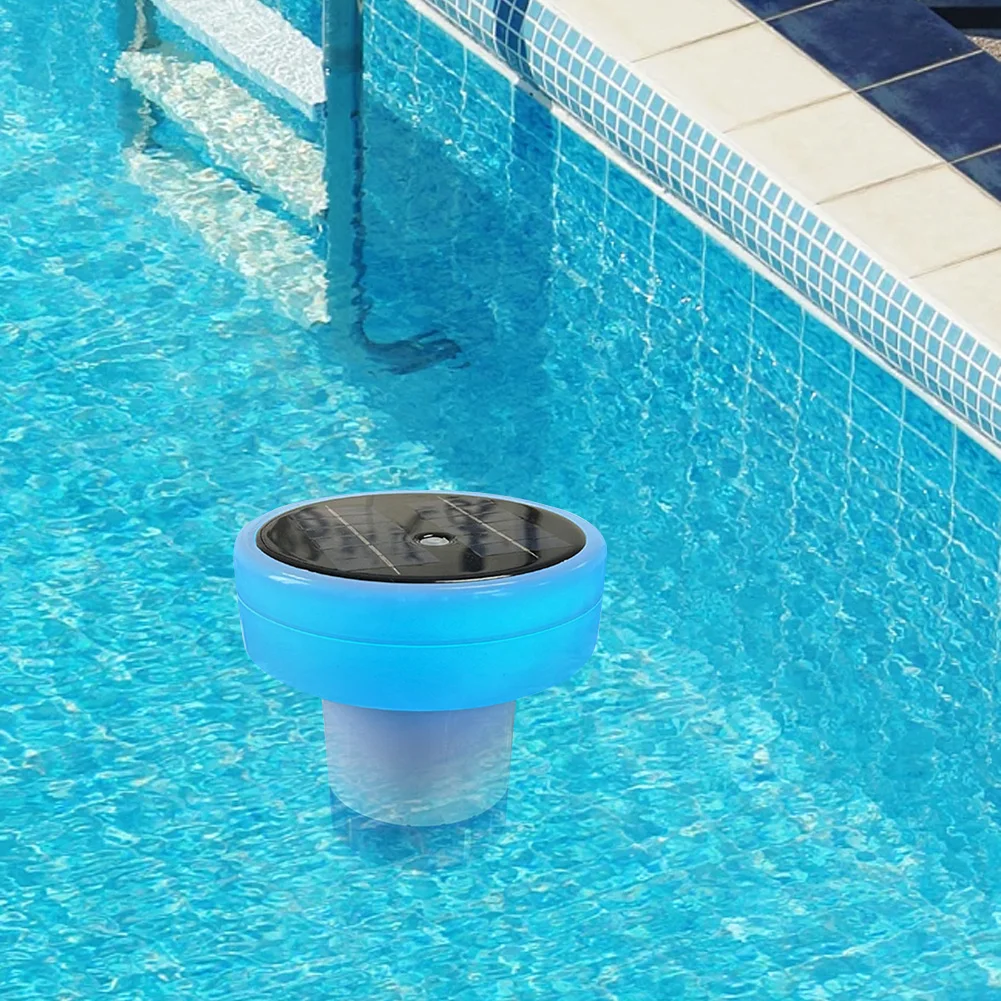
Saltwater pools use a chlorine generator instead of direct chlorine addition. A salt cell converts salt into chlorine through electrolysis.
This method produces a steady, low dose of chlorine. It feels gentler on skin and eyes. Many users report fewer odors and irritation.
Still, saltwater pools need other swimming pool chemicals. pH, alkalinity, and stabilizer levels require monitoring. Salt does not replace these needs.
Salt cells need maintenance. Clean them every few months to remove mineral buildup. Check salt levels regularly. Ideal concentration is 2,700–3,400 ppm.
Other alternatives include ozone and UV systems. These reduce chlorine demand by destroying contaminants. However, they do not eliminate the need for some chlorine.
Mineral sanitizers release silver and copper ions. They suppress bacteria and algae. Still, pairing with low-dose chlorine remains necessary.
No system removes all chemicals. Each option changes how you use swimming pool chemicals—not whether you use them.
Choose based on budget, maintenance tolerance, and local water quality.
Storage, Handling, and Safety Tips
Protecting People and Pets from Hazards
Swimming pool chemicals are powerful substances. Improper handling can cause burns, fumes, or fires. Always read labels before use.
Store all products in a cool, dry, ventilated area. Keep them away from direct sunlight and moisture. Heat degrades many compounds.
Keep containers tightly sealed. Spills increase risks and reduce effectiveness.
Never mix different chemicals. Doing so can create toxic gases. For example, combining acid and chlorine releases chlorine gas.
Wear gloves and goggles when measuring. Avoid breathing dust or vapors. Work in open areas only.
Add chemicals to water—not water to chemicals. This rule prevents violent reactions.
Keep children and pets far away during treatment. Lock storage cabinets securely.
Dispose of old or damaged products properly. Contact local waste centers for guidance.
Safe practices protect your family and extend product life. Respect is key when working with swimming pool chemicals.
 Frequently Asked Questions
Common Concerns Answered Clearly
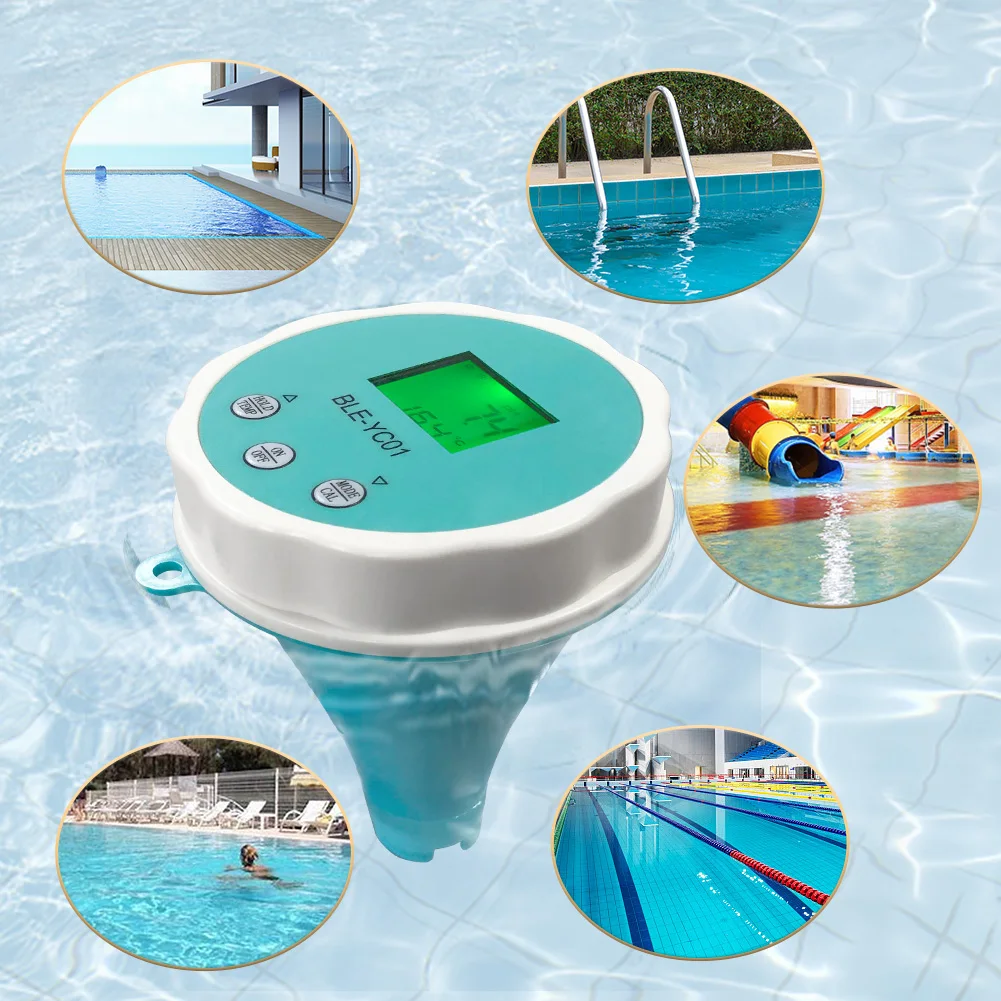
How often should I test my water? Test chlorine and pH two to three times per week. Check alkalinity and stabilizer weekly.
Can I swim right after adding chemicals? Wait at least 15–30 minutes after balanced additions. After shock or acid, wait 4–8 hours.
Why does my pool smell like chlorine? That odor usually means chloramines—not enough free chlorine. Shock the water to fix it.
Do I still need chlorine if I have a salt system? Yes. Salt systems generate chlorine. They don’t eliminate the need for it.
What happens if I over-shock? High chlorine levels are unsafe. Stop adding chemicals. Run the pump and let levels drop naturally.
Can I use household bleach? Some liquid bleach works. Ensure it’s plain sodium hypochlorite without additives.
How do I know which chemicals to buy? Start with test results. Address imbalances one at a time. Follow dosage charts carefully.
These answers help simplify pool care.
 Final Thoughts: Mastering Your Swimming Pool Chemicals Routine
Consistent use of swimming pool chemicals ensures clean, safe, and inviting water. From chlorine and pH adjusters to shock and algaecides, each plays a vital role. Together, they prevent illness, maintain clarity, and protect equipment.
Understanding how these products work saves time and money. It also reduces stress during peak swimming months. With practice, balancing becomes routine.
Whether you manage a small backyard pool or a large residential setup, attention to detail matters. Testing, dosing, and storing correctly lead to long-term success.
Ultimately, investing in quality swimming pool chemicals pays off. It creates a healthier environment for everyone who takes a dip.