Learning how to breathe while swimming is one of the most important skills every swimmer must develop. Without proper breathing technique, even strong swimmers tire quickly, lose rhythm, or feel anxious in the water. Unlike on land, where breathing happens naturally, swimming requires timing, coordination, and body awareness. When done correctly, it supports stamina, stroke efficiency, and confidence in all four main strokes—freestyle, backstroke, breaststroke, and butterfly.
Moreover, poor breathing habits lead to sinking hips, increased drag, and inefficient movement. Many beginners hold their breath underwater, which causes tension and limits performance. Others lift their heads too high, disrupting balance. Mastering how to breathe while swimming transforms a struggle into smooth, rhythmic motion. Transitioning from gasping to controlled respiration makes swimming enjoyable and sustainable for all ages and fitness levels.
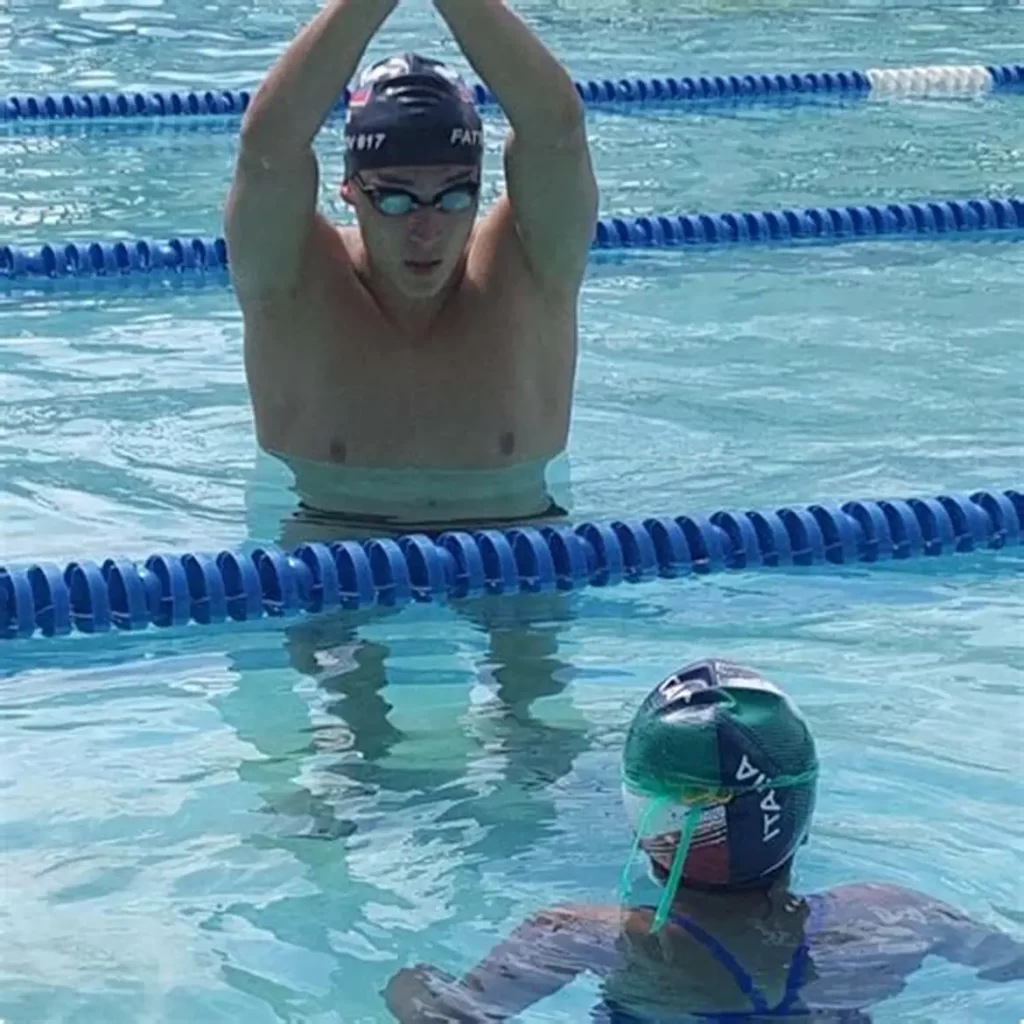 Why Proper Breathing Improves Your Swimming Performance
How Oxygen Flow Affects Speed, Stamina, and Form
Breathing properly while swimming directly impacts your endurance and speed. When your muscles receive enough oxygen, they work more efficiently. This delays fatigue and allows longer, stronger swims. In contrast, shallow or irregular breathing leads to early exhaustion and muscle cramps.
Additionally, rhythmic breathing stabilizes your stroke cycle. It creates a predictable pattern that improves timing and coordination. For example, in freestyle, taking a breath every third stroke keeps your body balanced and symmetrical. This reduces unnecessary rolling and drag.
Good breathing also lowers heart rate. Calm, deep inhales signal the nervous system to relax. As a result, you stay focused and avoid panic, especially in open water. Swimmers who master this skill often report feeling calmer and more in control.
Another benefit is improved posture. When you time your breath with your stroke, your head stays aligned. You don’t lift it too high or drop a shoulder excessively. This maintains a streamlined position in the water.
Over time, consistent practice builds muscle memory. Breathing becomes automatic, not something to think about.
Transitioning from forced to fluid breathing enhances overall swimming quality.
The Correct Head Position for Efficient Breathing
Aligning Your Body to Breathe Without Disruption
Head position plays a crucial role in how to breathe while swimming. If your head is too high, your hips sink. This increases resistance and slows you down. Instead, keep your head in line with your spine. Imagine a straight line from your neck to your tailbone.
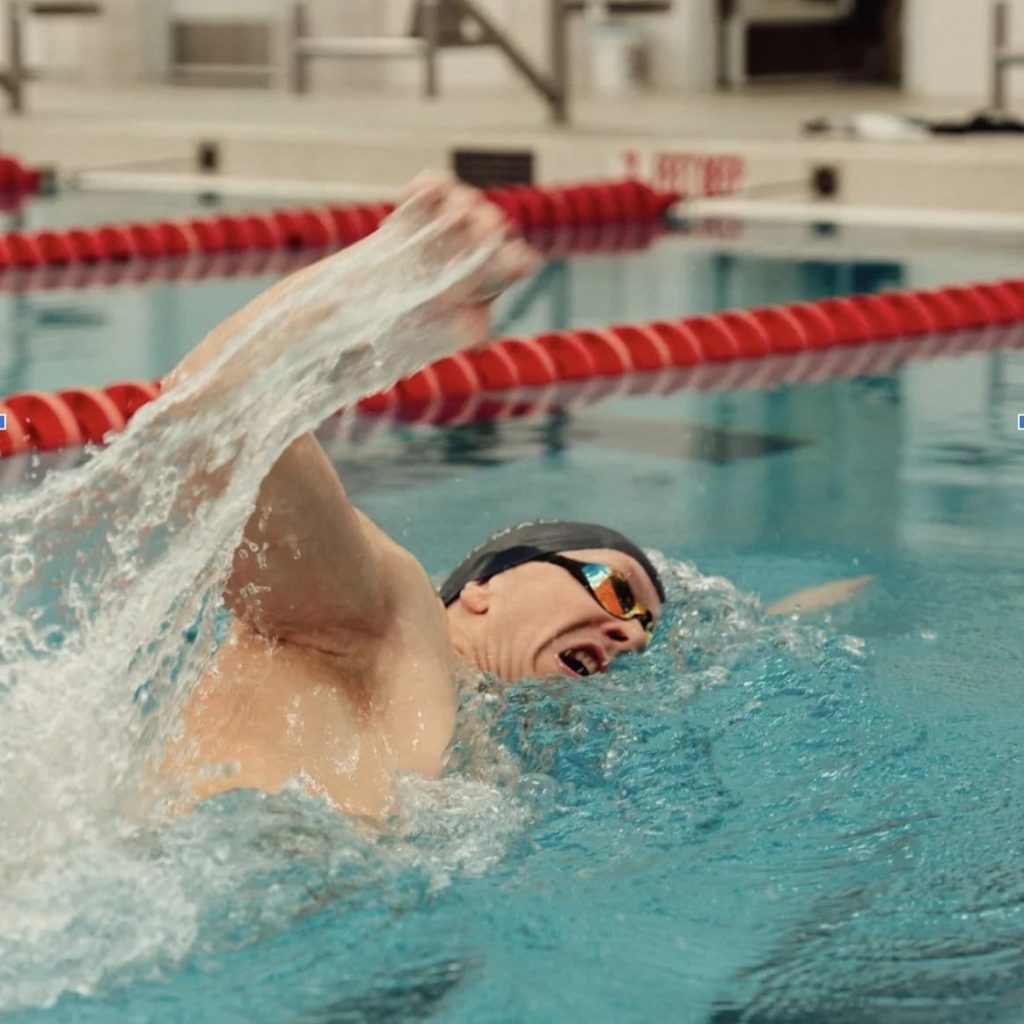
When turning to breathe in freestyle, rotate your head sideways—not upward. Only one goggle should clear the water. Use your shoulder and body roll to assist the motion. Avoid jerking your head out like a turtle. This breaks your form and wastes energy.
Exhale slowly through your nose and mouth while your face is in the water. Release air steadily, not all at once. By the time you turn to inhale, your lungs are nearly empty. This allows a quick, full breath without holding.
For backstroke, keep your head still and relaxed. Let your ears stay submerged. Breathe in as your arm pulls past your hip. Exhale during recovery. The sky-facing mouth makes inhalation easy.
In breaststroke, lift your head just enough to get your mouth above water. Use the natural rise of your upper body during the pull phase. Don’t overextend your neck. Return your face smoothly into the water as you kick.
Practice with a snorkel to focus on body alignment. It removes breathing distractions temporarily.
Transitioning from awkward lifts to smooth turns improves both comfort and speed.
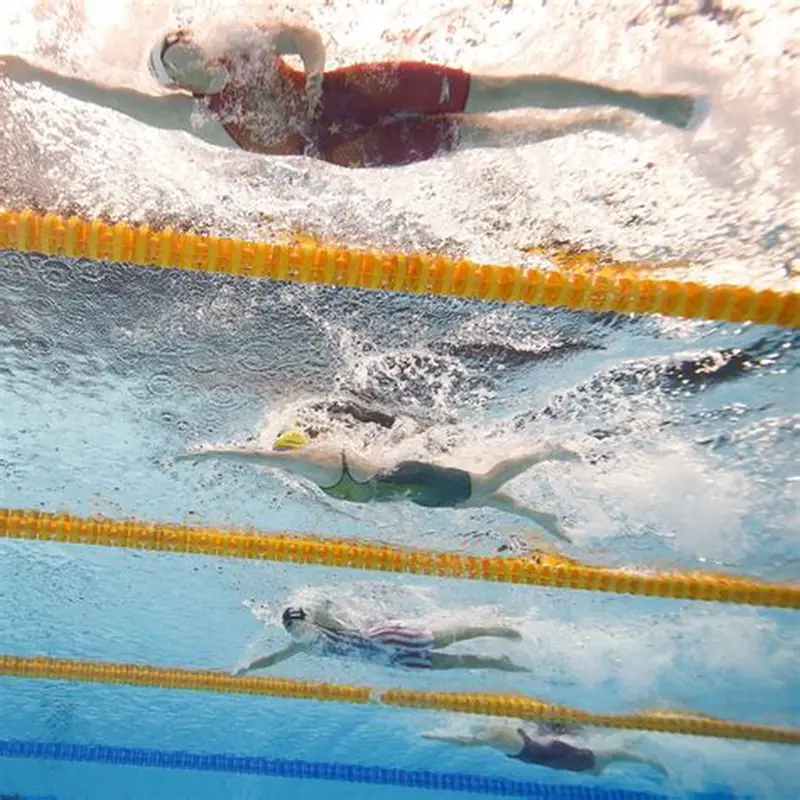 Bilateral Breathing: Why You Should Breathe on Both Sides
Building Balance and Symmetry in Freestyle
Bilateral breathing means taking breaths on both the left and right sides during freestyle. Most beginners breathe only to one side. While easier at first, this habit creates imbalances. One shoulder rises higher. Your stroke path drifts slightly. Over time, it can lead to muscle strain or poor form.
By switching sides every three or five strokes, you maintain symmetry. Your body rolls evenly. Your arms pull with equal power. This balanced approach helps you swim straighter and more efficiently.
It also prepares you for open water. Waves, sun glare, or boat traffic may block one side. Knowing how to breathe on the opposite side keeps you safe and comfortable.
Start by practicing every third stroke. This naturally alternates sides. Count: “breathe-left, stroke, stroke, breathe-right, stroke, stroke.” The rhythm supports consistency.
Use fins or a snorkel at first if needed. These tools help maintain body position while focusing on timing.
Even elite swimmers use bilateral breathing in training. It’s not about speed—it’s about control.
Transitioning from one-sided to alternating breathing builds long-term skill and resilience.
Common Breathing Mistakes and How to Fix Them
Identifying and Correcting Poor Habits Quickly
Many swimmers make the same few mistakes when learning how to breathe while swimming. One common error is holding the breath underwater. This builds carbon dioxide and triggers panic. Instead, exhale continuously through the nose and mouth. Stay relaxed.
Another mistake is lifting the head too high. This drops the hips and creates drag. Practice turning your head just enough to get air. Use a swim mirror or video feedback to check form.
Some swimmers gasp quickly at the surface. They don’t take full breaths. This leads to shallow respiration. Focus on fast inhale, slow exhale. Time your breath with your stroke cycle.
Turning the entire head instead of rotating with the body disrupts alignment. Let your shoulders guide the turn. Keep one goggle in the water.
Breathing every second stroke causes imbalance. Stick to odd-numbered patterns like 3 or 5. This alternates sides naturally.
Panic in choppy water often stems from fear of missing a breath. Practice in calm conditions first. Build confidence gradually.
Use drills like catch-up freestyle or six-kick switch to reinforce rhythm.
Transitioning from flawed habits to correct techniques improves performance fast.
 Breathing Techniques for Each Swimming Stroke
Tailoring Your Breath to Freestyle, Backstroke, Breaststroke, and Butterfly
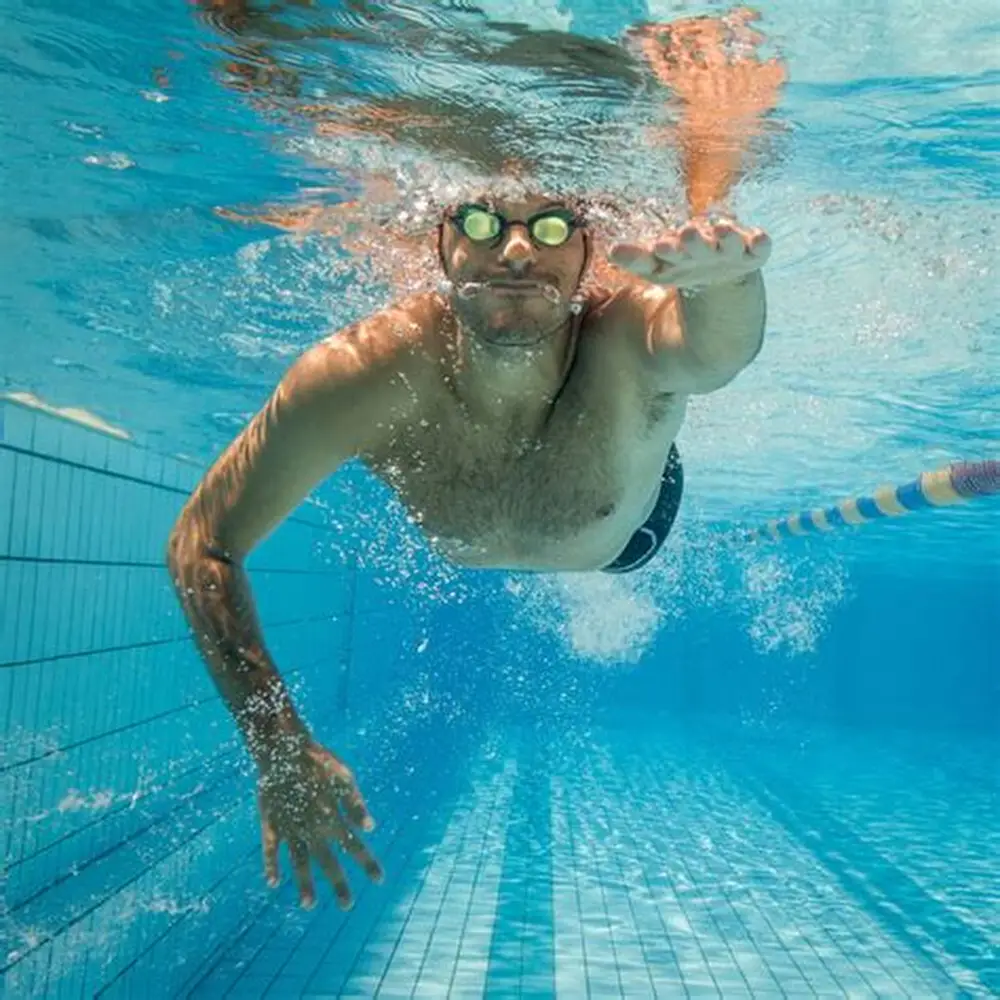
Each stroke has a unique breathing pattern. In freestyle, time your breath with arm recovery. Turn your head to the side during the pull. Inhale quickly as your arm exits. Exhale steadily underwater.
Backstroke allows constant access to air. Still, use a rhythmic pattern. Inhale during one arm’s recovery. Exhale during the next. Keep your head still and ears submerged.
Breaststroke breathing syncs with the arm pull. Lift your head as you sweep outward. Breathe in at the peak of the motion. Submerge your face as you kick and glide. Exhale slowly during recovery.
Butterfly is the most challenging. Breathe during the upswing of the arms. Lift your head forward and slightly up. Take a quick breath as your chest rises. Exhale underwater during the dive and kick. Some swimmers breathe every other stroke to conserve energy.
Practice each stroke slowly at first. Focus on timing, not speed. Use fins to support body position.
Drills like single-arm freestyle isolate breathing mechanics. Try them with a kickboard or snorkel.
Transitioning between strokes strengthens overall respiratory control.
Drills to Practice and Improve Your Breathing
Simple Exercises to Build Confidence and Rhythm
Drills help you master how to breathe while swimming without pressure. Start with bubble blowing. Stand in shallow water. Exhale slowly through your nose and mouth. This teaches steady exhalation.
Next, try side kicking. Hold a kickboard with one hand. Float on your side. Kick gently. Rotate your head to breathe every 3–5 kicks. Switch sides regularly.
Fist drill improves stroke feel. Swim freestyle with closed fists. This forces high-elbow catch. Combine with timed breathing. You’ll notice better rhythm.
Six-kick switch drill builds rotation. Kick on your side for six beats. Switch arms and breathe. Move to the other side. Repeat. This reinforces bilateral breathing.
Shark fin drill isolates the breath. Swim with hands out of water like shark fins. Focus only on head turn and timing. Add arms later.
Use a snorkel to remove breathing distractions. Work on body position and stroke mechanics first.
Practice in front crawl with a pull buoy. This supports your legs. Let you focus solely on breathing rhythm.
Transitioning from drills to full strokes makes breathing feel natural.
Tips for Breathing in Open Water vs. Pool Settings
Adjusting Technique for Waves, Visibility, and Safety
Open water adds challenges to how to breathe while swimming. Waves may crash into your face. Sun glare blocks one side. Boat wakes disrupt rhythm. You must adapt quickly.
Bilateral breathing becomes essential. If the sun blinds your preferred breathing side, switch to the other. Always know how to breathe on both sides.
Sighting and breathing combine in open water. Lift your head slightly higher to see ahead. Breathe during the same motion. Do it every 6–10 strokes depending on course needs.
Waves require timing. Wait for a lull before turning to breathe. Inhale as the wave passes. Exhale underwater during turbulence.
Use a swim cap with ear protection. Cold water can trigger shock. Controlled breathing prevents panic.
Practice in sheltered areas first. Gradually move to rougher conditions.
Stay aware of other swimmers. Avoid breathing toward someone during races. This prevents accidental water spray.
Transitioning from pool precision to open water flexibility builds real-world confidence.
 Frequently Asked Questions
When should I inhale during freestyle? Inhale as your arm exits the water. Turn your head sideways with body roll.
Should I breathe through my mouth or nose? Inhale through your mouth. Exhale through nose and mouth underwater.
Why do I swallow water when I breathe? You’re likely lifting too high or turning late. Practice timing and alignment.
Can I breathe every stroke? Yes, but only in short sprints. It causes imbalance over distance.
How long should I exhale underwater? Until your next breath. Aim for steady release, not sudden bursts.
Is it normal to feel dizzy? Only if you’re holding your breath. Exhale fully to avoid CO2 buildup.
Can kids learn proper breathing? Yes. Teach them early with fun drills and games.
Do I need special gear? Not really. A snorkel helps during practice but isn’t required.
 Final Thoughts on Mastering How to Breathe While Swimming
Mastering how to breathe while swimming is the foundation of confident, efficient, and enjoyable swimming. It affects everything from speed and endurance to safety and relaxation. Whether you’re training for triathlons or just learning to swim, proper breathing makes all the difference.
With consistent practice, drills, and attention to form, anyone can improve. Transitioning from breathless effort to smooth, rhythmic motion transforms your experience in the water. Make breathing a priority—and watch your swimming skills grow, one breath at a time.